15 Common HOA Complaints and Tips to Handle Them


Quiet weeks can make a community feel effortless, and then a few messages arrive at once and the mood shifts. Common HOA complaints show up in almost every association, and most can be handled with the same steady approach. A clear process, respectful language, and consistent follow-through usually calm things down faster than a tougher tone ever will for everyone involved.
Understanding Common HOA Complaints
Friction in shared living is normal, so common HOA complaints should be treated as signals, not surprises. Different schedules, different standards, and different ideas of “reasonable” can exist on the same street. Small frustrations build quickly when people feel ignored or treated differently.
Predictability is what residents want most. When a rule is enforced one week and overlooked the next, frustration rises. Many of the same patterns also sit under broader common HOA issues, which is why a repeatable response system matters.
A Simple System That Prevents Escalation
A complaint process should be easy for residents and easy to defend for the association. One clear intake channel helps, such as a portal form or a single email address. A short acknowledgement within one business day keeps people from feeling brushed off.
Documentation should be collected early. Dates, times, photos, and specific details turn a heated story into something that can be evaluated. Clear records also reduce the “he said, she said” cycle that fuels common community complaints.
Consistency matters at every step. Similar situations should be handled in similar ways, even when the people involved are very different. The same tone should be used in every message, since calm language travels further than sharp words. A short internal timeline helps, such as review in two days and a decision in seven, so residents know the process is real. Fewer surprises usually mean fewer follow-up emails.
Before You Reply: Three Quick Checks
A fast reply feels helpful, yet speed without structure can create new common HOA complaints. A short pause can protect the HOA and keep the situation from spreading. Three quick checks usually make the next step obvious.
Authority should be confirmed first. A problem may be real, but it might sit outside HOA control, like a private neighbour dispute with no rule violation. Governing documents, rules, and adopted policies should guide what happens next.
Fairness should be checked next. Similar situations should lead to similar outcomes, so prior cases and past letters should be reviewed before a new message goes out. These quick questions can help keep responses consistent:
- Has this rule been enforced the same way before?
- Is the evidence strong enough to act?
- Will this response feel fair to a resident reading it later?
Setting Expectations Before Problems Start
Strong rules mean very little without shared expectations, and that is where many common HOA complaints begin. A welcome packet, a quick rules refresher each year, and short reminders before busy seasons can reduce conflict without adding pressure.
Plain language should be used whenever possible. Residents should not need a legal background to understand parking rules, quiet hours, or architectural requests. Clear examples and simple “here is how to do it” steps can cut down on repeat messages.
A respectful tone should also be modelled by the HOA. When communication stays calm and consistent, residents copy it, and fewer common HOA complaints turn into public arguments.
The Complaints Residents Bring Up Most
Here are some issues many residents would consider bringing up to the board.
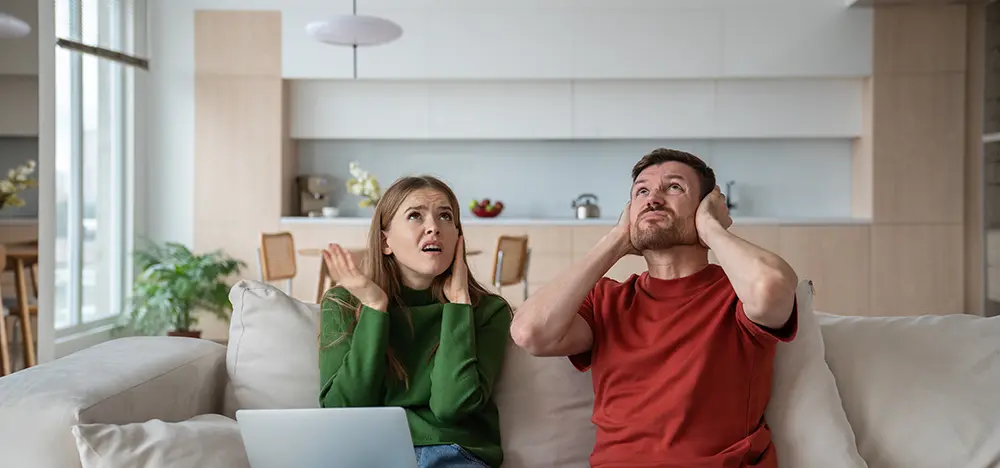
Noise That Travels

Noise complaints often arrive when patience is already low. Late-night music, barking, and repeated gatherings can feel like a direct lack of respect, even when that was not the intent.
A fact-based approach works best. Details should be requested, quiet hours should be referenced, and the community’s nuisance rule should be applied the same way each time. When the noise is occasional, a courtesy reminder can solve it quickly. For repeat reports, a simple log can be suggested, with dates and times, so the HOA can see a pattern instead of a single bad night.
Better results often come from giving both sides a path to save face. A private manager call, a reminder about quiet hours, and a clear note about next steps can resolve the issue without turning neighbours into enemies.
Parking Tension
Parking disputes are daily and visible, so emotions can spike fast. Guest cars, blocked driveways, oversized vehicles, and “saved” spaces tend to trigger repeat arguments.
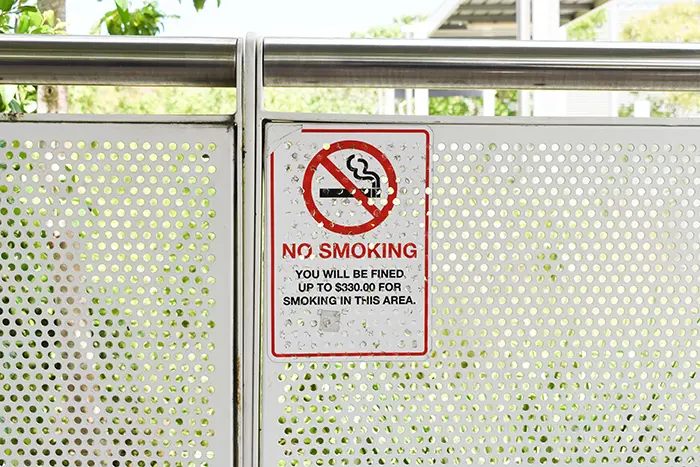
Clear signage and plain rules help residents know what is allowed. Enforcement needs to be predictable, since one ignored violation can make the next notice feel unfair. Towing policies should also be communicated carefully, including where to call and what documentation is needed.
A small operational fix can remove a lot of conflict. Guest permits, time-limited visitor zones, and better striping often reduce the same common HOA complaints in a matter of weeks.
Pet Problems

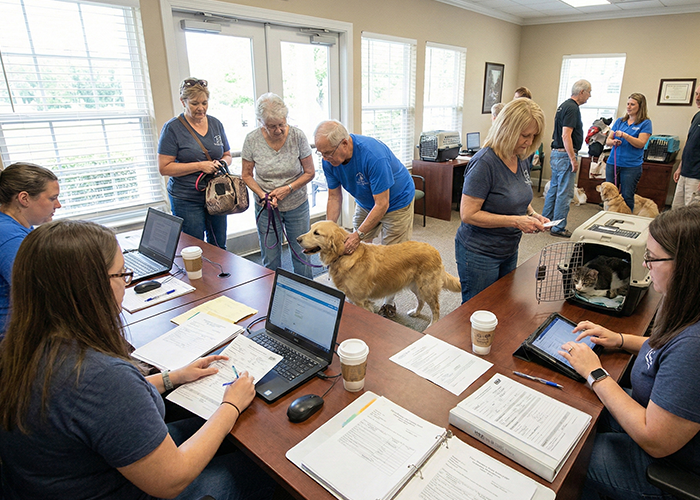
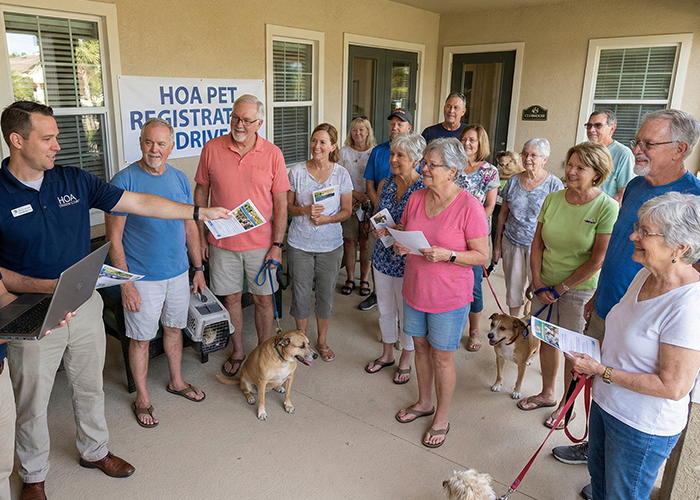
Pet-related complaints usually involve three themes: noise, safety, and mess. A barking dog can disturb sleep, and waste left behind can feel like a personal insult to nearby owners.
Rules should stay specific and easy to apply. Leash requirements, designated relief areas, and waste station placement give residents fewer excuses. Evidence matters, especially for barking complaints, so logs and time windows can be requested.
A neighbourly tone helps here. Most owners want to do the right thing, and a calm reminder often works before any formal enforcement is needed.
Trash Trouble
Trash issues become public quickly. Overflowing bins, loose bags, and cardboard left outside the enclosure can make the entire community look neglected.
Vendor coordination solves many cases. Pickup schedules, container placement, and enclosure access should be checked before violations are sent. When the root cause is capacity, an extra pickup day can be cheaper than weeks of conflict.
Simple reminders also help. A short notice about breakdown rules, bulk item procedures, and where to place bins can prevent the same complaint from coming back every weekend.
Exterior Upkeep

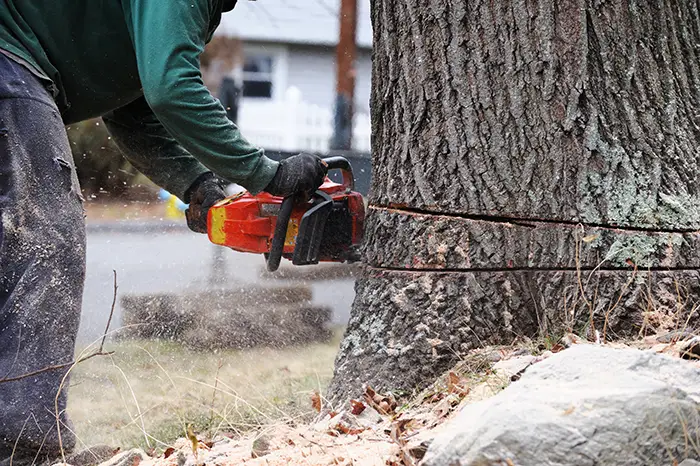
Exterior appearance complaints can feel harsh, even when the goal is community standards. Weeds, peeling paint, visible clutter, and unwashed siding can raise concerns about property values and pride of place.
Objective standards should be used. Photos, clear timelines, and a written description of what needs to change keep the message focused on the rule instead of the person. Courtesy notices can also reduce defensiveness, especially for first-time issues.
Support can be offered without sounding soft. Resource lists for handyman services or local disposal options can move the situation along while keeping the HOA neutral.
Landscaping Conflicts
Landscaping disputes show up in many forms. Overgrown hedges can block sightlines, irrigation overspray can damage fences, and dead patches can lead to blame between neighbours.
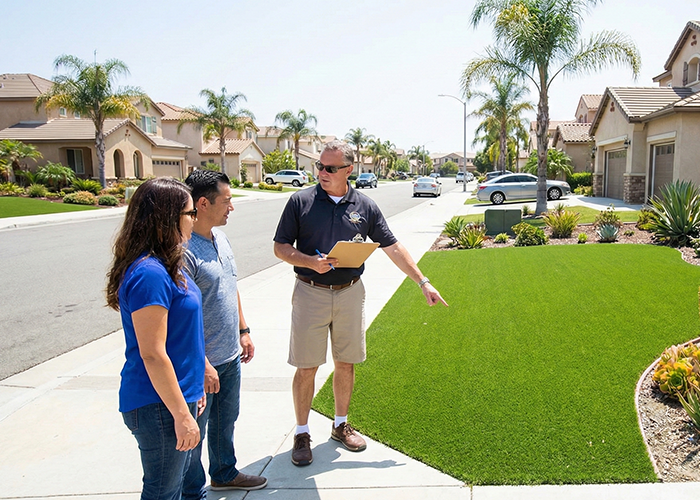
A site walk can reset the conversation. The management team can document what is happening and confirm who is responsible under the governing documents. A simple maintenance standard, written in plain language, gives residents something concrete to follow.
Better outcomes happen when expectations are shared early. Seasonal reminders about watering restrictions, trimming cycles, and pest issues can prevent arguments before they start.
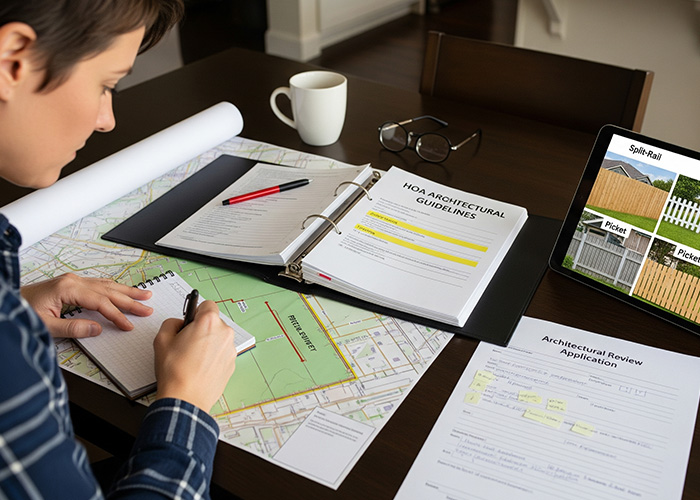
Architectural Changes Without Approval

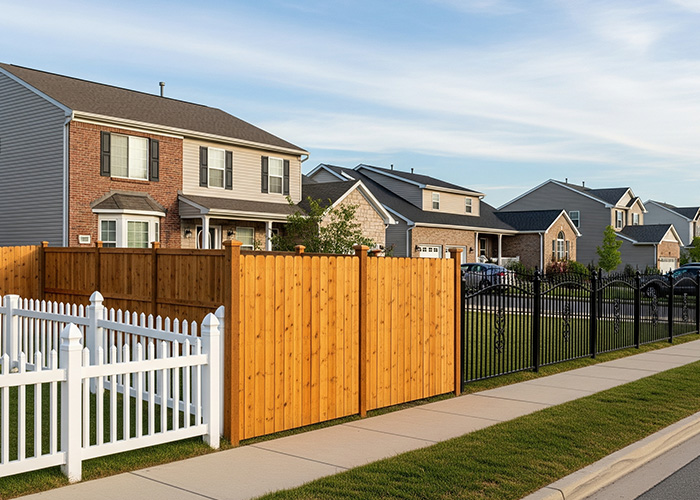
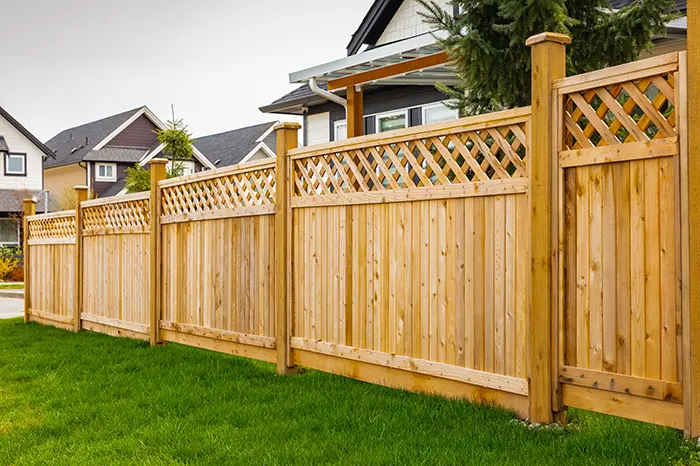
Unapproved changes can feel like a challenge to the system. A new fence, a painted door, or a satellite dish can trigger immediate pushback from neighbours who followed the process.
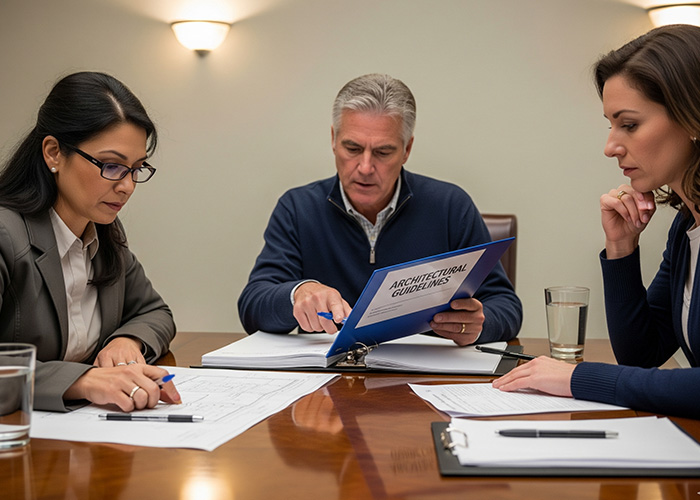
Clarity on the review process is essential. Timelines, required materials, and decision criteria should be posted and repeated often. Written decisions should reference standards, not taste, since taste changes and standards can be defended.
A practical correction path helps keep the issue from turning personal. A deadline to submit an application, a chance to adjust the design, and a clear appeal option can reduce tension.
Short-Term Rentals and Frequent Guests
Short-term rentals can change the day-to-day feel of a community. Noise, parking, and trash can rise when turnover is high, and long-term residents may feel unsettled.
Authority should be confirmed before action is taken. Some associations can regulate rentals strongly, while others are limited by documents or state law. The most workable approach is often to enforce behaviour rules that apply to everyone, such as parking limits and nuisance standards.
Clear communication prevents confusion. A community-wide notice explaining what the HOA can enforce, and what it cannot, can reduce repeat complaints and keep expectations realistic.
Late Dues and Collection Concerns
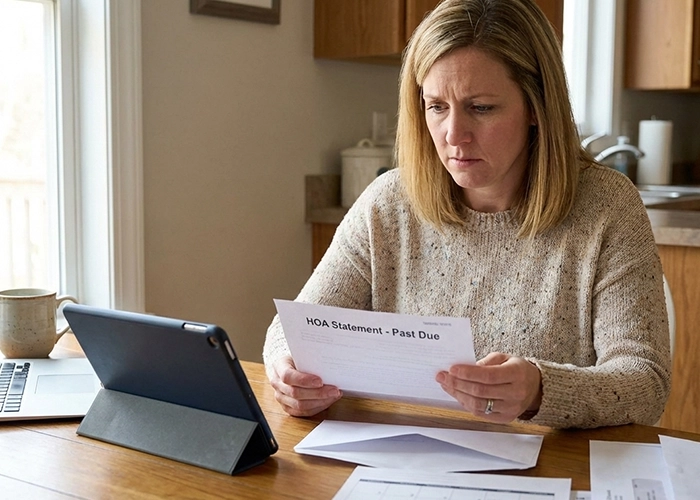
Assessment complaints often sound like anger, but worry is usually underneath. Residents may feel fees are rising without clear benefits, or they may feel embarrassed about falling behind.
Transparency helps more than lectures. Budget summaries, reserve explanations, and plain descriptions of major costs can build trust. Collection steps should be applied consistently, and payment plan options can be used when allowed. Consistent messaging about late fees and timelines prevents the feeling that the rules change depending on who calls.
A respectful tone is crucial. People respond better when the HOA focuses on the policy and the timeline, not on judgment.
Amenity Rule Friction
Pools, gyms, and clubhouses bring strong opinions because they are shared benefits. Guest limits, overcrowding, and after-hours use can make residents feel like they are paying for something they cannot enjoy.
Clear rules reduce conflict. Posted hours, simple guest policies, and predictable consequences help. When enforcement is rare, the rules start to look optional, and arguments get louder.
Light monitoring can change behaviour quickly. Periodic checks, key fob audits, or camera review where permitted can reduce misuse without turning the amenity into a tense space.
Communication Complaints About the Board
“Why didn’t anyone tell us?” is one of the most common messages a board receives. Decisions can feel secretive when updates arrive late or not at all.
A regular communication rhythm helps. Short meeting recaps, clear notice timelines, and a simple “what we decided and why” summary can build confidence. A calm explanation also reduces the assumption that bad intent is hiding behind silence.
Trust grows when the same tone is used with everyone. Even a firm decision can be accepted when it is explained clearly and respectfully.
Records Requests and Transparency Pushback
Records requests can feel confrontational, yet many residents simply want clarity. Confusion grows when owners do not know what they can request or how long it will take.
A straightforward request process helps everyone. A standard form, an estimated timeline, and a clear fee policy when allowed can reduce tension. Privacy should be respected, so sensitive items should be reviewed carefully before release. Better results also come from explaining what counts as an official record versus informal notes, since that difference often causes frustration.
Follow-through matters. A short update during the waiting period can prevent escalation and reduce repeat messages.
Claims of Unfair Enforcement
Accusations of selective enforcement tend to show up when emotions are high. Residents compare what they see, then assume unfairness when outcomes differ.
Documentation is your strongest tool. Prior cases should be reviewed, and the reasons for any differences should be clear. When a past violation was missed, honesty helps, along with a commitment to apply the rule consistently going forward.
Policy clarity reduces future conflict. Written enforcement steps, adopted by the board, create guardrails that make decisions easier to explain.
Neighbour-to-Neighbour Disputes
Many complaints are really personal conflicts that land on the HOA’s desk. Property line arguments, rude behaviour, and “they glare at me” situations can become exhausting quickly.
Boundaries protect everyone. HOA authority should be confirmed first, then action should be taken only when the issue fits the governing documents. When the HOA cannot act, a neutral response can still be offered, such as guidance on civil communication or mediation options.
A steady tone keeps the association out of the drama. The goal should be problem-solving, not choosing sides.
Fair Housing Concerns and Accommodation Requests
This area deserves extra care. Complaints may involve harassment claims, unequal treatment, or requests for reasonable accommodations related to disability.
A documented process should be used, and privacy should be protected. Requests should be addressed promptly, decisions should be based on policy and applicable law, and legal guidance should be used when facts are unclear. A careful approach protects residents and reduces risk for the association.
Professional language matters here more than anywhere. Clarity, respect, and consistency should guide every step.
A Calmer Community Rhythm
Fewer conflicts happen when the same respectful process is used every time, even when the message is firm. Common HOA complaints will never disappear completely, yet their impact can shrink when residents know what to expect. A steady system, clear communication, and fair enforcement make the community feel easier to live in and easier to manage.
Looking for professional help with handling common HOA complaints? Personalized Property Management offers HOA management services around Southern California. Call us at 760-325-9500 or email us at info@ppminternet.com for more information!
Related Articles:
- 9 Possible Legal Issues Of HOAs To Be Wary Of
- HOA Rules Enforcement Best Practices
- Common HOA Violations to Look Out For and Avoid