HOA EV Charging: Legal Compliance and Practical Policies

HOA EV charging is now part of daily life in Southern California. Residents want clear rules that follow the law and still feel fair. This guide shows boards how to move from scattered requests to a simple, working policy.


Why HOA EV Charging Needs a Clear Policy

Requests rarely arrive on a tidy schedule. A few owners ask about chargers, then a neighbor buys an EV, and soon parking and power questions pile up. A short policy brings order, so staff can give the same answer every time.

Clarity also diffuses tension. When the rules are public, owners know what to submit, how long review might take, and who covers which costs. Managers spend less time fielding repeat questions and more time moving projects forward.

Money is where trust gets tested. A written approach that ties approvals to safety codes, insurance, and accurate metering keeps HOA EV charging from becoming a hidden subsidy. People support a program when they see how the numbers work.


The Legal Ground Rules in California

ev charging in HOAs

California law gives owners a pathway to install charging while letting HOAs set reasonable conditions. The association cannot prohibit a station outright, but it can require code-compliant work by a licensed contractor and proof of permits. Standards must be reasonable, so they should not raise costs or cut performance in a meaningful way.

Timing matters just as much as standards. Applications run through the normal architectural track, yet the board needs to respond within the statutory window. Clear written decisions help the association meet that deadline and avoid disputes about implied approval.

Who pays is not a mystery in the statutes. Owners who install personal stations cover installation, electricity, maintenance, and repairs tied to their equipment. If an owner’s space cannot be served at a reasonable cost, a licensed spot in a common-area location can be used under a written agreement that spells out responsibilities.


Turning Legal Rules into an Architectural Process

A smooth process starts with a complete submittal. Owners should provide a simple site plan, equipment specifications, permit copies, the contractor’s license number, and a short note from a qualified electrician about panel capacity. When these pieces arrive together, review becomes fast and predictable.

Insurance belongs in the same packet. Owners can be required to carry liability coverage and, where appropriate, name the association as an additional insured. Certificates should be on file before work begins and kept current after installation.

Consistency ties it all together. Use the same checklist for every request, send the same approval letter template, and track the same documents in the unit file. That uniformity builds trust and saves time for everyone.


Personal EV Chargers and Shared Stations?

ev chargers in HOA

Communities tend to land on one of two paths. Personal stations serve a single owner in a deeded or assigned space, which works well when the run to the panel is short and capacity is available. The owner pays for the work and maintains the charger, while the HOA oversees safety and aesthetics.

Shared stations serve many residents from a common area. This approach helps when wiring to individual spaces is costly or when lots of drivers need power. The association controls hours, pricing, and access rules so turnover stays healthy.

Many properties blend both models. A few personal stations handle early demand, while a small shared hub supports renters, guests, and owners whose spaces are out of reach. That mix lets the board scale slowly without locking into one path too soon.


Planning for Power Capacity and Safety

Electric service is not limitless, so planning starts at the panel. A qualified electrician should assess the main service, feeders, and distribution to spot bottlenecks before the first conduit goes in. That quick study prevents nuisance trips and helps the board schedule upgrades when they actually add value.

Smart load management widens your options. Networked stations can share available amperage so multiple cars charge overnight without a full service upgrade. In practice, this stretches existing capacity and buys time to phase the project.

Phasing keeps budgets sane. Start with high-impact locations, watch how residents use them, and add ports as adoption grows. Explaining that sequence to the community is easier when the board can point to real usage data.


Parking, Accessibility, and Everyday Fairness

ev charging in California HOAs

Good layouts are felt more than seen. If stations sit on routes the public may access, accessible paths and clearances should be part of the design from the start. Even in private areas, wider stall choices and shorter hose reaches help more people use the equipment without hassle.

Rules work best when they mirror real life. Stations should be for active charging, not storage, so time limits with a brief grace period make sense. The tone stays friendly when signs explain the why as well as the what.

Access needs to feel even-handed. In larger sites, a simple reservation window during peak hours can prevent a few drivers from claiming the same spots every night. Fairness grows when the rules are explained ahead of time and enforced the same way for everyone.


Pricing and Billing

People accept fees when they can see the math. Pricing should cover electricity, networking, maintenance, and a small reserve for replacements. Publishing that formula gives the board room to adjust rates as usage and costs change.

Billing options vary by site. A networked station’s kWh records often meet the need, though a dedicated time-of-use meter can align costs with off-peak rates. The best choice is the one that your accounting team can manage month after month without confusion.

Turnover improves when idle time has a cost. A modest fee that starts after a short grace period nudges drivers to move their cars once charging ends. It also keeps more stalls available for neighbors who arrive with a low battery.


Insurance, Liability, and Records

ev chargers

Responsibility follows ownership. For personal stations in exclusive-use areas, owners usually carry liability insurance and agree to maintain and repair their equipment. Those terms should be documented in the approval letter so expectations are clear.

Shared stations shift the focus to the association’s own coverage. Property insurance, general liability, and warranty support all matter here. A brief conversation with the broker about limits and deductibles tailored to station count can save headaches later.

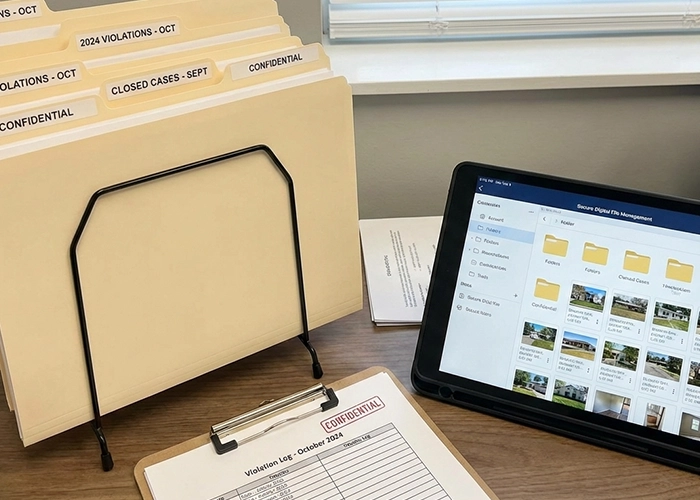
Paperwork is your safety net. Keep certificates, permits, inspection sign-offs, and commissioning reports in the unit file or your management system. Good documentation shortens future repair calls and shows the board met its duty of care.


Funding and Local Incentives in Southern California

Incentives can speed up a plan, yet they change often. Utilities have offered make-ready work, charger rebates, or both for certain multifamily properties. Since terms evolve, confirm current program rules before you build a budget around them.

Service area matters. Communities served by Southern California Edison may find options that offset infrastructure costs. Los Angeles Department of Water and Power has featured Level 2 rebates for qualifying sites, and San Diego Gas & Electric has run programs geared to apartments and condos.

Treat rebates as a bonus, not the backbone. Build a plan that stands on its own, then use incentives to scale a phase or bring a later step forward. Residents appreciate progress that does not depend on a single grant cycle.


HOA EV Charging: From First Request to First Use

ev charging in HOAs

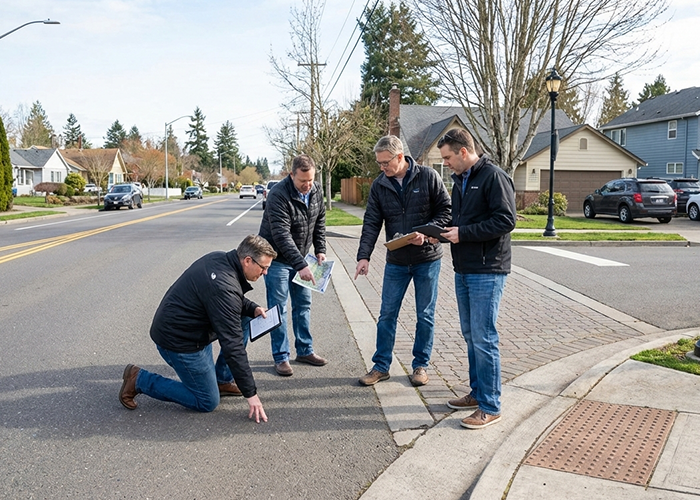
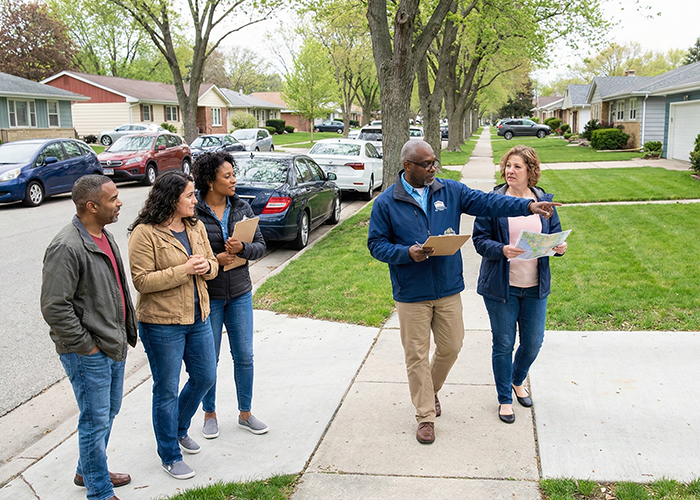
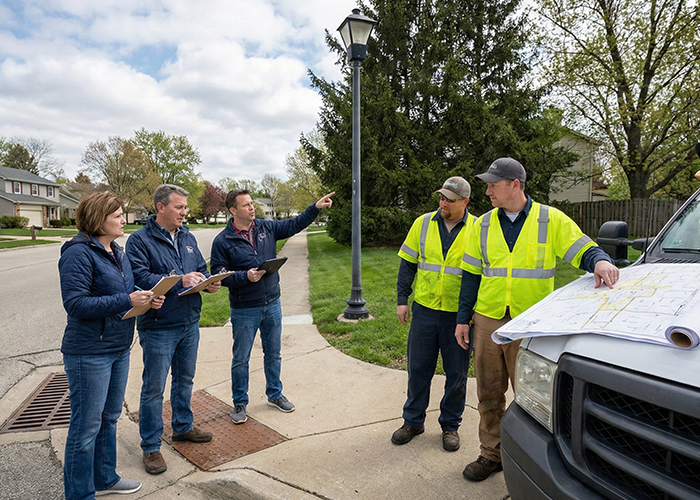
Work starts with discovery. The manager walks the site, notes panel locations, and flags easy conduit paths. A quick map of parking types and likely routes can be sketched in a single afternoon.

Policy follows the walk-through. The board drafts two pages that cover eligibility, safety standards, cost responsibility, insurance, billing, time limits, and the basic enforcement path. Because the document is short, residents can read it and actually understand it.

A light pilot ties it together. Approve one or two personal stations where runs are short, and pick a spot for a small shared hub near the electrical room. As soon as the first month of usage data arrives, the board can see what to tweak.


Defining Roles for Efficiency

Boards focus on policy and budget. They choose the model, set pricing and time limits, and schedule reviews. Because those decisions are public, residents can see how the program will run.

Managers handle the day-to-day. They receive applications, check submittals for completeness, and coordinate inspections. When issues come up, they follow the enforcement path already spelled out in the rules.

Owners do their part as well. They hire licensed contractors, keep insurance current, and share contact details in case something goes wrong during a session. When they sell, they disclose obligations tied to the station so the next owner knows what to expect.


Measuring Results and Adapting

ev chargers in HOA

A few simple numbers tell the story. Monthly kWh delivered, average session length, uptime, and the count of unique users show if demand is steady or climbing. Peaks that repeat at the same hours point to where another port would help.

Feedback closes the loop. A short survey after the first quarter surfaces pain points like blocked stalls or confusing signage. Quick improvements build trust and protect the investment the community has made.

Policy should not gather dust. Twice a year, the board can review time limits, pricing, and maintenance schedules. Small adjustments keep usage healthy and reduce the chance of surprises during budget season.


How to Communicate New Policies

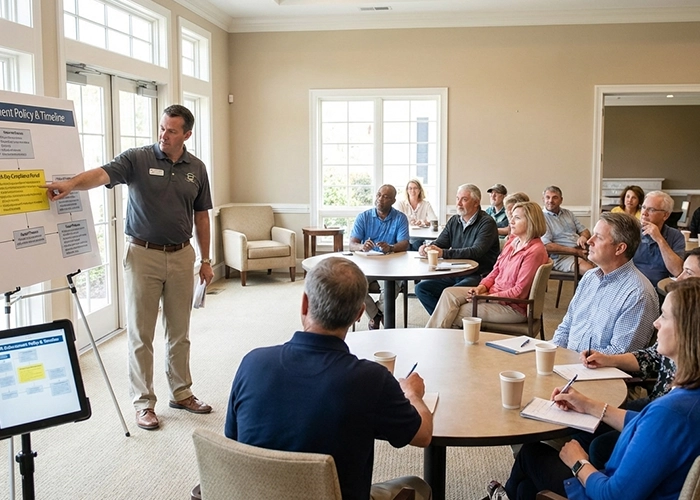
People accept change when they understand it. A short listening session lets the board explain goals, walk through the policy, and answer common questions. Owners leave knowing what will happen next.

Simple reminders do more than warnings. Clear signs near the stations and a one-page guide on the website keep everyone aligned. If your association avoids long FAQs, a short “how to charge here” page works just as well.

One contact channel keeps files clean. A single email address for applications and support prevents multiple threads from going missing. It also helps managers measure response times and see where the process slows down.


Embracing Modernity

Once the first cars plug in, the program becomes normal community life. The board tracks results, managers follow the checklist, and residents share stalls without drama. That is what success looks like for HOA EV charging in HOAs.

Looking for professional support in handling EV charging in your HOA? Personalized Property Management offers HOA management services around Southern California. Call us at 760-325-9500 or email us at info@ppminternet.com for more information!

Related Articles:
Solar Panels In HOAs: Navigating the Solar Rights

Homeowners across Southern California are thinking about energy costs and sustainability. Boards are hearing more requests for solar panels in HOAs, and they want a clear path that respects property rights and community standards.


Solar Panels and California Law

California protects a homeowner’s right to install solar panels in HOAs. Associations may set reasonable rules, yet they cannot prohibit solar energy systems or make them impractical. That balance matters, because the goal is simple: allow solar while keeping the community looking and functioning as planned.

Reasonable rules usually involve placement, safety, and aesthetics. They should not cause large cost increases or big performance losses. When policies align with that standard, approval is more predictable for everyone.

Boards should also know the difference between rules for single-family lots and rules for condos or townhomes. Shared roofs and common areas add steps, but projects are still workable with the right agreements in place.


HOA Solar Panels: CC&Rs and Design Rules

hoa solar panels

Your CC&Rs and design rules are the starting point. They outline what is allowed, what needs board review, and the standards for appearance. If your governing documents are silent or outdated, adopt a clear solar policy that follows state law and your community’s character.

Keep the focus on objective criteria. Spell out where panels should go, how conduit should be routed, and acceptable screening methods. Objective criteria help owners understand what to submit and help boards apply rules consistently.

Make the policy easy to find and easy to read. A one-page summary attached to your architectural guidelines helps owners plan before they sign a contract.


The Proper ARC Review for Solar Panels in HOAs

Most solar projects will go through the architectural review committee. A streamlined checklist shortens review time and avoids back-and-forth emails. It also sets the same expectations for every owner.

Ask for a complete package. That typically includes plans, roof layout drawings, equipment specs, mounting details, and a construction schedule. Many boards also ask for proof of licenses and insurance from the contractor.

Timelines matter. Give owners a clear review window and stick to it. If the ARC needs more information, request it once with a complete list. Owners appreciate a fair, predictable process.


Reasonable Restrictions

residential solar panels


Boards can shape how systems look and how they fit with the community. The key is to avoid rules that push costs well above normal or reduce system output in a major way. For example, requiring panels to move from an optimal south-facing slope to a shaded side roof could cut production too much.

Prioritize solutions that meet both goals. If the conduit can run inside an attic, ask for that route when safe and feasible. However, ifa skirt kit cleans up the panel edges, make that your standard. If panel color choices blend better with the roof, note preferred options in the policy.

When owners see that a requirement protects the look of the neighborhood without ruining performance, they are more likely to accept it.


Where to Place Solar Panels in HOAs

Small design choices reduce complaints. Keep panels in neat rectangles with aligned edges where possible. Match conduit and junction boxes to the surface color. Use low-profile mounting that sits close to the roof plane.

On tile roofs, require compatible mounting hardware and proper flashing. On flat roofs, confirm ballast loads and wind ratings. These details protect the building envelope and the roof warranty while keeping the system tidy.

Ask the contractor to mark the final conduit paths on the plan. That simple step prevents surprises on install day.


Solar Panel Considerations for Shared Roofs

solar energy

Shared roofs change the conversation. An owner’s system may sit on common area roofing, so maintenance and liability must be clear. Many communities require a license or easement that allows the system to occupy a defined roof area with specific terms.

Spell out who pays for roof penetrations, future roof work, and system removal or re-installation when re-roofing occurs. Clarify who carries insurance, what limits apply, and how to handle claims. Clear agreements protect neighbors and the association while giving individual owners a path to solar.

If your building will not support multiple independent arrays, consider a common system owned or leased by the association. A building-level project can deliver benefits without the complexity of many individual easements.


Insurance, Indemnity, and Maintenance Responsibilities

Solar equipment introduces new risks that can be managed with paperwork and good vendors. Require proof of contractor general liability and workers’ compensation. Confirm a license appropriate for photovoltaic work. Ask for a warranty summary that covers equipment and workmanship.

For owner-installed systems on common roofs, require an indemnity in favor of the association. If the policy calls for owner-carried insurance, state the coverage limit and the additional insured language. Keep certificates on file and track renewal dates.

Maintenance should not fall on the association unless the association owns the system. If the owner installs it, the owner should maintain it. That includes inspections, cleaning, monitoring, and any repairs.


Permits and Inspections for SoCal

hoa solar panels

Cities and counties in Southern California use expedited solar permitting, which speeds up residential solar panels and related inspections. Even so, contractors still must follow local submittal standards. That can include structural calculations, product listings, and electrical one-line diagrams.

Encourage owners to hire a contractor familiar with your jurisdiction. Familiarity reduces delays. It also helps the owner set a realistic timeline from application to activation.

Once the utility permission to operate is issued, ask the owner for a copy. Keeping a small system folder at the HOA office makes future roof and electrical work easier to plan.


Solar Panels for Common Areas

Some communities choose association-owned solar energy systems to offset common electricity use. Clubhouse lights, gate motors, and pool equipment can be good loads for a shared array. If your pool uses gas heat, solar thermal panels may still reduce operating costs.

Start with a short feasibility study. Look at roof age, shading, utility rates, and available incentives. If the numbers make sense, plan around your reserve schedule so the roof and solar timelines align.

For larger sites or limited roof space, consider carport canopies. They produce power and add shaded parking, which residents value in the summer.


What are Your Funding Options?

residential solar panels

There is no single right way to pay for a common area solar project. Some HOAs use reserves if the study supports it. Others finance through bank loans or specialized energy programs. Leases and power purchase agreements can shift upfront costs to a provider, though long-term terms need careful review.

Whatever path you choose, match the term to the useful life and your reserve plan. Avoid deals that outlast the roof cycle by a wide margin unless replacement is built into the contract. Get apples-to-apples bids so the board can compare true lifetime costs.

Share the summary with members before a vote. Clear numbers lead to better buy-in.


Working With Neighbors

Good communication prevents most solar disputes. Let the owner know when roof access will affect neighbors and when noise or parking impacts could occur. Give a simple timeline with start and finish windows.

Ask the owner to post a short notice at the mailbox cluster or lobby. A courteous 48-hour heads-up goes a long way. After installation, confirm that the site is clean and fasteners, tiles, and gutters are intact.

If questions come in about glare or reflection, remind neighbors that modern panels are designed to absorb light, not reflect it. Offer a shade analysis snapshot from the application if someone wants to understand the layout.


How Can Residents Apply for Solar Panels?

solar energy

A tidy application speeds approval and protects everyone’s interests. Consider asking owners to include:

  • Roof plan with panel layout and dimensions
  • Mounting details, flashing method, and structural notes
  • Electrical one-line diagram and equipment cut sheets
  • Contractor license and insurance certificates
  • Proposed conduit routes and color notes
  • Utility interconnection summary and expected production

Store the approved set with a date stamp. If plans change in the field, request a quick revision before work continues.


Making Safety a Priority During Installation

Safety rules are not red tape. They protect workers, neighbors, and your property. Require compliance with ladder safety, fall protection, and electrical lockout practices. Ask the contractor to keep materials organized and clear of walkways.

If crews need to stage in guest spaces, limit the footprint and time window. Mark areas with cones or caution tape and make sure emergency access stays open. A short daily clean-up checklist keeps the site professional.

When work finishes, request a roof inspection report or photos. It creates a record in case leaks show up later.


Future Proofing Solar Panels

hoa solar panels

Solar alone reduces utility bills during the day. Storage can shift that power into the evening when rates are higher. If an owner wants batteries later, plan service space and clearances now so upgrades are simple.

Communities with EV charging plans should think ahead. Panel placement, main-service capacity, and conduit paths can support future charging stations. A little planning now prevents costly rework later.

When the HOA owns a common system, consider a monitoring portal that the manager can review. Alerts for inverter faults help you respond before residents notice a problem.


Adopting Renewable Energy

Solar energy is no fad in Southern California. With clear guidelines and a predictable process, your community can welcome solar while protecting property and neighbors. Start with a strong policy, then apply it with care and consistency.

Looking for professional support in managing solar panels in your HOA? Personalized Property Management offers HOA management services around Southern California. Call us at 760-325-9500 or email us at info@ppminternet.com for more information!


Related Articles:
Electronic Voting For HOAs: Ensuring Compliance And Efficiency

HOA electronic voting is no longer a future idea. It is a practical way to run fair, secure elections while making life easier for homeowners and boards. The key is to pair good technology with strong rules.


HOA Electronic Voting Basics

HOA electronic voting uses a secure platform so members can cast secret ballots from a phone, tablet, or computer. The goal is to lower barriers to participation without weakening legal safeguards. When done well, it speeds up tabulation and creates a clear audit trail.

Electronic balloting is not a shortcut. It is a better tool for the same job. When your rules and technology work together, the election process stays compliant and engagement tends to rise.


Where California Law Stands

hoa online voting

California has detailed rules for HOA elections. Director elections and most secret-ballot matters must follow notice timelines, nomination steps, inspector requirements, and ballot handling procedures. The Davis-Stirling Act also outlines the procedures for associations to deliver notices and the process by which members consent to electronic delivery.

Many communities have adopted HOA online voting as an option other than paper ballots. This keeps member choice intact and preserves secret-ballot safeguards. The safest path is to write clear election rules, use an independent inspector, and select a platform that protects voter identity while producing verifiable results.


Rules That Keep Elections Legal

Strong election rules make electronic voting predictable and fair. Use plain language that matches the Davis-Stirling Act and your bylaws. Explain who may vote, how nominations open and close, and what proof is required to confirm membership in good standing.

Spell out timelines, notice methods, and how the inspector manages both paper and electronic ballots. Include steps for ties, recounts, and challenges. These details guide the vendor, help the inspector, and protect the board if questions come up later.


Consent and Access

homeowners association electronic voting

Members must receive required notices in a way the law allows. Many HOAs collect written consent from owners who prefer electronic delivery of notices. Keep records of each consent and respect any changes an owner makes later.

Identity checks are essential. Use unique voter credentials, such as one-time links or access codes tied to the owner of record. The system should prevent duplicate votes and block access after submission. Always provide a simple path to request a paper ballot.


Protecting Privacy and Building an Audit Trail

Privacy is critical in any secret-ballot process. Choose a platform that encrypts data in transit and at rest. Separate voter identity from ballot choices so no one can connect a name to a vote.

Ask vendors how their audit logs work. You should be able to see when ballots were issued, opened, and submitted. The inspector needs reports that confirm counts and participation, without exposing how any person voted.


The Inspector’s Role

hoa online voting

An independent inspector of elections oversees the entire process. That duty does not change with HOA electronic voting. The inspector verifies the eligibility of voters, receives and tabulates ballots, and certifies the results.

Give the inspector direct, independent access to the platform and its reports. The inspector should lock the ballot box at the close of voting, run the tally, and generate a certification. This independence builds trust and reduces disputes.


Designing Online Ballots

Ballot design affects clarity and turnout. Keep language neutral and short. For each item, link a choice to a single action so voters understand what a “yes” or “no” means.

For candidate elections, list names in a fair order and follow any rotation rules in your documents. Include nomination statements and required disclosures in the same package as the ballot. If you mail paper materials, add simple instructions on how to use the online option.


Making Hybrid Elections Easy

homeowners association electronic voting

Most communities see the best results with a hybrid approach. They mail paper ballots to meet secret-ballot requirements and open an electronic option with the same protections. The inspector receives both streams and keeps a master list of who voted.

A hybrid setup helps with quorum. Owners who misplace a paper ballot can vote online. Owners who prefer paper can mail their envelopes. Everyone has a usable path.


Budget, Vendors, and Contracts

Budget planning should cover platform fees, the inspector’s fee, and mailing costs. Over time, HOA electronic voting can reduce printing, postage, and staff hours spent on envelope handling and manual counts.

When you review vendors, ask about data security, uptime guarantees, and support hours. The contract should state who owns the data, how long records are retained, and how the vendor will assist the inspector during tabulation. Include a clear data-export clause so you can retrieve records in a standard format.


Accessibility and Language Support

hoa online voting

Every voter should be able to use the system. The interface needs readable text, clear buttons, and simple navigation. It should meet common accessibility standards so members who use screen readers can participate.

If your community speaks more than one language, provide translated instructions and candidate materials. Consistent translations help owners understand choices and reduce errors.


What Happens After the Count?

After the polls close, the inspector certifies the results and prepares a report. The board then issues a notice of results within the required timeline. Keep all records for the period your rules and state law require.

If a member challenges the election, documentation will matter. Preserve audit logs, certification, and copies of notices. Clear records shorten disputes and protect the association.


HOA Electronic Voting, Quorum and Engagement

homeowners association electronic voting

Turnout rises when voting is easy and secure. Owners who travel or live off-site can vote from anywhere with an internet connection. Reminders sent by email or text, when allowed by law and your rules, nudge participation without extra postage.

Higher participation produces results that feel legitimate to more owners. Better engagement also reduces the number of reconvened meetings. The board spends less time chasing quorum and more time on community priorities.


Security Basics Homeowners Should Know

Owners often ask how their vote stays secret. A sound platform separates identity from selections. It also locks each ballot after submission, so no one can change it.

Owners should expect to get unique credentials and clear instructions. If something looks off, they need a quick contact path to the inspector or management. Simple support lowers friction and protects confidence in the process.


Avoiding Mistakes: Practical Fixes That Hold Up

hoa online voting

Elections often stumble for simple reasons. The best way to prevent disputes is to shore up weak spots before the calendar starts. These practices keep HOA electronic voting smooth and defensible.


Keep Notices Complete and on Time

Missed or partial notices create avoidable challenges. Build a shared calendar that shows who sends what, by when, and how it goes out. Add a short pre-deadline check so one person confirms content, delivery method, and recipient list.


Publish Candidate Statements as Submitted

Editing for tone can look like bias. Publish statements exactly as received and add a neutral disclaimer if your rules allow. If a statement breaks a clear policy, the inspector should handle it and document the decision.


Use the Right Ballot Package Every Time

Confusion starts when materials do not match the rules. For paper voting, stick to the double-envelope method and clear instructions. For HOA online voting, mirror the same protections and verify that anonymity is preserved after submission.


Apply Disqualification Rules Correctly

Disqualifying the wrong way invites challenges. Use only the grounds allowed by your bylaws and state law, and record the reason. Offer internal dispute resolution when required so owners have a fair process.


Plan for Quorum Before You Miss It

Quorum shortfalls delay results and add cost. Send early reminders, make the online option easy to use, and keep a paper path for those who want it. If your rules allow a reconvened meeting with a lower quorum, include that date in the original notice so the process stays on track.


Communication That Builds Trust


Clear communication reduces confusion and support tickets. Use simple, short emails that explain the purpose of the vote, how to participate, and when the polls close. If you mail paper packets, include a one-page quick guide that shows how the online option works.

A short FAQ sheet can help, but keep it focused on process, not legal advice. Emphasize that the inspector is independent and that ballots are secret. Invite owners to ask for help early, not on the final day.


When to Update Governing Documents

homeowners association electronic voting

Some documents written years ago do not mention online voting. If your bylaws or election rules are out of date, plan an update before launch. Align the rules with current law and your actual practices.

A good update clarifies notice methods, electronic delivery consent, and inspector authority. It also states how paper and electronic ballots are handled in the same election. These changes reduce uncertainty and make each cycle smoother.


Embracing Modernity

Communities across Southern California are moving to a hybrid model that blends paper with technology. HOA electronic voting, when paired with clear rules and an independent inspector, keeps elections compliant and efficient. The result is a smoother process, fewer disputes, and a stronger sense of fairness.

Looking for professional support in setting up electronic ballots for your HOA elections? Personalized Property Management offers HOA management services around Southern California. Call us at 760-325-9500 or email us at info@ppminternet.com for more information!

Related Articles:
 

California HOA Election Rules: Regulations To Follow

Homeowners expect a fair and calm vote. California’s HOA election rules establish the ground rules, ensuring everyone knows what to do and when to do it. This guide explains the key steps in plain language for boards, managers, and members.


The Framework of HOA Election Rules in California

The Davis-Stirling Act sets the framework for member voting across common interest developments. Each association must adopt written HOA election rules that comply with the statute and include local details. These rules cover timelines, nominations, eligibility, balloting, and the certification of results.

The rules are not a formality. They are the playbook for a smooth election. Under the California HOA law on elections, they apply to condos, planned developments, stock co-ops, and large master-planned communities.


Adopting Clear Rules and Keeping Them Current

california hoa law on elections

Boards adopt and amend election rules in open meetings, providing proper notice to members. Good rules do three things: they follow statute, are aligned with the community’s size and needs, and are easy to follow.

Rules should be reviewed each year before the election season. If your association plans to implement electronic voting or modify nomination procedures, allow sufficient time for member notification and board approval. Clear rules reduce disputes and enable inspectors to perform their duties effectively.


Election Timeline and Notices

California requires a simple cadence. Members first receive a general notice that explains how to nominate candidates. That notice must then go out at least 30 days before nominations close.

Next comes a pre-ballot notice at least 30 days before ballots are sent. It lists the meeting date to open and count ballots, the candidate list, and how to return ballots. The ballot package is then sent to members at least 30 days before the voting deadline. If your governing documents require a quorum and you miss it, state law allows a later meeting with a lower quorum under set conditions, as long as new notice is given.


Inspectors of Election

california hoa law on elections

Associations must use one or three independent election inspectors. An inspector can be a qualified volunteer, a notary, a CPA, or a professional firm. Current directors, candidates, and their close relatives are not eligible to serve.

Inspectors receive and secure ballots, verify the voter list, run the count in an open meeting, and certify the results. Treat them as process owners. Provide them with timely access to the member list and any challenges so that they can act promptly and fairly.


Nominations for HOA Elections

Your HOA election rules must explain how owners place their names in nomination and who is eligible to serve. California allows a narrow set of disqualifiers. An association may require that a candidate and a sitting director be current on regular and special assessments. Protections apply when a member has a valid payment plan or has paid under protest.

Other permitted disqualifiers include a recent criminal conviction that would prevent the association from obtaining its fidelity bond, a prohibition on two co-owners serving simultaneously, and a minimum membership period, such as one year. Non-members must be disqualified. Term limits can be enforced if adopted in your governing documents.


The Double-Envelope Method

california hoa law on elections

California uses secret balloting for elections and for other member votes listed in the statute. The written ballot is placed in an inner envelope with no name. That inner envelope is then placed into a signed outer envelope addressed to the inspector.

The outer envelope lets the inspector confirm the voter without exposing the ballot. Members can mail or hand-deliver ballots as directed. Observers may watch the opening and tally at an open meeting. Privacy is protected while the process stays transparent.


Quorum and Reconvened Meetings

Some associations still require a quorum to open and count ballots. If the first meeting fails to reach a quorum, California law permits the association to reconvene later with a reduced quorum, provided certain conditions are met. The association must give fresh notice for the reconvened date and follow the lower-quorum rule exactly as the statute and your documents allow.

The aim is to keep elections moving without throwing out valid ballots. Plan ahead so members know their ballot still matters if the meeting date shifts.


Electronic Voting After 2025

california hoa law on elections

Electronic secret balloting is now allowed if your HOA election rules permit it and if the system meets the law’s safeguards. Authentication, voter privacy, and a verifiable record are required. Paper ballots remain available for members who prefer a written ballot.

Electronic voting can lift turnout and reduce mailing costs. Start early if you plan to add it. Rule changes have their own notice period, and your vendor needs time to set up voter access and testing.


Uncontested Races and Election by Acclamation

When the number of qualified nominees does not exceed the number of open seats, California permits election by acclamation if strict conditions are met. Advance notices, eligibility checks, and timing rules apply. The process saves money and time when a race is uncontested.

Before using acclamation, confirm each step with counsel or your inspector. A missed notice can force a rerun, which defeats the purpose and adds cost.


Campaign Access and Use of Association Media

california hoa law on elections

The HOA election rules must give candidates and members fair access to association media during the campaign season. If the newsletter or website carries one candidate’s statement, it must allow space for others. The association may add a standard disclaimer that candidates are responsible for their own statements.

Candidates and advocates also get reasonable access to common area meeting space at no cost for events tied to the election. Equal access rules apply even when the discussion is spirited. Neutral ground rules help the conversation stay civil.


Preparing the Voter List and Candidate Statements

Accurate records make for a smooth count. Work with management to confirm member names, mailing addresses, and emails for those who opt in to electronic delivery. Update the list when homes change hands or when owners submit new contact details.

Candidate statements should be collected in a uniform format with a firm word limit and a single due date. The association should not edit content for tone or grammar. A neutral disclaimer is the proper tool when views are strong or when claims are disputed.


Running the Count in an Open Meeting

california hoa law on elections

Inspectors open envelopes and tally votes in an open meeting that members may observe. Observers should keep a respectful distance so ballots are not exposed. Once the count is complete, the inspector certifies the results and provides a tally.

Results are announced promptly, then shared with the membership in writing. A clear report builds trust and reduces rumors about how the vote was handled.


Records, Custody, and Member Inspection

After the count, election materials remain in the inspector’s custody for the period set by law. That usually runs one year to match the time allowed for challenges. Materials include returned ballots, signed outer envelopes, voter lists, proxies when used, and the final tally.

Members have the right to inspect election records in accordance with the association’s record-keeping rules. Reasonable inspection and copying procedures apply. Handling these requests with care helps resolve concerns before they escalate.


Common Pitfalls And Simple Fixes

california hoa law on elections

Small missteps can snowball into disputes, delays, and do-overs. Here are some of the most common issues you will likely encounter.


Late or Incomplete Notices

Missed timelines are the fastest way to derail an election. To avoid this, map your dates backward from the count meeting and schedule the general notice, pre-ballot notice, and ballot mailing with clear owners for each step. Additionally, use templates, track delivery methods, and resend corrected notices if you discover an error, so every member has the same information.


Editing Candidate Statements

It is tempting to clean up tone or grammar, but editing candidate content violates equal-access rules. Publish statements as submitted and add a neutral disclaimer that candidates are responsible for their views. Set a uniform word limit, format, and deadline so the process is fair and easy to administer.


Using the Wrong Ballot Package

Written ballots must follow the double-envelope method to protect secrecy. The marked ballot is placed inside an unsigned inner envelope, which is then inserted into a signed outer envelope addressed to the inspector. If you also use electronic voting, require secure authentication and a verifiable audit trail, and include clear return instructions for both methods.


Disqualifying the Wrong Way

Only apply disqualifiers allowed by law and by your adopted rules. Verify assessment status carefully and honor protections for members on valid payment plans or who paid under protest. Document the reason, give prompt written notice, and offer internal dispute resolution so that you can resolve challenges quickly and fairly.


Missing Quorum

A failed first meeting does not mean starting over. When your documents require a quorum and your HOA fails to meet it, use the reconvened meeting option that allows a lower quorum when following statutory steps. Send a fresh notice, make the new date visible across all channels, and remind members that previously returned ballots still count.


Proper Process

California’s HOA election rules create a predictable, private, and fair process for member votes. With a clear calendar, independent inspectors, and steady communication, your community can run smooth elections year after year. Keep your rules current, and keep the focus on member trust.

Need professional help in making sure your HOA elections comply with California rules? Personalized Property Management offers HOA management services around Southern California. Call us at 760-325-9500 or email us at info@ppminternet.com for more information!


Related Articles

17 HOA Amenities that Every Association Must Have

Homeowners care about the basics first. Well-chosen HOA amenities make daily life easier, safer, and more pleasant. This guide ranks the essentials from highest to lower priority so boards can invest where it matters most.


Top-Priority HOA Amenities Residents Expect

Residents lean on these features every single day. Start here before adding anything fancy, because these choices shape how safe, connected, and comfortable the community feels. When the fundamentals are in place, everything else becomes easier to manage.


1. Reliable Connectivity in Shared Spaces

homeowners association amenities

Strong Wi-Fi and steady cell coverage in lounges, pool areas, and meeting rooms should be a given. People work, stream, and call family from community spots, so a reliable signal matters. This is one of the HOA amenities that delivers value to every resident, every day.

The payoff is smoother remote work, easier telehealth and e-learning, and more effective use of common areas. Strong connectivity also supports smart building tools and simple room reservations, reduces complaints to management, and signals a modern, well-run community to buyers and renters.


2. Safety Lighting, Access Control, and Cameras

Good lighting, controlled entry, and sensible camera coverage help people feel safe. Focus on gates, lobbies, garages, paths, and mailrooms. Clear signage about recording sets expectations and supports privacy.

Stronger safety coverage deters nuisance activity, shortens incident resolution time, and makes evening walks feel comfortable. Residents use amenities more often when they feel secure, deliveries go more smoothly, and a visible safety posture can support insurance negotiations and resale confidence.


3. Parking That Works for Daily Life

hoa common areas

Parking friction can sour community life. Residents want assigned spaces that feel fair and a simple guest process. Signs and striping should be obvious, even at night.

When parking is predictable, neighbors argue less. It also helps ensure guest visits run smoothly and accessible spaces remain open for those who need them. Having clear systems protects curb appeal, keeps fire lanes unobstructed, and helps emergency responders get where they need to go.


4. Clean, Accessible Restrooms Near Activity Hubs

Events run more smoothly when restrooms are clean, closed, and safe. Touchless fixtures, slip-resistant floors, and grab bars would be a big help for everyone. Additionally, having a diaper station and clear cleaning logs demonstrates that your association is committed to care.

Easily accessible, inclusive restrooms keep events running smoothly and make families and older adults feel valued. Cleaner facilities mean fewer service calls and a stronger first impression for visitors.


5. Pool and Spa Built for a Warm Climate

homeowners association amenities

In Southern California, a pool is a core draw. Shade, seating, and safe surfaces matter as much as water clarity. Post hours and simple rules so families and lap swimmers can share the deck in peace.

With shade, seating, and safe surfaces, the pool becomes a social anchor rather than a hot slab. Different users share the deck more easily. Additionally, the amenity is well-represented in photos and tours.


6. Secure Mailroom and Package Lockers

Online shopping will not slow down. Lockers or secure shelving reduce lost parcels and cluttered corners. Bright lighting and a camera near parcel zones deter tampering.

A secure, well-lit pickup point turns delivery season into a quick errand. You’ll have fewer missing parcels and less clutter in the lobby. These all translate into calmer residents and fewer headaches for staff.


7. Shaded Play and Picnic Nooks

hoa common areas

Families look for safe play with nearby seating. Shade sails, age-appropriate equipment, and cooler surfaces keep the area comfortable. A few picnic tables turn a quick stop into a relaxed afternoon.

Shade and clear sightlines invite longer stays and honest conversation. Kids explore within view while caregivers relax, and the daily rhythm of the place feels friendlier.


8. High-Impact Upgrades That Pay Off

Once the daily must-haves are in place, select upgrades that reach the most residents and manage long-term costs effectively. These additions build convenience, health, and resilience. They also create clear talking points when boards explain budgets and reserves.


9. Flexible Clubhouse or Multipurpose Room

homeowners association amenities

Residents love a room that shifts from birthday party to board meeting. Good airflow, durable floors, and simple storage make turnover easy. Additionally, having a basic AV setup covers movie nights and presentations.

The clubhouse or rooms can cater to events on the calendar instead of sending people off-site. By renting these out for a small fee, it can still add up and help support reserves. The space even doubles as a dependable gathering point during times of disruption.


10. Fitness Room and an Outdoor Walking Loop

Many people prefer a quick workout close to home. A modest room with bikes, treadmills, and mats, paired with a marked outdoor loop, supports daily movement. Benches and natural shade along paths invite repeat visits.

When movement lives a short walk away, people actually use it. A simple gym and a welcoming loop fold exercise into daily routines.


11. Pet-Friendly Spaces and a Small Dog Run

hoa common areas

Pet owners value places where they can walk and gather. A compact dog run with double gates, turf or gravel, shade, and a few benches does the job. Bag stations and trash bins keep the area clean, making them great additions to these HOA amenities.

Dedicated pet zones channel energy where it belongs and keep lawns looking crisp. Owners meet, the grounds stay cleaner, and the community reads as pet-savvy rather than pet-tolerant.


12. EV Charging and Electrical Readiness

More residents drive electric vehicles each year. A few shared chargers near main entries meet current demand and prepare the community for growth. Conduit runs in key spots to lower future costs.

Having an EV charging amenity today signals that your association has foresight. Fair access and clear pricing keep use orderly today while the infrastructure scales as more households plug in.


13. Water-wise Landscaping and Community Gardens

homeowners association amenities

Drought-aware design saves water and still looks great. Drip irrigation, mulch, and native plants reduce maintenance. A few raised beds give residents a place to grow herbs and greens.

Landscapes that suit the climate remain visually appealing with less water. Native beds retain their shape through heat, attract pollinators, and provide residents with small spaces to grow something fresh.


14. Sports Courts People Actually Use

Pickleball is popular, and multi-use striping lets one court handle several games. Sound-dampening screens and reasonable hours help with noise concerns. Nearby seating encourages short matches and quick turnover.

A court that stays in motion becomes a casual meeting point. Multi-use lines invite short games and steady activity. They promote fitness and friendly competition without a big programming budget.


15. BBQs and Fire Pits

hoa common areas

Food brings neighbors together. Grills with sturdy prep space and posted cleaning steps see steady use. Where permitted, gas fire pits extend evening hours.

Cooking together lowers the barrier to conversation. Evenings feel longer, and small celebrations become easy to host without leaving home.


16. Waste Management and Recycling Areas

Clean collection areas protect health and deter pests. Lids that close, clear signs, and frequent pickup matter. A rinse spigot helps after spills.

When sorting is obvious and lids close, cleanliness almost takes care of itself. Fewer pests, better smells, and steadier hauling costs are the quiet payoff.


17. Event Lawn and Pocket Parks

homeowners association amenities

A flat, flexible lawn hosts movie nights, markets, and fitness classes. Small shade trees and string lights encourage lingering. Edges with benches invite casual use.

Having a simple lawn earns its keep as the backdrop for yoga, markets, and movie nights. It enhances the neighborhood’s appeal, providing property listings with an image that potential residents recognize as part of everyday life.


Budget, Rules, and Good Communication

Great homeowners association amenities do not surprise anyone. Share the plan early and explain how each project supports safety, comfort, or savings. Tie changes to maintenance cycles so dollars stretch farther.

Keep rules short and consistent across spaces. Post them where they are helpful, not where they are annoying. When residents know what to expect, they take better care of shared places.


Community Use

Homeowners choose communities that make ordinary days smoother. Start with safety, cleanliness, and access, then add the extras that bring people together. With a clear plan and steady care, your HOA amenities will feel thoughtful, helpful, and worth the budget.

Need professional help in choosing your community’s amenities? Personalized Property Management offers HOA management services around Southern California. Call us at 760-325-9500 or email us at info@ppminternet.com for more information!


Related Articles:
 

HOA Fall Maintenance Checklist: Getting Ready For Fall Season

Fall brings cooler days, busy calendars, and steady wear on shared spaces. A clear fall maintenance checklist helps your Southern California community stay safe, tidy, and budget-smart as the season shifts.


Fall Maintenance Checklist: Your Seasonal Starting Point

Begin with a quick pulse check. The goal is to identify and address small issues before they become costly. Use this fall maintenance checklist to set priorities, assign vendors, and plan resident notices.

  • Roofs, gutters, and drains
  • Trees, slopes, and common-area landscaping
  • Irrigation settings and leak repairs
  • Walkways, lighting, and safety equipment
  • Pools, spas, and recreation areas
  • Clubhouse and indoor systems
  • Pest prevention and trash enclosures
  • Budget, reserves, and vendor scheduling
  • Resident communications and holiday planning

Treat this list as a living document. Update it as inspections reveal new tasks. Keep copies with dates, photos, and invoices for easy reference.


Inspection of Buildings and Common Areas

hoa fall maintenance

Start your inspection by walking through each building and amenity area with a simple route map. Make sure to take photos and short notes. As you review the place, ensure to mark items as urgent, preventive, or cosmetic so boards can approve work in a logical order.


Roofs and Gutters

Check shingles, tiles, flashing, and roof penetrations with care. Look for cracked tiles, lifted edges, rust near fasteners, and soft spots around skylights. Clear gutters and downspouts so the first rains do not push water into eaves, fascia, or walls, and confirm splash blocks and extensions carry water away.


Siding, Paint, and Stucco

Look for bubbling paint, hairline cracks, stains, and chalking that hint at leaks. Touch up early so moisture does not creep in and worsen. Schedule small stucco patches and sealant work before winter storms arrive, and color-match now while the surrounding areas are still unaffected by the sun’s fading.


Walkways, Stairs, and Railings

Scan for raised slabs, loose treads, or shaky rails at every building. Mark trip hazards and set cones until repairs are made to reduce the risk. Check the lighting along paths at dusk, then note any dark spots, broken lenses, and timer settings that require simple fixes.


Landscaping and Trees

fall maintenance for hoas

Healthy grounds set the tone for the whole property. They also protect structures from wind, rain, and wildfire risks common in SoCal. During landscaping maintenance, use a short checklist to assess tree health, slope stability, and seasonal planting needs.


Tree Trimming and Clearance

Remove dead wood and lift low branches near buildings and roads. Keep branches off roofs and clear of gutters to prevent abrasion and clogs. If growth is heavy, schedule a certified arborist to evaluate structure, storm load, and sightlines at intersections and entries.


Turf and Plant Beds

Rake leaves so they do not smother turf or clog drains. Refresh mulch to protect roots, suppress weeds, and help soils hold moisture through cool, dry spells. Select hardy, low-water plants that complement your design palette and position them where irrigation coverage is reliable.


Slopes and Erosion Control

Walk slopes after the first light rain and after a scheduled irrigation cycle. Watch for channels where water cuts into the soil or undercuts edges. Add wattles, jute netting, or groundcovers to slow runoff, and inspect retaining walls, weep holes, and nearby drains for blockages.


Managing Irrigation and Water

california fall maintenance

Fall usually means cooler days and shorter run times. Save water while keeping your plants healthy, and comply with local watering rules as required.


Reset Schedules for Cooler Weather

Dial back irrigation controllers to match seasonal needs. Reduce frequency first, then shorten run times if areas stay wet. Whenever possible, aim for deep, less frequent watering rather than daily misting, and utilize cycle-and-soak settings for slopes that tend to shed water.


Fix Leaks and Faulty Nozzles

Look for soggy spots, overspray on pavement, tilted heads, and clogged nozzles. Replace worn risers and seals, then adjust the arcs so that water lands on plants, not on sidewalks or fences. Map repairs by zone so you can verify savings on the next water bill.


Rainy Day Prep

Clear surface drains, scuppers, and curb inlets before heavy rain. Sweep leaves and debris from grates and swales, and confirm trash enclosures have intact pads and berms. Keep a small supply of sandbags and drain socks to direct flow away from buildings, garages, and low doors.


Recreational Area Checks

hoa fall maintenance

Even if your pool stays open, fall brings new patterns of use. Keep safety and cleanliness as your top priorities, and adjust staffing to accommodate shorter daylight hours.


Seasonal Hours and Safety

Review posted hours, rules, and emergency contacts. Check gates, self-closers, and latches for smooth action and proper closing. Test lifesaving gear and inspect deck surfaces for cracks or slick areas, then schedule quick patches before cold nights slow down the curing process.


Furniture and Surfaces

Clean and inspect lounges, umbrellas, and tables for loose hardware. Store or repair damaged items to prevent them from becoming hazards in the wind. Pressure wash carefully to avoid forcing water under expansion joints or into door thresholds. Reapply sealant to worn areas that receive frequent foot traffic.


Water Quality and Equipment

Confirm chemical logs are current and legible. Backwash filters on schedule and inspect pump seals for drips. Check heater start-ups before cooler evenings, then verify set points match posted hours to avoid wasted energy.


Inspecting the Clubhouse and Indoor Systems

fall maintenance for hoas

A little preventive work keeps community rooms comfortable and welcoming. Focus on air quality, lighting, and plumbing that support events and regular use.


HVAC and Filters

Replace filters and clean return vents to improve airflow. Get furnaces serviced and package units so that they heat up evenly and run quietly. Then, calibrate the thermostats, check the door sweeps, and confirm that the condensate lines are clear to prevent leaks on finished floors.


Plumbing and Water Heaters

Inspect water heaters for corrosion, slow leaks, and expired relief-valve tags. Test temperature settings for comfort and safety in kitchens and restrooms. Look for drips at sinks and toilets that waste water and raise bills, and keep spare parts for standard fixtures on hand.


Safety Fixtures

In any community, proper lighting is essential for safety. Replace dim bulbs and test emergency lighting and exit signs. Clean lenses and wall plates so light levels feel bright and safe after sunset. Test GFCIs in kitchens and near sinks, and label panels so responders and vendors can act quickly.


Fire Safety and Wildfire Readiness

california fall maintenance

Southern California communities should treat fall as a readiness window. Use this time to tighten up basics that matter during Red Flag warnings and windy days.


Brush Clearance

Remove dry brush, ladder fuels, and leaf piles around buildings and fences. Keep combustible items, including stored furniture and pallets, away from walls. Maintain a clear band around structures and keep ignition sources, such as grills, in approved areas under supervision.


Emergency and Evacuation

Check inspection tags on extinguishers and service as needed. Test smoke and carbon monoxide alarms in clubhouses and common rooms. Confirm that exit paths are clear, doors swing freely, and stairwells are free of obstructions that could slow evacuation.


Resident Communication for Red Flag Days

Share short reminders on wind safety, parking, and grill use before high-risk periods. Encourage residents to report hazards like sparking lights, damaged lines, or downed limbs. Post phone numbers and a simple plan so people know who to call after hours.


Pest Prevention

hoa fall maintenance

Cooler weather drives pests to warm spaces. Tighten gaps and make food and shelter hard to find across the site.

Seal penetrations at utility lines and door thresholds with durable materials. Keep trash lids closed, rinse pads, and schedule extra pickups if bins overflow. Trim vegetation off walls and fences to prevent pests from entering buildings, and treat known ant and roach trails before activity spikes.


Budget and Schedules

all maintenance for hoas

Fall is a smart time to connect maintenance with money plans. Review reserve schedules and align repairs with the budget to ensure projects remain predictable.

Price out tree work, roof patches, paint touch-ups, and drain cleaning now, while vendors still have open slots. Request comparable scopes and written warranties so bids are easy to evaluate. Locking in work early can reduce costs, prevent holiday delays, and ensure accurate updates to your reserve study.

Tie your fall maintenance checklist to component timelines for roofing, painting, paving, and mechanical equipment. Small fixes today protect large reserve items tomorrow and help boards explain how spending supports long-term value.


Ensure Compliance

california fall maintenance

Keep maintenance aligned with your CC&Rs and architectural rules. If a project changes exterior appearance or materials, route it through architectural review with precise submittal requirements.

Post notices if areas close during repairs and add simple maps where routes change. Document approvals, start dates, and inspection results so that future boards can follow the trail and homeowners can see a consistent, fair process.


Resident Coordination

hoa fall maintenance

Residents appreciate clear updates and short timelines. Share what is happening, where, and why through email, text alerts, and posted signs.

Create a seasonal calendar from your fall maintenance checklist that highlights vendor visits, drain cleaning, tree days, and pool service. Include rain dates so that crews and residents are aware of the plan in case the weather shifts, and keep the language straightforward so that everyone understands the next steps.

Welcoming the Fall Season

A comprehensive fall maintenance checklist ensures your community remains safe, attractive, and well-prepared for the cooler days ahead. Start with quick wins, communicate often, and track what you finish. Small steps this fall can prevent big repairs later.

Need professional support for fall maintenance in your community? Personalized Property Management offers HOA management services around Southern California. Call us at 760-325-9500 or email us at info@ppminternet.com for more information!


Related Articles:
13 HOA Committees Your Community Should Have

Strong committees make an HOA work. The right HOA committee turns board goals into day-to-day action and gives owners a clear way to pitch in. Here are the top groups to consider for a Southern California community.  


What Are HOA Committees?

An HOA committee helps the board research choices, carry out projects, and report back with clear recommendations. It brings more hands to the table without adding more directors. Good committees also create a path for owner involvement that feels welcoming and fair.  


13 HOA Committees Your HOA Needs

Ready to build your team? Use this section to choose the groups that match your size, budget, and goals. The list of top homeowners association committees below reflects what works for many Southern California communities.  


1. Architectural Review Committee

types of hoa committees

This HOA committee keeps the community’s appearance consistent with the CC&Rs and adopted design rules. It reviews exterior changes, such as paint, fences, additions, and solar equipment, ensuring properties adhere to the same standards over time.

The goal is predictability, not personal taste, which helps protect home values. Responsibilities include receiving and logging applications, verifying the completeness of submittals, and comparing requests against established written criteria.

The committee issues written decisions as required by the documents and maintains organized records for board reference. It also tracks common trends and suggests clarifications when rules create confusion.  


2. Finance and Budget Committee

The Finance Committee supports long-term stability by studying income, expenses, and reserves through the lens of the annual plan. It develops draft budgets and monitors results, allowing the board to see how funds support daily operations and future repairs. Clear summaries help owners understand where their assessments are going.

Its typical duties include reviewing monthly financial statements, studying reserve study inputs and project timing, and noting cost trends in contracts and insurance. The committee presents funding options with plain-language explanations and flags variances that may need board action.  


3. Maintenance and Grounds Committee

different hoa committees

This committee focuses on the condition and useful life of common elements. It helps the board see what needs attention now and what should be planned for the next cycle. Consistent reporting reduces surprises and improves scheduling.

Some of the responsibilities this committee performs include site walks, documenting issues with photos, and reviewing whether vendors are meeting scope and response times. The committee tracks open work orders, planned repairs, and warranty items, then provides status updates that line up with the reserve plan.  


4. Landscape and Tree Care HOA Committees

The Landscape Committee balances curb appeal, water use, and safety in a climate with long dry periods. It considers plant choices, irrigation schedules, and tree health in light of local rules. A steady approach keeps landscapes attractive without waste.

Their work often involves reviewing landscape plans and seasonal schedules, tracking irrigation efficiency, and staying informed about water conservation measures and restrictions. The committee monitors tree risk, pruning cycles, and replacement needs, then shares observations that align with the maintenance and reserve calendars.  


5. Rules and Compliance Committee

top homeowners association committees

This group supports the fair and consistent application of community rules. It reviews policies for clarity and helps the board understand recurring concerns, such as noise, parking, and trash. The focus is education and consistency, not punishment.

Its core tasks include organizing documentation for hearings and reviewing fine schedules against governing documents. The committee compiles anonymized summaries to highlight trends and recommends policy clean-ups when language is unclear. Final enforcement decisions remain with the board as required by law and bylaws.  


6. Social and Events Committee

The Social Committee builds connections among neighbors, making daily life feel cooperative and informed. It plans inclusive activities that fit within the budget and the available space. New resident welcome efforts often sit within this group’s work.

Their responsibilities include proposing event concepts, coordinating logistics with management, and tracking participation. The committee gathers feedback after each event and uses it to shape a simple, repeatable calendar that suits the community’s pace.


7. Communications Committee

types of hoa committees

Clear information lowers friction and rumors. This committee supports newsletters, notices, bulletin boards, and the website to ensure that updates are accurate and timely. A steady rhythm helps owners know what is happening and when.

The Communications Committee is responsible for drafting concise updates, ensuring tone and style align with board preferences, and scheduling regular communications. The committee prepares meeting highlights and maintains a basic archive, enabling owners to easily locate past summaries.  


8. Safety and Emergency Preparedness Committee

This committee helps the community prepare for local risks, such as wildfires, earthquakes, and heatwaves. Plans focus on steps residents can follow during stressful situations. Coordination with local agencies improves readiness.

Its scope usually includes maintaining the emergency plan, mapping evacuation routes, and reviewing common-area supplies. The committee shares preparedness materials, tracks drills, and notes areas where additional signage or lighting may improve safety.  


9. Parking and Traffic Committee

different hoa committees

Parking and speed concerns affect daily routines and visitor access. This committee examines usage patterns and seeks practical ways to ensure fairness and safety. Data over long stretches leads to better choices.

This group is responsible for monitoring hot spots, reviewing signs and striping, and assessing guest and loading needs. The committee compiles findings with simple counts and time windows, then reports options the board may consider.  


10. Pool and Amenities Committee

The focus here is on safe and reliable access to shared facilities, such as pools, gyms, courts, and lounges. The committee reviews how spaces are used and how service providers perform throughout the season.

User experience and safety guide the work. It typically monitors vendor logs, water chemistry records, and equipment condition, as well as posted rules and hours. The committee notes usage trends, identifies recurring closures, and surfaces issues that may need board attention or budget changes.  


11. Technology and Website Committee

types of hoa committees

Many communities rely on portals, gate apps, and online voting tools. This committee evaluates platforms and helps keep the website useful and current, providing privacy and ease of use guidelines.

Members of this committee are typically responsible for comparing features, noting support and security considerations, and coordinating content updates with management. The committee also gathers owner feedback on access and navigation, making minor improvements over time.  


12. Nominating and Elections Support Committee

This group encourages broad participation and informed choices during elections. It explains director roles, eligibility, and time commitments so potential candidates understand expectations. Clear information improves turnout and continuity.

They handle sharing candidate timelines and materials, hosting neutral Q&A opportunities, and coordinating logistics with the independent inspector of elections. The committee communicates key dates to owners and provides a simple overview of the process.  


13. Ad Hoc Projects Committee

top homeowners association committees

Large, time-bound projects benefit from focused attention. An ad hoc committee forms for work such as roof replacements, repainting cycles, gate upgrades, or EV charging studies. The group exists for the duration of the project and then wraps up.

Its responsibilities include clarifying scope with the board, gathering bids or options, and comparing life-cycle costs and schedules. The committee collects resident input where appropriate and provides a close-out summary with lessons for future projects.  


How to Set Up Each HOA Committee

To create committees, you can start with a board resolution that names the committee, sets the purpose, and lists the limits of authority. Most committees are advisory. They gather facts, meet with vendors, and present options to the board.

Name a chair, define who can serve on it, and set term lengths. Then, decide how often the group will meet and how it will report its progress. A one-page charter keeps everyone aligned.  


Recruiting and Supporting Volunteers

different hoa committees

People say yes when the ask is clear and the job feels sized for real life. Share time estimates and the skills you need. Thank volunteers early and often. Offer small roles for new helpers. Shadowing, note-taking, or welcoming at events builds confidence. When people feel seen, they stay engaged.  


Common Mistakes

One common issue most HOAs have when forming committees is having vague charters that invite conflict. To avoid this, ensure that you write down the scope and limits for every committee.

Another thing to avoid is allowing a committee to overstep its bounds and assume board powers, such as setting assessments or adopting rules on its own.

Over-reliance on one or two people is risky. In addition to dividing the workload among people, having multiple members also helps keep each other in check.

Lastly, many associations fail to maintain records, making responsibility turnover complicated. Therefore, you need to ensure your committees are on top of keeping documents related to official HOA business.


How to Choose HOA Committees

When setting up HOA committees, choose ones that your association needs. To do this, prioritize the current needs of your HOA today.

For example, if water costs are rising, empower Landscape. However, if reserve projects are looming, activate Maintenance and an Ad Hoc group.

Once you’ve picked which issues to prioritize, set three to five goals per group and review them midyear. Retire committees that have finished their work. This helps keep your association’s structure effective and efficient.  


Divide and Conquer

Committees help boards turn plans into steady progress. Pick a practical mix, write clear charters, and support your volunteers. Your Southern California community will feel the difference.

Looking for professional support in creating and organizing HOA committees? Personalized Property Management offers HOA management services around Southern California. Call us at 760-325-9500 or email us at info@ppminternet.com for more information!


Related Articles:
Avoiding Fines: Complying With HOA Fence Rules And Restrictions

Homeowners appreciate the privacy and curb appeal that a fence can bring. However, a fence that ignores community standards can lead to delays and fines. This guide explains how to follow HOA fence rules in Southern California, ensuring your project proceeds smoothly without any issues.


HOA Fence Rules in Southern California

Your association’s rules exist to keep a consistent look and to protect safety. Most communities require approval before you install, replace, or change a fence. This is true even if you pay for it yourself and build it on your lot.

Many owners ask why city approval is not enough. Local permits do not replace HOA fence rules in Southern California.  Therefore, you must meet both sets of standards. City or county codes set the baseline for placement and safety, while your HOA adds style, color, and material limits that keep a cohesive look.


The HOA’s Authority

hoa fence rules in Southern California

Authority comes from your governing documents. These include the CC&Rs, bylaws, and architectural HOA fence guidelines. In California, the Davis-Stirling Act supports this framework and requires associations to use a fair written procedure for architectural approvals.

For owners, this has two takeaways. First, they can submit a complete application so that the committee can make a decision within its timeline. If denied, they can use the steps to appeal found in your rules. As the board, you need to keep written records of your decisions.


Fence Height: City Rules Still Apply

Most Southern California cities limit fences in front yards more than in back yards. Many codes also treat fences and walls differently, with separate limits for each. If your lot is situated on a slope or near a street corner, additional rules may apply.

After you confirm local rules, match them with your community’s HOA fence height limits. If your city allows a taller fence but your HOA allows a shorter one, the HOA rule controls inside the community. When city rules are stricter than those of the HOA, the city rule takes precedence.


Common HOA Fence Restrictions to Expect

hoa fence restrictions

Most associations publish HOA fence restrictions that cover:

  • Location: set back from sidewalks, corners, and utilities
  • Height steps: lower toward streets, higher in rear yards
  • Materials: approved options like wood, vinyl, wrought iron, or composite
  • Colors: neutral tones that match trim or community palettes
  • Style: open pickets vs privacy panels, caps, and post spacing

These standards usually appear in your community’s HOA rules on fences or in the architectural handbook. If your rules are silent, ask management to confirm past approvals. Prior examples help you choose a design that will pass.


How to Get Approval the First Time

Strong applications move faster under HOA fence rules. If you’re applying for approval, use these five items and make each one clear.


Site Plan

You should show property lines, easements, and setbacks with simple measurements. Trace the exact fence path, gate locations, and any slope changes so reviewers can see height transitions. You should also mark utilities and note corner sight lines if your lot faces a street.


Elevation and Specifications

When applying, include basic drawings that show fence height at each section, especially where the grade changes. List the material, color, finish, post size, post spacing, cap style, and picket or panel type. If a pool is nearby, state the self-closing hinges and latch height.


Photos

Provide clear photos of the area today from several angles, along with one or two nearby fences that the HOA has already approved. Add short labels so the committee can compare style and scale at a glance. Use at least one wide shot and one close shot for context.


Contractor Information

Share the installer’s license number and proof of insurance, and note experience with HOA projects. Provide a simple schedule for start and finish, along with the staging location for materials. Confirm work hours and cleanup so the board knows the job will be completed neatly and in compliance.


Neighbor Notice or Consent

If the fence sits on a boundary, include a brief letter or email from the neighbor acknowledging the plan. Note who will pay for what, when work will start, and how access will be handled. This keeps the review focused on design and compliance, not disputes.


The Good Neighbor Law

hoa fence height

Many boundary fences are shared. California’s Good Neighbor Fence Act presumes adjoining owners share the reasonable costs to build, maintain, or replace a boundary fence. You must provide your neighbor with written notice that includes the scope, cost, and timing of the work before it begins.

Courts can reduce or waive a neighbor’s share if equal cost would be unjust. Keep photos, estimates, and your notice to support the project. Remember, cost sharing does not replace HOA fence rules. You still need HOA approval before work starts.


Enforcement, Hearings, and Fine Schedules

If the board believes a fence violates the rules, it must offer due process. The association must provide written notice before a hearing and then send a written decision after the meeting. Most associations use a published fine schedule, and many allow time for correction of a violation before fines are imposed.

If you receive a notice, respond promptly and request a hearing if necessary. Bring photos, approvals, and code notes that support your case. If you still disagree after the hearing, you may use the internal appeal or dispute resolution options outlined in your rules.


Practical Steps to Avoid Fence Fines

hoa fence rules in Southern California

A bit of prep saves time and money. Try to create these habits to keep your project compliant.

  • Read the CC&Rs, HOA fence guidelines, and any architectural forms.
  • Confirm property lines, setbacks, and utility easements.
  • Match nearby approved fences for style and color.
  • Submit complete plans and keep copies of all documents.
  • Wait for written approval before you order materials.


Special Situations to Monitor

Some fence projects may trigger extra rules, so review these situations carefully to avoid delays and fines.


Corner and Street-Facing Lots

Sight lines at corners matter for safety. Many codes require lower panels near intersections so drivers and walkers can see clearly. The HOA may also require open pickets or see-through iron near streets to keep a lighter look.


View Lots and Scenic Corridors

Some communities protect shared views. A solid fence along a ridge or trail may be restricted or stepped down in key spots. Expect the committee to ask for staggered heights, lattice accents, or open sections where the view is most sensitive.


Pools, Spas, and Safety Areas

Cities often require minimum heights, specific latch heights, and self-closing gates around pools and spas. Your HOA may also establish style and color standards in addition to these rules. Include the safety specs on your drawing so reviewers see that you meet both sets of requirements.


Hillsides and Retaining Walls

Height is measured differently when a fence is installed on a wall. Some cities count the combined height from the lower grade to the top of the fence. Others measure only the fence. Ask planning staff how they measure on your lot, then mirror that method in your plan so the HOA can verify the number.


Wildfire and Coastal Zones

In fire-prone areas, combustible materials are often limited near slopes or open spaces. In coastal areas, corrosion is a concern, so the HOA may require specific fasteners, coatings, or materials. If you live in these zones, bring a product sheet that shows compliance with the local standard.


Working With Your Community

hoa fence restrictions

Good communication prevents disputes. Talk with neighbors early, especially for boundary fences. Share drawings and sample photos. Ask if there are concerns about height, style, or gate location.

If you receive a violation letter, respond promptly and respectfully. Bring photos, prior approvals, and any city notes that support your plan. The board must give proper notice and a written decision. If you still disagree, follow the appeal or dispute resolution steps in your rules.


Budget, Timing, and Warranty Notes

When looking for people to build your fence, get at least two bids from licensed contractors. Ask about lead times for materials, especially if you need custom panels or powder-coated iron. If your HOA requires a refundable deposit, include the receipt with your packet. This avoids delays at the start of work.

Request a written warranty for both labor and materials. Keep a copy of the final approval with the warranty. If a board member or neighbor questions the fence years from now, you can demonstrate that the work adhered to the approved plan.


Maintenance Expectations After Installation

hoa fence rules in Southern California

Approvals often include care standards. Keep posts straight, gates aligned, and finishes clean. Replace broken pickets quickly, and repaint faded sections before they become eyesores. A well-kept fence protects your property value and supports the community standard.

If a storm or tree damages your fence, take photos and submit a brief note to management. Most boards allow temporary bracing while you arrange repairs. If the fence is located on a boundary, notify your neighbor and agree on a timing before work begins.


How Management Can Help

Your community manager can provide current forms, fee schedules, and sample approvals. Managers also know the common reasons fence applications get denied. Ask for that list. It is often simple items, such as the wrong color, missing setbacks, or posts facing the street instead of the yard.

Managers can also point you to the proper city desk for permits. Permit guides and zoning handouts explain when extra approvals are needed for taller fences, front-yard fences, or fences on walls. Similar guides are available across Southern California, so please ask for the page that corresponds to your city.


Ensuring Compliance

Fences can enhance privacy and increase value when carefully planned. Learn the rules, follow the process, and document each step. With the proper prep, you can meet HOA fence rules and avoid fines.

Looking for professional support for architectural reviews? Personalized Property Management offers HOA management services around Southern California. Call us at 760-325-9500 or email us at info@ppminternet.com for more information!

Related Articles:

 

HOA Email Vs Letters: What’s The Best Way To Communicate With Homeowners?

Clear communication keeps a community steady. The question is simple: should you rely on HOA email or stick with paper letters when you need to reach homeowners in Southern California? The smart answer uses both, guided by legal rules, timing, cost, and owner preferences.

What Is HOA Email and When Should You Use It?

HOA email is quick, searchable, and easy to scale. Managers can reach hundreds of owners in moments and track replies without digging through folders. For everyday notices, reminders, and follow ups, email is hard to beat. It cuts printing and postage costs and creates a message trail your team can save with the association’s records.

In California, owners can choose how they want to receive individual notices. If a homeowner provides consent and lists email as the preferred method, many notices can go out electronically. That means less waiting, fewer returned letters, and a better chance of delivering time-sensitive information before it becomes an issue. The key is to store consent, use a role-based sender address the community recognizes, and archive both the message and any attachments.

A few watch outs are easy to handle. Emails can land in spam. Shared inboxes can blur who is responsible for a reply. Staff turnover can lock messages in personal accounts. A shared, role-based address (for example, board@ or manager@), simple templates, and a central archive solve most of that.

When HOA Letters Still Matter

Paper still carries weight. HOA letters are useful when the stakes are higher or when you want a physical record that sits on a kitchen counter and does not disappear behind an inbox. A hard copy can signal importance and formality, which helps when the subject is sensitive or when the association must show that proper notice went out.

Letters also support homeowners who prefer mail or never provided an email address. Some residents check email rarely or share an account. Mailing a letter ensures the message reaches the household in a familiar way. It is slower and costs more, but it can reduce disputes over notice and help the board demonstrate a good faith effort to inform everyone.

Using both channels on major issues is not wasteful. A mailed letter plus an email reminder catches different habits and helps ensure people see what they need to see.

Legal Basics in California: Consent, Preference, and Policy

A sound HOA communication plan follows what the Davis-Stirling Act sets out. The framework is straightforward:

  • Individual delivery follows the member’s stated preference on file. If the owner chose email and consented, you can use email for that category of notice. If no preference is on file, use the default methods listed in the statute, which include first-class mail.
  • General notice can be posted on the website or placed in a newsletter, among other methods, as long as those locations are identified in the annual policy statement. Any member can request general notices by individual delivery instead.

Best practice is to confirm preferences each year and restate where you post general notices in the annual policy statement. That one habit keeps you aligned with California rules and reduces confusion when boards or managers change.

Compliance and Recordkeeping for Email

Email should be convenient and compliant. If your newsletters or broad updates have a promotional tone, follow basic CAN-SPAM guidance. Include a physical mailing address in the footer, provide a simple way to unsubscribe from non-essential emails, and honor those requests quickly. This does not stop you from sending required notices by email when the law allows, but it keeps everyday messaging respectful and clean.

Records matter. Save a copy of each message and attachment. Keep a list of recipients for every send. Note the date and time. If a homeowner revokes consent for HOA emails, update that preference right away and switch them to mail. With this routine, HOA email becomes a reliable record rather than a casual note.

Cost, Timing, and Staff Time

Cost and speed influence every decision. Paper needs printing, stuffing, and postage. Each step takes staff time, and every ounce adds up. Email has near-zero per-message cost, though most associations pay a modest monthly fee for a quality platform or portal.

Time matters too. Email lands in inboxes within seconds and can carry calendar invites, forms, or links to longer documents. Mail takes days and adds prep time. For large communities, the gap in time and staff effort becomes significant. A simple rule helps: use the HOA email for speed and volume, use paper when you need formality or a physical trail.

Accessibility and Inclusion

new email | hoa email

A good plan meets people where they are. Some residents rely on mobile devices, and short emails help them. Others prefer Spanish or another language at home. A few need screen reader friendly documents. Meeting these needs is part of respectful service and leads to better engagement across the board.

Some practical steps you can follow include:

  • Offer both email and paper by default, then let owners choose
  • Use plain language and short paragraphs
  • Make PDFs accessible and easy to read on a phone

These small moves show care and often reduce follow-up calls, which saves time for managers and the board.

Building Your HOA Communication Plan

A simple, written plan keeps everyone aligned and reduces mistakes. Start with a one-page policy your board can approve, then build out templates and checklists that staff can follow.

Explain who drafts messages, who reviews them, and who sends them. Determine which items are sent via HOA email, which are sent by mail, and which receive both. Set timing windows for notices, reminders, and final alerts. Last, describe how you will store sent messages, lists, and proof of mailing. When this is written down, new volunteers and managers can step in without missing a beat.

The core elements you need to include are:

  • A clean roster that lists each owner’s preferred delivery method and a backup address
  • Consent tracking and a simple process to update preferences
  • Message categories with a default channel for each
  • Templates for meetings, maintenance, compliance, and emergencies
  • An approval flow so drafts do not stall
  • Archiving rules for emails, attachments, and mailing proofs

Tools and Workflow for HOA Online Communication

You do not need complex software to communicate well, but a few basics help. A dedicated email platform or portal that supports lists, segments, and basic analytics is useful. Role-based inboxes (board@ or manager@) keep replies in one place. A clear display name and consistent subject lines help owners recognize official messages.

Here’s a quick setup checklist:

  • Choose a role-based sender and stick to it
  • Build lists for all owners, plus segments for buildings or streets
  • Create templates with short headlines, clear calls to action, and a standard footer
  • Set a schedule for routine sends and reminders
  • Keep a shared archive that staff can search later

With this foundation, HOA online communication becomes predictable and easy to manage.

Style Tips That Boost Open Rates

Small choices shape how your messages land. Subject lines should be short and specific. Put the key action first, then the time or date. For tone, write like a helpful neighbor. State what owners need to do and when, then point them to a person or email for questions. Keep messages focused. One message should handle one topic whenever possible.

If the email must carry a lot of detail, link to a longer PDF or your website, and keep the body brief. That way, mobile readers see the core message fast, and those who need more information can get it without scrolling through a long block of text.

When to Use Email, Letters, or Both?

letter | hoa email

Wondering which mode of communication is best to use? Here’s a quick guide on what you can do:

HOA email

  • Meeting notices for consenting owners
  • Maintenance windows and amenity closures
  • Payment reminders and portal how-tos
  • Surveys and RSVP requests

HOA letters

  • Owners without email consent
  • Certified or first-class mailings for sensitive matters
  • Welcome packets and architectural approvals that people may want to file

Using Both

  • Annual budget reports and the annual policy statement
  • Community-wide rule updates and enforcement changes
  • Projects that affect access or safety for many homes

This balanced approach respects preferences and creates proof that the association communicated in reasonable ways.

Putting It All Together

The best path is not email or letters. It is both, used on purpose. Let HOA email handle everyday updates and reminders. Use paper for formal matters, for owners who prefer mail, and when a physical document helps. Collect preferences, store consent, and keep your templates ready. Do that, and your messages will reach people in the way they prefer to be reached.

Electronic Convenience

When it comes to communicating with residents, an HOA email should be your default for speed, cost, and engagement. However, letters still have a place for formal issues and owner choice. Blend the two with clear rules, then review the plan each year so it stays useful for your community.

Looking for professional support for communications with your residents? Personalized Property Management offers HOA management services around Southern California. Call us at 760-325-9500 or email us at info@ppminternet.com for more information!

Related Articles:

HOA Website Cost: Is It Worth Spending The Budget On?

A good community website is no longer optional. Homeowners expect quick access to documents, dues, and updates on their phones. The real question is whether the HOA website cost matches the value your Southern California community needs. 

Benefits of an HOA Website

It helps to start with the “why” before digging into the “how much.” A well-planned website turns everyday HOA tasks into quick, self-service actions for homeowners and clean, trackable workflows for the board.

  • Reduce call and email volume by placing forms, payment links, meeting dates, and FAQs up front.
  • Speed up approvals and record-keeping with online submissions for architectural requests, violations, and amenities.
  • Improve compliance by centralizing notices, policy updates, and archives in one location.
  • Build trust with transparent budgets, minutes, and board updates that owners can find anytime.
  • Strengthen emergency communication with a single source for wildfire, high-wind, or power-shutoff updates.
  • Support accessibility needs by aligning with recognized standards so all residents can use the site comfortably.

What Affects HOA Website Cost

Before comparing vendors, it’s helpful to understand what drives HOA website costs up or down. Clarifying these levers early avoids surprises later and lets you set a realistic budget.

  • Build approach: choose between an all-in-one association system that includes a website or portal, a generic site builder, or a custom site built on a content management system by an agency.
  • Design scope: a standard template with light branding tends to be cheaper than fully custom layouts and page types.
  • Feature set: payments, architectural requests, violation tracking, amenities reservations, event calendars, mass email, and two-way messaging add value and effort.
  • Compliance and accessibility: posting disclosures if you designate the site for member communications, and meeting common accessibility standards such as WCAG 2.1 Level AA.
  • Security and privacy: SSL, backups, role-based access, and audit trails reduce risk but require setup and oversight.
  • Content effort: migrating documents, creating pages, and training admins can be time-intensive.
  • Support and maintenance: software updates, plugin renewals, bug fixes, and content refreshes carry ongoing costs.
  • Traffic and scale: more storage or heavier usage can push hosting or subscription tiers higher.

The Cost to Build a Website

Costs vary with scope and approach, but a few ranges help frame the conversation. Consider what you need now and what you may add in the next year to avoid under- or over-buying.

A basic, purpose-built HOA site can cost a few hundred dollars per year. Generic builders or custom sites can range from a few hundred per year for hosting up to several thousand for design, depending on the level of customization. Hosting and apps for typical small sites often fall between $15 and $150 per month, with expansive room above that for larger builds or more demanding features.

Build Approaches Compared (Pros and Cons)

No single approach fits every community. The right path depends on several factors, including headcount, administrative capacity, and the desired level of design flexibility.

Association-Focused Platforms

These systems focus on HOA needs and are packaged at a simple recurring price. Core features often include pages, a document library, member logins, and optional online payments. They are quick to launch and easier for volunteers to manage, though design choices are more opinionated.

All-in-One Suite

Websites or portals sit alongside assessments, architectural workflows, announcements, reservations, and document management. Pricing is commonly quote-based and tied to unit count and modules. The upside is fewer moving parts to integrate. The tradeoff is less freedom to redesign the front end.

Generic Site Builders or Content Management Systems

This route offers more design control and extensibility. Subscriptions and hosting vary by plan and add-ons. You may need third-party tools for forms, payments, and member-only areas. It can be an excellent fit for communities that want a distinct look and have support for ongoing maintenance.

How Much to Make an HOA Website vs. Maintainance

using a calculator | hoa website cost

Budgeting well means separating one-time build work from ongoing care. Identify who will handle each piece so costs map to responsibilities.

One-time build items include domain setup, site structure, branding and layout adjustments, content migration, and admin training. If you choose a custom path, costs may consist of agency or freelancer time.

Ongoing maintenance includes hosting or software subscriptions, SSL, backups, security checks, routine updates, and content updates for minutes, newsletters, policy changes, and calendars. Some communities add a small support retainer.

Maintenance costs vary because sites vary. Expect monthly spends from the low tens for simple sites to many hundreds for larger, custom builds with support. Basic hosting after promotional terms often lands in the $10 to $20 per month range, while broader maintenance services can range from tens to hundreds per month, depending on complexity.

Software and Website: How They Work Together

Many association software platforms include a website or portal builder along with native modules. This creates a single system for payments, architectural submissions, reservations, and notices that ties each action to a member record. The benefit is fewer double entries and fewer errors. If you choose a builder or content management system, you can still connect forms and payments, but you will rely more on third-party apps or custom integrations.

Features Worth Paying For

Not every feature earns its keep on day one. Focus on tools that solve weekly problems and elevate the quality of records.

  • Emergency banners and alert pages for local weather or safety events.
  • Online payments with recurring options and board-level reporting.
  • Architectural review workflows with digital submissions, status tracking, and notifications.
  • Reservation tools for pool, clubhouse, or courts with clear rules and time slots.
  • A member-only document library for CC&Rs, rules, budgets, and policy statements.
  • Notice and disclosure pages if you designate the website for official communications in your Annual Policy Statement.
  • Accessibility is aligned to WCAG 2.1 Level AA to support residents who use assistive technology.

Compliance in California

If you plan to use the website for official communications, your processes must be clear. A little structure goes a long way and keeps the board aligned.

Document in your Annual Policy Statement that the website is a notice location. Also, remember to place agendas and minutes on a predictable cadence so homeowners know where to check. Keep financials in a member-only library with basic access controls. 

Additionally, make sure board rosters and contact channels are current. For records retention, define how long to keep agendas, minutes, architectural decisions, violation notices, and financial documents, and specify who is responsible for publishing and archiving them.

Security, Privacy, and Access

Web security is less about expensive tools and more about consistent habits. Set a few non-negotiables and review them quarterly.

To keep things secure, assign role-based permissions with the least access needed to perform each task. Turn on multi-factor authentication for all administrators. Schedule automated backups and test a restore at least twice a year. 

As best practice, keep a short incident response checklist so you know who does what if an account is compromised. For payments and forms, confirm that data is encrypted in transit and at rest, note where it is stored, and limit who can export it.

Content Plan and Admin Workflow

Websites thrive on predictable updates, not heroic efforts. A light plan makes it easy for new volunteers to step in without losing momentum.

Start with a practical core. Public pages typically include community information, amenities, a calendar, contact channels, key policies, and instructions on how to request documents. 

Member-only areas usually show CC&Rs and rules, budgets, minutes, forms, architectural status, violation responses, and payment links. Set a quarterly content calendar that lists what will be updated and by whom. Short, regular posts keep the site fresh without exhausting administrators.

Budgeting and Procurement

showing a laptop | hoa website cost

You can stay within your HOA budget without cutting corners by buying only what you will actually use. Precise requirements often reduce scope creep.

First, you can write a simple list of must-haves, nice-to-haves, and future items. Ask vendors to price those groups separately so trade-offs are visible. You can choose plans that allow you to add modules later without penalties.

You also need to compare the total cost of ownership over two to three years, including payment processing, storage tiers, and support. Select annual billing only if it clearly reduces the total cost and doesn’t lock you into unnecessary features.

Avoiding Hidden Costs

Surprises usually come from items that were never discussed. Surfacing a few questions early helps keep the budget intact.

Clarify who pays for backups, updates, and plugin renewals. Ask for payment processing fees in writing, including per-transaction amounts and any minimums. If any custom code is part of the build, request documentation and a support plan.

Confirm your accessibility approach. Aligning to WCAG 2.1 Level AA from the start is usually cheaper than retrofitting later. Finally, check for data export fees so you are not boxed in if you switch platforms.

Accessibility and Inclusive Design

Accessibility is about fairness and practicality. When more people can use the site, fewer tasks fall back to manual emails and calls.

For this, you need to aim for WCAG 2.1 Level AA. Choose readable fonts and sufficient color contrast. Provide descriptive alt text for images. For forms, ensure they have straightforward and understandable labels and error messages. Make interactive elements reachable with a keyboard, like test pages with a screen reader, and on a mobile device. Add captions to videos and avoid posting scanned documents that readers cannot search.

Modern Solutions

When the site is tied to real tasks your owners and board handle every week, the payoff shows up in faster responses, fewer emails, and cleaner records. Pick the build path that matches your community’s size and capacity, keep maintenance simple, and measure results so the budget conversation stays grounded in facts. With a clear plan, your HOA website cost will feel like money well spent.

Related Articles: