
Most owners want to enjoy their home without unexpected notices or fees, yet common HOA violations can sneak up on even well-meaning residents. A little awareness goes a long way, especially in communities where standards are meant to protect property values and day-to-day comfort.
Common HOA Violations: the Basics
The phrase common HOA violations usually refers to rule breaches that show up again and again across many communities. The details can vary, though, because every association has its own governing documents, design guidelines, and enforcement process.
A clear picture starts with one simple idea: rules apply to the whole community, not just a single home. Consistent enforcement tends to matter, since selective enforcement can create conflict and confusion.
Why Rules Still Matter When Life Gets Busy
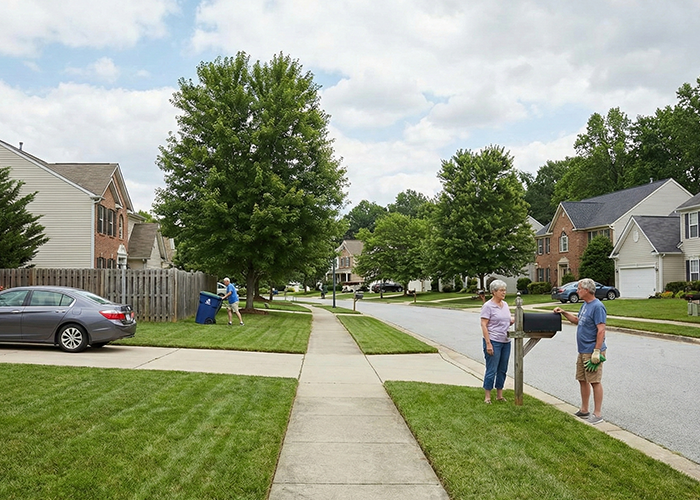
A community can look and feel well-run when expectations are shared and predictable. That sense of order often supports resale appeal, reduces neighbour disputes, and keeps small issues from turning into bigger ones.
More importantly, a fair system protects everyone’s investment. A few unchecked patterns, like neglected exterior upkeep or repeated parking issues, can change the tone of a street faster than most people expect.
The Usual “Curb Appeal” Triggers
Exterior appearance tends to generate the highest number of notices, largely because it’s visible from the street. Paint, siding, fencing, and roofing issues can turn into common HOA violations when routine maintenance gets delayed.
Seasonal changes can create problems, too. Storm damage, sun fading, and normal wear can make a home look “out of compliance” even when the owner has not noticed the change yet.
A quick review of exterior standards helps, especially before a repair or refresh begins. Many communities require approved colours, specific materials, or a formal request before visible work starts.
Landscaping and Yard Standards That Catch People Off Guard
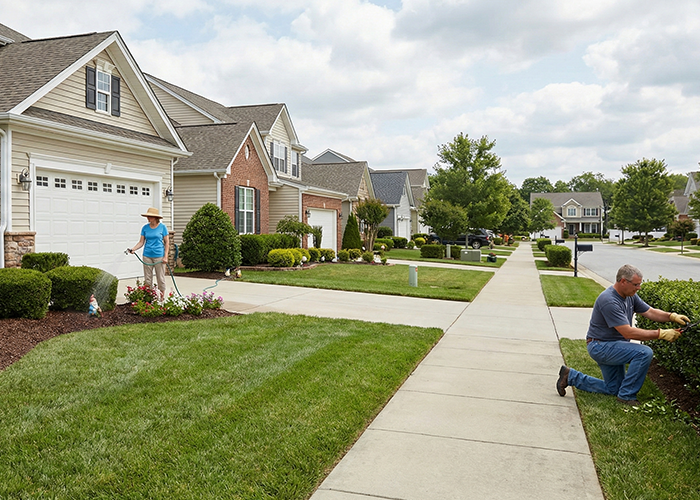
Landscaping rules often exist for safety and appearance, yet misunderstandings are frequent. Lawn height, edging, weeds, dead plants, and tree trimming can all land on a violation notice list.
A surprising number of residents assume yard choices are entirely personal. In practice, design standards may cover plant types, mulch, garden borders, and even the placement of decorative items.
Some associations also regulate irrigation overspray and standing water. Attention to these details can prevent common HOA violations that feel minor but add up quickly.
Trash, Recycling, and “Container Timing”
Trash cans may seem like a small issue, but container rules are among the most frequent enforcement topics. Late pick-ups, missed pick-ups, and windblown debris can make the problem visible for days.
Many communities set specific time windows for placing bins out and bringing them back in. Storage location can matter as well, especially when containers must be screened from view.
A consistent habit helps here. Calendar reminders and a designated storage spot usually reduce repeat notices.
Parking and Vehicle Rules Without the Drama
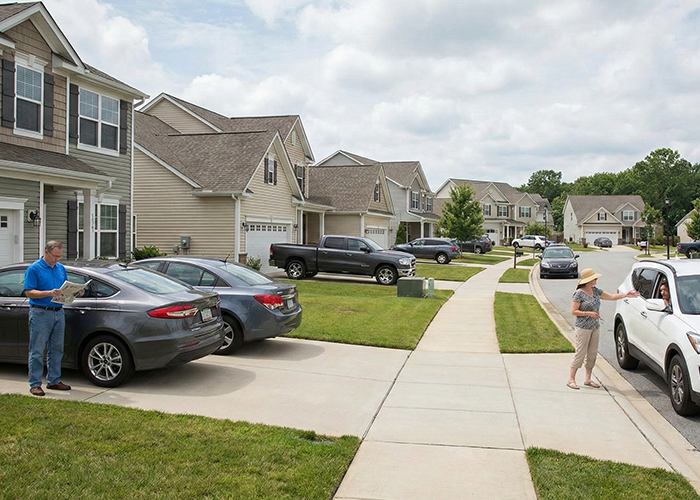
Parking complaints can become emotional because they affect daily routines and guest access. That’s why many associations set firm rules around assigned spaces, street parking, commercial vehicles, and long-term storage.
Guest parking often causes the most confusion. In some communities, guest areas exist but still come with limits, permits, or time restrictions.
Clarity tends to solve most problems. A copy of the parking policy, shared with household members and frequent visitors, can prevent common HOA violations tied to “I didn’t know.”
Noise and Nuisance Issues That Build Over Time
Noise rules are usually written broadly, which can make them tricky. Loud music, late-night gatherings, repeated barking, and even ongoing construction noise can fall into nuisance territory.
The pattern often matters more than the single event. One loud evening might result in a warning, while repeated complaints can lead to hearings and fines.
A respectful approach can help before enforcement escalates. A direct, calm conversation with neighbours can resolve issues early, especially when sound carries more than expected.
Pets, Leashes, and Clean-Up Expectations

Pet rules exist to protect shared spaces and reduce conflict. Leash requirements, pet waste rules, pet limits, and restrictions on certain animals show up in many governing documents.
Confusion sometimes arises around assistance animals. Different laws can apply, and associations often follow a specific process for requests and documentation.
Clean-up standards matter just as much as leash rules. A single missed clean-up can become a recurring complaint when it happens in high-traffic areas.
Exterior Changes and “Silent” Improvements
Small improvements can still require approval, even when they feel harmless. Items like outdoor lights, doors, shutters, satellite dishes, patio covers, and visible security devices often fall under architectural control.
A common frustration shows up when a resident completes a project and learns the approval should have come first. That scenario becomes one of the more expensive common HOA violations, since “fixing it” might require changes or removal.
A short approval request usually saves time. Many boards move faster when plans include photos, materials, colours, and a clear timeline.
Signage, Flags, and Items on Display
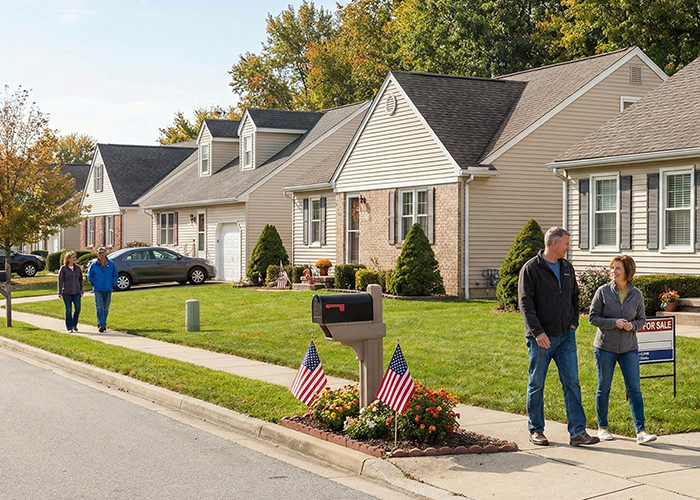
Signs can create disputes because they touch personal expression and community appearance. Real estate signs, political signs, contractor signs, and window postings are often regulated in some way.
Flag rules vary widely. Some associations allow certain flags with size and placement limits, while others set strict guidelines to keep displays consistent.
Seasonal décor can fall into this category as well. Time limits for holiday decorations can surprise residents, particularly when items stay up weeks after the season ends.
Shared Areas and Everyday Courtesy
Rules often extend beyond private lots. Pool behaviour, clubhouse reservations, gym use, hallway storage, and balcony standards can all lead to notices when expectations are not followed.
In many communities, these are the areas where HOA resident violations are most visible. A stroller left in a corridor, items stored on a balcony, or doors propped open can trigger safety and compliance concerns.
A helpful mindset goes a long way. Shared areas work better when residents treat them like an extension of their own home.
A Simple Self-Check Before a Notice Shows Up
A routine check can prevent many common HOA violations, especially the ones tied to visibility and timing. Once a month tends to be enough for most households.
- A walk around the exterior to spot peeling paint, broken fixtures, or visible clutter
- A quick yard scan for weeds, dead plants, and overgrown edges
- A look at trash and recycling habits, including storage and return timing
- A review of parking routines for household members and regular guests
- A reminder to submit approval requests before exterior-facing changes
A small habit like this can also reduce neighbour frustration. Fewer repeated issues often means fewer complaints and fewer conflict points over time.
Staying in the Clear
Most common HOA violations come from misunderstandings, rushed decisions, or routines that drift over time. A quick review of the rules, paired with simple home habits, often prevents the bulk of community violations that lead to notices and fines.
Related Articles: