
Pets brighten daily life in Southern California communities, yet unmanaged pet issues can strain neighbor relationships and distract boards from bigger projects. A clear, well-run HOA pet registration program gives everyone a common playbook that supports safety, accountability, and quick communication.
Most associations already have pet rules, but records often fall behind moves and adoptions. With HOA pet registration, boards and managers gain current information that makes enforcement fair, predictable, and calm.
Why Have HOA Pet Registration?
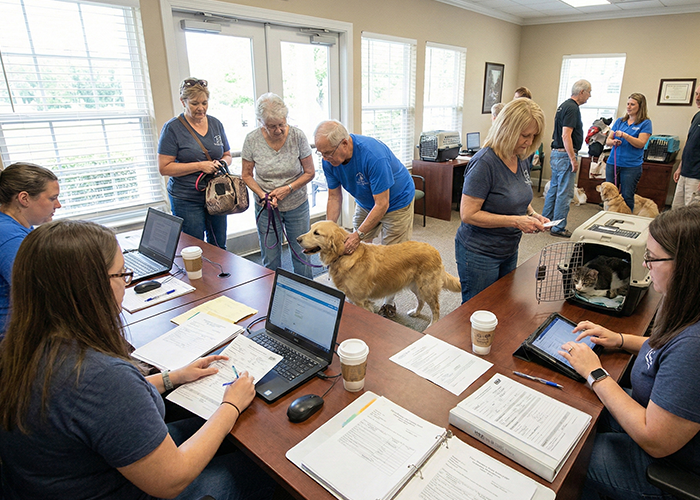
HOA Pet Registration is a simple recordkeeping system that tracks the pets living in the community. The file for each home lists core details like species, photos, vaccines, and contact information for owners. Nothing fancy is required to start, but the records must stay accurate and secure.
Registration is different from general pet rules. Rules set expectations, while HOA pet registration provides the verified data that makes those expectations workable. When a complaint or incident arises, clear records replace guesswork.
A well-structured HOA pet registration program supports three big outcomes. First, enforcement improves because managers can confirm whether a pet is authorized and vaccinated. Second, incident response gets faster, since owners can be reached right away. Third, owners feel more responsible because the community treats pet care as shared stewardship rather than a loose suggestion.
Legal and Fair Housing Considerations in California
California law gives associations room to regulate pets, but it also sets boundaries. Associations may adopt reasonable rules that address health, safety, and nuisance concerns. At the same time, California Civil Code recognizes the right of owners in common interest developments to keep at least one pet, subject to reasonable restrictions.
Service animals and assistance animals require special care. Service animals under the Americans with Disabilities Act are trained to perform tasks for a person with a disability. Emotional support animals fall under fair housing protections and can be approved as a reasonable accommodation when documentation satisfies federal and state standards. These animals are not “pets” under the law, so HOA pet registration requirements should be tailored accordingly.
Policies must avoid discrimination. Overly broad breed bans, arbitrary weight limits, and rules that make accommodations unreasonably hard can create legal risk. Involving association counsel during drafting keeps the rulebook aligned with the Davis-Stirling Act, the Fair Housing Act, and ADA guidance. Regular counsel review is smart whenever the board updates forms or procedures.
Does Your Community Need a Pet Policy?

Every community has a different pet profile. Urban mid-rise buildings may face leash and elevator etiquette issues. Townhome developments might see more concerns about shared courtyards. Single-family associations often focus on dog waste, barking, and off-leash activity near trails.
A short assessment helps focus the solution. Complaints, incident logs, and manager notes can reveal patterns, such as early-morning barking or recurring dog waste near mail kiosks. The board can also look at use of amenities, like whether dogs frequent the greenbelts or the pool deck perimeter.
Governing documents set the baseline. The CC&Rs may already contain pet provisions, while rules and regulations add detail. A successful HOA pet registration program plugs into that structure rather than working around it. Clear goals keep the project on track: fewer complaints, stronger safety, better records, and consistent enforcement that respects due process.
Designing a Clear HOA Pet Registration Policy
Clarity comes from scope. Most communities require all dogs and cats to register. Some include caged pets if noise or escape concerns exist. Visiting pets and pets owned by tenants should be covered as well, with simple options for short stays and disclosures in leases.
Information requirements should be straightforward. Typical items include pet name, species and breed, color and description, a photo, vaccination records, microchip number if available, and proof of city or county licensing where required. Owner contact information, including a secondary contact, helps when time matters.
Fees should match the administrative burden. Many boards keep registration free to encourage high compliance. Others use a modest administrative fee and reserve punitive fines for non-compliance after warnings. Renewal timing should be predictable. Annual updates work well, along with updates when a pet leaves or a new pet arrives. Vaccine records can be refreshed on the same cycle to keep files current.
Consequences of non-compliance must follow the due process rules in the governing documents and California law. Courtesy notices, formal warnings, fines, and hearings create a fair progression that allows owners to correct issues. Links to the fine schedule and hearing procedures on the community website or portal keep the process transparent.
Managing Pet Registration
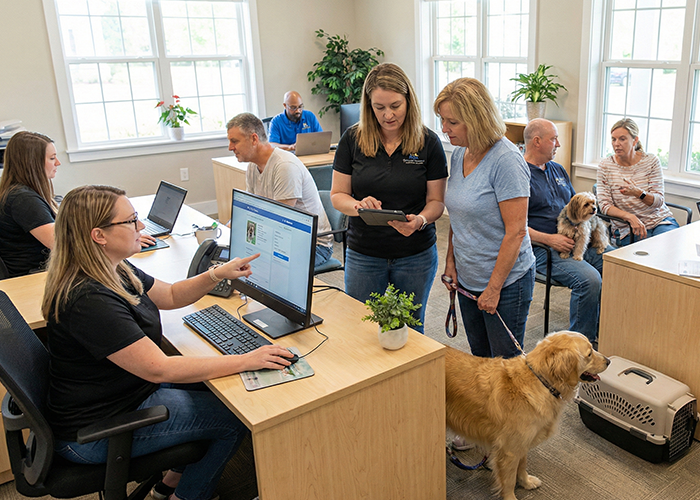
Technology should fit the size and needs of the community. Associations on all-in-one HOA management platforms can activate pet modules that store profiles, documents, and renewal reminders. Smaller associations can start with online forms that feed secure spreadsheets. As records grow, moving to a portal with owner logins avoids inbox overload.
Privacy and security matter. Pet records contain owner contact information and veterinary documents. Access should be limited to staff and board members with a need to know. Clear retention policies help decide what to keep, where to store it, and when to archive it.
Optional features can make life easier. Pet ID tags that include the association name and a unit number help reunite lost animals. Some gated communities connect digital pet profiles to access systems, which supports quick confirmation during incident follow-ups. These extras should stay practical rather than flashy.
HOA Pet Registration Procedures
Owners need a simple path from start to finish. A one-page overview that explains the steps builds confidence. Residents should know where to find the registration form, how to submit documents, and when to expect confirmation. A standard timeline keeps things predictable, such as confirmation within a week of a complete submission.
Hoa pet registration should tie into move-in and onboarding workflows. New owners and tenants can receive the pet form with welcome materials. Landlords can include pet registration language in their leases, so renters understand expectations before they arrive. These touches lower friction and raise compliance.
Roles must be clear. The board sets the policy. Management receives forms, verifies documents, and records approvals. Onsite staff may help with reminders or distribute ID tags if the community uses them. A clean handoff between these roles prevents delays and mixed messages.
Communicating the Pet Registration Program to Homeowners
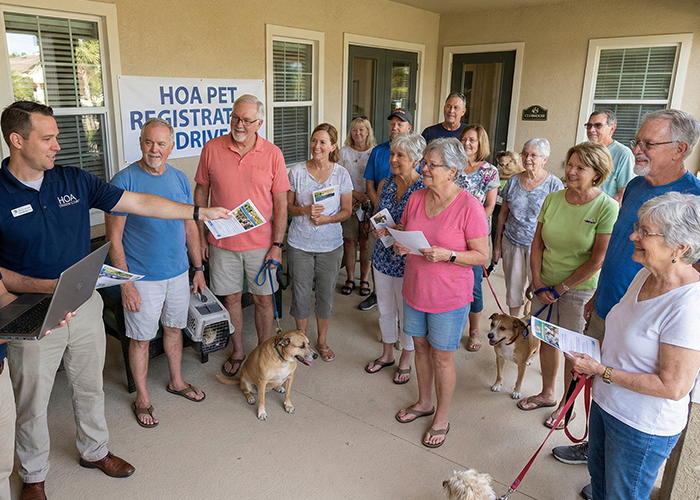
Strong communication turns a new rule into a community habit. A short board announcement can lead the rollout. Follow-up messages can appear in newsletters, email blasts, and portal reminders. A brief note mailed with assessment statements reaches residents who prefer paper.
Tone matters as much as timing. Owners respond better when HOA pet registration is framed around safety, cleanliness, and fairness. The message works best when it explains that registration helps managers contact owners quickly, confirm vaccines, and address complaints with facts rather than assumptions.
Education pieces keep the program visible without becoming noisy. A recurring “Pet Corner” in the newsletter can cover leash etiquette, quiet hours, and dog-waste reminders. Privacy questions deserve clear answers. Residents should know who can access pet records, how the records are stored, and what the association does with the information.
Implementing HOA Pet Registration in Southern California Communities
A smooth rollout uses time wisely. Advance notice gives owners a chance to gather vaccine records and photos. A reasonable grace period for existing pets encourages participation without stress. After the grace period, managers can shift to reminders, then formal notices when needed.
Community-building ideas can raise compliance while building goodwill. Weekend pet registration events with a visiting mobile vaccination clinic create a friendly touchpoint. Fee waivers for early registrants, or small perks like a community tag, help owners act sooner rather than later.
Local rules still apply. Most Southern California counties require dog licensing and up-to-date rabies vaccination. City leash laws and noise ordinances add another layer. A quick summary sheet tailored to the city or county helps residents follow the rules wherever they walk their pets.
Enforcement, Documentation, and Handling Disputes

Fair enforcement feels consistent and predictable. Most associations use a progressive path that starts with a courtesy notice, then moves to a formal warning, fines, and a hearing when problems continue. Each step should cite the specific rule and invite owners to respond or correct the issue.
Good records protect everyone. Managers can log complaints with dates, times, and brief notes. Photos help when appropriate, such as repeated off-leash activity in a posted area. Copies of letters and emails should be kept in the relevant unit file, along with the pet registration entry.
Hoa pet registration supports better outcomes here. Managers can confirm whether a pet is authorized, vaccinated, and tied to the correct unit. Repeat patterns become visible, which helps the board apply the fine schedule fairly. For tough situations like aggressive behavior or ongoing noise, a respectful hearing gives the owner a chance to explain, while the board maintains the community standard.
Maintaining and Reviewing the Program
Programs thrive when they get regular tune-ups. An annual or biennial review keeps forms current and procedures efficient. Metrics help the board see what changed. Useful numbers include total registered pets, registration rate by unit, pet-related complaints, and time to resolve incidents.
Owner feedback can surface easy wins. Short surveys or a comment period during an open board meeting invite practical ideas, such as clearer renewal reminders or an improved photo upload step. Managers often notice friction points first, so their feedback deserves a front-row seat.
Leadership transitions should not reset the program. A short guide for new board members can explain the purpose of HOA pet registration, the legal backdrop, and the daily workflow. With a shared understanding, new leaders can refine the process without losing hard-won progress.
Practical Tips to Know
Clean forms boost compliance. Plain language, simple checkboxes, and a list of required attachments lower confusion. A visual example of a complete submission can help residents get it right the first time.
Renewals go smoother when owners get early reminders. Two reminders spaced a couple of weeks apart are usually enough. A final reminder after the due date, paired with a short grace period, keeps goodwill intact without weakening the rule.
Daily use should feel light. Managers can look up a profile in seconds when a concern comes in. Patrol notes can reference a pet’s profile when a warning is issued. Owners can update a photo or vaccine date without starting from scratch.
Special Situations: Rentals, Long-Term Guests, and Short-Term Stays
Rental homes introduce extra steps. Landlords should disclose any pets in the lease application stage and provide copies of the lease clauses that mirror community rules. Tenants then register pets through the same process. Clear contact points for both owner and tenant keep communication quick.
Long-term guests with pets benefit from a streamlined approach. A short guest pet form with key items, like proof of vaccination and length of stay, keeps the file accurate without a heavy lift. Short-term stays may not require formal registration, but a disclosure helps managers respond to questions if something happens.
Travel season adds unique challenges. Visitors, deliveries, and extra cars change routines. Pet reminders placed near elevators and lobbies help keep leashes on and noise down during busy weeks. Even communities that never see a snowy parking lot can reference winter holidays when pets accompany visiting family members and routines change.
Health, Safety, and Community Etiquette
A thoughtful HOA pet registration program pairs rules with shared norms. Leashes in common areas, quiet hours during the night, and firm dog-waste expectations set a respectful tone. Clear signage near lawns and along pathways reinforces the message without scolding.
Vaccination records protect the whole community. Rabies shots remain the core requirement across Southern California. Owners who keep their files current make common-area use safer for people and pets. Microchips help reunite lost animals faster, which can be highlighted during onboarding.
Seasonal notes round out the safety picture. Rainy weeks bring muddy trails and slippery sidewalks. Mountain and high-desert communities may deal with a winter parking area maintenance plan that changes walking routes. Simple, well-timed reminders help everyone adjust without friction.
A Pet-Friendly, Well-Managed Community
Southern California communities can stay both pet-friendly and orderly with a practical HOA pet registration program. Viewed as an ongoing partnership rather than a one-time rule, HOA pet registration strengthens safety, reduces conflict, and helps managers solve problems before they grow.
Looking for professional support in managing HOA pet registrations? Personalized Property Management offers HOA management services around Southern California. Call us at 760-325-9500 or email us at info@ppminternet.com for more information!
Related Articles: