
Vacant lots in neighborhoods can quickly become a detriment to the community. If they’re neglected, they become an eyesore and a possible safety risk for everyone in the community. If that were the case, should the HOA mow vacant lots?
What are Considered Vacant Lots?
Simply put, vacant lots are areas or parcels of land in a neighborhood that are undeveloped. This means no residential (or commercial, if in a mixed-use community) structures are standing on that piece of land.
Usually, vacant lots are privately owned, whether by a private individual, the developer, or an investor. They differ from common areas in HOA neighborhoods, which the HOA itself handles.
Because vacant parcels of land don’t have buildings yet, they tend to be easily overlooked. When this happens, they become both an eyesore to the community and a danger to people’s safety.
Why Neglecting HOA Vacant Lots is a Bad Idea
Any area that is unkempt or neglected in a neighborhood hurts the community. From property values going down to safety risks, here are reasons you shouldn’t overlook vacant lots in your HOA community.
Fire Hazards
In many overlooked empty lots, weeds and brush tend to grow and thrive. If left unmanaged, this can easily spread into adjacent lots.
With that much unmanaged foliage comes a considerable fire hazard. In places like Southern California, which may experience dry weather, that foliage can dry up. These leaves can easily start or become fuel for any wildfires that may start, causing damage to the lot and possibly nearby homes.
Health and Safety Risks
Many pests, such as mosquitoes and rats, thrive in empty, overgrown lots. If left alone, a vacant lot can become a breeding ground for diseases carried by these animals. The worst part is that this could easily affect nearby properties and their residents if not handled immediately.
Negative Curb Appeal
Another possible reason why one may ask “Should HOA mow vacant lots?” is the negative effect of unkempt properties on curb appeal. No matter how pristine the rest of the neighborhood looks, one overgrown empty lot can ruin that.
With negative curb appeal, potential homeowners may be less inclined to choose your community and move in. Not only do you have an eyesore with a neglected lot, but your property value also plummets.
Who is Responsible?
Who has the responsibility of mowing? Should the HOA mow the vacant lot if it’s unkempt and is affecting the community as a whole?
In most HOAs, the person responsible by default is the owner of the property, even if it’s undeveloped. The association only maintains common areas and shared amenities.
Most local governments in Southern California also place this burden on the “owner of the record.” They need to keep the vacant property clear of weeds and trash, which will help minimize any safety hazards.
There are rare occasions when the HOA has the responsibility. However, in those situations, this is written in the governing documents. With these arrangements, the HOA would be responsible for landscaping services for all properties, vacant or not. The expenses for this are usually part of the HOA dues.
What If Owners Don’t Maintain Their Lot?
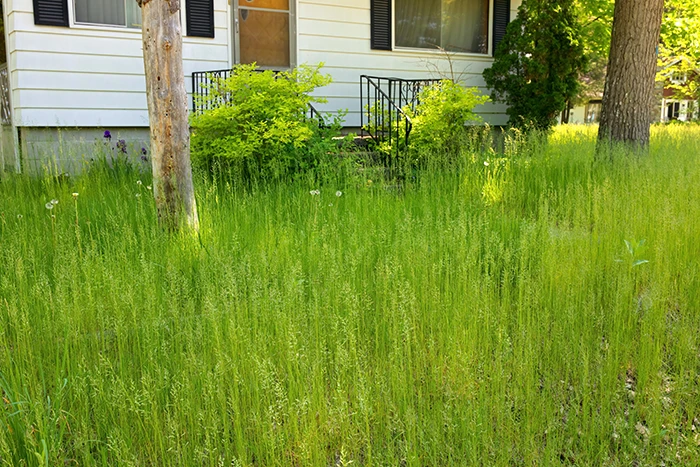
If a lot is overgrown or unsafe and the owner doesn’t fix it, the board can move through these steps.
1. Violation Notice
Send a clear letter to the titled owner. Cite the exact CC&R section, describe what you saw, attach date-stamped photos, and give a firm deadline.
For routine lawn and weed issues, 10 to 30 days is typical. At the same time, fire hazards may require less time under local codes.
As part of the notice, explain how to contact the HOA, what happens if the deadline is missed, and the owner’s right to a hearing.
2. Hearing Opportunity (Civil Code §5855).
If the owner disputes or doesn’t respond, offer a hearing with at least 10 days’ written notice that lists the violation and possible actions. Let the owner present evidence or a cure plan. The board deliberates in closed session and sends a written decision within 15 days, including any deadlines or fines. Keep minutes and exhibits.
3. Self-help and Cost Recovery
If the CC&Rs allow and the problem remains, the HOA may do limited abatement.
For this, you should give advance notice of the date and scope unless there’s an immediate safety risk. Use a licensed, insured contractor, take before/after photos, and do only what’s needed (mowing, weed removal, debris haul-off). Bill the owner the actual, reasonable cost and any permitted admin fee, with time logs and invoices to back it up.
4. Fines and Penalties
For continued noncompliance, levy fines under an adopted, properly noticed penalty schedule. Each fine still requires notice, a chance to be heard, and a written decision. Escalate for repeat or ongoing issues, and stop fines once the issue is resolved. You may suspend common-area privileges if the documents allow.
5. Lien and Collection
If reimbursable costs or other sums go unpaid, proceed to collections. In California, send a pre-lien letter with the disclosures in Civil Code §5660 at least 30 days before recording a lien. The owner may meet with the board, request IDR, and dispute the debt.
Fines are generally not lienable for foreclosure. However, reimbursement assessments for abatement may be collected like assessments if your documents and the Davis-Stirling Act permit. Meanwhile, foreclosure will require statutory thresholds.
As best practice, you should work with your HOA’s legal counsel or your collection agent.
6. Local Government Involvement
In high fire-hazard areas or where weeds and debris violate codes, agencies such as CAL FIRE or county code enforcement can cite, order abatement, or arrange work and add costs to the tax roll. Align your timeline with local weed-abatement calendars and defensible-space rules.
Something to Remember in Between Steps:
Re-inspect soon after the deadline, document any change, and send either a closure note or the next notice. Clear timelines, photos, and consistency resolve most cases without escalation.
Self-Help Enforcement: When the HOA Mows Vacant Lots Themselves
Sometimes, associations decide it’s easier to handle the problem directly. But this comes with pros and cons.
Why HOAs Step In
When the HOA mows vacant lots itself, it is trying to preserve the visual and environmental quality of the community. Quick action helps prevent further issues like neighbor complaints or fire risks. It also ensures that community standards are upheld without waiting for a possibly uncooperative owner to take action.
Making Effective and Practical HOA Vacant Lot Policies
Clear rules for vacant lots help everyone know what’s expected and give the board a fair, consistent way to act when there’s a problem. A good policy also reduces arguments and protects the association if disputes arise.
What to include
- Define the basics. Spell out what counts as a “vacant lot” and what “neglect” looks like (for example: overgrown vegetation, piled debris, or obvious safety hazards).
- Set an inspection plan. Note how often the HOA will check lots, what items are on the checklist, and how conditions will be documented (photos, dates, notes).
- Give a clear timeline. State how long an owner has to fix an issue after being notified, and how to request more time if there are legitimate delays.
- Explain enforcement. Describe the steps the HOA will take if problems aren’t addressed: how notices are sent, the owner’s right to a hearing, possible fines, and when the HOA may arrange the work and bill the cost back to the owner (“self-help”), with records kept throughout.
Keep the tone firm but fair, use plain language, and apply the same process every time. Consistency is what makes the policy work.
Alternatives to HOA-Managed Mowing
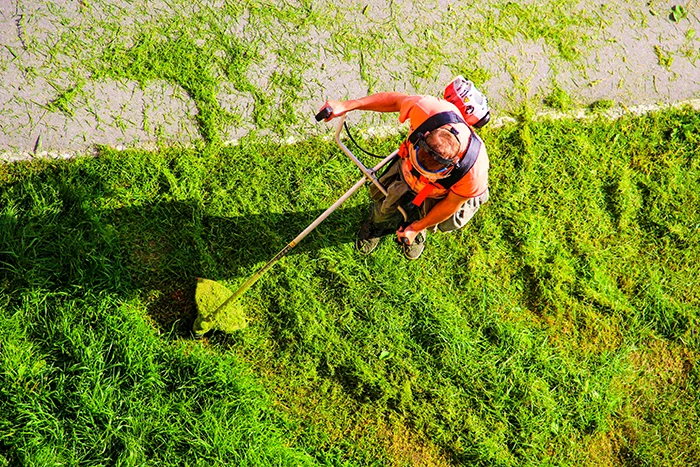
While direct intervention works in some situations, there are alternative approaches that may be more sustainable or cooperative in the long run.
Contracted Services Paid by Owners
The HOA can manage a master contract with a landscaping company and assign mowing services to vacant lot owners. The HOA then bills each owner individually based on service use. This streamlines vendor management but keeps financial responsibility with the lot owner.
Owner Incentive or Opt-In Programs
Some associations offer early-compliance discounts or other perks for proactive owners. Others form volunteer beautification groups to help with occasional cleanups, especially if a lot is abandoned or in probate.
Education and Awareness
An informed community is more likely to comply. Regular newsletters, board meeting announcements, or community forums can highlight the importance of vacant lot maintenance. Promoting neighborhood pride may also encourage owners to do their part.
Best Practices for HOA Boards
Successful enforcement and policy management start with preparation. Here are a few best practices every board should follow.
Review Governing Documents
Before taking any action, double-check what your CC&Rs and bylaws allow. If the language is vague or unclear, consult your HOA attorney to avoid overstepping your authority.
Standardize Enforcement
Consistency is key. Use pre-drafted templates for notices, set clear deadlines, and follow a step-by-step process for all violations. This protects the HOA from claims of selective enforcement or bias.
Keep Records
Maintain logs of complaints, inspection results, notices sent, and any corrective action taken. These records are vital if the association faces legal challenges or disputes from owners.
Maintaining Appeal
Should your HOA mow vacant lots? It depends on who’s responsible, what your rules allow, and your budget. A clear, lawful plan prevents disputes, protects values, and keeps the neighborhood looking cared for.
Need professional help with handling unmaintained vacant lots in your HOA? Personalized Property Management offers HOA management services around Southern California. Call us at 760-325-9500 or email us at info@ppminternet.com for more information!
Related Articles: