HOA Parking Rules The Community Should Know

Parking isn’t always simple in an HOA community. From guest spots to garage storage battles, parking is one of the most common issues that homeowners and boards face. That’s why it’s so important to understand your community’s HOA parking rules and how they work.

What Makes HOA Parking Rules a Big Deal?

You might not think much about parking until it becomes a problem, but in an HOA, parking rules help keep things running smoothly. They prevent clutter, reduce tension between neighbors, and ensure that emergency vehicles can access the area if needed.

In California, most homeowners associations have parking rules written right into their governing documents. These rules are there to protect the community’s safety, order, and even property values.

The Different Types of Parking Spots in HOAs

Before we dive into the rules, let’s break down the kinds of parking you’ll usually find in an HOA community:

  • Assigned Spaces: These are reserved for certain homes or units. You won’t usually be able to park here unless it’s your designated spot.
  • Unassigned or Common Parking: Available to anyone on a first-come, first-served basis.
  • Guest Parking: Reserved for visitors only—these often come with time limits or require a pass.
  • Street Parking: May be public or private. The difference matters (we’ll explain more below).
  • Driveways and Garages: Often expected to be used for parking, not just storage.

Knowing which space is which can save you a lot of stress—and maybe even prevent your car from getting towed.

What HOA Parking Rules Usually Cover

So, what exactly do HOA parking rules in California typically say? Here’s a look at the most common ones you’ll run into:

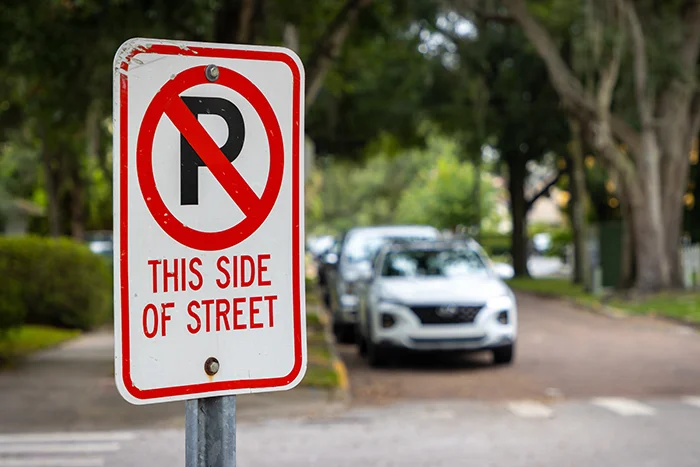
  • No parking in front of fire hydrants or fire lanes
  • Restrictions on street parking overnight or for extended periods
  • Guest parking limitations or required permits
  • Rules requiring homeowners to use their garage for cars, not storage
  • Bans on RVs, boats, and work vehicles in community areas
  • No inoperable, unregistered, or unsightly vehicles

Some of these rules might seem strict, but they usually serve a purpose, like keeping emergency access clear or preventing the community from looking like a parking lot.

Street Parking: Who’s in Charge?

One of the most confusing parts of HOA parking is figuring out who controls the street—your HOA or the city.

  • Private Streets: If your HOA maintains the road, they also control the rules. They can limit parking, require permits, or restrict overnight use.
  • Public Streets: If the street belongs to the city or county, the HOA typically can’t enforce its own rules there unless local authorities give them that power.

If you’re not sure which type your community has, check with the board or management. This detail makes a big difference in how rules are enforced.

Garage and Driveway Parking
house with garage | hoa parking rules

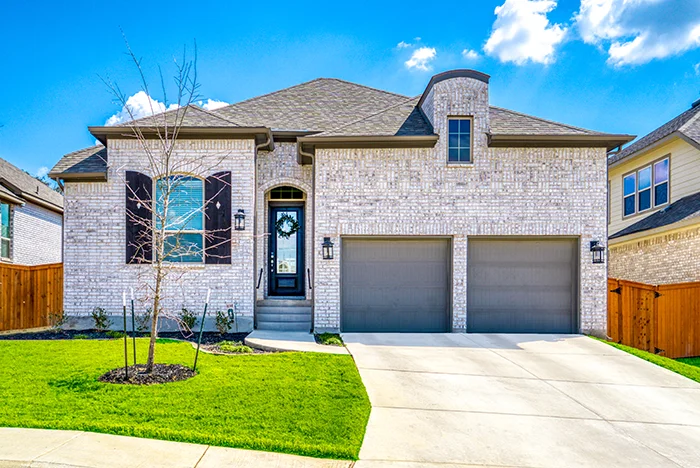
Many homeowners consider garages as an additional storage space. But in many HOAs, that space is actually part of the required parking.

Some communities even have rules stating that garages must be used for parking, not storing boxes, tools, or holiday decorations. Courts in California have upheld these rules when applied fairly, as the goal is to prevent streets and parking spots from becoming overcrowded.

So if your CC&Rs say you need to park in your garage, it’s best to clear out space and follow through.

Guest Parking

Few things stir up more debate than guest parking. Many communities struggle with residents using guest spots as overflow for their cars, which can leave actual guests with nowhere to park.

To keep things fair, most HOAs create clear guest parking rules, such as:

  • Limiting use to short visits (like 24 or 72 hours)
  • Requiring temporary permits or passes
  • Prohibiting residents from using guest spaces at all
  • Enforcing penalties or towing if the rules are broken

It’s a good idea for boards to post clear signage and send reminders. And for residents, it’s worth knowing your guest policy before you invite people over.

Oversized Vehicles and Work Trucks: What’s Allowed?

Most HOAs have some limits on what types of vehicles can be parked in the community. That includes:

  • RVs and trailers
  • Boats
  • Commercial vans or trucks
  • Vehicles with signs, tools, or ladders attached

These HOA parking restrictions are usually about keeping the neighborhood looking tidy and making sure big vehicles don’t block views or take up extra space. If you’re planning a big move or need a work truck for a day or two, ask the board for a short-term exception first.

What Happens If You Break the Rules?

Breaking the HOA parking rules doesn’t automatically mean you’ll be towed or fined on the spot. In California, the process is guided by the Davis-Stirling Act, which lays out fair procedures that every HOA must follow before taking any enforcement action. Homeowners are legally entitled to advance notice and a chance to respond before any penalties are issued.

Here’s how the process typically works:

  • First Notice or Warning: If the board or management notices a violation, like parking in a fire lane or misusing guest parking, they’ll usually send a written courtesy notice. This letter will describe the issue, reference the specific rule, and ask you to correct it within a reasonable timeframe.
  • Hearing Notification: If the problem isn’t resolved or it happens again, the HOA must send you a formal notice inviting you to a disciplinary hearing. You’ll have at least 10 days to prepare, and you’ll have a chance to present your side of the story to the board before any fines are decided.
  • Fines or Penalties: After the hearing, if the board determines that a violation did occur, it may issue a fine. Alternatively, they may impose other penalties based on the HOA’s published fine schedule. Repeated or serious offenses can lead to increased fines.
  • Towing: If your vehicle is parked in violation of posted restrictions, such as blocking a fire lane, using unauthorized guest parking, or being left in a prohibited area, the HOA may arrange for it to be towed. However, they must comply with California law, including posting the required signage and properly documenting the violation.

HOA boards should consistently, transparently, and thoroughly enforce parking rules. That means keeping written records of each step, treating all residents equally, and avoiding selective enforcement. Additionally, skipping steps or applying rules unfairly can lead to homeowner disputes, damaged trust, or even legal challenges.

Fair Housing and Parking Accommodations

Sometimes, a homeowner may need a parking space closer to their unit due to a disability. Under fair housing laws, the HOA may be legally required to provide a reasonable accommodation, even if that means making an exception to the usual rules.

If a request like this comes up, boards should approach it carefully and consult their attorney. They should also avoid rushing to deny it. These cases are protected by law and must be handled with respect and in accordance with the law.

Smart Practices for Everyone in the Community
no parking sign | hoa parking rules

Whether you’re on the board or just trying to find a spot near your home, following a few best practices can make life easier for everyone:

If you’re on the board:

  • Review and update your parking rules once a year
  • Make sure the signs are clear and the rules are posted online
  • Track violations and complaints consistently
  • Educate new residents about the parking policy when they move in

If you’re a homeowner or resident:

  • Read your community’s parking rules—don’t rely on word of mouth
  • Use your garage or assigned space before parking in common areas
  • Respect guest spots and don’t bend the rules for convenience
  • Reach out to the board if you need a temporary exception

Parking Considerations for California HOAs

California has some of the most detailed HOA laws in the country, which include rules regarding parking enforcement. The Davis-Stirling Act guides HOA parking rules in California, and it outlines how associations must notify residents and handle violations.

Some of the most important points to know:

  • Homeowners must get 10 days’ notice before a disciplinary hearing (Civil Code §5855)
  • Associations must give members 28 days to comment before adopting or changing rules (Civil Code §4360)
  • Tow-away zones must follow signage requirements from the Vehicle Code §22658
  • Rules must be reasonable, clearly communicated, and applied fairly

If boards skip these steps or enforce rules inconsistently, they risk losing enforcement power. They may also be taken to court.

Tech Solutions for HOA Parking

Technology is making it simpler for HOAs to manage their parking rules. With apps and online platforms, you can:

  • Track guest permits digitally
  • Let residents request temporary parking or accommodations online
  • Submit violation reports or request towing through an app
  • Keep a log of every communication and enforcement step

These tools improve efficiency while building trust by making enforcement more transparent and consistent.

Clearing Up the Confusion

Parking issues might seem minor, but they can create big headaches if the rules aren’t clear, fair, and well-managed. By understanding your HOA parking rules, you also easily avoid unnecessary conflict.

Need professional management services for your HOA community? Personalized Property Management offers HOA management services around Southern California. Call us at 760-325-9500 or email us at info@ppminternet.com for more information!

Related Articles:

HOA Backyard Rules For California HOA Communities

clean backyard design | hoa backyard rules

As part of their responsibilities, many HOAs implement specific HOA backyard rules for the use and appearance of their space. While these rules promote harmony within communities, homeowners sometimes find them restrictive. 

Can HOAs Tell You What to Do in Your Backyard?

Does the HOA have the right to tell homeowners what they can and can’t do on their own property? The answer mostly depends on the governing documents of the HOA and state laws. Your community’s governing documents outline what is permitted within the community, and homeowners agree to follow these rules when purchasing property in an HOA neighborhood.

However, homeowners also have the right to petition for changes to HOA policies. If backyard rules are particularly restrictive or outdated, homeowners can propose amendments during meetings with the association. 

California State Laws and HOA Regulations

While HOAs usually have the authority, their power is not absolute. California’s laws, such as the Davis-Stirling Act, ensure that HOA policies cannot infringe on a resident’s fundamental property rights. 

Regarding backyard rules, several provisions in the law may apply, dictating what HOAs can and can’t impose on homeowners.

For example, California Civil Code §4746 protects a homeowner’s right to reasonable modifications for energy efficiency. These include the installation of renewable energy sources like solar panels. 

Another example is Civil Code §4750, which ensures homeowners can maintain and cultivate personal gardens in their backyards. However, that stipulation also mentions that the association may still impose specific aesthetic or safety restrictions. 

One unique stipulation in California law prohibits associations from enforcing rules that impose water-intensive landscaping (Civil Code §4735). This stems from the state’s climate, where droughts are becoming more frequent. The said provision ensures that homeowners can implement drought-resistant landscaping without penalty. 

Common HOA Backyard Rules in California

Like many other states, California’s HOAs may still impose some restrictions on a homeowner’s backyard. They are permissible as long as they abide by state and federal laws and as long as they’re outlined in the HOA’s governing documents.

When it comes to HOA communities, California’s legal framework tries to strike a balance between the limitations HOAs can impose and homeowner freedoms. Often, they would do so by protecting a homeowner’s right to have something as long as it is regulated or approved by the HOA. 

Here are some common HOA backyard rules that are in effect in many communities in California.

Landscaping Requirements

green landscape | hoa backyard rules

One of the most common policies that can dictate what residents can do in their backyards is landscaping. Usually, HOAs have rules about landscaping to keep the community’s visual appeal and uniformity.

Landscaping requirements include what plant species are allowed, policies on law maintenance, and the prohibition of planting invasive species that may ruin local wildlife. 

Of course, some of the special provisions in California’s civil code also apply when it comes to landscaping. One previously mentioned rule is that HOAs are not allowed to impose homeowners on having water-heavy landscaping. 

When it comes to this, HOAs may encourage homeowners to do Xeriscaping instead, which involves landscaping an area that needs little irrigation. They may also encourage the planting of native plants. These alternatives help homeowners maintain aesthetically pleasing outdoor areas, which can still align with HOA policies. 

Backyard Structures

Other than landscaping, HOAs also commonly have rules on what backyard structures, temporary or permanent, a homeowner may have. The standard rules for HOAs may include restrictions on sheds, pergolas, or gazebos. For such structures, the association would typically require homeowners to submit plans for approval before construction. These regulations aim to prevent structures that might clash with the community’s architectural standards.

A homeowner’s right to build accessory dwelling units (ADUs) in their backyard is protected by law. These are put in place in efforts to help address housing shortages. Given this protection, HOAs are disallowed from prohibiting ADUs, but they can still enforce architectural and visual restrictions as long as they are reasonable. 

Given this, HOA residents looking to build ADUs in their backyard must still undergo the association’s approval process, which may include outlining design aspects and materials for the HOA to review. 

Backyard Chickens in HOAs

It may be amusing to think about raising backyard chickens in HOA communities. Some may even find it ridiculous and assume everyone outright prohibits this. However, you’d be surprised to know that in some communities, this is allowed.

In California, there are a number of HOAs that allow backyard chickens. Still, these are under strict conditions, such as a limitation on the number of chickens and restrictions on roosters due to noise concerns. The policies vary per area, so it is also best to check with local authorities.

Raising chickens in your backyard is somewhat protected in areas of California, thanks to the state’s Right to Farm Act. This law protects a person’s rights to engage in agricultural activities, even in HOA communities, including raising chickens. However, these protections aren’t absolute since noise, sanitation, and aesthetic concerts may overlap. 

Noise and Privacy

angry man | hoa backyard rules

Noise and privacy concerns among homeowners often result in related HOA policies being made to address them, including ones about backyard usage. Such policies can include limits on using sound systems, hosting outdoor parties, or the height of fences and hedges in your backyard. The association may also have rules regarding security camera placement in your backyard to ensure they don’t infringe on neighbors’ privacy.

Decorative Features and Lighting

Many HOAs have regulations on backyard decorations, including lawn ornaments, fountain installations, and holiday decorations. While these rules are intended to maintain a cohesive aesthetic, they can feel overly restrictive to homeowners who want to personalize their spaces.

The law generally points to HOA policies regarding decorations and lighting in California. The HOA’s governing documents can outline what a resident can and can’t do when installing holiday lights or security features. 

These need to adhere to both HOA limitations and safety guidelines.  Additionally, the HOAs may also restrict how long lights can be on and the intensity of decorative lighting to avoid conflicts between neighbors.

Pools, Hot Tubs, and Play Structures 

happy kids playing | hoa backyard rules

HOAs also commonly regulate the installation and upkeep of recreational backyard structures like pools, hot tubs, and play structures like basketball hoops and trampolines. Before homeowners can put these up, the association often requires them to get approval first. They must also meet safety requirements and adhere to noise restrictions for maintenance equipment. 

Tips for Homeowners Navigating HOA Backyard Rules

Understanding and complying with HOA neighborhood rules can be daunting, but these tips can help:

  • Review Governing Documents: As a homeowner, you must familiarize yourself with the CC&Rs, bylaws, and other governing documents. These documents usually outline what the HOA allows.
  • Try to Have Open Communication: If you’re unaware of the rules or unsure whether you understand them, try to communicate with the HOA to clarify them. You may also try to request an exception, and the best way to do so is by contacting the HOA.
  • Know Your Rights: As a homeowner, you still have your rights. As such, you can familiarize yourself with California laws regulating HOA policies to protect your rights.
  • Documentation is Crucial: To avoid miscommunication and misunderstanding, it is best practice to keep documentation records. These records may include HOA communications, landscaping, architectural approvals, and exemptions.
  • Propose Policy Changes: If you think HOA rules seem overly restrictive, work with neighbors and the HOA to propose reasonable amendments.
  • Use Approved Vendors: For projects requiring HOA approval, consider using vendors familiar with HOA compliance to streamline the process.

Creative Solutions Within HOA Guidelines

At first, backyard restrictions may seem to limit a resident’s creativity regarding the appearance of their own homes. However, they can also reframe the mindset and find other creative means to personalize their backyards while adhering to HOA rules. 

Here are some suggestions:

  • Landscaping: Instead of using plants that require a lot of irrigation, why not opt for drought-resistant plants? Xeriscaping is a great way to ensure that your backyard plants comply with HOA guidelines while reducing water usage.
  • Decor: When it comes to decor, instead of insisting on using ones that the association disallows, you can instead work with HOA-approved items to personalize your home.
  • Entertainment Areas: As a homeowner, you can design your outdoor spaces to meet noise and privacy rules while providing functional and appealing areas for relaxation.

Balancing Rights and Limitations

Navigating HOA backyard rules in California calls for a certain level of understanding regarding state laws, HOA limitations, and individual property rights. By staying informed and collaborating with HOA boards, homeowners can easily find ways to enjoy and personalize their backyards while contributing to the neighborhood’s overall visual appeal. 

Personalized Property Management can help with enforcing rules in HOA communities around Southern California. Call us at 760-325-9500 or email us at info@ppminternet.com for more information!

Related Articles: