
Life on an HOA board can feel like a part-time job, and the chair at the front of the room often gets the most attention. An HOA board president helps the board stay focused, keeps meetings productive, and makes sure decisions turn into real follow-through.
What an HOA Board President Really Does
In most communities, the HOA board president is the meeting lead, the point person, and the tone-setter, all at once. That role can look powerful from the outside, yet most authority still sits with the board as a whole, not one officer.
A steady approach matters because homeowners watch how the chair handles conflict, questions, and pressure. Clear process, calm language, and fair treatment tend to lower drama over time, even when the topic is sensitive.
The HOA board president also becomes the face of the board in everyday moments, from vendor walk-throughs to short updates to residents. Some communities call this role the HOA president, but the title does not change the core idea: leadership comes through structure, not control.
How the Job Is Defined
Most responsibilities come straight from the association’s governing documents. Bylaws often spell out who calls meetings, who signs certain documents, and how officers are chosen, removed, or replaced mid-term.
State law can add rules around notice, open meetings, and records. House rules and board resolutions can also shape the job, especially when the board sets policies for spending limits, vendor approval, or owner communications.
A simple truth can get missed in the noise: the board runs the association, not one officer. Good presidents understand that limits protect everyone, including the person holding the gavel, and that clarity reduces second-guessing later.
The Meeting Room Is the Main Stage

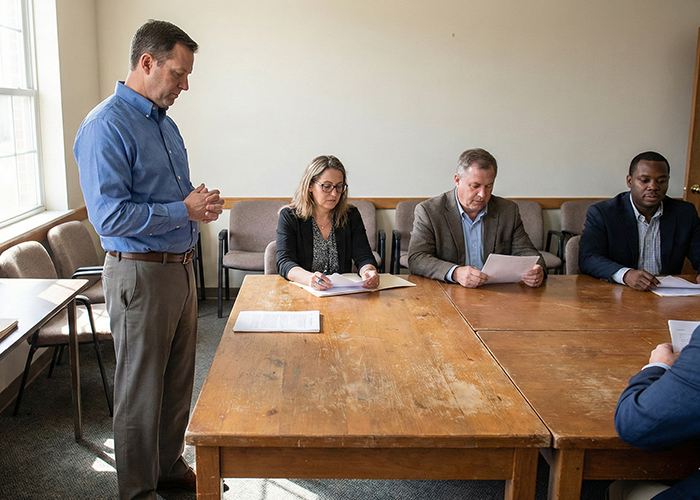
Meetings are where the board shows its work, so the chair’s habits matter. Agendas keep discussions from drifting, and basic parliamentary procedure keeps debate from turning into a free-for-all.
Preparation usually starts days before the meeting. Reports from management, the treasurer, and committees deserve a quick read in advance, and a short list of questions can be drafted before everyone sits down.
A few meeting practices tend to separate smooth boards from stressful ones:
- An agenda shared early and followed closely
- Motions stated clearly before a vote
- An open forum that stays within the rules
- A wrap-up that confirms next steps and owners
Keeping Meetings Fair
Fair meetings are not just about speed. Equal time, clear rules, and a neutral tone help owners feel heard, even when the answer is “not right now.”
A strong chair keeps the focus on the motion, not the personalities. Side arguments can be parked for later, and repeated comments can be redirected with a simple reminder of the agenda.
Good minutes support that fairness. Clear motions and recorded votes make it easier to explain decisions later, and they reduce the chance that the same issue returns month after month.
Leadership Between Meetings

Outside the meeting room, follow-through becomes the real test. Tasks often get delegated, deadlines get set, and updates need to come back to the board, or progress stalls.
A helpful habit involves short check-ins with the community manager or the board officers between meetings. The goal is not control; the goal is to keep work moving so the next meeting is not spent rehashing old items.
Tone also gets set in the quiet moments. Calm replies, consistent expectations, and an even pace can prevent small issues from turning into personal battles.
Committees Keep the Work Moving
Committees can take pressure off the board and pull more neighbors into the community. Landscaping walks, social events, architectural reviews, and rules updates often move faster when a small group does the legwork.
The chair’s role usually involves setting direction and making sure the committee knows its limits. A simple committee charter, even in plain language, can state the task, the timeline, and who reports back to the board.
Volunteer energy can fade when roles stay vague. Clear expectations, regular updates, and appreciation during meetings can help keep people engaged without burning them out.
Working With a Community Manager

Many boards rely on professional management, and that partnership changes the day-to-day flow. A manager can handle calls, coordinate vendors, track violations, and prepare meeting packets, while the board makes the decisions.
A strong working relationship starts with clear lanes. Operational questions often belong with management, while policy questions and major spending choices belong with the board.
The HOA board president often acts as the main contact for management, especially when quick direction is needed. That communication works best when the rest of the board stays in the loop through reports, emails, and meeting updates.
Money Moves and Paper Trails
Finances are not just the treasurer’s problem. Budgets, reserve plans, and major repairs touch every board member, and the chair often helps keep the discussion practical and respectful.
Signatures come up more than people expect. Contracts, bank documents, and official letters may require the president’s name, yet signing power should follow the board’s vote and the bylaws, not a personal preference.
Emergency decisions also need guardrails. Spending thresholds, approval steps, and a clear record of why something was urgent can protect the association when owners ask questions later.
Fairness and Clear Boundaries
Every board member owes duties to the association, and the chair is not exempt. Conflicts of interest should be disclosed early, and votes should be avoided when a personal benefit is involved.
Consistency matters in rule enforcement. Owners notice selective attention, and uneven treatment invites pushback, so written standards and the same process for everyone make life easier.
Confidentiality also plays a role. Delinquencies, legal issues, and personnel matters should stay in executive session, and private details should not be discussed casually outside the meeting.
Handling Pressure Without Creating More
Complaints will happen, even in calm communities. A predictable process keeps stress from landing on one person’s shoulders, and it gives owners a clear path for requests.
Hard moments often show up in meetings. A respectful chair can stop personal attacks, bring debate back to the motion, and remind everyone of the rules, even when voices rise.
Support from the rest of the board matters too. When the chair feels isolated, decisions can start getting made in side conversations, and that is where distrust grows.
If the Seat Changes Hands

A change in officers does not always mean a community crisis. Many bylaws allow the board to select officers from among the directors, which means the chair can be replaced by a board vote without a full membership election.
A clean handoff protects the association. Access to bank platforms, signature cards, and management portals should be updated quickly, and ongoing projects should be documented so nothing is lost in transition.
The HOA board president role can also be shared more effectively after a change. Clear expectations for meeting leadership, communications, and spending approvals help the board reset without reliving old arguments.
A Healthy-Term Checklist
A simple self-check can keep a term from drifting. Each item below can be reviewed monthly without much effort, and the pattern tells a story over time.
- Meeting packets were reviewed before discussion
- Votes were recorded and followed with clear action items
- Owners received consistent updates through approved channels
- Vendor work was tracked against the approved scope
- Sensitive issues stayed in executive session when required
- Board decisions matched the governing documents
The HOA board president does not need to be the loudest voice in the room. A steady pace, a clear process, and honest communication usually do more than any grand speech.
The Calm Center
The HOA board president role works best when structure leads and ego stays out of it. Over time, a consistent chair helps the board earn trust, and that trust makes every future decision easier.
Related Articles: