Common HOA Violations to Look Out For and Avoid

Most owners want to enjoy their home without unexpected notices or fees, yet common HOA violations can sneak up on even well-meaning residents. A little awareness goes a long way, especially in communities where standards are meant to protect property values and day-to-day comfort.

Common HOA Violations: the Basics

The phrase common HOA violations usually refers to rule breaches that show up again and again across many communities. The details can vary, though, because every association has its own governing documents, design guidelines, and enforcement process.

A clear picture starts with one simple idea: rules apply to the whole community, not just a single home. Consistent enforcement tends to matter, since selective enforcement can create conflict and confusion.

Why Rules Still Matter When Life Gets Busy

hoa resident violations

A community can look and feel well-run when expectations are shared and predictable. That sense of order often supports resale appeal, reduces neighbour disputes, and keeps small issues from turning into bigger ones.

More importantly, a fair system protects everyone’s investment. A few unchecked patterns, like neglected exterior upkeep or repeated parking issues, can change the tone of a street faster than most people expect.

The Usual “Curb Appeal” Triggers

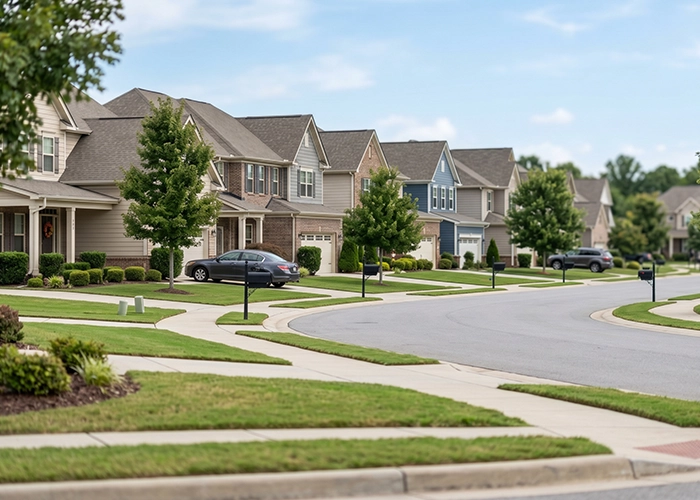
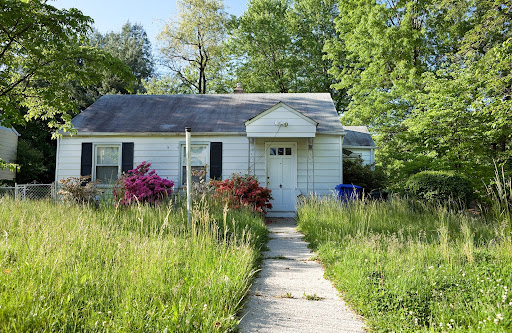
Exterior appearance tends to generate the highest number of notices, largely because it’s visible from the street. Paint, siding, fencing, and roofing issues can turn into common HOA violations when routine maintenance gets delayed.

Seasonal changes can create problems, too. Storm damage, sun fading, and normal wear can make a home look “out of compliance” even when the owner has not noticed the change yet.

A quick review of exterior standards helps, especially before a repair or refresh begins. Many communities require approved colours, specific materials, or a formal request before visible work starts.

Landscaping and Yard Standards That Catch People Off Guard

community violations

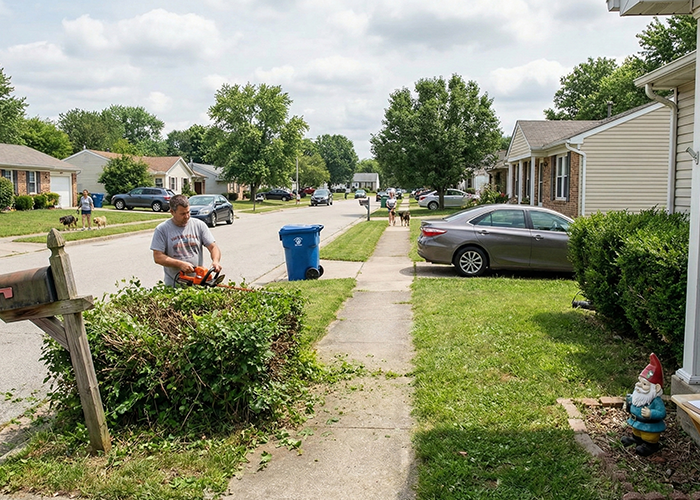
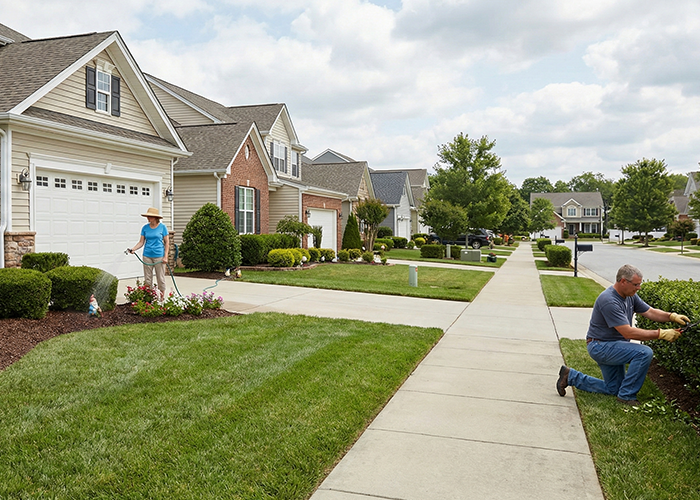
Landscaping rules often exist for safety and appearance, yet misunderstandings are frequent. Lawn height, edging, weeds, dead plants, and tree trimming can all land on a violation notice list.

A surprising number of residents assume yard choices are entirely personal. In practice, design standards may cover plant types, mulch, garden borders, and even the placement of decorative items.

Some associations also regulate irrigation overspray and standing water. Attention to these details can prevent common HOA violations that feel minor but add up quickly.

Trash, Recycling, and “Container Timing”

Trash cans may seem like a small issue, but container rules are among the most frequent enforcement topics. Late pick-ups, missed pick-ups, and windblown debris can make the problem visible for days.

Many communities set specific time windows for placing bins out and bringing them back in. Storage location can matter as well, especially when containers must be screened from view.

A consistent habit helps here. Calendar reminders and a designated storage spot usually reduce repeat notices.

Parking and Vehicle Rules Without the Drama

hoa resident violations

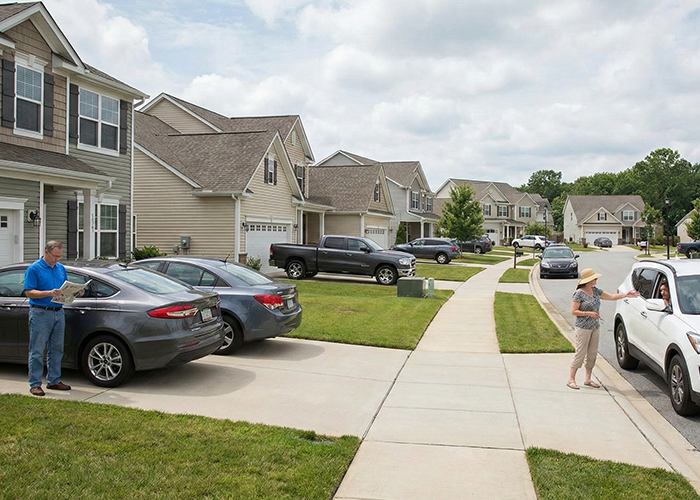
Parking complaints can become emotional because they affect daily routines and guest access. That’s why many associations set firm rules around assigned spaces, street parking, commercial vehicles, and long-term storage.

Guest parking often causes the most confusion. In some communities, guest areas exist but still come with limits, permits, or time restrictions.

Clarity tends to solve most problems. A copy of the parking policy, shared with household members and frequent visitors, can prevent common HOA violations tied to “I didn’t know.”

Noise and Nuisance Issues That Build Over Time

Noise rules are usually written broadly, which can make them tricky. Loud music, late-night gatherings, repeated barking, and even ongoing construction noise can fall into nuisance territory.

The pattern often matters more than the single event. One loud evening might result in a warning, while repeated complaints can lead to hearings and fines.

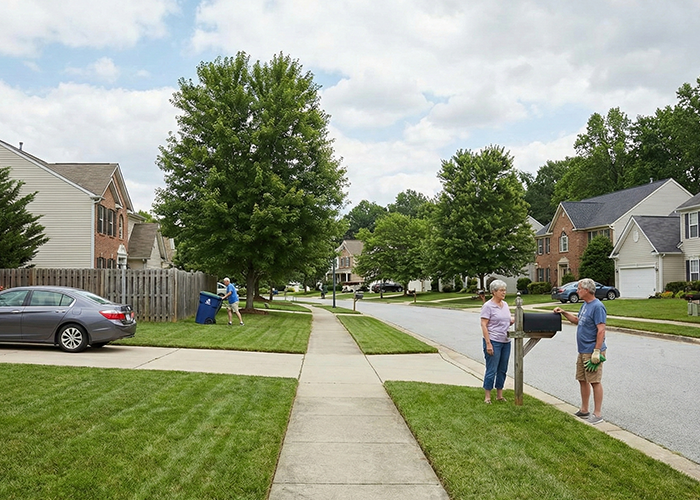
A respectful approach can help before enforcement escalates. A direct, calm conversation with neighbours can resolve issues early, especially when sound carries more than expected.

Pets, Leashes, and Clean-Up Expectations

community violations

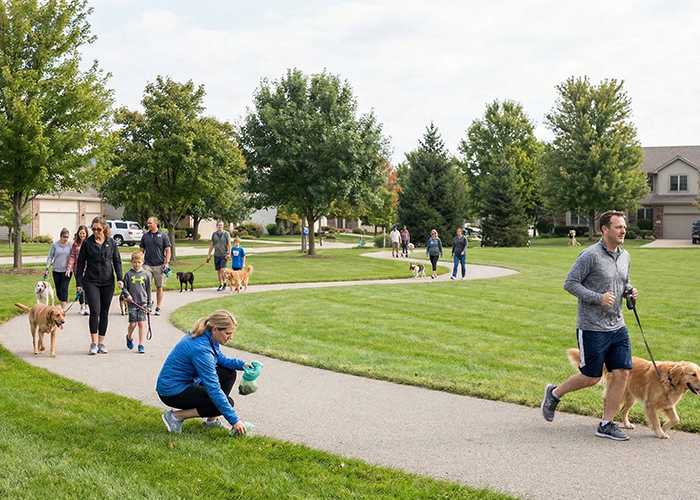
Pet rules exist to protect shared spaces and reduce conflict. Leash requirements, pet waste rules, pet limits, and restrictions on certain animals show up in many governing documents.

Confusion sometimes arises around assistance animals. Different laws can apply, and associations often follow a specific process for requests and documentation.

Clean-up standards matter just as much as leash rules. A single missed clean-up can become a recurring complaint when it happens in high-traffic areas.

Exterior Changes and “Silent” Improvements

Small improvements can still require approval, even when they feel harmless. Items like outdoor lights, doors, shutters, satellite dishes, patio covers, and visible security devices often fall under architectural control.

A common frustration shows up when a resident completes a project and learns the approval should have come first. That scenario becomes one of the more expensive common HOA violations, since “fixing it” might require changes or removal.

A short approval request usually saves time. Many boards move faster when plans include photos, materials, colours, and a clear timeline.

Signage, Flags, and Items on Display

hoa resident violations

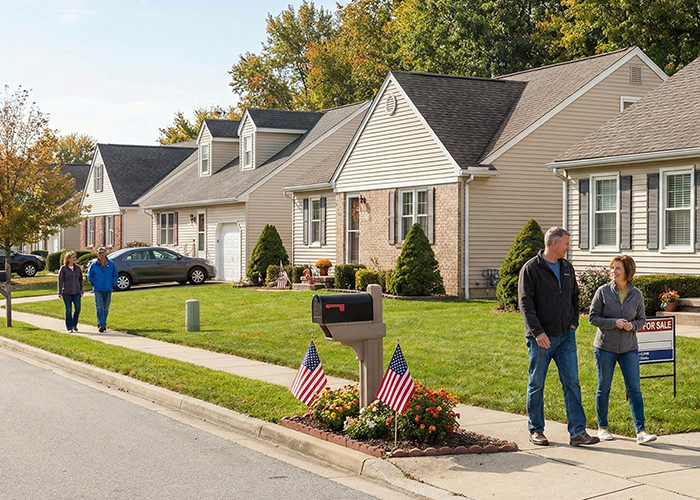
Signs can create disputes because they touch personal expression and community appearance. Real estate signs, political signs, contractor signs, and window postings are often regulated in some way.

Flag rules vary widely. Some associations allow certain flags with size and placement limits, while others set strict guidelines to keep displays consistent.

Seasonal décor can fall into this category as well. Time limits for holiday decorations can surprise residents, particularly when items stay up weeks after the season ends.

Shared Areas and Everyday Courtesy

Rules often extend beyond private lots. Pool behaviour, clubhouse reservations, gym use, hallway storage, and balcony standards can all lead to notices when expectations are not followed.

In many communities, these are the areas where HOA resident violations are most visible. A stroller left in a corridor, items stored on a balcony, or doors propped open can trigger safety and compliance concerns.

A helpful mindset goes a long way. Shared areas work better when residents treat them like an extension of their own home.

A Simple Self-Check Before a Notice Shows Up

A routine check can prevent many common HOA violations, especially the ones tied to visibility and timing. Once a month tends to be enough for most households.

  • A walk around the exterior to spot peeling paint, broken fixtures, or visible clutter
  • A quick yard scan for weeds, dead plants, and overgrown edges
  • A look at trash and recycling habits, including storage and return timing
  • A review of parking routines for household members and regular guests
  • A reminder to submit approval requests before exterior-facing changes

A small habit like this can also reduce neighbour frustration. Fewer repeated issues often means fewer complaints and fewer conflict points over time.

Staying in the Clear

Most common HOA violations come from misunderstandings, rushed decisions, or routines that drift over time. A quick review of the rules, paired with simple home habits, often prevents the bulk of community violations that lead to notices and fines.


Related Articles:
HOA Violation Notice Process: From First Warning To Final Action

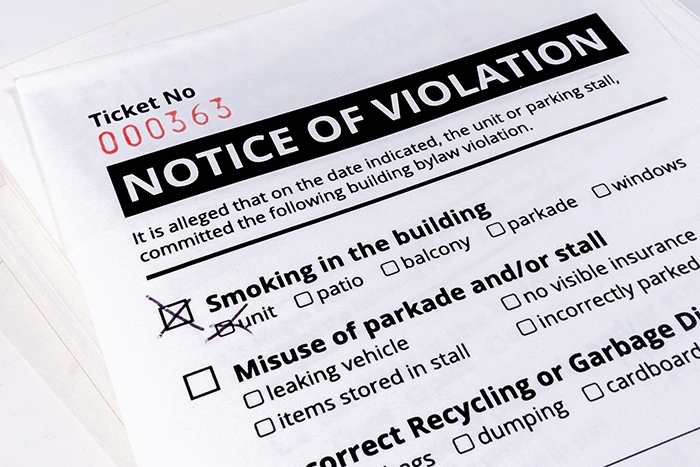
In any HOA community, maintaining order and appearance is crucial. Most associations follow a clear, step-by-step way to handle issues, starting with a friendly heads-up and, if needed, moving to a formal HOA violation notice that explains what to fix and how.

What is a HOA Violation Notice?

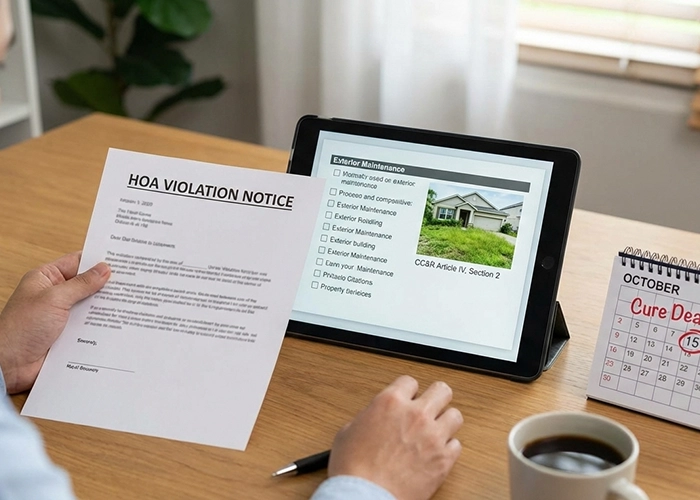
An HOA violation notice is a written message from the association letting a homeowner know that a rule in the governing documents has been broken. It lays out what happened, what the rule says, and what the owner can do to make it right.

These notices can cover a wide range of things—unapproved exterior changes, lawns that need care, trash left out too long, or vehicles parked where they shouldn’t be. Enforcing these basics protects curb appeal, helps property values, and keeps day-to-day living predictable for neighbors.

When and Why the HOA Sends a Violation Notice

Boards and managers don’t send notices on a whim. There’s usually a consistent process. Potential issues are found during routine inspections, walk-throughs, or reports from residents.

Once something is flagged, the manager or a board member verifies it. That usually means checking the rule, confirming dates and times, and taking a few photos. The goal is to correct real problems, not to single anyone out.

Starting with a Friendly Reminder

Many communities begin with a quick courtesy reminder. It might be an email, a door tag, or a short call. The message is simple: here’s what we saw, here’s how to fix it, and here’s when to do it.

This softer touch works because it assumes good intent. People travel, storms happen, and contractors run late. If the owner fixes the issue, the matter is closed. If the problem isn’t resolved or continues to occur, the association will proceed to a formal letter.

Issuing a Formal HOA Violation Letter

When a reminder isn’t enough, the board may send a formal letter. The best letters stick to facts and make the next step easy to understand. They name the specific rule, describe what was observed, show photos if helpful, set a realistic deadline, and explain what happens if the deadline is missed.

Tone matters. The letter should be clear and respectful. It should be delivered in the way your governing documents require, whether by certified mail, email, or hand delivery. At this point, the HOA violation notice becomes the official record that the board is enforcing rules fairly and providing a path to compliance.

What Should Be in an HOA Notice of Violation?

Details vary by community, but a strong notice usually includes:

  • The date, owner name, and property address
  • A short description of the issue, with photos when useful
  • The rule or guideline that applies, explained in plain language
  • What “fixed” looks like, plus a reasonable deadline
  • How to ask questions, who to contact, and how to request a hearing
  • What will be the next step if the deadline passes without a fix

Clarity keeps everyone on the same page and reduces back-and-forth later.

Homeowner’s Right to a Hearing

judge and gavel | hoa violation notice

In many states, including California, owners have the right to a hearing before fines or specific penalties are imposed. A hearing gives the owner a chance to share context, show proof of a fix, or request more time.

Best practice is to send a written hearing notice within the required time, hold the meeting with the board or a designated committee, keep simple minutes, and send a written decision afterwards. Your HOA violation notice should explain how to request the hearing and what to bring so the conversation is productive.

The Role of Fines and Penalties

If a violation continues after notice and, if requested, a hearing, the board may impose penalties as allowed by the governing documents and state law. Common options include a per-occurrence fine, daily fines for continuing issues, temporary suspension of amenities, or reimbursement assessments if the association had to correct the condition itself.

Fines should follow a published schedule and be reasonable. Written decisions should explain why a fine was imposed, how to stop additional penalties, and what steps to take to restore any suspended privileges. Clear guidance usually leads to faster fixes than heavy penalties.

What If the Homeowner Ignores the Violation Letter From the HOA?

If a formal letter goes unanswered and the problem continues, the board can escalate in measured steps. That might mean increasing fines for repeat issues, suspending certain privileges until the fix is complete, arranging limited self-help for things like emergency landscaping when the documents allow, or, as a last resort, seeking help from the association’s attorney.

Before moving to legal action, the board should confirm it followed every requirement: proper notice, a fair chance to cure, hearing rights, and solid documentation.

Avoiding Common Mistakes in the Violation Process

Good habits keep enforcement fair and drama-free. Here are some things you need to keep in mind to avoid problems:

  • Be consistent. Treat similar situations the same way.
  • Document well. Save letters, emails, photos, timelines, and hearing notes.
  • Use authority correctly. Don’t fine unless your documents and laws allow it.
  • Keep the tone respectful. Professional language gets better results.

Tips for Homeowners Responding to a Violation Letter

If you receive an HOA violation notice, take a breath and work the plan:

  1. Read it carefully. Note the rule cited, what needs to happen, and the deadline.
  2. Ask questions early. If “compliance” isn’t clear, ask for examples or a quick call.
  3. Fix what you can now. Quick action often prevents fines, even if bigger repairs take time.
  4. Request a hearing if you disagree. Bring photos, approvals, receipts, or a timeline.
  5. Keep records. Save the letter and your reply, and take after-photos when the fix is done.

Most issues resolve quickly when people talk to each other and follow the steps.

Best Practices for Boards and Managers

troubled woman | hoa violation notice

A straightforward, respectful process helps homeowners correct issues faster and reduces disputes. These practices keep your violation program fair, consistent, and defensible.

Send Timely Notices

Address violations soon after they are discovered. Prompt communication shows the rules are actively maintained and prevents small issues from becoming larger problems.

Date the notice, include when the issue was observed, and note how it was verified. If possible, add a time-stamped photo. Maintain a simple internal log to demonstrate that notices are sent within a standard timeframe following discovery.

Provide Clear Instructions

Spell out precisely what needs to be done, by when, and how to show proof. Reference the specific section of the governing documents, describe the corrective action in plain language, and give a realistic compliance deadline.

Tell the homeowner how to confirm completion. List acceptable proof, such as photos or invoices, and provide a direct contact for questions. Clear instructions reduce back-and-forth and improve the chance of first-time compliance.

Use Consistent Templates

Create standard letters for first notice, courtesy reminder, hearing notice, and fine notice. Consistent formatting keeps the tone professional and ensures the required elements are never missed.

Build fields for the rule cited, observed date, deadline, contact details, and rights to a hearing. Have management review templates annually so that they stay aligned with current policies and any legal changes.

Follow the Law

Check your process against applicable state and local requirements before sending fines or scheduling hearings. Many jurisdictions require advance notice, an opportunity to be heard, and written decisions after a hearing.

Apply rules uniformly to avoid selective enforcement. Keep homeowner information private, use neutral language, and be mindful of fair housing considerations when communicating and granting extensions.

Train Board Members

Offer a short orientation on the violation workflow, from documenting an issue to closing it out. Walk through real examples, practice hearing procedures, and clarify roles for managers and directors.

Provide quick-reference guides and scripts for common scenarios. A shared understanding of timelines, documentation standards, and communication etiquette helps the board act consistently and respectfully.

California-Specific Considerations

California’s Davis-Stirling Act guides notice and hearing procedures. The typical requirements you need to remember include a written notice before a disciplinary hearing, the owner’s right to attend and be heard, and a written decision sent within a set time after the hearing.

To ensure compliance, remember that fines must appear on a published schedule and be reasonable. Local ordinances on landscaping, noise, signage, and parking also matter, especially in Southern California. If you are in California, make sure your letters and timelines match these rules.

Importance of Communication and Fairness

The process works best when it feels fair. Owners respond better when they understand why a rule exists, what needs to change, and how much time they have.

Boards avoid disputes when they apply rules evenly, keep instructions simple, and answer questions quickly. A five-minute call or a quick photo update can do more to solve a problem than a stack of letters.

A Fair Process

A HOA violation notice is part of a simple promise: everyone knows the rules, and everyone gets the same chance to fix things when something slips. When boards follow the steps and owners engage in good faith, most issues get resolved without strain, property values stay protected, and neighbor relationships remain intact..

Related Articles:
15 Most Common Condo Rules Violations And How To Deal With Them

Condominium rules violations can easily damage the harmony in your condo. In the worst cases, condo disputes can arise that are costly for both residents and associations. But what are the most common condo rules violations that you can encounter? 

Common Condo Rules Violations

Whether as a humble resident or as part of the board, you may encounter your fellow condo owners breaking the rules. Here are the common ones you can expect:

1. Noise Complaints and Quiet Hours

One of the top condo rules violations involves excessive noise. Your condo can have soundproofing per unit, but even sometimes that’s not enough. From late-night parties, barking dogs, or loud TV volumes, noise is one of the most common complaints a resident can make.

To minimize the instances of complaints, many Southern California condo communities typically enforce quiet hours between 10 pm and 7 am.

When you encounter noise complaints, your board should start by letting residents have a calm and civil conversation. 

If the noise continues, management should follow the violation protocol outlined in the governing documents. Formal warnings and fines may follow, but clear documentation and a fair appeal process are essential to prevent unnecessary condo disputes.

2. Unauthorized Pets and Pet Waste

Many condos allow residents to have pets, albeit with restrictions on breed, size, or quantity. However, some would often violate these restrictions. More commonly, problems arise from unregistered animals, pets off-leash, or pet waste left in shared areas.

Associations should first ensure that pet rules are communicated to residents. When a violation occurs, issue a written notice and allow the owner time to correct the problem. If behaviour doesn’t change, fines can be issued. A consistent enforcement policy helps protect community health and cleanliness.

3. Illegal Parking/Street Parking

There are many parking-related condominium rules violations that you may encounter. Most of them stem from improper use of guest spaces, blocking walkways, or parking in fire lanes.

To minimize this or prevent escalation, your condo board can make the parking rules more visible. Using readable signage and reminders is the best way to go.

When handling violations, you can begin by sending a courtesy notice to first-time offenders or issuing a warning sticker. If a resident continues to break the rules, towing or fines may be imposed. You should also ensure that procedures are appropriately documented to avoid disputes with the board or association.

4. Exterior Alterations Without ARC Approval

Unit owners are allowed to make alterations to their space. Although this can become a problem if they do so without approval from the Architectural Review Committee (ARC), thereby violating appearance standards.

If this happens, the condo board should send a notice to the unit owner. This typically would include a request to either restore the appearance of the exterior or submit an ARC application that can be reviewed. If the resident fails to do these, the association may fine them.

To prevent future violations, consider educating residents about ARC requirements.

5. Using Common Areas Improperly

All residents can enjoy the common areas of a condo, as long as they do so properly. Unfortunately, many misuse these facilities. Common condo rule violations usually include storing personal belongings in hallways or hosting unapproved events.

If you find someone violating common area rules, you can start handling it by sending out a written notice. If the issues continue to happen, you may consider access restrictions for that unit owner or imposing a fine. 

6. Trash and Recycling Violations

Improper waste management and disposal are common concerns in condo communities. These may include instances of garbage bags being in hallways or homeowners failing to separate recyclables.

Education plays a central role in addressing these issues. The COA should provide visual guides to help residents understand the process more easily. Alternatively, your association can conduct a short awareness campaign. For persistent violations, the board may need to issue fines or consider additional cleanup costs charged to repeat offenders.

7. Smoking in Prohibited Areas

no smoking sign | condo rules violations

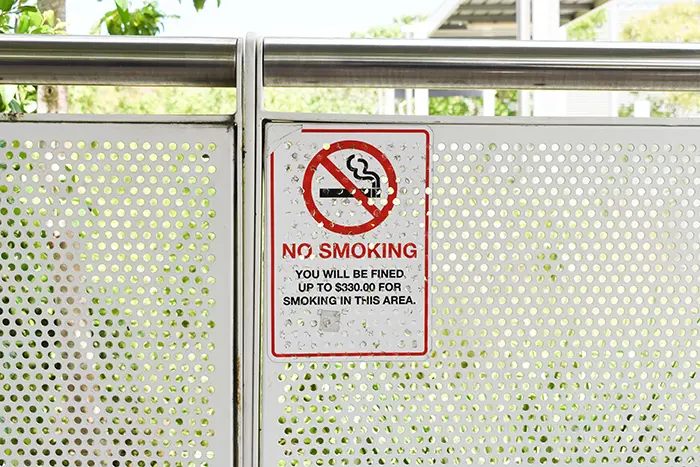
Smoking in hallways, balconies, or near entrances is not only a nuisance, it can pose health risks and violate condo bylaws.

Once a complaint is received, management should investigate and notify the resident in question. If smoking continues, a fine schedule can be applied. In some cases, it may be necessary to refer to local health ordinances to reinforce the association’s authority.

8. Short-Term Rentals / Airbnb Violations

Unauthorized short-term rentals are a growing problem, especially when unit owners list their properties on platforms like Airbnb without board approval.

Associations can begin by monitoring listings and comparing them to their owner records. Upon confirming a violation, the board should issue a cease-and-desist letter and assess penalties if permitted under the CC&Rs. Associations may also need to clarify or amend governing documents if the current language is too vague.

9. Commercial Activity from Units

Running a business from a residential unit can lead to traffic, noise, or security issues, especially when it’s not allowed under condo bylaws.

The board should document the nature of the business and issue a notice of violation. Owners typically must cease the commercial activity or risk fines. For clarity, governing documents should specify what constitutes “commercial use” within the community.

10. Vehicle Maintenance or Storage in Common Areas

Condo garages and driveways are not meant for long-term vehicle storage or mechanical repairs, yet some residents treat them like workshops.

To address this, associations should send written reminders to offenders and request immediate removal of the vehicle or cessation of the activity. If ignored, towing or fines may be used, assuming the board has followed proper notice procedures.

11. Failure to Maintain Unit Exteriors

From overflowing planters to chipped balcony paint, deferred maintenance on unit exteriors can affect the overall look and safety of a condo complex.

Boards can conduct regular inspections and issue maintenance letters as needed. If owners fail to comply, associations may perform the work and charge the costs back. It’s important to act quickly to prevent damage from spreading to adjacent units or common areas.

12. Improper Flag Display or Political Signs

Flag placement and political signage are often regulated to preserve neutrality and aesthetics in shared spaces.

When a violation is reported, the board should respond carefully, balancing resident rights with existing rules. A polite notice is often enough. However, associations must ensure their restrictions comply with federal or state protections regarding flags and political expression to avoid legal disputes.

13. Holiday Décor and Seasonal Decorations

Decorations left up long after the holidays, or those that interfere with safety or community appearance, are another frequent issue.

Boards should establish clear timelines for when décor is allowed and when it must be removed. Courtesy reminders before and after holidays can reduce violations. If decorations remain, a written notice with a short deadline is usually adequate.

14. Balcony BBQs and Fire Hazards

Grilling on balconies is usually banned for safety reasons, yet residents sometimes overlook this rule.

Once a violation is identified, immediate notification and a removal request are necessary. Fire risks require quick action. Repeated offenses may justify fines or restrictions on balcony use until the resident agrees to comply with safety protocols.

15. Unapproved Satellite Dishes or Antennae

Although federal rules allow small satellite dishes, associations can regulate how and where they are installed.

If a dish is installed improperly, the board can request that it be relocated or removed. In resolving disputes, associations should refer to FCC guidelines as well as internal condo rules to ensure enforcement is legally sound.

Why Prompt Enforcement Matters

Timely action builds community trust and reduces escalation into condo disputes. Consistent enforcement ensures fairness, protects property values, and strengthens the board’s credibility. Document all communications, hold hearings if required, and maintain detailed violation logs.

Building Better Compliance Culture

Creating a culture of compliance starts with communication, clarity, and consistency. Here are some practical strategies condo associations can implement to reduce violations and foster community cooperation.

Clear Communication

Condo boards should regularly share updates about the rules, especially during move-ins, seasonal changes, or after rule amendments. Newsletters, emails, and notices on community bulletin boards can help keep everyone informed and aligned.

Education for Residents

community seminar | condo rules violations

Educational efforts, such as new resident orientations or simple rulebook handouts, can go a long way. When people understand the reasons behind the rules, they’re more likely to follow them without pushback.

Friendly Reminders

Rather than jumping straight to violations, consider issuing friendly reminders for first-time or minor infractions. This helps avoid defensiveness and gives residents a chance to correct the issue on their own.

Grace Periods for Compliance

For non-urgent violations, boards may offer a short grace period before fines begin. This approach shows fairness and goodwill, encouraging cooperation rather than conflict.

Consistent Enforcement

Inconsistently enforcing the rules invites resentment and accusations of favouritism. Boards must apply rules equally across all residents, regardless of tenure or relationship to board members.

Dispute Resolution Options

Before escalating to legal or collection action, offer mediation or a hearing before the board. Providing structured ways to resolve disagreements can prevent condo disputes from becoming long-term conflicts.

Visibility of Rules

Rules should be easily accessible. When residents can easily reference the rules, unintentional violations become less frequent.

Maintaining Peace

Identifying and addressing condo rules violations early helps maintain harmony, safeguard property assets, and avoid escalated condo disputes. With clear policies, consistent enforcement, and open communication, condo communities can foster respectful and thriving environments.

Seeking professional management services for your condominium community? Personalized Property Management offers HOA management services around Southern California. Call us at 760-325-9500 or email us at info@ppminternet.com for more information!

Related Articles:

Can A Homeowners Association Fine You?

old couple checking papers | can a homeowners association fine you

HOA fines serve the HOA more than just providing income. It also has an important role to play in enforcing rules. As homeowners, it is best to know what HOA fines are and what they’re for.

What are HOA Fines?

A homeowner’s association usually imposes penalties for violations that residents fail to correct. A fine is a monetary form of penalty. But other than as a form of punishment for delinquent homeowners, it also serves as a deterrent to non-compliance. This helps keep order in the neighborhood while maintaining a high quality of living. 

The amount of money imposed as fines on residents varies greatly. Usually, it is based on the violation, how severe it is, and what was mentioned in your HOA’s governing documents. Usually, before your association asks for any fines, it would first give a warning and a chance for the resident to correct any issues. 

Fines are not supposed to be your HOA’s main source of revenue; that’s what HOA dues are for. Instead, they use it as a tool to ensure that homeowners follow community guidelines. 

It is not the only form of punishment the HOA may use. If a resident has repeated delinquencies and refuses to correct their violations, they may face other consequences such as property liens or even legal actions. 

What is the Basis of HOAs Imposing Fines in Southern California?

In the state of California, HOAs are given the authority to impose fines based on state law and the governing documents. The Davis-Stirling Common Interest Development Act outlines what is required from the association for rule enforcement. It also regulates due process and protects the homeowners’ rights regarding HOA penalties. 

Based on the said law, the HOAs must also notify residents of their violation in writing. It protects the rights of the homeowners to first have a hearing for any violation before a fine is finalized. This helps ensure that the HOA is fair and unbiased in collecting fines.

The best practice when it comes to imposing fines is establishing clear stipulations on HOA fines. The said rules must be well-communicated to all homeowners before such fines can be imposed. 

Common Violations and Associated Fines

Given the many rules governing an HOA, the association would usually impose fines for various violations. Some of the common issues that HOAs fine include the following:

Architectural Modifications Without Approval

If you’re part of the HOA, you’re probably aware that the outward appearance of homes in such communities typically needs to have a sense of uniformity. Because of this, HOAs provide guidelines for any architectural modifications that a homeowner may want to make. Typically, if you want renovations done to the exterior of your property, your HOA will have to approve it beforehand. 

When you alter how your home looks from the outside without permission, your HOA will likely deem it an unauthorized modification. Other than violating architectural guidelines, such modifications may also break the zoning or safety rules in your neighborhood. After several warnings without any corrective action, your HOA may impose fines for such violations.

Landscaping and Lawn Maintenance

old house | can a homeowners association fine you

A homeowner’s association usually requires residents to keep their lawns tidy. So, homeowners need to regularly maintain their lawns by keeping them clean, trimming vegetation, and removing weeds or debris. 

If your lawn is not maintained correctly, it is prone to pest infestations, drainage problems, and a decline in terms of aesthetics. An unkempt lawn is also a safety hazard, as overgrown vegetation can obstruct walkways and cause fire hazards. 

Imposing fines to avoid this is the HOA’s way of mitigating these risks while preserving a safe and healthy living environment for everyone. 

Parking Violations

To maintain order and security and to manage logistics properly, HOAs usually impose fines for parking violations. 

HOA communities have limited space for parking. So, the board will need to implement parking rules to manage that limited space. On top of this, parking rules also help improve traffic flow in the community and ensure access for emergency vehicles. By enforcing such policies, the HOA maintains order and fairness when it comes to available spaces. 

In addition to logistics, parking policies also enhance the neighborhood’s security. Unregulated parking can pose security risks, especially if unauthorized vehicles manage to occupy spaces in the community.

Noise Complaints and Nuisance Violations

A peaceful coexistence among neighbors in the community usually means there are also minimal disruptions and disputes. When it comes to noise and acts of nuisance, HOAs may issue fines depending on the gravity of the situation.

HOAs have noise regulations in place to balance residents’ rights to enjoy and be comfortable in their own homes. To ensure this, your association may impose quiet hours and establish policies on what noise levels are acceptable.

Trash and Recycling Bin Violations

Part of keeping the community safe and healthy is cleanliness. By keeping the areas tidy, your HOA also prevents health risks, unsanitary conditions, and pest infestations. For this, your HOA may have set waste collection schedules and designated areas. Additionally, residents who fail to keep their areas clean and follow waste collection regulations properly can contribute to environmental pollution and increased maintenance costs for the HOA. 

The HOA may impose fines if a homeowner fails to follow these guidelines. 

Pet Violations

farm chickens | can a homeowners association fine you

Many homeowners in the United States are pet lovers, but not every pet owner follows community regulations about these furry companions.

HOAs usually have pet regulations in place to promote responsible pet care while minimizing disturbances for other residents. Some of the rules included in this category include leash requirements, waste disposal, and breed restrictions. 

Having uncontrolled pets can pose a safety risk to other homeowners, damage common property, and cause noise disturbances. If you happen to violate any of these rules, your HOA may issue a fine. 

Late Payment Fines

As a part of an HOA community, you’ve agreed to take up the responsibilities this may entail. Of course, this would include paying your HOA dues on time. By doing so, you are helping maintain the HOA’s financial stability. 

By imposing fines for late payments, the HOA is giving residents the incentive to fulfill their obligations in a timely way. It also ensures that the association will have the funds needed to pay for essential expenses, including maintenance, security, and insurance costs. 

If a resident repeatedly fails to pay HOA dues, they may face more serious consequences, including a property lien. 

Where Do HOA Fines Go?

Many homeowners wonder where HOA fines go. Here are some key areas where funds collected from HOA fines are used.

General Fund

A huge bulk of fines are deposited into the HOA’s general fund. This fund pays for essential community needs, including maintenance and utilities. It also helps keep the maintenance of common amenities like parks, playgrounds, fitness centers, pools, and sidewalks going. The general fund usually covers operational costs, such as administrative expenses, insurance, and salaries for HOA managers. 

Having a well-funded general account is a must to keep the HOA running smoothly. Without enough resources, your association will likely struggle to keep essential services. If they fail to do so, common amenities and utilities will start to deteriorate. The proper allocation of fines ensures that the neighborhood remains in good condition, which also benefits the entire community.

Legal Fees

There are times when the HOA will need to face disputes in court. For this, some of the revenue from HOA fines may be used to cover legal costs.

The HOA has the arbitrary duty to enforce governing rules. Given this, it is not uncommon for them to face homeowner disputes that may escalate, so the HOA would need legal representation. 

Such legal costs can quickly go up if disputes take longer to resolve or if they involve multiple parties. With some funds from HOA fines allocated for legal matters, the HOA would not have to rely on reserve funds nor resort to levying special assessments. 

Reserve Funds

money coming out of faucet | can a homeowners association fine you

Your HOA may also allocate some revenue from fines to reserve funds. This fund helps cover long-term or large-scale community projects, as well as unexpected expenses. Such projects may include large-scale infrastructure repairs and community upgrades. Having a healthy reserve fund is necessary for the HOA to stay financially stable. It also makes the need for special assessments less likely. 

Additionally, the reserve fund acts as your HOA’s financial buffer for emergencies, such as natural disasters or major accidents. It also reduces the possibility of the HOA imposing sudden financial burdens on its homeowners. 

Striking a Balance: The Role of HOA Fines

Contrary to popular belief, HOAs don’t use fines as one of their main revenue sources. It serves an entirely different purpose, which is to uphold community standards by incentivizing homeowners to follow the rules. Although they seem like a burden, fines help maintain order in the community while preserving a high quality of life. 

Personalized Property Management offers HOA management services around Southern California, including assistance with HOA financial management. Call us at 760-325-9500 or email us at info@ppminternet.com for more information!

RELATED ARTICLES: