Security Door for HOAs: A Practical Guide to Safer Community Access

A security door plays a quiet but important role in how HOA communities manage safety and access. It is often the first layer of protection residents and guests interact with, yet it is sometimes overlooked during planning and upgrades.

For boards and managers, understanding how a security door fits into the larger security picture can help prevent risks while improving daily convenience.


Why a Security Door Matters for HOA Communities

A security door is more than just an entry point. In shared communities, it becomes part of the overall experience residents have when entering or leaving their property.

When designed and maintained properly, a security door can help reduce unauthorized access. It creates a clear boundary between public and private space, which is especially important in condominiums, gated communities, and mixed-use properties.

At the same time, it supports a sense of order. Residents tend to feel more comfortable when they know access points are controlled and monitored.

There is also a liability factor to consider. When an HOA takes reasonable steps to secure entryways, it shows a level of responsibility that can matter if incidents occur. While no system is perfect, a well-managed security door system can reduce exposure to avoidable issues.


How Security Doors Fit Into a Larger Security Strategy

A security door should not be viewed as a standalone solution. Instead, it works best when integrated into a broader HOA security plan.

In many communities, this includes cameras, lighting, and access control systems. The security door becomes the physical barrier, while other tools support monitoring and management.

For example, a door with electronic access can be paired with key fobs or mobile credentials. This allows boards to manage who can enter and when. It also creates a record of activity, which can be helpful for both security and administrative purposes.

Consistency matters here. If one entry point is secure but another is not, the system becomes less effective. A complete approach ensures that all main access points follow similar standards.


Common Types of Security Doors Used in HOAs

HOA security systems

Different communities have different needs, so there is no one-size-fits-all solution. Choosing the right type of security door depends on layout, traffic, and budget.

Here are some of the most common options:

1. Steel Security Doors

Steel doors are widely used because of their strength and durability. They are often installed in main entryways where higher resistance is needed.

They also tend to hold up well under frequent use, which makes them suitable for buildings with high foot traffic. Over time, they require minimal structural maintenance compared to lighter materials.

2. Glass Security Doors With Reinforcement

Many modern communities prefer a more open look. Reinforced glass doors provide visibility while still offering protection.

These doors are often paired with metal frames and locking systems. While they may not feel as heavy as steel, they can still meet security requirements when properly designed.

3. Aluminum Security Doors

Aluminum doors offer a balance between strength and weight. They are resistant to corrosion, which can be helpful in areas with varying weather conditions.

They are also easier to install and maintain. This makes them a practical option for secondary entry points or interior access areas.

4. Access-Controlled Doors

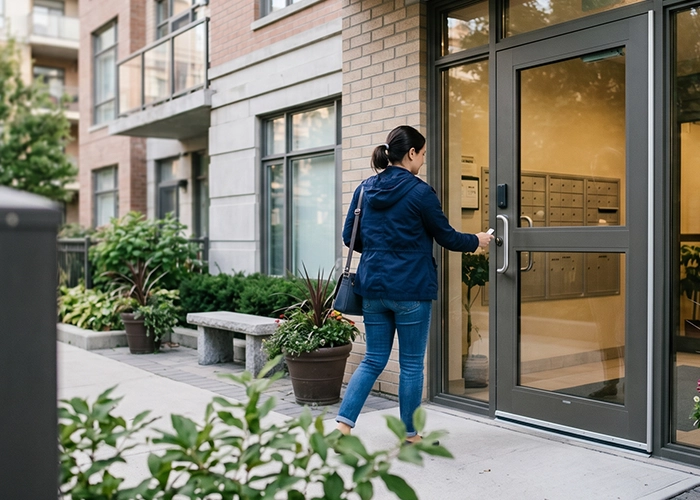
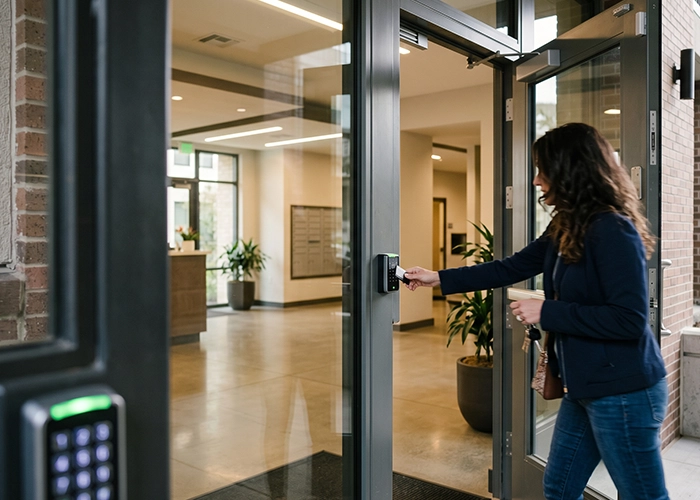
These doors rely on electronic systems such as keypads, card readers, or mobile apps. Instead of traditional keys, residents use assigned credentials.

This approach makes it easier for management to update access without replacing locks. It is especially useful when residents move in or out.


Key Features That Improve Security Door Performance

HOA security systems

Not all security doors are created equal. The effectiveness of a door depends on several features working together.

1. Locking Mechanisms

A strong door needs a reliable lock. Multi-point locking systems provide better resistance compared to single locks.

These systems secure the door at multiple points along the frame, making forced entry more difficult.

2. Access Control Integration

Modern communities benefit from integrating doors with access systems. This can include key fobs, intercoms, or smartphone access.

When combined with proper management, it allows boards to control entry without constant manual oversight.

3. Durability and Materials

Material choice plays a big role in performance. Steel and reinforced glass tend to offer higher resistance, while aluminum provides flexibility.

Durability also affects long-term costs. A door that lasts longer reduces the need for frequent replacements.

4. Visibility and Lighting

Security is not only about strength. Visibility matters as well.

Doors placed in well-lit areas with clear sightlines can discourage unwanted activity. This simple factor often works alongside other measures to improve safety.


Balancing Security With Resident Convenience

Security measures should not make daily life harder for residents. A well-planned security door system finds a balance between protection and ease of use.

If access becomes too complicated, residents may look for workarounds. This can create new risks that undermine the original purpose of the system.

Ease of use can be achieved through simple tools like key fobs or mobile access. These options reduce friction while maintaining control.

Communication also plays a role. Residents should understand how to use the system and why it is in place. When people see the value, they are more likely to follow procedures.


Installation Considerations for HOA Boards

HOA security systems

Installing a security door involves more than selecting a product. Planning is essential to ensure the system works as intended.

Boards should consider the layout of the property first. Entry points, traffic flow, and visibility all affect how the door will function.

It is also important to review governing documents. Some HOAs have design guidelines that influence materials or appearance.

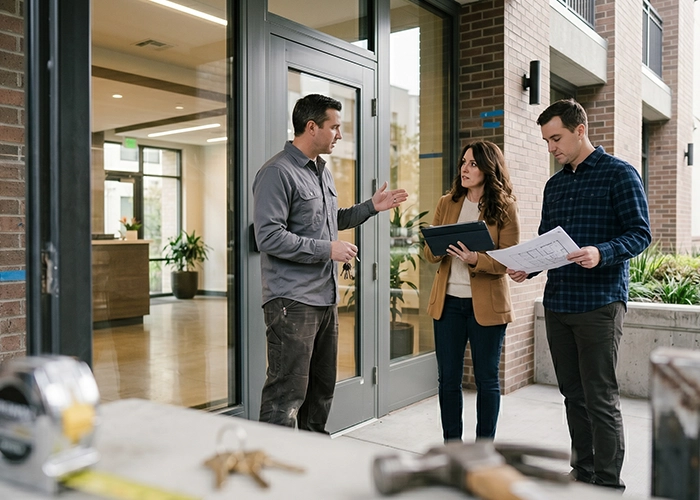
Working with experienced vendors can help avoid common issues. Proper installation ensures that the door performs well from the start.


Maintenance and Long-Term Care

Even the best security door requires regular maintenance. Without it, performance can decline over time.

Here are a few key practices to keep in mind:

  • Inspect locks and hinges regularly to ensure they are functioning properly
  • Clean surfaces and remove debris that may affect operation
  • Test access control systems to confirm they are working as expected
  • Address minor issues early before they become larger problems

Maintenance does not need to be complicated. Consistency is what makes the biggest difference.


Cost Considerations and Budget Planning

HOA security systems

Cost is often one of the first concerns for HOA boards. While security doors can require an upfront investment, they should be viewed as part of a long-term plan.

Lower-cost options may seem appealing at first, but they can lead to higher maintenance or replacement costs later. Investing in quality materials and systems can provide better value over time.

Boards may also consider phased upgrades. Instead of replacing all doors at once, improvements can be made over time based on priority.

It is also worth noting that improved security can enhance property value. Prospective buyers often view secure entry systems as a positive feature.


Common Mistakes to Avoid When Choosing a Security Door

Even with good intentions, mistakes can happen during the selection process. Being aware of these can help boards make better decisions.

  • Choosing a door based only on appearance without considering function
  • Overlooking compatibility with existing security systems
  • Ignoring maintenance requirements
  • Failing to involve residents in communication about changes

Each of these can lead to challenges down the line. Taking a thoughtful approach helps avoid unnecessary complications.


How Security Doors Support Property Value and Community Trust

HOA security systems

Security features often influence how a community is perceived. A well-maintained security door can signal that the HOA takes safety seriously.

This perception can build trust among residents. It also plays a role in attracting new buyers or tenants.

Over time, these factors contribute to overall property value. While security may not always be visible in financial statements, its impact is felt across the community.


When It May Be Time to Upgrade Your Security Door System

Not every system needs to be replaced right away. However, there are signs that an upgrade may be worth considering.

If doors are showing visible wear, it may be time to evaluate replacement options. Frequent repairs can also indicate that a system is no longer efficient.

Outdated access methods can be another sign. As technology evolves, older systems may not meet current needs.

Boards should also pay attention to resident feedback. Concerns about access or safety can provide useful insight into whether improvements are needed.


A Smarter Approach to Community Safety

For HOA boards, taking the time to plan, install, and maintain the right system can lead to lasting benefits for residents and the property as a whole.

Are you looking to improve your community’s security without overcomplicating access?
Work with Personalized Property Management who understand what actually works in real communities. Start building a safer, more confident environment for your residents today.


Related Articles:

Wild Animals and Stray Animals in HOA Communities: How Associations Can Manage Wildlife Safely

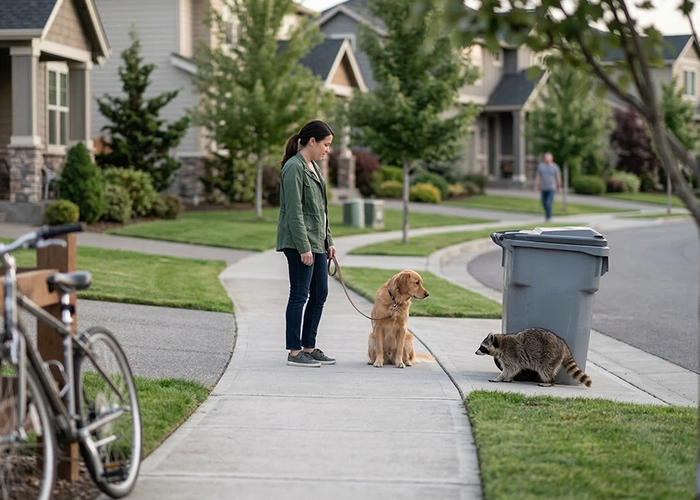
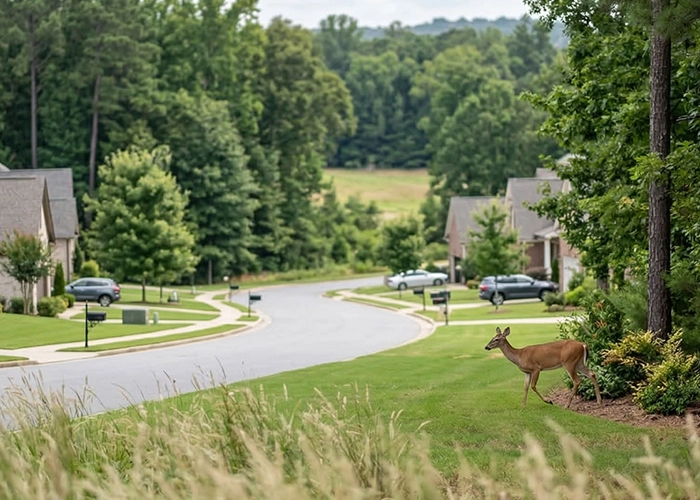
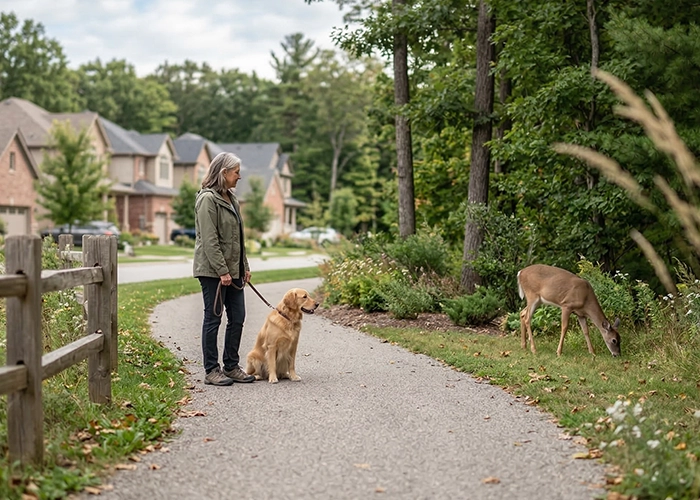
Wild animals and stray animals occasionally appear in HOA communities, especially in neighborhoods located near parks, wooded areas, or open land. While many of these encounters are harmless, they can still create safety concerns for residents and pets.

HOA boards and property managers can reduce problems by setting clear guidelines and responding quickly when animals appear in the community.


Understanding Wild Animals and Stray Animals in HOA Communities

Wild animals and stray animals are common in many residential neighborhoods. HOA communities often provide attractive environments for animals because they offer food sources, shelter, and quiet spaces.

Wild animals usually include creatures such as raccoons, coyotes, deer, foxes, or opossums. Stray animals often refer to domestic pets that have been abandoned or have wandered away from their homes.

Most animals are simply searching for food or shelter. However, when they become comfortable in residential areas, problems can arise. Residents may worry about safety, pets may be threatened, and property damage may occur.

HOA boards should recognize that wildlife encounters are often unavoidable. The goal is not to eliminate wildlife completely. Instead, communities should focus on managing the situation responsibly and protecting residents.


Why Animal Encounters Are Becoming More Common

HOA wildlife management

Encounters with wildlife have increased in many suburban and urban neighborhoods. Development continues to expand into areas that were once natural habitats.

When neighborhoods grow near forests, lakes, or open fields, animals adapt by moving closer to homes. Trash containers, pet food, and landscaping features can all attract wildlife.

Stray animals also become more visible in growing communities. Some pets escape from homes, while others may be abandoned by previous owners.

HOA communities may notice increased sightings during certain seasons. For example, spring and summer often bring more activity as animals search for food and care for their young.

Understanding why animals appear in the neighborhood helps boards develop realistic solutions.


Potential Risks of Wild and Stray Animals

Most animals avoid humans whenever possible. Still, certain situations can create risks that communities should not ignore.

Wild animals may carry diseases or parasites. Although rare, illnesses such as rabies can spread through bites or scratches.

Stray animals can also create problems if they become aggressive or frightened. In some cases, they may chase pets or damage landscaping while searching for food.

Property damage is another concern. Wildlife may dig through trash bins, tear open garbage bags, or burrow under decks and sheds.

These situations are often manageable when addressed early. The key is recognizing the signs and responding quickly.


Preventing Wildlife From Being Attracted to the Community

HOA wildlife management

Preventing wildlife problems often begins with reducing the things that attract animals. Many animals enter neighborhoods because food is easily available.

Residents can help keep wildlife away by following a few simple practices.

Common ways to reduce wildlife attraction include:

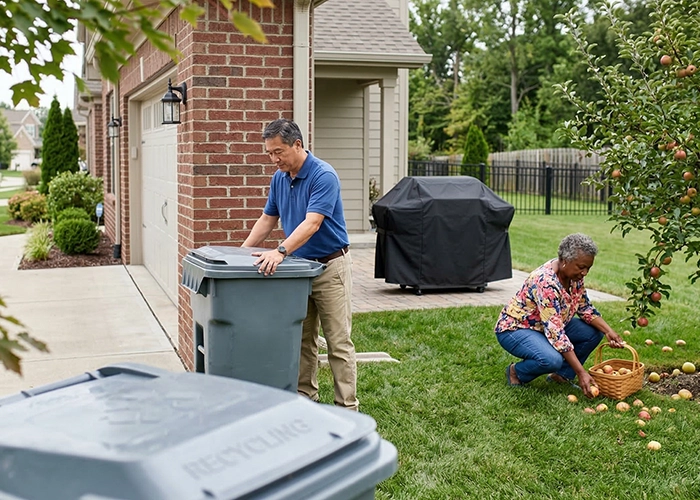
  • Securing trash bins with tight lids
  • Avoiding leaving pet food outdoors overnight
  • Cleaning outdoor grills after use
  • Removing fallen fruit from trees
  • Keeping compost bins properly sealed

Even small changes can make a difference. When food sources disappear, animals often move on to other areas.

HOA boards may include these tips in newsletters or community reminders. Education helps residents understand how their actions affect the entire neighborhood.


Handling Stray Animals in the Neighborhood

Stray animals require careful handling. Residents often feel sympathy toward stray pets, but direct interaction may not always be safe.

HOA communities should encourage residents to avoid approaching unfamiliar animals. Even friendly animals may react unpredictably if they feel threatened.

When a stray animal appears regularly, the best step is to contact local animal control services. These professionals are trained to capture and transport animals safely.

Residents should avoid attempting to trap or relocate animals on their own. Improper handling can lead to injury for both the animal and the person involved.

Communities can also share information about local shelters or rescue organizations that assist with lost or abandoned pets.


Steps HOA Boards Can Take to Address Animal Concerns

HOA wildlife management

HOA boards play an important role in maintaining a safe environment for residents. While wildlife management often falls under city or county authority, associations can still support prevention efforts.

Boards can take several practical steps to address animal concerns in the neighborhood.

Helpful actions may include:

  1. Establish Clear Community Guidelines
    Associations can remind residents about proper trash storage and pet feeding practices.
  2. Work With Local Animal Control Agencies
    Building a relationship with local animal services ensures faster response when issues arise.
  3. Install Proper Waste Containers in Common Areas
    Secure trash bins help reduce wildlife activity in shared spaces.
  4. Share Safety Information With Residents
    Educational reminders can help residents respond calmly when wildlife appears.
  5. Monitor Common Areas for Animal Activity
    Property managers can identify areas where animals frequently gather.

These steps support a proactive approach while keeping responsibilities realistic for the HOA.


Safety Tips for Residents and Pets

Residents should always keep safety in mind when wildlife or stray animals appear nearby. Most incidents occur when people unknowingly approach animals too closely.

Pets should be supervised when outdoors, especially in the early morning or evening hours when wildlife is more active.

Residents may also consider these safety practices:

  • Keep dogs on a leash when walking through the community
  • Avoid feeding wildlife intentionally or unintentionally
  • Keep fences and gates in good condition
  • Supervise children in areas where animals have been seen

Animals typically avoid people when they feel no threat. Giving them space often prevents problems.


Landscaping Choices That Reduce Wildlife Activity

HOA wildlife management

Landscaping can influence how attractive a neighborhood appears to wildlife. Certain plants and yard features may unintentionally invite animals into the area.

Communities can reduce wildlife visits by selecting landscaping that discourages feeding and shelter.

For example, dense shrubs placed near homes may provide hiding spots for animals. Open landscaping with good visibility often discourages wildlife from settling in.

Trash storage areas should also remain clean and well maintained. Overflowing bins quickly attract raccoons and other animals.

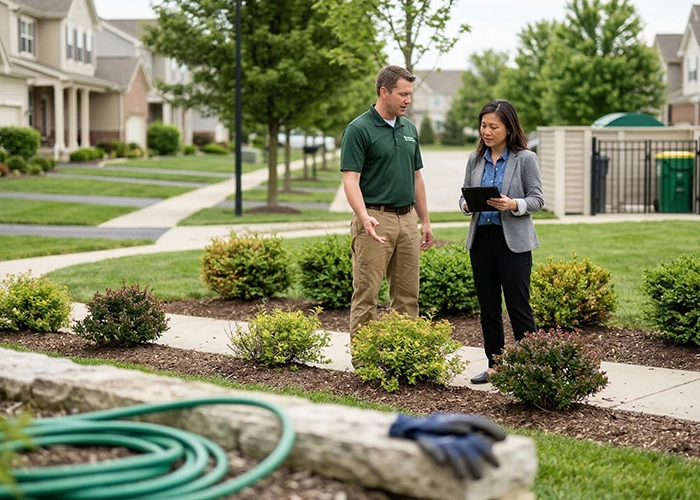
Property managers sometimes work with landscaping vendors to identify areas where wildlife activity occurs frequently. Small adjustments can make the environment less appealing to animals.


When Professional Wildlife Removal Is Needed

In some situations, professional help becomes necessary. Wildlife removal specialists are trained to address larger animal problems safely and humanely.

These services may be needed when animals enter buildings, create nests in structures, or pose a direct risk to residents.

HOA boards should never attempt to handle wildlife removal themselves. Professional wildlife control teams understand how to relocate animals properly while following local regulations.

When residents report unusual activity, property managers can contact the appropriate local agency or wildlife professional.

Quick action helps prevent the situation from growing into a larger problem.


A Balanced Approach to Wildlife in HOA Communities

HOA wildlife management

Wild animals and stray animals are a natural part of many environments. HOA communities do not need to view every animal sighting as a threat.

Instead, the goal is balance. Neighborhoods should remain safe for residents while respecting the wildlife that shares the surrounding environment.

When communities focus on prevention, education, and cooperation with local authorities, animal encounters become far easier to manage.


Keeping HOA Communities Safe and Wildlife Aware

Wild animals and stray animals will always be part of life in many residential areas. With awareness and preparation, HOA communities can manage these encounters responsibly.

Clear communication, smart prevention, and cooperation with local services help protect both residents and animals.

Our HOA management professionals help communities handle safety concerns, resident education, and neighborhood operations with confidence. Contact us today to learn how we can support your association.


Related Articles

The Top Benefits of Hiring HOA Security for Your Neighborhood

Keeping your community safe is one of the most important jobs for any association board. This work creates a feeling of security & protection that lasts for every homeowner in the neighborhood.

The Fundamental Benefits of Hiring HOA Security

A professional security team provides the main protection against unwanted incidents. When a board decides to use these services it shows they care about keeping residents safe. Taking action early usually prevents problems from starting in the first place.

Security guards create a clear warning that stops unwanted people from entering private areas. Communities that maintain strong supervision become unappealing targets for criminals looking for easy opportunities. This protective measure plays a vital role in preserving a peaceful and well-organized setting.

A dedicated security team provides steady rule enforcement that volunteer groups often struggle to maintain. Professional guards handle parking violations and watch over shared spaces to make sure residents follow community standards. Simply having them around motivates people to be better neighbors throughout the entire community.

Enhancing Property Values through Community Safety

HOA neighborhood safety

A safe neighborhood makes homes more valuable. People looking to buy a house care about security when they search for a new place. A community with good security becomes a top choice when buyers compare different areas.

When people feel safe they invest more time and money into their properties. This sense of pride leads to better home maintenance & livelier shared spaces. Security protects both the appearance and structure of the development for years to come.

Low crime rates and orderly streets help real estate agents sell homes more easily. When the association keeps the neighborhood secure it protects the money that all members have invested in their properties. This approach benefits homeowners by keeping them satisfied and maintaining their property values.

Rapid Response to Emergencies and Incidents

HOA neighborhood safety

On-site security responds much faster than traditional law enforcement when handling non-emergency situations. Guards are already present in the area and can immediately address issues like noise complaints or suspicious individuals. This quick response helps stop small problems from turning into serious conflicts.

When a real medical crisis or fire breaks out security teams serve as essential first responders. They guide emergency vehicles through entry points & offer direct help until police or paramedics get there. This organized response can save critical minutes during urgent situations.

Residents appreciate having a specific professional available to contact whenever they need help. This easy access takes away much of the worry that typically accompanies neighborhood conflicts or security issues. When people know exactly who to reach out to it makes dealing with surprise problems much simpler.

Monitoring Restricted Access and Common Areas

HOA neighborhood safety

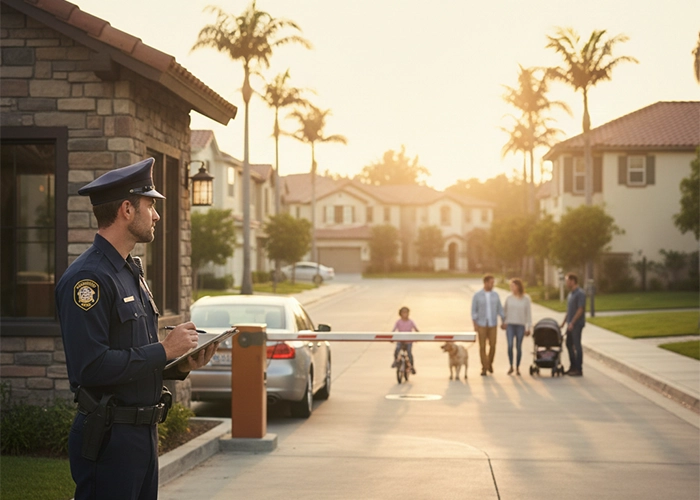
Gatehouse security provides an effective method for managing who comes in and leaves the community. Security personnel verify identification & maintain visitor logs to create detailed records of neighborhood activity. This careful monitoring ensures that only authorized guests can access the shared facilities. The presence of trained security staff at entry points helps maintain order and accountability throughout the residential area.

Community spaces such as swimming pools, parks, and clubhouses frequently experience vandalism or misuse during late hours. Security personnel can watch over these locations to stop damage and keep the association’s property well-maintained. This approach reduces the community’s expenses for fixing damages & paying insurance costs over time.

Monitoring includes spotting maintenance problems such as broken lights or damaged fences when guards make their regular rounds. Guards serve as representatives for the management company when board members are not present. This ongoing supervision allows small issues to be noticed & addressed before they turn into costly repairs.

Fostering a Stronger Sense of Community Peace

HOA neighborhood safety

One of the biggest benefits is the mental comfort that homeowners feel on a daily basis. Understanding that someone monitors your property during the night or when you are away brings tremendous reassurance. This sense of security stands as one of the main reasons people select an HOA that offers protection services.

Professional guards act as neutral enforcers when it comes to association rules & regulations. This takes pressure off board members who may find it uncomfortable to confront their neighbors directly. A third-party security team manages these situations with professionalism and objectivity. Board members often struggle with the dual role of being both community leaders & neighbors. Having security personnel handle rule enforcement removes this awkward dynamic.

A secure environment helps neighbors feel comfortable interacting and spending time outside. Safe streets allow children to play and adults to walk their dogs without constant concern. This kind of social connection defines a healthy and successful residential community.

Customizing Security Solutions for Your Association

HOA neighborhood safety

Every neighborhood has its own design and particular requirements that need a custom solution. Some communities get the most value from having a guard at the gate around the clock while others work better with mobile patrols. Picking the proper combination of services makes sure the budget gets spent wisely.

Technology works together with physical guards to build a complete safety system for residents. Smart cameras and electronic access systems give information that makes the security team more effective at their work. Today’s security combines human judgment with modern technical equipment.

The board needs to partner with the security provider to set up straightforward rules and standards. Holding regular meetings keeps everyone informed about particular issues or new patterns happening in the area. This working relationship makes sure the security services adapt as the neighborhood requirements change over time.

Ensuring Your Community Remains Protected

Taking the step to hire a professional security team is a major decision for any homeowners association. It creates a foundation of safety that helps the neighborhood succeed & keeps property values strong. Your residents deserve the comfort & protection that comes from having dedicated security on site.

Are you looking to improve the safety and management of your community? Contact Personalized Property Management today to learn how our expert services can benefit your HOA!

Related Articles

Why HOA Cybersecurity Is Non-Negotiable In The Digital Era

With technology driving most people’s lives today, it’s no question that your HOA also keeps sensitive information digitally. With more and more communities relying on digital platforms to operate, HOA cybersecurity has become a must.

What Makes HOAs a Cyber Target?

Many HOAs mistakenly assume they’re too small or too niche to attract cybercriminals. But the reality is that hackers increasingly target mid-sized entities like HOAs because they store valuable data and often lack robust cybersecurity systems.

Here’s what makes HOAs a potential bullseye:

  • Personal data: Names, addresses, phone numbers, email addresses, and payment histories.
  • Financial records: Bank account details, online dues payment information, and credit card data.
  • Vendor contracts: Documents that may contain sensitive pricing or access information.
  • Weak protection: Many communities utilize outdated systems or lack a formal HOA cybersecurity policy.

If your HOA uses an online portal or accepts digital payments, it’s already part of the cybersecurity landscape, whether prepared or not.

Common HOA Cybersecurity Threats

Understanding the risks is the first step in developing a proactive defense. HOAs typically face the following types of cybersecurity threats:

Phishing Emails

These are fraudulent emails that trick board members or homeowners into giving up sensitive information. A well-crafted phishing email can imitate a trusted vendor or manager and prompt a user to click malicious links or download harmful files.

Ransomware Attacks

Ransomware locks down digital systems until the association pays a ransom, often in cryptocurrency. These attacks can halt operations, delay payments, and compromise access to crucial records.

Data Breaches

When unauthorized parties gain access to HOA databases, the consequences can be severe, including identity theft, fraud, and lawsuits from homeowners whose data has been exposed.

Unsecured Online Payment Portals

Payment portals are desirable targets. If login credentials or payment information are intercepted, the association and homeowners may be exposed to fraud or theft.

Internal Threats

Not all risks come from outside. Disgruntled employees, board members, or vendors with access to sensitive systems can intentionally or accidentally leak or misuse data.

How Poor HOA Cybersecurity Impacts the Community

The consequences of a cybersecurity incident go far beyond the immediate tech disruption. The broader impacts can include:

  • Financial loss: Recovering from a data breach or ransomware attack can cost thousands, especially if legal fees and recovery services are required.
  • Legal liability: California privacy laws are strict, and failing to protect personal data can result in fines and lawsuits.
  • Loss of trust: Homeowners expect their association to safeguard their private information. A breach can erode trust and lead to significant community backlash.
  • Insurance complications: Without proper cybersecurity practices, insurance providers may deny claims or hike premiums.

Cyber Laws That Affect HOAs

cyber security law | hoa cybersecurity

California takes data privacy seriously. And while many of the laws are aimed at large companies, they still apply to HOAs, especially those utilizing digital tools or collaborating with outside vendors. Here are a few key regulations your board should be familiar with:

1. California Consumer Privacy Act (CCPA)

The CCPA was designed primarily for large companies, but its impact is far broader. It’s become the gold standard for how personal data should be handled. Even if your HOA isn’t directly covered under the law, your vendors might be. So if you’re using a third-party platform to manage records or process payments, their CCPA responsibilities can still impact your association.

2. California Data Breach Notification Law (Civil Code §1798.29)

If homeowner data is ever compromised, this law kicks in. HOAs are legally required to notify affected homeowners, and if the breach is serious enough, the California Attorney General must also be notified. 

3. Civil Code Section 5210

This rule says HOAs must make certain records accessible to homeowners. That’s part of your duty to stay transparent. But if you’re sharing those records online or through email, you’ve got to be careful not to violate anyone’s privacy in the process. It’s a balancing act between being open and being secure.

Best Practices for HOA Cybersecurity

HOA boards don’t need to be tech experts to protect their community. With the right steps, even small associations can create a strong cybersecurity foundation. Here are practical ways to keep your systems safe.

Use Encrypted HOA Portals

If your community uses an online portal for dues, maintenance requests, or document sharing, make sure it’s properly secured. Look for platforms that use HTTPS and SSL encryption so information stays protected as it moves between users and servers. It’s a simple upgrade that adds serious peace of mind.

Require Strong Passwords and Multi-Factor Authentication

Cybersecurity starts with the basics. Strong, complex passwords make it harder for hackers to break in. Adding multi-factor authentication (MFA), such as a text code or app notification, gives you a second line of defense, especially for board or admin accounts that access sensitive data.

Keep Software Updated

Outdated software is a hacker’s dream. Whether it’s your accounting system, HOA website, or antivirus program, it should always be up to date. Most updates address known vulnerabilities, making it an easy way to keep threats at bay.

Limit Access to Sensitive Information

Not everyone needs access to everything. Give board members, vendors, and managers only the tools and data they need. When someone leaves the board or a contract ends, revoke their access right away. The fewer people in the system, the fewer chances for something to go wrong.

Educate Your Board and Homeowners

People are often the weakest link in cybersecurity. This doesn’t happen on purpose, but out of habit. Teach your board how to spot scams, avoid suspicious links, and protect login credentials. And don’t forget your residents. A quick tip in the community newsletter or portal can go a long way.

Back Up Data Regularly

If something goes wrong, such as a breach, crash, or accidental deletion, backups serve as your safety net. Ensure that important files, such as financial reports and rosters, are backed up frequently and stored in a secure location, like the cloud. It’s worth testing your backups occasionally, too.

Monitor Account Activity and Audit Logs

Keeping an eye on who logs in and when can help catch issues early. If someone attempts to log in from an unusual location or fails multiple times, that may be a red flag. Regularly checking audit logs for unusual activity helps you act before real damage is done.

Establish a Clear Cybersecurity Policy

It’s smart to write things down. A simple cybersecurity policy lays out who’s responsible for what, how data is protected, and what to do if something goes wrong. Review it each year and share it with new board members or management staff so everyone’s on the same page.

Vet Third-Party Vendors Carefully

If a company manages your website, payment system, or records, its security matters as much as yours. Ask vendors how they protect data, whether they’re insured, and what happens if their system is breached. If they’re part of your digital setup, they should follow strong cybersecurity standards too.

Encourage a Culture of Cyber Awareness

Cybersecurity works best when everyone’s on board. Create a culture where board members, vendors, and residents feel comfortable asking questions or reporting something that seems off. A little awareness across your community makes it harder for bad actors to find a way in.

HOA Cyber Risk Management: A Strategic Necessity

secured phone | hoa cybersecurity

Cybersecurity involves both IT and governance. That’s why HOAs should treat it as part of their overall risk management plan. This includes:

  • Designating a cybersecurity liaison on the board or management team.
  • Developing an incident response plan that outlines what steps to take in the event of a breach.
  • Scheduling regular security audits to identify vulnerabilities in your systems or protocols.
  • Requiring vendor compliance with security protocols, especially those handling data, payments, or records.

Having these procedures in place can reduce the likelihood of an incident while improving your community’s response if one does occur.

Homeowners Association Cyber Liability Insurance

Even with strong safeguards, no system is bulletproof. That’s where homeowners’ association cyber liability insurance comes in. This type of insurance helps cover the costs associated with a data breach or cyberattack.

Here’s what cyber liability insurance usually covers:

  • Legal fees associated with a data breach
  • Notification costs to alert homeowners
  • Data recovery expenses
  • Ransomware payments (if applicable)
  • Crisis management and public relations services

Many associations carry basic general liability coverage, but that usually doesn’t extend to cyber incidents. Cyber liability insurance can protect both the association’s financial well-being and its reputation in the event of a digital security failure.

Vendor Cybersecurity Responsibility

It’s common for HOAs to rely on third-party vendors for web hosting, payment processing, or cloud storage. But outsourcing doesn’t mean your HOA is off the hook. The board is still responsible for ensuring that vendors:

  • Use encrypted connections and secure servers
  • Maintain access logs and data backups
  • Have their own cyber liability coverage
  • Abide by contractual obligations to notify the HOA immediately in case of any breach

Before signing on with a digital vendor, it’s smart to conduct due diligence and ask pointed cybersecurity questions.

Tips for Educating Your Community on Cyber Awareness

HOA cybersecurity strategies only work if residents are informed and cooperative. Here’s how to foster that awareness:

  • Add a cybersecurity section to your community newsletter or portal.
  • Host an annual workshop or webinar on digital safety.
  • Share tips on password hygiene and email safety.
  • Let homeowners know how their data is stored and protected.

The more transparency and education you provide, the more engaged and cautious your homeowners will become.

Digital Safety Is Community Safety

Cybercrime is evolving, and so should your HOA’s approach to security. Involved steps, such as investing in systems, training your team, and securing cyber liability insurance, become your community’s safeguard. It also reinforces your association’s long-term credibility and stability.

Need professional management services for your HOA community? Personalized Property Management offers HOA management services around Southern California. Call us at 760-325-9500 or email us at info@ppminternet.com for more information!

Related Articles