
Board members often struggle with the challenge of keeping everyone informed without dedicating their entire evenings to phone calls. Modern digital platforms offer a practical solution to this problem.
Embracing Digital Communication Tools for a Modern Community
A homeowners association functions well when the board and residents share information openly. Many neighborhoods continue to use paper flyers or casual conversations which frequently result in people missing important updates. Digital communication tools solve this problem by creating one central location for all official matters. This change helps owners access what they need while allowing directors to use their time more efficiently.
When everyone uses the same platform for requests and notices, efficiency increases. Boards can send routine reminders or emergency alerts with a few clicks thanks to digital systems. For urgent situations like pool closures or unplanned road repairs, this speed is essential. These tools provide a transparent record of what was shared and when it was sent, in addition to speed.
Community morale often rises when transparency becomes a priority. Residents who feel informed are less likely to experience frustration or confusion regarding new policies. Digital platforms provide a space for residents to view governing documents or check their account balances at any hour. This accessibility builds trust and shows that the association is being managed with care.
Choosing the Best Software for Your Association
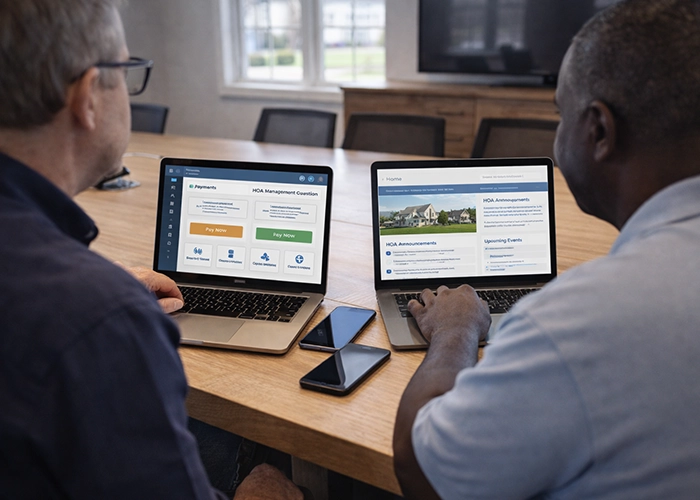
Choosing the right platform comes down to how big your community is and what you can afford to spend. Some boards like software that handles everything in one place including payments & maintenance requests. Other communities do just fine with basic email and a simple website that gets the job done. What matters most is picking something residents will actually want to use instead of something so complicated it scares them away.
Ease of use should be the top priority when selecting a tool. If the platform is too difficult to navigate then homeowners will not adopt it. The interface needs to work well on mobile devices because most people check their messages on phones. A clean design helps ensure that important announcements do not get lost in cluttered layouts.
Another element that the board cannot overlook is security. Strong encryption is required because these platforms frequently handle financial data and personal contact information. To safeguard community data, confirm that the software provider provides dependable support and frequent updates. Residents can view private association files with confidence thanks to a secure system.
Streamlining Board Workflows with Online Portals
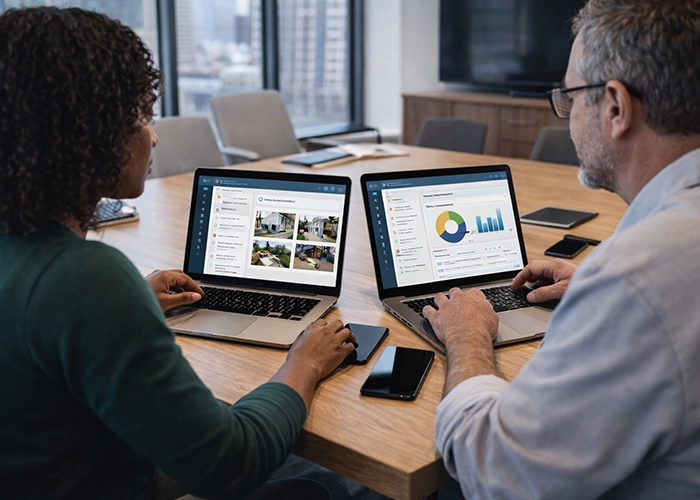
Online portals function as a digital workspace for board members and management teams. Directors can instantly retrieve meeting minutes and vendor contracts without searching through paper files. This system keeps tasks organized & protects important information when board members change. Digital records preserve the community’s history for many years into the future.
Portals make the architectural review process easier for homeowners and committee members alike. Owners can upload photos and project plans straight to the platform and get quicker feedback. Committee members can review these submissions and vote on them using the same system. Having everything in one digital space cuts down on the endless email chains that usually delay basic home improvement projects.
These specialized online spaces significantly improve financial transparency. Before meetings, residents can review monthly financial reports and budget drafts posted by boards. This proactive strategy keeps meetings on track and lowers the volume of questions during open sessions. Owners frequently feel more invested in the success of the community when they can see where their money is going.
Enhancing Resident Engagement Through Mobile Apps
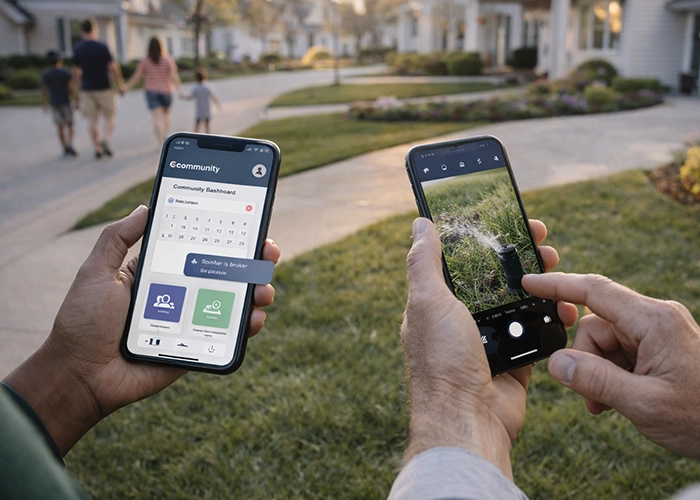
Mobile applications have become the normal way for modern communities to stay connected. Most residents like having a community directory and event calendar available on their phones. Push notifications work well for urgent reminders because people see them right away. This direct communication method works much better than an email that could end up in a spam folder
Apps let residents report maintenance problems as soon as they notice them. Someone can snap a picture of a broken sprinkler or a streetlight that stopped working & send it to management right away. This helps the association fix things quickly before they turn into bigger and more costly issues. When problems get handled fast it shows residents that people are listening to them and taking care of the property.
Social features in an app let neighbors connect safely in a moderated space. These tools help people feel like they belong whether someone posts about a lost pet or asks for volunteers. The board can create polls to collect opinions about possible community projects or improvements to amenities. Getting input from more residents helps make better choices that represent everyone in the neighborhood.
Balancing Privacy and Accessibility in Online Forums

Forums and message boards work well for building community discussion. They need clear rules to stay positive for everyone. The board should create a code of conduct that promotes respectful conversation & stops personal attacks. Good moderation keeps these forums focused on topics that matter to the community.
Accessibility needs attention to make sure everyone can participate in the digital transition. Most residents use the internet but some people still want or need traditional ways to communicate. An effective strategy relies on digital tools for most tasks but maintains paper alternatives for anyone who requires them. This balanced method keeps all homeowners informed no matter what their technology abilities are.
Privacy settings help the board decide who can view certain information. Public websites work well for showing the community to people who might want to buy property there. However private portals should handle internal business matters. Areas that require passwords keep sensitive discussions & documents hidden from the general public. This approach protects the association’s reputation and meets the needs of its members.
Navigating the Legal Requirements of Digital Notices
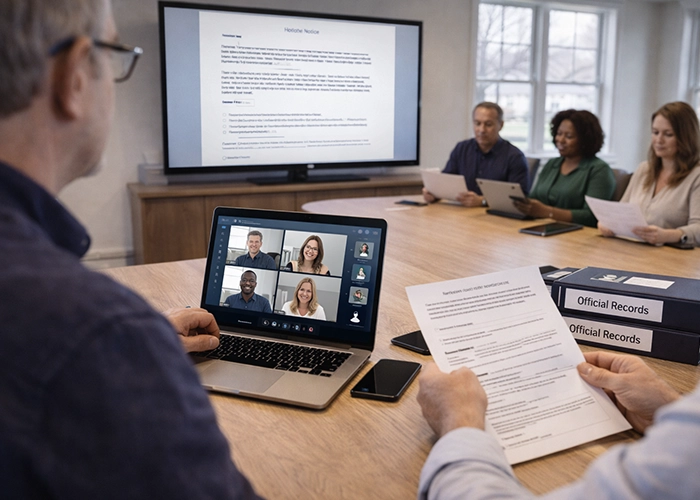
State laws typically control when digital communication can be used for official notices. In most places residents need to agree before they can receive electronic notices about annual meetings or assessment changes. The board should work with a lawyer to make sure their digital approach follows local laws. Keeping good records of these agreements helps prevent legal problems down the road.
Email continues to be a main communication tool but it needs to be handled properly to have legal weight. Associations should maintain thorough documentation of all sent messages along with proof of delivery as part of their official files. Board members should use a specific association email address rather than personal accounts when conducting board business. This approach helps maintain clear boundaries between personal and professional matters. It also simplifies the transition process when a director completes their term and needs to transfer account access to their successor.
Board meetings work better when you use digital tools like video conferencing. Many boards now meet in person again but a hybrid approach brings more people to meetings. When residents can join online it helps busy families and owners who live elsewhere take part. Higher participation usually means the community gets a wider range of voices and opinions.
Future Proofing Your Association with Better Tech
Technology changes quickly and associations need to stay ready to adapt. You should review your communication tools every few years to make sure you are using the best options available. Resident feedback helps you understand what works well and what causes frustration in your current system. When you take a flexible approach the board can replace tools that no longer serve the community effectively.
Training plays an essential role when implementing any new digital system. Organizing a short workshop or creating straightforward instructional guides helps residents become more at ease with a new application. Board members require training as well so they can demonstrate proper usage and operate the tools efficiently. When leadership adopts the technology the rest of the community typically does the same.
Digital communication tools aim to make community life easier and more pleasant. When these tools reduce paperwork and administrative tasks for volunteers board members can spend more time on future planning. Residents get faster responses from management & can find important information without hassle. Choosing the right technology means investing in a healthier neighborhood for years to come.
Strengthening the Community Connection
Modern tools create opportunities for better connection and transparency in your association. Easy communication helps the entire neighborhood experience reduced stress and improved cooperation. Setting up these systems today will save significant time for both the board and residents down the road. A community where everyone stays informed tends to be a happier place for all who live there.
Need help improving how your HOA communicates? Personalized Property Management supports boards with modern tools and organized processes that save time and reduce complaints. Call us at 760-325-9500 or Contact us to get started!
Related Articles: