
Police vehicles in HOA communities are often a source of debate, especially when neighbors have different opinions about parking, community appearance, and safety. While homeowners associations have the authority to establish parking rules, they also need to recognize that certain legal protections may apply to law enforcement officers and other public safety personnel.
Understanding HOA Authority
Homeowners associations have the authority to establish reasonable parking standards for the community. These rules are usually found in the community’s governing documents, including the CC&Rs, bylaws, and parking policies. Their purpose is to maintain safety, preserve property values, and create a consistent appearance throughout the neighborhood.
When it comes to police vehicles in HOA communities, however, the answer is not always straightforward. Some associations may allow marked patrol cars without restrictions, while others attempt to regulate where they may be parked. The outcome often depends on state law, local ordinances, and the language in the governing documents.
Boards should remember that HOA authority is not unlimited. Rules must be reasonable, applied consistently, and compliant with applicable laws. A policy that conflicts with state statutes could become difficult to enforce and may expose the association to legal challenges.
Why Police Vehicles Become a Concern
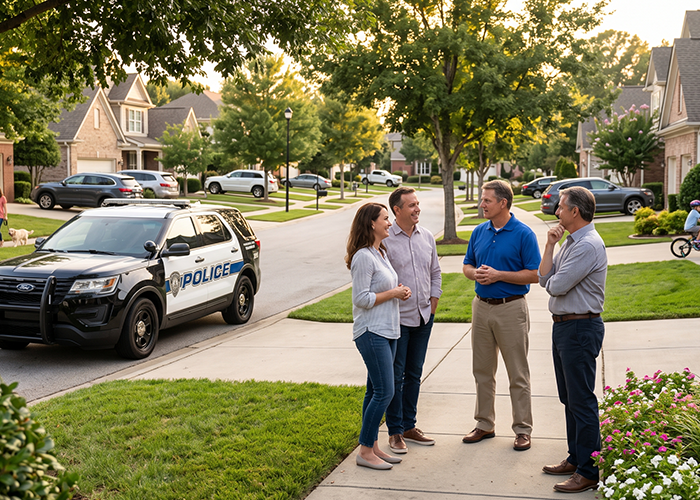
Many residents appreciate having law enforcement officers living nearby. Seeing a marked patrol vehicle can create a greater sense of security because it suggests that emergency assistance may be close if needed.
At the same time, some homeowners worry that marked police vehicles affect the neighborhood’s appearance. Others may have concerns about specialized equipment, flashing lights, or increased visitor attention. These differing opinions often lead boards to revisit existing parking policies.
In reality, most police vehicles remain parked quietly like any other passenger vehicle when the officer is off duty. They rarely create more noise or traffic than a typical family vehicle. Understanding this can help reduce unnecessary conflict within the community.
Can an HOA Restrict Police Vehicles?
The answer depends on several factors. An HOA cannot simply prohibit police vehicles because some residents dislike how they look. The association must first determine whether state law grants protections for law enforcement officers.
Several states have laws that prevent homeowners associations from restricting marked police vehicles or other emergency service vehicles. These laws recognize that officers may be required to respond quickly while off duty or keep their assigned vehicles nearby.
Even in states without specific protections, associations should proceed carefully. Any restriction should have a legitimate purpose, remain reasonable, and apply fairly to all homeowners whenever possible.
Before adopting or enforcing any policy, boards should consult their association attorney to ensure the rules comply with current state law.
State Laws May Override HOA Rules

State legislation plays a major role in determining whether police vehicles may be parked within an HOA community. Because these laws differ from one state to another, associations should never assume that one policy works everywhere.
For example, some states prohibit HOAs from banning officially marked law enforcement vehicles. Others extend similar protections to firefighters, emergency medical personnel, or military vehicles used for official duties.
States without these protections may allow associations greater flexibility, provided their governing documents authorize the restrictions. Even then, boards should evaluate whether enforcement serves the best interests of the community.
Reviewing state statutes regularly helps boards avoid adopting outdated or unenforceable policies.
Common HOA Parking Rules That May Still Apply
Even if state law protects police vehicles, certain community parking rules may still apply. The goal is not to single out law enforcement officers but to preserve order throughout the neighborhood.
Common rules may include:
- Parking only in designated areas
- Avoiding blocked sidewalks or fire lanes
- Following guest parking requirements
- Keeping vehicles in operable condition
- Observing overnight parking regulations when permitted by law
These rules generally apply to all residents unless state law provides an exemption. Associations should make sure their policies clearly explain any exceptions that exist.
The Difference Between Marked and Unmarked Police Vehicles
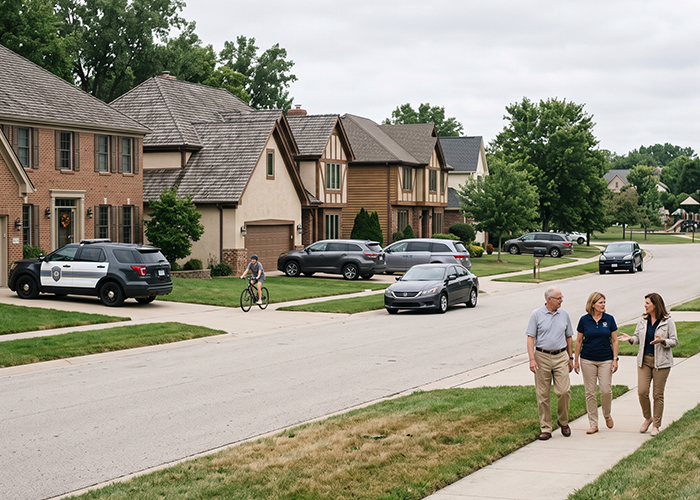
One important distinction involves marked versus unmarked vehicles. Some laws specifically protect officially marked patrol cars while remaining silent on unmarked vehicles.
Marked police vehicles usually display department logos, emergency lighting, decals, or identifying features. They are immediately recognizable as law enforcement vehicles.
Unmarked vehicles, on the other hand, often resemble ordinary passenger cars. Since they blend into the neighborhood, they typically generate fewer complaints regarding community appearance.
Associations should avoid making assumptions about which vehicles qualify for legal protection. The specific wording of state law matters.
Benefits of Allowing Police Vehicles in the Community
Many communities view police officers as valuable neighbors. Their presence can provide benefits that extend beyond routine parking considerations.
Some potential advantages include:
- Greater Sense of Security
Residents often feel more comfortable knowing trained law enforcement officers live nearby. Even when off duty, officers can report suspicious activity or respond quickly during emergencies.
- Crime Deterrence
Visible police vehicles may discourage criminal activity. While no vehicle alone can prevent crime, the possibility of law enforcement presence may influence someone considering unlawful behavior.
- Faster Emergency Response
An officer who is already in the neighborhood may reach an emergency faster than one traveling from another location.
- Stronger Community Relationships
Friendly interactions between officers and neighbors help build trust. Communities often benefit when residents know local law enforcement personally.
These advantages explain why many associations choose to accommodate police vehicles whenever legally possible.
Potential Concerns From Residents
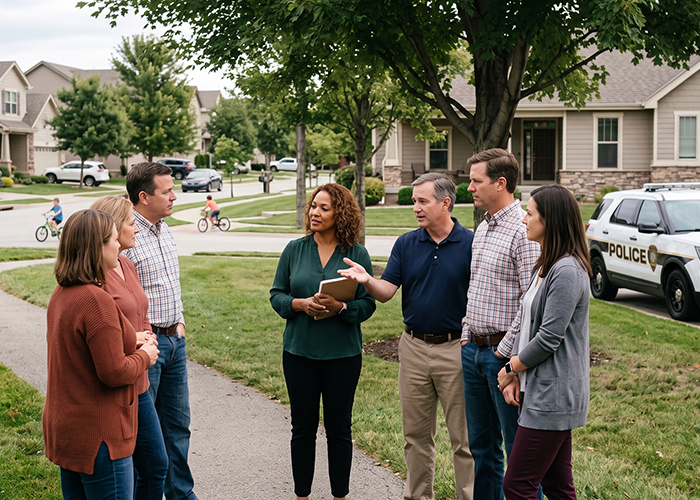
Although police vehicles can offer benefits, boards should also acknowledge homeowner concerns respectfully. Ignoring these concerns rarely resolves disagreements.
Residents sometimes express concerns about:
- Large specialty vehicles taking up extra space
- Emergency equipment that may occasionally create noise
- Vehicles parked outside instead of inside garages
- Neighborhood appearance and consistency
Most of these concerns can be addressed through reasonable communication rather than strict prohibitions.
Boards should focus on practical solutions that balance community standards with legal obligations.
Creating Fair Parking Policies
Good parking policies should serve the entire community instead of targeting one group of homeowners. A balanced approach reduces disputes and makes enforcement easier.
When updating parking rules, boards should:
- Review applicable state laws.
- Examine the governing documents.
- Consult the association attorney.
- Gather homeowner feedback.
- Communicate policy changes clearly.
- Apply the rules consistently.
This process helps ensure that new policies are both legally sound and accepted by residents.
Handling Parking Complaints Professionally
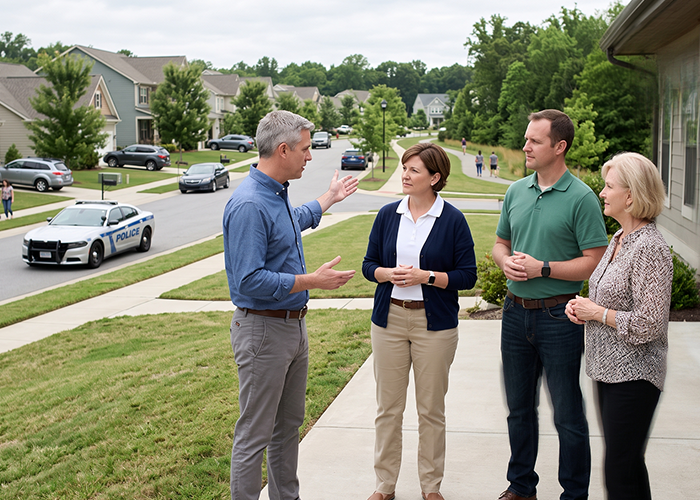
Boards occasionally receive complaints about police vehicles parked in driveways or community streets. Responding professionally helps maintain trust among residents.
The first step is verifying whether any rule has actually been violated. A complaint alone does not automatically justify enforcement action.
If the vehicle is protected under state law, the association should explain the applicable legal requirements to the complaining homeowner. Clear communication often resolves misunderstandings before they become larger disputes.
When a genuine violation exists, boards should follow their normal enforcement procedures instead of creating special standards for one homeowner.
Best Practices for HOA Boards
Associations can reduce conflict by approaching the issue proactively rather than reactively. Boards that educate themselves on applicable laws are less likely to adopt unenforceable restrictions.
Some practical best practices include:
- Review parking policies every few years.
- Stay informed about changes in state legislation.
- Consult legal counsel before adopting new restrictions.
- Treat all homeowners fairly during enforcement.
- Explain the reasons behind parking policies.
- Encourage respectful communication among residents.
These practices help boards maintain transparency while protecting the association from unnecessary legal disputes.
Balancing Community Standards With Public Safety Needs
Every HOA wants to maintain an attractive neighborhood while respecting homeowner rights. Police vehicles can become a sensitive topic, but thoughtful policies supported by state law and clear communication help prevent unnecessary conflict.
Instead of relying on assumptions, boards should review their governing documents, understand applicable laws, and seek legal guidance when needed. A balanced approach protects the association while promoting a safe and welcoming community.
Whether your community needs help updating parking policies or navigating complex HOA regulations, Personalized Property Management provides experienced guidance tailored to your association’s needs. Call us at 760-325-9500 or email info@ppminternet.com to get started.
Related Articles: