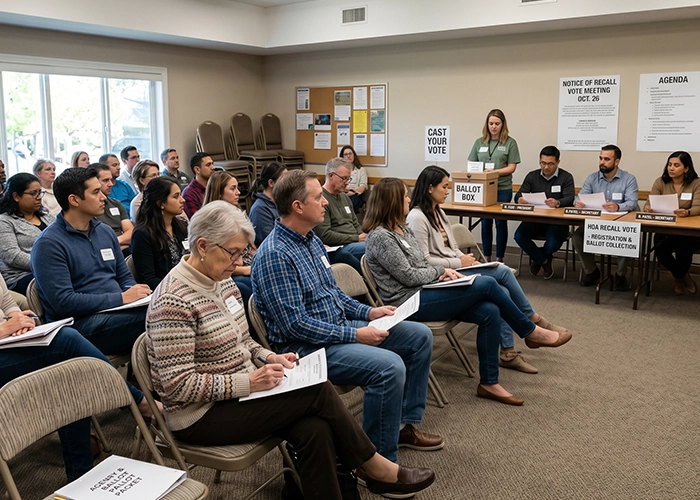
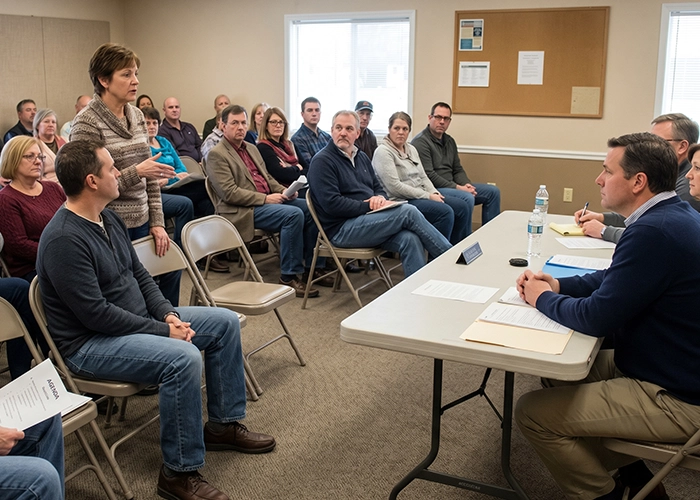
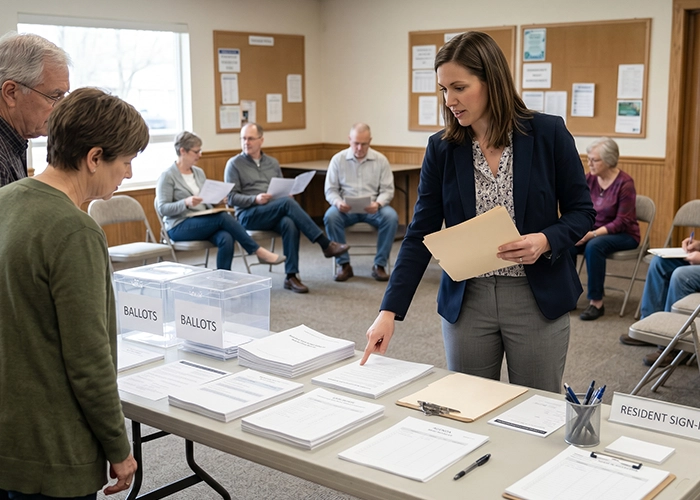
HOA Board Of Directors Code Of Conduct: What Should Be Expected?

Being on the HOA board involves dealing with fellow board members. As leaders of the community, this needs to be done in a way that sets a good example. After all, homeowners trust their board to make fair and informed decisions, representing the best interests of the community.

What is the HOA Board of Directors Code of Conduct?

It’s a set of guidelines that outline how board members should act while serving the community. provides a guide on what is expected of their behavior when making decisions on behalf of the community, as well as the way they treat other people within the community.

At its core, these guidelines remind HOA board members of their duty to the community. Apart from that, it helps make sure that all their actions as part of the board of directors reflect their professionalism.

Each community may have a different set of rules. However, most codes are made with the same principles at their core. They help boards operate smoothly while maintaining the trust of homeowners.

Why an HOA Board Code of Conduct Matters

A lot of responsibility goes into managing a homeowners association. When you’re part of the board, you’re also responsible for budget management, rule enforcement, and decision-making. All of these directly influence the homes and lives of residents. Given that heavy task, knowing what is expected of you is crucial.

A well-written HOA board code of conduct can help with the following:

  • It helps prevent conflicts among board members or between board members and residents.
  • Having these rules minimizes legal risks since they encourage acting ethically.
  • As proper decorum shows respect and professionalism, it also builds trust between the board and homeowners.
  • It also protects the reputation of your HOA.

When everyone on the board understands how to conduct themselves, the HOA can function more effectively. Without a code of conduct, disagreements and personal conflicts can escalate and develop into larger problems that impact the entire community.

What is the HOA Board Code of Ethics?

A code of ethics and a code of conduct can go hand in hand. Many associations also adopt an HOA board code of ethics to complement the code of conduct.

The two are closely related, but the code of ethics deals with a board member’s integrity. On the other hand, the code of conduct deals with specific behaviors and HOA procedures.

Both documents work together to create a clear standard for board service.

Principles Behind the HOA Board of Directors’ Code of Conduct

Serving on the board isn’t just about attending meetings or voting on motions. It’s about setting the tone for the community. The way board members carry themselves reflects directly on the HOA.

Duty of Care

Members of the HOA board need to act in the best interest of the community. They should not prioritize their own personal interests. With this, they need to make decisions based on facts. They should consult experts in the field if required and stay informed about current HOA issues.

Duty of Loyalty

Most HOA board of directors code of conduct highlights the need for directors to prioritize the HOA’s welfare over other things. Members should then avoid getting into situations where their interests might conflict with their fiduciary duty.

Duty of Confidentiality

Part of running an HOA effectively is having access to sensitive information about the community and its members. These may include legal information, resident disputes, and financial details. As part of the HOA board, they must keep this information private. The only times they would do otherwise are if disclosure is legally required.

Fairness and Impartiality

HOA board members need to treat all homeowners equally. When enforcing community rules, consistency is essential to avoid favoritism. Additionally, decisions should not be influenced by any personal relationships or individual pressure from homeowners.

Transparency

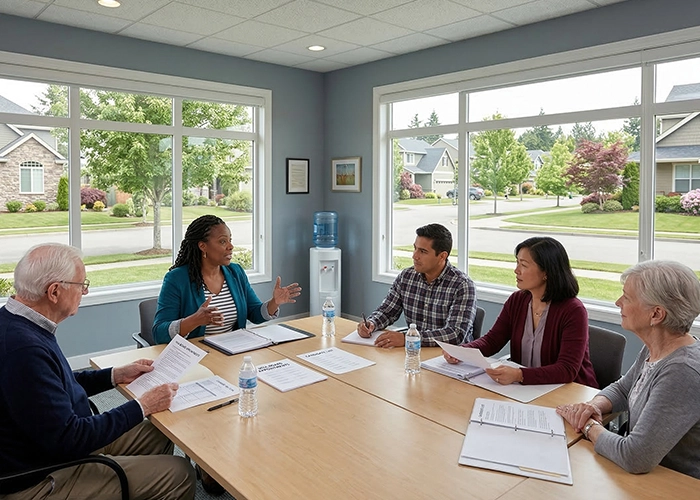
board discussion | hoa board of directors code of conduct

While confidentiality is important, board members should also be as transparent as possible with homeowners. The two are not mutually exclusive, and they go hand in hand in effectively running your HOA. Maintaining open communication with your residents fosters trust and helps prevent the spread of misinformation.

Respectful Communication

There are times when discussions during board meetings will get heated. However, staying respectful towards each other should still be a must. Members should listen to one another’s opinions and refrain from personal attacks. They should maintain a professional atmosphere even when disagreements occur.

Compliance with the Law and Governing Documents

Board members are not exempt from any federal, state, or local laws. They are not exempt from their own HOA governing documents either. All actions of the HOA board need to comply with these laws. If they ignore them, their actions can expose the association to legal trouble.

What Does the Davis-Stirling Act Say About Board Conduct?

In California, the Davis-Stirling Common Interest Development Act is referenced as the main legal framework for HOAs. It outlines everything from board elections to financial disclosures.

However, this legislation doesn’t provide a specific code of conduct for HOA board members. In its place, it does outline rules and expectations involving the board’s behavior.

One important thing mentioned in the Davis-Stirling Act is the board member’s fiduciary duty to the community. This requires honesty, care, and loyalty to the community while acting on behalf of its residents.

The Act also requires the following from HOA board members:

  • Conflict of Interest Disclosures: Board members must disclose any financial interest they may have in contracts under consideration by the HOA. Generally, members are prohibited from voting on such matters to avoid the appearance of self-dealing.
  • Consistent Rule Enforcement: California law highlights the need to enforce HOA rules fairly and consistently. If the board ignores violations or selectively enforces rules, members could face legal challenges from homeowners.
  • Proper Use of Authority: Board members must stay within the scope of their authority. They cannot create rules or impose penalties that are not supported by the HOA’s governing documents or the law.

HOA Board of Directors Code of Conduct: What is Included?

Each HOA is unique, but most codes of conduct include similar guidelines. Here’s a list of items many communities choose to include:

  • Commitment to Ethics and Integrity: These are promises to act honestly and fairly in all board matters.
  • Avoidance of Conflicts of Interest: Rules about disclosing possible conflicts and refraining from related votes.
  • Confidentiality Agreement: This requires the board to keep sensitive information private.
  • Respectful Behavior: These guidelines outline how members should treat fellow board members, homeowners, vendors, and staff.
  • Consistent Enforcement of Rules: Pledges to enforce HOA rules fairly and without bias.
  • Transparency and Communication: These expectations involve open communication with homeowners while respecting their privacy when necessary.
  • Legal and Fiduciary Compliance: This reminds HOA board members to follow state laws, federal regulations, and the HOA governing documents.
  • Commitment to Education: This encourages the board to attend training or workshops to serve their community better.
  • No Personal Gain: These are rules against using the board position for personal benefit.

Tips for HOA Boards and Homeowners

Following an HOA board of directors code of conduct helps avoid any legal trouble. It also helps build a stronger, more harmonious community. Here are some practical ways both boards and homeowners can support ethical leadership:

For HOA Boards

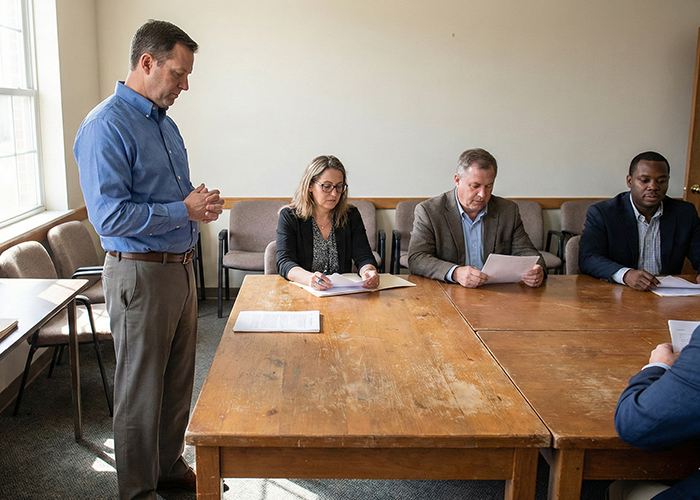
team discussion | hoa board of directors code of conduct
  • Adopt a Written Code: Sometimes, HOAs don’t have a code of conduct set. If your HOA doesn’t already have a formal code of conduct, now is the time to create one. Having a written guide makes it easier to set expectations clearly.
  • Hold Regular Reviews: A code of conduct is not set in stone. Times can change, and your code of conduct may need to be updated. The board should review the document annually to ensure it remains relevant and accurately reflects the current needs of the community.
  • Provide Training: New board members often benefit from orientation or ethics training. Educating members about their responsibilities helps prevent missteps and encourages a consistent approach to governance.
  • Lead With Transparency: Being open about board decisions and community matters fosters trust. Boards should regularly share meeting agendas, minutes, and updates, while still respecting confidentiality when appropriate.

For Homeowners

  • Know the Code: Homeowners should also be aware of the HOA board’s code of conduct. This helps residents keep their HOA board accountable. It also enables residents to understand better why certain decisions are made.
  • Attend Meetings: Homeowner involvement is key to a healthy HOA. Attending meetings demonstrates to the board that residents are engaged, which in turn encourages ethical behavior and good governance.
  • Communicate Respectfully: Respectful dialogue is a two-way street. Homeowners should approach board members politely, even when raising concerns, to maintain constructive and solution-focused community interactions.

Setting an Example

The HOA board of directors code of conduct is one of the most vital foundations for community trust. Board members leading with integrity, respect, and fairness contribute greatly to the HOA’s success. By creating and following a clear standard, your board members can easily stay focused on serving their community with care.

Need professional help in handling and enforcing HOA board member conduct? Personalized Property Management offers HOA management services around Southern California. Call us at 760-325-9500 or email us at info@ppminternet.com for more information!

Related Articles

HOA Board Term Limits: How Long Can They Serve?

It is only fair to give every qualified homeowner a chance to help govern the community. One way to ensure this is done fairly is with HOA board term limits. It helps maintain fair leadership and efficient everyday operations.

What are HOA Board Term Limits?

HOA board term limits refer to the limitation on how long a board member can stay in their position. More specifically, it’s the number of times a resident can run and serve as a board member.

In general, these limits are outlined in the HOA’s governing documents, although in some cases, state laws may influence them.

For California, there are no laws that directly impose an automatic term limit for HOA board members. Therefore, unless stated otherwise by your association’s governing documents, residents can technically serve as board members as long as they continue to get elected. However, it is more common for HOAs to include term limits in their bylaws to promote fairness and avoid having the same leaders over and over again. 

How Long Can a HOA Board Member Serve?

The answer to this depends on your HOA’s specific rules. In many communities, they use a structure that includes two consecutive two-year terms. After that, board members would need to have a one-year break before they can run for a seat again.

Some associations are more flexible. They may allow a board member to have extra term limits in cases where no other resident wants to volunteer. This helps ensure that operations can continue even if there’s a shortage of volunteer candidates.

However, some communities tend to be stricter, enforcing lifetime term limits. This is not that common, however, since it discourages able leaders from contributing in the long term.

What Happens If You Don’t Have Term Limits?

If your association doesn’t have term limits, existing board members can be re-elected as many times as possible. As long as they are eligible and no other candidates that is more capable, they can continue serving for years to come. 

This kind of system can offer stability, especially in communities where it’s hard to find volunteers. Some board members stay on for decades simply because no one else is willing to take on the job. While this keeps operations running smoothly, it can also lead to concerns about limited perspectives and leadership burnout.

Advantages of Term Limits for HOA Boards

board meeting | hoa board term limits

Many communities prefer having HOA board term limits due to the numerous benefits they offer. For one, these limitations help maintain board leadership balanced and keep it fair and focused in the best interest of your association.

Here are some of the advantages:

New Ideas and Different Perspectives

Having term limitations brings fresh new perspectives to the board. In many cases, new members serving their first term can offer innovative solutions and differing opinions on older issues. This easily helps the community grow and adapt in the long run.

Prevents Burnout

Although they want to help out for a long time, burnout can sometimes be unavoidable for existing board members. Serving on the HOA board is both time-consuming and stressful, after all. If you have rotating members, you can provide respite for volunteers before the responsibilities overwhelm them or cause them to disengage.

Encourages Participation

If you have term limits in place, more residents may be interested in volunteering. By letting them know that there will be open seats, it creates opportunities for other capable candidates to step forward and lead.

Drawbacks of Term Limits

Yes, term limits can be helpful, but they aren’t perfect for every HOA. Some communities may encounter challenges with them in place, especially when few homeowners are willing to take on leadership roles. They would likely struggle in maintaining consistent leadership and filling board positions. 

Here are a few potential drawbacks to consider:

Loss of Experience

Many long-serving board members offer valuable knowledge and insights about the community, drawing on their years of experience in leading it. Having term limits, in some cases, can result in losing that type of institutional memory.

Transition issues

If it’s a homeowner’s first time leading the community, it’s expected that they need time to learn the ropes. When a community experiences frequent HOA board turnover, it can hinder project progress or, in extreme cases, compromise the board’s functionality if new leaders are not adequately trained.

Difficulty finding replacements

Some communities, especially smaller ones, struggle to find residents willing to volunteer as leaders. If these HOAs have strict term limits, they may find seats vacant if no one steps forward.

Balanced Approaches to Term Limits

Many HOAs opt for a middle-ground approach to HOA board term limits. These options strike a balance between the need for fresh leadership and the desire for continuity.

  • Two terms on, one term off: This structure lets board members serve for two terms before taking a one-year break. After that break, they can run again. This model helps maintain regular turnover without permanently excluding experienced leaders.
  • Staggered terms: In some communities, their bylaws allow staggered terms. This means they elect a certain number of board seats at different times. With this, not all seats need to be filled all at once, come election time. This helps with continuity while bringing new people to the board regularly.
  • Flexible term limits: Some HOAs enforce term limits only if there are enough qualified candidates. If there’s a shortage, the existing board can continue serving.
  • Delayed implementation: To avoid disrupting current projects, HOAs can set term limits that only take effect after a transition period. This gives the existing board time to prepare for leadership changes.

How to Adopt or Change Term Limits

If your community wishes to add or adjust term limits for HOA board members, you must follow a specific process. Changing term limits usually requires a bylaw amendment, which the homeowners must approve.

  • Review your governing documents: Review your bylaws and CC&Rs to determine their provisions regarding board terms and the amendment process. Some associations already have procedures in place for adding or updating term limits.
  • Draft clear language: Your amendment should specify the maximum term length for board members, the number of consecutive terms allowed, and whether breaks are required between terms.
  • Hold a vote: Most bylaw changes require a vote of the membership. Follow your HOA’s procedures for ballots, notices, and deadlines to ensure a fair and legal process.
  • Communicate with homeowners: Let residents know why you’re proposing the change. Explain the benefits of term limits and how the new system will work.
  • Plan for the transition: If your board is currently mid-term, decide when the new rules will take effect. Allow current board members time to complete their terms and provide guidance to new leaders.

Tips for HOA Boards and Homeowners

smiling board members | hoa board term limits

Setting HOA board term limits is a big decision that can have a lasting impact on your community’s governance. To get it right, your association will need to take a thoughtful approach. Both the board and homeowners should work together to ensure the process is fair, transparent, and benefits the association as a whole.

Here are some helpful tips to guide the conversation and implementation:

  • Know your documents: Before proposing any changes, carefully review your HOA’s governing documents. These will inform you about the current rules, the duration of board terms, and the process for making amendments. Knowing the starting point is essential before initiating discussions about term limits.
  • Engage the community: Effective communication is crucial when implementing new policies. Ensure homeowners understand why term limits are being considered and how they may impact the board. Hosting town hall meetings, sending out newsletters, or creating FAQ sheets can help get everyone on the same page. The more informed your members are, the smoother the process will be.
  • Mentor new leaders: One common concern about term limits is the loss of experienced board members. You can ease this transition by establishing mentorship programs that train new board members under the guidance of outgoing leaders. This helps preserve essential knowledge about the community’s history, ongoing projects, and best practices.
  • Be flexible when needed: Not every HOA has a large pool of volunteers ready to take over board roles. Consider writing in exceptions or backup plans for situations where no new candidates step up.

Finding the Right Balance

HOA board term limits can help strike a balance between new leadership and steady governance. In California, the rules are flexible, allowing each community to decide what works best. By thoughtfully setting term limits, your HOA can keep its board fresh, fair, and focused on the future.

Looking for help in managing HOA board member affairs? Personalized Property Management offers HOA management services around Southern California. Call us at 760-325-9500 or email us at info@ppminternet.com for more information!

Related Articles:

Do HOA Board Members Get Paid?

Serving on an HOA board can sometimes feel like a full-time job. Between reviewing budgets, handling community concerns, and keeping up with ever-changing laws, many people wonder: “Do HOA board members get paid for all this work?” The answer isn’t always simple, but it matters for every association to understand the rules, expectations, and implications.

What Does an HOA Board Member Do?

Before addressing questions of pay, it is helpful to step back and examine what the job entails. Many homeowners are surprised when they realize the extent of the responsibility that comes with serving on the board.

Board members aren’t simply figureheads. They are the governing body of the association and carry fiduciary duties to act in the best interests of the entire community. The day-to-day work can cover a wide range of tasks, such as:

  • Reviewing and approving budgets and financial reports
  • Overseeing the maintenance of common areas and amenities
  • Hiring and supervising vendors and service providers
  • Creating and enforcing community rules
  • Handling resident concerns and resolving disputes
  • Ensuring compliance with state laws and local ordinances
  • Managing association records and legal documents
  • Planning for long-term reserve funding and capital improvements

It’s a serious role that takes time, good judgment, and a genuine willingness to serve. For many board members, the reward comes from helping their community run smoothly and remain a great place to live, even though the work behind the scenes can sometimes go unnoticed.

Why the Question of Payment Keeps Coming Up

Spend a little time talking with fellow HOA board members, and it’s bound to surface: “Are we supposed to get paid for this?” It’s a fair question. The workload can be hefty. Responsibilities range from overseeing major repairs to negotiating contracts to resolving resident disputes. 

People also compare it to other types of boards. Nonprofit boards often operate as unpaid volunteer positions, while corporate boards can be pretty lucrative. Naturally, curiosity arises about the HOA world: Do HOA board members get paid in the same way?

It turns out, there’s no universal answer.

What the Law Says

In California, most homeowners’ associations are established as nonprofit mutual benefit corporations and operate under the Davis-Stirling Common Interest Development Act. Under this framework, HOA board members typically serve in a volunteer capacity.

California Corporations Code Section 7231.5 (b) helps clarify this. It defines volunteer directors as those who perform their duties without receiving compensation.

An HOA’s governing documents typically dictate whether compensation for board members is allowed at all. In many cases, these documents either prohibit compensation outright or remain silent, implying that compensation is not permitted.

If the documents authorize compensation, the association must still comply with all relevant legal requirements and understand that any paid board members will no longer enjoy volunteer protections under Section 7231.5.

That’s one reason most boards choose to remain strictly volunteer-based. The combination of legal complexity, insurance questions, and community trust makes compensation more trouble than it’s worth for many associations.

What About Reimbursements?

While direct pay is rare, reimbursements are very common. After all, board members frequently spend their own money to fulfill their duties, and expecting volunteers to cover these costs out of pocket isn’t exactly fair.

Properly documented and board-approved reimbursements aren’t considered “pay.” They’re simply a way to make sure serving on the board doesn’t become a financial burden. This helps attract a broader pool of volunteers and keeps the board accessible to all homeowners, not just those with disposable income.

So, what kinds of expenses are typically reimbursable? It can vary by community, but common examples include:

  • Mileage or fuel costs for driving to off-site meetings, training events, or property inspections
  • Registration fees for HOA-related education seminars or conferences
  • Office supplies used for board work (printer ink, paper, notebooks)
  • Postage and shipping for sending out board-related communications
  • Meals incurred while attending full-day training sessions or official business meetings off-site
  • Copies of legal or industry publications that are necessary for fulfilling board responsibilities

If handled properly, reimbursements are a simple way to respect the time and effort board members contribute, without crossing the line into actual compensation.

Should HOA Board Members Get Paid?

payrol | do hoa board members get paid

Here’s where opinions start to vary. The question “Should HOA board members get paid?” sparks lively debate in many communities.

On one hand, paying board members might encourage more homeowners to step up. It could also help attract candidates with professional experience that benefits the association.

On the other hand, compensation can create uncomfortable dynamics. Neighbors may feel board members are serving their own interests, not the community’s. Disagreements over the amount of pay (or whether it’s deserved) can lead to division.

It also changes expectations. Once you pay someone, the relationship shifts, and members may begin treating the board as a service provider instead of volunteer leadership.

Ultimately, each association must carefully weigh these trade-offs. Community culture, budget constraints, and legal considerations all play a part.

The “Salary” Question: What About the Board President?

It’s natural for people to ask: Is there a standard HOA board president salary? The short answer: typically, no.

In most California HOAs, even the president serves without compensation. The role also carries additional responsibilities, including chairing meetings, serving as the primary spokesperson, and coordinating with the management company. However, it’s still fundamentally a volunteer post.

That said, some large-scale or high-profile communities might authorize a modest stipend for the president, again provided the bylaws allow for it. Even then, the amounts tend to be symbolic and nowhere near the realm of a full-fledged salary.

More often than not, the “compensation” for being president comes in intangible forms: the satisfaction of leading the community, the ability to steer essential initiatives, the camaraderie of working with fellow board members.

Why Most Boards Stay as Volunteers

Beyond legal restrictions, there are deeper reasons most HOAs remain volunteer-run:

  • Trust: Homeowners often feel more comfortable knowing their peers are serving for the right reasons: commitment to the community, not financial gain.
  • Affordability: Many associations can’t justify paying directors from already stretched budgets.
  • Culture: Volunteerism fosters a spirit of collaboration and teamwork. Paid roles can sometimes erode that spirit.
  • Governance clarity: Mixing payment into board roles complicates legal compliance, tax reporting, and fiduciary duties.

Of course, managing an HOA isn’t all handshakes and holiday parties. The workload can be immense, which is why strong partnerships with management companies are so important.

A capable management company can handle day-to-day operations, freeing board members to focus on policy and oversight. That helps keep board service sustainable, even without pay.

Special Situations: Paid Committee Members

Occasionally, you’ll encounter HOAs that offer stipends not to board members, but to committee chairs or members, especially for demanding roles like architectural review.

Again, this requires explicit authority in the governing documents. It also requires careful thought about community expectations and tax implications.

If your association is considering this route, it’s wise to consult both your attorney and CPA. What sounds simple on paper can quickly become a legal tangle if mishandled.

Risks of Paying Board Members

While some communities are tempted to experiment with compensation, there are real risks involved:

  • Tax consequences: Payments may trigger payroll tax obligations
  • Insurance coverage: Many Directors & Officers (D&O) insurance policies limit coverage for paid directors and officers. If your policy falls into this category, compensating board members could create uninsured liability.
  • Loss of volunteer protections: Unpaid directors in California enjoy certain legal protections under the Corporations Code. Those protections may not apply once compensation is involved.
  • Perception issues: Even a small stipend can generate controversy if not well-communicated and supported by the membership.

None of these are insurmountable, but they are real. Associations should tread carefully.

Alternatives to Direct Pay

board trarining | do hoa board members get paid

If your board struggles with burnout or recruitment, there are ways to show appreciation without writing paychecks:

  • Professional training: Cover the cost of seminars or certifications that help board members perform their roles.
  • Social recognition: Public thank-yous in newsletters or at community events can go a long way.
  • Flexible commitments: Consider lighter meeting schedules or staggered terms to make service more manageable.
  • Support systems: Partner with a skilled management company to ease the workload.

Bringing in Professional HOA Management Company Support 

When board members start to feel stretched thin, it’s tempting to think compensation is the answer. But often, what they really need is support, and that’s where a good management company comes in.

Professional managers handle the operational load: coordinating vendors, managing finances, preparing reports, and responding to homeowners. With that help, board members can focus on leadership and policy, rather than getting bogged down in the daily grind.

In many cases, strong management partnerships reduce the need for and the desire to pay board members. Sometimes the real solution isn’t money; it’s simply better backup.

Acting on Goodwill

In many ways, HOA boards run on goodwill. The dedication of volunteers helps keep communities thriving. When directors feel respected and supported, everyone benefits.

Looking to support your HOA board of directors with professional management help? Personalized Property Management offers HOA management services around Southern California. Call us at 760-325-9500 or email us at info@ppminternet.com for more information!

Related Articles

How To Handle HOA Complaints Effectively

HOAs are not immune to resident dissatisfaction. From barking dogs to what residents may think is board misconduct, HOA complaints are an unavoidable part of community life. However, how these concerns are managed directly impacts resident trust, board credibility, and the overall health of the community.

Understanding Common Types of HOA Complaints

Before a board can resolve issues effectively, it must first understand the types of problems most commonly reported in HOA communities. Common categories include:

Maintenance Issues

Unmaintained common areas, broken lights, or malfunctioning irrigation systems often spark complaints. Residents expect timely upkeep, and visible neglect can quickly lead to frustration.

Noise Disturbances

Complaints about loud music, barking dogs, or ongoing construction are among the most frequent. While some level of noise is expected in any neighbourhood, repeated disturbances can affect residents’ quality of life.

Parking and Vehicle Violations

Limited space can make parking a contentious issue. Disputes often arise over guests parking in unauthorized areas, unregistered vehicles, or the long-term storage of inoperable cars.

Rule Violations

Residents may report neighbours for leaving trash bins out for too long, not cleaning up after their pets, or making unauthorized architectural changes. These complaints often come from members who expect consistent enforcement of HOA regulations.

Board Misconduct or Lack of Transparency

Some homeowners file complaints against the HOA itself, citing poor communication, financial opacity, or biased rule enforcement.

Neighbor Disputes

Disagreements between neighbours can end up on the HOA’s radar when the parties cannot resolve matters on their own.

A Step-by-Step Process for Handling HOA Complaints

Having a straightforward process for addressing HOA complaints helps maintain fairness, transparency, and trust within your community.

Step 1: Make It Easy to File a Complaint

Start by offering a clear and simple way for residents to submit complaints. Provide an online or printed form, and clearly outline where to send it. You may do so via email, the community portal, or by using a physical drop box.

Request basic details, such as the date, description, and any supporting materials. Let residents know when and how to use the process so concerns don’t get lost in informal conversations. This helps ensure that every complaint is tracked and handled appropriately from the start.

Step 2: Respond Quickly

Acknowledging complaints within a day or two helps residents feel that they are being heard. A brief email or phone call demonstrates that the board is paying attention.

Even if a complete response isn’t ready, letting someone know you’ve received their concern builds trust. It also sets the tone for respectful communication and shows that the HOA values transparency.

Step 3: Investigate Fairly

Take time to look into the issue without jumping to conclusions. Review the HOA’s rules, check the facts, and gather any evidence like photos or emails.

Speak with people involved when necessary, and stay neutral throughout the process. Being thorough and unbiased helps maintain the board’s credibility and reassures residents that the process is fair.

Step 4: Keep Everyone Informed

talking over phone | hoa complaints

While the board is working on the complaint, keep the resident in the loop. Silence can lead to frustration or assumptions.

Brief updates help reassure residents that the issue is being taken seriously, especially when there are delays. Regular communication demonstrates that the board is committed to resolving problems, rather than ignoring them.

Step 5: Take Action If Needed

If a rule was broken, you need to follow the HOA’s governing documents when responding. This means you might need to send a notice, indicate a deadline for correction, or impose fines. Be sure to act within the authority granted by your CC&Rs and bylaws.

For more complex or personal disputes, consider offering mediation as a means of resolution. If no violation occurred, explain the decision clearly and respectfully, using the HOA’s rules to support your explanation.

Step 6: Follow Up After Resolution

Once the issue is resolved, please reach out to the resident to explain the actions taken. This final step helps close the loop and shows accountability.

Even if the outcome wasn’t in their favor, a follow-up helps maintain goodwill. It also reinforces the HOA’s commitment to fair and responsive governance.

Best Practices for Handling Complaints

Even the best procedures won’t be effective without the right approach. Consider these practices to improve how the board handles resident concerns.

Stay Neutral

Avoid favouritism. Treat both the complainant and the accused party with equal respect and impartiality.

Respond Promptly

Delays in processing a complaint can undermine confidence in the board. Establish clear response timelines and stick to them.

Keep Detailed Records

Document all steps taken, including initial reports, investigation notes, communications, and final resolutions. These records are vital if disputes escalate or recur.

Leverage Technology

Digital platforms can simplify the tracking, submission, and communication of complaints. Tools such as online portals or HOA management software can help streamline the entire process.

Educate Residents

Many complaints stem from misunderstandings. Utilize newsletters, welcome packets, and community meetings to educate residents on rules, procedures, and the proper process for reporting issues.

Legal Considerations in Complaint Handling

Handling HOA complaints goes beyond the idea of fairness. It’s also a legal responsibility for all board members. Boards must remain compliant with state laws, especially in jurisdictions like California, which has comprehensive HOA regulations.

Confidentiality

Do not share the identity of the complainant or other private information with uninvolved parties. Confidentiality helps avoid retaliation and legal liability.

Due Process

Boards must give alleged violators a fair chance to respond. For example, California’s Civil Code §5855 mandates written notice and an opportunity for a hearing before penalties can be imposed.

Consistency and Fairness

Selective enforcement can lead to claims of discrimination. All rules must be applied equally to avoid liability under state and federal laws.

Know Your Legal Obligations

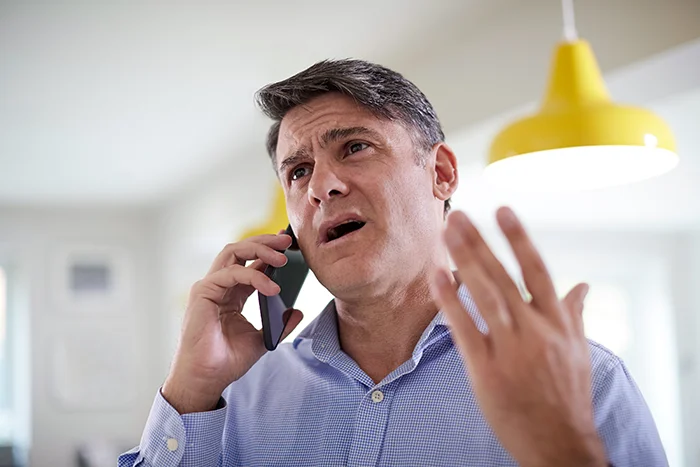
man with complaints | hoa complaints

Some of the most important California laws HOAs must understand include:

  • Civil Code §5855: Requires notice and a chance for a hearing before imposing disciplinary action
  • Civil Code §5900: Outlines a homeowner’s right to internal dispute resolution (IDR)
  • Civil Code §4930: Specifies how agenda items, including homeowner-submitted topics, should be handled at board meetings
  • Civil Code §4765: Governs the architectural review process and appeals

Noncompliance with these statutes can put the HOA at legal risk, particularly when the complaint involves board behaviour or enforcement.

Special Considerations for Complaints Against the Board

Complaints aimed at the board itself require careful and transparent handling. These situations can quickly erode community trust if not addressed with integrity.

Formalise the Process

Create a written policy that explains how residents can file complaints against the board. Include:

  • Accepted submission methods
  • Required information (e.g., details, evidence)
  • Expected response timeframes
  • Escalation procedures, including the use of IDR or third-party review if needed

Acknowledge Promptly

As with all complaints, prompt acknowledgement is key. Even if resolution takes time, early communication reassures residents that the issue is under review.

Investigate Thoroughly

Investigations into board conduct should be impartial. Consider appointing a neutral party, such as a management company or external consultant, to avoid conflicts of interest.

Enforce Rules Equally

Boards should not be above the rules they enforce. If misconduct is confirmed, follow the same disciplinary procedures applied to residents, and document everything carefully.

Share Outcomes (Within Limits)

While you must maintain confidentiality, it’s also essential to let the complainant know how the issue was addressed. Summarise actions taken and offer appeal or dispute resolution options if needed.

Preventing Complaints Before They Arise

Proactive governance can reduce the volume and severity of complaints.

Promote Open Communication

When residents feel heard, they’re less likely to escalate issues. Host open meetings, create opportunities for community input, and maintain clear communication channels.

Apply Rules Consistently

Consistency is key to preventing accusations of bias. Boards should apply rules fairly, regardless of personal relationships or resident status.

Ensure Transparency in Operations

Share budgets, project updates, and rule changes openly. Boards that communicate clearly about their decisions build trust and reduce suspicion.

Train Board Members and Staff

All board members should receive training on:

  • Governing documents and bylaws
  • California HOA laws (if applicable)
  • Complaint handling
  • Communication and customer service
    Partner with legal counsel or your management company to deliver training regularly.

Monitor Trends and Patterns

Track complaints over time to identify recurring issues. For example, frequent complaints about lighting might suggest the need for infrastructure upgrades. Taking preventative steps reduces future grievances.

What Homeowners Should Know About Filing a Complaint

Homeowners play a role in ensuring complaints are handled efficiently. Here’s how residents can help the process work better:

  • Use the Right Channels: Submit complaints using the official forms or portals provided by your HOA.
  • Be Clear and Factual: State what happened, when, and where. Stick to facts, not emotions.
  • Include Evidence: Attach relevant documents or photos to support your complaint.
  • Be Patient: Understand that investigation and resolution may take time. Avoid repeated follow-ups unless there are new developments.

A well-submitted complaint is easier for the board to resolve and more likely to result in a fair outcome.

From Conflict to Community

While it’s impossible to prevent all HOA complaints, boards that respond professionally, fairly, and consistently can turn complaints into opportunities for growth. An effective complaint resolution process serves as a building block of strong community management.

Do you need help in managing your HOA community? Personalized Property Management offers HOA and property management services around Southern California. Call us at 760-325-9500 or email us at info@ppminternet.com for more information!

Related Articles

How Can Your HOA Benefit From A HOA Performance Review

Feedback Concept. The meeting at the white office table. | hoa performance review

A routine HOA performance review can easily add to how well associations serve their communities. For one, having a structured review, including board operation assessments and goal setting, can help your community achieve significant improvements.

What is an HOA Performance Review?

Think of it as a health check for your homeowners association. It’s a structured look at how well the board and management are carrying out their responsibilities. This means reviewing everything from finances and vendor contracts to community rules and resident feedback. The goal? To better understand what’s being handled well and where improvements can be made.

Beyond the checklist, it also opens the door to greater transparency and better planning. By taking a close look at how things are run, the board can foster stronger connections with residents and make more informed decisions for the future.

Why Your HOA Should Conduct Regular Reviews

You don’t need to wait for problems to pop up to conduct a review. Regular reviews often uncover minor issues before they snowball into bigger headaches. Here’s what a good review process can offer:

1. It Promotes Accountability

When board members and managers know their work will be evaluated, it encourages everyone to stay on top of their roles. It also creates a more level playing field, as everyone is held to the same standards.

2. It Builds Trust Through Transparency

Sharing review results with residents shows that the board isn’t operating behind closed doors. It helps homeowners feel more involved and reassured that leadership is committed to doing what’s best for the community.

3. It Highlights What Needs Fixing

Even the best-run HOAs have blind spots. A performance review might uncover outdated processes or communication gaps you didn’t even realise were there. Addressing those sooner rather than later can save a lot of time and frustration.

4. It Helps With Future Planning

When you know what’s working and what isn’t, it becomes much easier to set realistic goals. Whether you’re preparing a new budget or planning capital improvements, performance reviews provide a helpful starting point.

5. It Strengthens Community Relationships

When residents see that leadership takes feedback seriously and is open to evaluation, it sets a positive tone. It shows that the board cares, and it can inspire more homeowners to get involved, attend meetings, or even consider running for a seat.

6. Improve Decision-Making

With data and observations collected from a review, boards are better equipped to make thoughtful decisions. Instead of relying on assumptions or outdated habits, they can use facts to guide their actions. This leads to more efficient operations and better outcomes for the community.

7. Encourage Constructive Feedback

Regular reviews open the door for honest conversations among board members and between the board and management. By creating a safe space for feedback, the HOA cultivates a culture of continuous improvement and collaboration.

HOA Board Performance Review: Taking a Look Inward

A key part of any HOA performance review is taking an honest look at how the board functions. Board members often come from different backgrounds, and not everyone has experience running a community. That’s okay, but checking in on things like meeting productivity, financial oversight, and communication with residents helps keep everyone on track.

A board review might include questions like:

  • Are we making informed, timely decisions?
  • Do our meetings stay focused and productive?
  • Are we following our community’s governing documents?
  • Are we listening to residents and responding with respect?

These self-assessments don’t need to be complicated. Something as simple as an anonymous survey or a facilitated group conversation can reveal valuable insights. Even a high-functioning board can benefit from stepping back and reassessing how it operates.

HOA Board Self-Assessment: Creating a Culture of Accountability

Board member leading a meeting in the boardroom | HOA performance review

A board self-assessment is a specific type of HOA performance review focused entirely on board operations. It encourages members to reflect individually and collectively on how well they fulfill their duties. This includes reviewing the board’s understanding of legal obligations, conflict management, and adherence to community values.

Self-assessments often lead to more open communication among board members. When people are encouraged to be honest about their performance, it can create a stronger sense of accountability and foster teamwork. In turn, this helps boards make more thoughtful decisions and improves leadership over time.

It is helpful to conduct these assessments at least once a year, especially before elections or during strategic planning. This ensures that the current board sets the tone for incoming members and maintains continuity across leadership transitions.

Evaluate HOA Manager: Reviewing Your Professional Partners

Most communities rely on an HOA manager or management company to handle daily operations. A performance review should also include this professional partner. It’s important to know whether they’re delivering on expectations and supporting the community effectively.

Key areas to evaluate might include:

  • How well do they communicate with residents and the board?
  • Are they staying on top of vendor contracts and keeping up with maintenance schedules?
  • Is the financial reporting clear and on time?
  • Do they demonstrate knowledge of HOA laws and your governing documents?
  • How well do they handle resident concerns or disputes?

Like board reviews, this shouldn’t feel like a punishment—it’s about making sure the partnership is strong and everyone is aligned.

HOA Review: Setting Goals and Tracking Progress

A performance review is not only about looking backward. It also lays the groundwork for future planning. An HOA review can identify specific goals, such as improving communication, refining rule enforcement, or updating outdated policies.

Tracking these goals over time provides a sense of progress. It allows the board to revisit earlier decisions and evaluate whether actions taken were practical. It also offers a way to document achievements that your HOA can share with the community or can serve as a reference during leadership transitions.

Some HOAs choose to publish an annual performance report that summarizes the results of their reviews and outlines next steps. Many residents value this kind of transparency, and it may even lead to increased community engagement.

Making Performance Reviews Part of Your HOA Culture

To get the most out of HOA performance reviews, it helps to incorporate them into your annual calendar. Treat reviews as part of your standard operating procedures, not just something to do in response to problems.

Some associations include performance reviews as part of their annual planning meetings. Others tie them to budget season or board elections. The most important thing is consistency. When you regularly conduct reviews, they become less intimidating and more useful.

It can also be helpful to work with a third-party facilitator or management professional to guide the review process. An outside perspective may bring valuable insight, especially when dealing with sensitive topics or interpersonal dynamics.

Keep in mind that reviews should be well-documented. Whether you use checklists, surveys, or discussion notes, maintaining records of your evaluations helps ensure follow-through. It also creates a paper trail that can be helpful if legal or financial issues ever arise.

The Right Time for a Review

Focused woman analyst working with documents and a laptop | hoa performance review

There’s no set-in-stone rule for when to conduct an HOA performance review, but some moments make more sense than others.

After a major project, such as a roof replacement or amenity upgrade, is a smart time to review how things were managed. It’s a chance to learn from experience and improve for next time.

During budget planning, a review can help you prioritize spending and identify areas that need more attention or better funding.

Board transitions are another good time. Whether it’s right before or just after an election, reviews help new members understand how the HOA has been operating.

You might also consider a review if:

  • You’ve recently hired a new manager or changed management companies.
  • Residents have raised concerns or submitted repeated complaints.

Even without a significant event, setting a routine annual review is good practice. It keeps the board aligned, accountable, and responsive to the evolving needs of your community.

Encouraging Resident Involvement

Residents don’t need to join in every part of the review directly, but they should be kept informed. Transparency increases trust. Letting homeowners know that the board and managers have standards to meet reassures them that leadership is committed to quality.

Some boards opt to include resident surveys or town hall meetings as part of their performance review process. These tools allow community members to express concerns, offer praise, and share ideas. While resident feedback shouldn’t be the only measure of performance, it provides essential context for understanding how leadership decisions impact everyday life in the community.

Looking Back to Move Forward

A well-executed HOA performance review isn’t just a formality—it’s a valuable tool for improvement, planning, and connection. By making performance reviews part of your regular operations, your HOA can stay responsive, efficient, and aligned with the needs of your residents.

If you want to stay on top of your HOA’s benchmarks and metrics, Personalized Property Management offers HOA management services around Southern California. Call us at 760-325-9500 or email us at info@ppminternet.com for more information!

Related Articles:

Understanding HOA Treasurer Duties And Best Practices

board member checking bills | hoa treasurer duties

From overseeing budgets to preparing reports, HOA treasurer duties require attention to detail, transparency, and trustworthiness. But what does it exactly entail?

What is the HOA Treasurer’s Role?

Every HOA board is composed of elected members, and one of the most vital positions is that of treasurer. This officer is the financial steward of the association and is responsible for ensuring that the community’s money is handled responsibly and transparently.

The HOA treasurer job description can vary based on the size of the community, the complexity of the budget, and whether a management company is involved. However, the essence of the role remains the same: managing and reporting on the HOA’s financial health.

In many communities, the treasurer works closely with the management company’s accounting team. Still, even when professionals handle the day-to-day bookkeeping, the treasurer is ultimately accountable to the board and residents for the HOA’s financial integrity.

Core HOA Treasurer Duties

Understanding HOA treasurer duties starts with getting familiar with the primary financial responsibilities of the position. Here are the core tasks treasurers are expected to perform:

1. Managing the Budget

The treasurer helps create, monitor, and enforce the annual budget. This includes estimating expenses, anticipating revenue (usually through assessments), and adjusting for inflation or rising costs.

Each year, the treasurer typically begins working on a draft budget in advance of the fiscal year. This draft is then reviewed and refined in coordination with the board and, when applicable, the management company.

Once approved, the treasurer monitors actual spending against the budget and flags any significant variances. This budget oversight helps keep the community on solid financial ground.

2. Overseeing Income and Expenses

Business graphs and charts on table | hoa treasurer duties

Tracking money coming in and going out is a key part of the HOA treasurer’s responsibilities. Treasurers ensure that assessments are being collected on time and that vendors are paid appropriately.

Even when accounting systems or professional management teams are involved, treasurers review financial statements regularly. This includes evaluating line items such as maintenance fees, landscaping contracts, reserve contributions, and utility costs.

Unexpected costs, like emergency repairs, also fall under the treasurer’s watch. It’s their job to advise the board on how best to cover these expenses, whether from operating funds or reserves.

3. Reserve Fund Planning

HOAs are expected to maintain reserves for future capital expenses, such as roof replacements, repaving streets, or upgrading common areas. The treasurer helps assess how much should be saved each year and ensures reserve contributions are being made according to the plan.

A reserve study, typically conducted by a professional, provides a roadmap. The treasurer uses this study to guide reserve allocations and communicates funding needs to the board.

Proper reserve management protects the community from financial surprises and reduces the risk of needing special assessments.

4. Producing the HOA Treasurer Report

One of the most visible and essential parts of the role is creating and presenting the HOA treasurer report. This report gives the board and community members insight into the association’s financial condition.

Typically, the treasurer prepares monthly or quarterly reports, which may include:

  • Balance sheets
  • Income and expense statements
  • Year-to-date budget comparisons
  • Reserve account status
  • Past-due assessments

These reports are often presented at board meetings and included in meeting minutes or homeowner newsletters. A well-prepared treasurer’s report promotes transparency and fosters trust within the community.

5. Maintaining Financial Records

Proper documentation is essential for every homeowners’ association. The treasurer ensures that financial records are accurate, well-organized, and compliant with local and federal regulations.

This includes saving invoices, contracts, bank statements, tax filings, and audit results. Many communities also use accounting software to store and access this information securely.

Accurate records not only help with day-to-day management but are also necessary in the event of a financial review, audit, or legal issue.

Supporting Roles and Collaboration

The treasurer doesn’t work in isolation. A strong working relationship with the property manager, accountant, and other board members is key to success.

For example, when homeowners have questions about their assessments, the manager may handle the interaction. Still, the treasurer is involved behind the scenes, ensuring policies are clear and fees are applied consistently.

The treasurer may also collaborate with the board president and secretary to develop clear financial policies or help the architectural review committee understand how proposed projects affect the budget.

When boards work as a team, the treasurer’s workload becomes more manageable, and the association benefits from better decision-making.

Best Practices for HOA Treasurers

Even seasoned treasurers can benefit from reviewing key best practices. The following tips help ensure accurate financial management and good governance.

Understand the CC&Rs and Bylaws

The HOA’s governing documents often outline specific financial procedures or spending limits. As treasurer, it is essential to be familiar with these requirements, including the process for approving budgets and determining whether member votes are required for specific expenditures.

Missteps in this area can lead to disputes, delays, or even legal complications.

Stay Transparent and Communicate Clearly

Homeowners want to know how their money is being spent. Providing regular, easy-to-understand updates builds confidence and helps avoid rumours or dissatisfaction.

It’s wise to keep financial terms simple and provide context for any budget variances or special projects.

Follow a Consistent Reporting Schedule

Whether monthly or quarterly, reports should follow a reliable schedule. When homeowners and board members know when to expect updates, it reinforces accountability and helps with long-term planning.

Sticking to a reporting routine also helps the treasurer stay organised and on top of changes.

Monitor Delinquencies Promptly

Part of the HOA treasurer’s responsibilities includes staying aware of overdue payments. While enforcement is usually handled by the manager or collections agency, the treasurer should review delinquency reports regularly.

Timely monitoring allows the board to address issues early and prevent significant revenue gaps.

Prepare for Annual Audits or Reviews

five people meeting at a board room | hoa treasurer duties

Many associations undergo an annual financial review or audit by a certified public accountant (CPA). The treasurer helps prepare for this process by gathering documents, answering questions, and working with the auditor or management company.

Even if an audit isn’t legally required, regular reviews can uncover issues before they become serious problems and reassure homeowners that the board is acting responsibly.

Common Challenges HOA Treasurers Face

Being a treasurer is a rewarding but demanding role. Several challenges can arise, particularly in communities with limited participation or high volunteer turnover.

One common issue is the lack of clear financial records from past boards. In these cases, the treasurer may need to spend extra time reconstructing budgets, finding old invoices, or updating reserve forecasts.

Another challenge is balancing the budget when unexpected repairs arise. For example, a failed irrigation system or roof leak might cost more than the reserve balance allows. The treasurer must work with the board to evaluate options, such as deferring other expenses, negotiating vendor terms, or seeking owner approval for a special assessment.

Treasure also needs to keep up with changes in tax laws, accounting standards, and HOA statutes that affect financial governance.

Transitioning the Role Smoothly

When a new treasurer is elected or appointed, the transition process should be as smooth as possible. Outgoing treasurers can help by:

  • Organizing and sharing electronic and hard-copy records
  • Providing an overview of current budgets, vendor contracts, and bank accounts
  • Explaining ongoing projects or upcoming payments
  • Introducing the new treasurer to the property manager or accountant

This handoff ensures continuity and helps the new treasurer feel more confident stepping into the role.

Tools That Make the Job Easier

Today’s treasurers aren’t stuck with spreadsheets and paper files. Various tools and platforms can simplify and streamline financial tracking.

HOA management software often includes accounting modules with features like:

  • Automated invoicing and assessment collection
  • Expense tracking
  • Real-time financial reporting
  • Reserve tracking
  • Delinquency management

When used consistently, these tools reduce manual errors, allowing treasurers to focus on strategy rather than data entry.

Creative Solutions for Small HOAs

In smaller communities, treasurers may not have the luxury of professional management. In those cases, finding practical and affordable solutions is essential.

Free or low-cost accounting software, such as QuickBooks or Wave, or spreadsheet templates designed explicitly for HOAs can provide a structured approach. These tools may not be as comprehensive as management platforms, but they can effectively meet basic needs.

Board members should also consider sharing responsibilities or rotating tasks. For example, one member might handle bank deposits while another oversees bill payments. Clear documentation is essential when splitting duties to avoid confusion or missed deadlines.

When to Seek Professional Help

Some treasurers, especially in larger or more complex associations, eventually realise that professional support is necessary. A CPA can help with budgeting, audits, or tax filings. Bookkeepers can manage day-to-day entries and reconciliations.

Even in self-managed HOAs, hiring part-time financial support can relieve pressure on the treasurer and improve accuracy.

In Southern California, where state laws and reserve funding regulations can be especially nuanced, having expert guidance is often a wise investment.

Closing the Ledger

A well-functioning HOA depends on sound financial management, and that begins with an informed and engaged treasurer. By understanding the full scope of HOA treasurer duties, embracing best practices, and using available tools, you can help your community remain fiscally secure and well-prepared for the future.

Looking for further support for your HOA community? Personalized Property Management offers HOA management services around Southern California. Call us at 760-325-9500 or email us at info@ppminternet.com for more information!

Related Articles:

HOA Secretary Duties: More Than Just Taking Minutes

businesswoman showing clipboard to client during meeting | hoa secretary

Every homeowners association depends on a reliable board to keep things running smoothly. Among the key roles, the HOA secretary holds a position that often gets overlooked—but it’s one of the most essential for keeping the association legally compliant, organized, and transparent.

Understanding the HOA Secretary Job Description

At first glance, the HOA secretary job description might seem simple: attend meetings, take minutes, file documents. But in reality, the scope of HOA secretary duties goes well beyond basic clerical work. Secretaries play a vital role in ensuring that the association operates efficiently and follows state laws and the HOA’s governing documents.

In many California communities, especially those in Southern California, where HOA regulations can be complex, the secretary serves as the official custodian of records and a central point of communication for both board members and homeowners. Accuracy, discretion, and organization are essential qualities for this position.

The Core HOA Board Secretary Duties

Let’s break down the most critical HOA board secretary duties to understand why this role carries so much responsibility.

1. Preparing and Maintaining Official Records

woman looking through files | hoa secretary duties

One of the most important duties of the HOA secretary role is maintaining the association’s official documents. This includes:

  • Meeting minutes: These are the formal, written records of all board and membership meetings, documenting discussions, motions, and decisions.
  • Governing documents, such as bylaws, CC&Rs, and articles of incorporation, define the HOA’s rules, structure, and powers. The secretary ensures that the latest versions are properly stored and referenced.
  • Membership rosters: A current list of homeowners, including contact details and voting eligibility, which is essential for elections and notices.
  • Board resolutions: Formal decisions adopted by the board that need to be filed and referenced in future governance.
  • Election records: These include ballots, voter lists, and certification documents to verify compliance with legal and procedural standards.

The secretary ensures that these records are updated, properly stored, and accessible to board members and, where appropriate, homeowners. In California, HOAs are subject to the Davis-Stirling Act, which outlines specific requirements for recordkeeping and member access. A secretary’s oversight helps keep the board in compliance.

2. Managing Meeting Minutes

Taking minutes is a well-known responsibility, but it’s more involved than just jotting down notes. Meeting minutes are legal documents. They serve as the official record of what the board discussed and decided, and can be requested by homeowners or even examined in legal disputes.

A good secretary prepares by reviewing the agenda in advance, noting expected motions, and staying alert during discussions to clearly and concisely capture the decisions. After the meeting, the minutes are reviewed, cleaned up, and stored for future reference.

3. Distributing Notices and Agendas

Another key responsibility of the HOA secretary is ensuring that meeting notices are sent out on time and that agendas are made available to members in accordance with the law. In California, most HOAs are required to give at least four days’ notice for regular meetings and two days for executive sessions.

The secretary is usually the one who drafts and distributes these communications. Timeliness and accuracy are crucial here—mistakes can invalidate board actions or lead to legal challenges.

4. Overseeing Association Correspondence

The secretary often acts as the board’s liaison for official correspondence. This could include responding to homeowner inquiries, distributing updates, or managing communication with vendors, attorneys, and property managers.

While the board may rely on a management company to handle day-to-day homeowner requests, the secretary often reviews and signs off on letters related to board decisions or formal notices. Clear, professional communication is essential to maintaining trust and transparency.

5. Supporting Elections and Voting Processes

We are here to help text on notepad cover | hoa secretary duties

Board elections must be conducted fairly and in accordance with the HOA’s bylaws and California Civil Code. The homeowners association secretary’s duties during election season are critical to ensuring everything goes smoothly. These responsibilities may include:

  • Certifying voter eligibility
  • Overseeing the distribution and collection of ballots
  • Coordinating with inspectors of elections
  • Verifying quorum
  • Documenting results

Even though third-party inspectors are required in many cases, the secretary still plays a hands-on role in organizing the process and maintaining the integrity of the records.

Beyond the Basics: Additional HOA Secretary Responsibilities

While the duties listed above are standard, many HOAs—predominantly self-managed associations—lean on the secretary for even more.

1. Policy and Procedure Updates

The secretary may take the lead on reviewing and recommending updates to association policies, particularly those that affect documentation, communication, and transparency. When laws change, someone needs to verify whether the board’s current processes still comply, and that task often falls to the secretary.

2. Archiving and Transitioning Records

When new board members are elected, the secretary helps manage the transition. That includes ensuring that incoming members receive all necessary documents, handing over records, and maintaining continuity. The smooth handoff of documentation can affect how quickly a new board can get up to speed.

Long-term archiving is also critical. Not all records can be kept indefinitely, and the secretary must know what to retain, what to discard, and when to do so. In a Southern California HOA, where management transitions are frequent, proper archiving is crucial for preserving institutional knowledge.

3. Supporting the President and Other Board Members

The secretary often works closely with the board president, helping to prepare for meetings, compile reports, and distribute information. They may also assist other board members in tasks that require coordination or documentation. This makes the secretary a kind of internal project manager, especially in smaller associations.

4. Working with the HOA Manager

two hoa board members talking | hoa secretary

If the HOA works with a management company, the secretary serves as a liaison between the board and the manager regarding documentation and communication. The management team might handle a large portion of the administrative load. However, the secretary still has the legal responsibility to ensure tasks are completed according to the association’s rules and state requirements.

Traits of an Effective HOA Board Secretary

Given the depth of HOA secretary duties, the person filling this role needs to bring more to the table than just a willingness to take notes. Some of the most valuable traits include:

  • Attention to detail: Mistakes in meeting minutes or records can lead to legal complications or homeowner complaints.
  • Organizational skills: The ability to file, retrieve, and manage documents is central to the job.
  • Professional communication: Whether it’s sending out notices or answering homeowner questions, tone and clarity matter.
  • Discretion: The secretary may handle sensitive or confidential information and must know when to speak and when to stay silent.
  • Legal awareness: A general understanding of California HOA law, especially the Davis-Stirling Act, helps avoid compliance issues.

Training and Support for the Secretary Role

Because the role is so multifaceted, many new secretaries feel overwhelmed. Fortunately, resources are available. HOA attorneys, management companies, and organizations like CAI (Community Associations Institute) offer seminars, manuals, and guidance to help secretaries navigate their responsibilities.

In Southern California, where the landscape of community associations is exceptionally dense and diverse, secretaries may face unique challenges, including language barriers among residents and complex architectural review procedures. Training tailored to the region can go a long way in helping secretaries succeed.

What the Role Is Not

It’s just as important to know what the secretary isn’t responsible for. The secretary does not:

  • Set policies or enforce rules on their own
  • Make decisions without board approval
  • Handle HOA finances (that’s typically the treasurer’s role)
  • Act as a legal advisor

While the secretary supports board operations, they remain a team player, part of a group that works together to make decisions and uphold the HOA’s standards.

Who Should Be Your HOA Secretary?

Choosing the right person to serve as secretary can make or break a board’s efficiency. While experience in administration, law, or management is helpful, it’s not required. What matters most is commitment, reliability, and a willingness to learn.

In some communities, the secretary position rotates among new members as they join the board. In other words, long-serving secretaries become the institutional memory of the HOA, offering continuity and insight that’s hard to replace.

No matter the setup, giving this role the respect it deserves helps the entire association function more smoothly.

Why These Duties Matter

The secretary’s work might not always be visible to the broader community, but the effects of well-executed HOA board secretary duties are felt in every aspect of HOA life. Accurate records ensure accountability. Clear communication fosters trust. Timely notices and minutes prevent disputes and delays.

In Southern California’s fast-paced, regulation-heavy HOA environment, it’s not enough to have someone willing to fill the role. You need someone who understands it, respects it, and can execute it reliably.

Behind the Minutes, the Backbone

The secretary’s work underpins everything the association does. It may not come with as much visibility as the president or as many hard decisions as the treasurer, but it’s just as critical. If your board is looking to fill the secretary seat, take the time to find the right fit. And if you’ve stepped into the role yourself, know that your diligence, patience, and precision make all the difference.

Looking for further support for your HOA community? Personalized Property Management offers HOA management services around Southern California. Call us at 760-325-9500 or email us at info@ppminternet.com for more information!

Related Articles:

HOA Vice President: What They Do And Why It Matters

hoa vice president | hoa vice president

While most homeowners are familiar with the HOA president, the HOA vice president is an equally important figure who helps ensure the board functions smoothly. He/she acts as a key leader, supporting the president and stepping in to maintain stability and efficiency.

What is the Role of the Vice President of an Association?

The HOA vice president is the board of directors’ second-in-command. They support the HOA president in managing the association and ensuring the community’s needs are met. If the HOA president can’t perform their duties, the HOA vice president would step in.

While their responsibilities will differ based on an HOA’s governing documents and the neighborhood’s needs, the HOA VP plays a prominent role in ensuring the board’s decisions are effectively implemented.

Why the HOA Vice President Matters

Most people would think that this role has few responsibilities. Many believe that they’re the president’s backup. However, this role goes beyond performing as a backup leader. They play an essential role in ensuring the HOA runs smoothly while meeting the community’s needs. 

Common HOA Vice President Duties

The HOA vice president’s duties go beyond filling in when the HOA president is absent. They serve as a vital part of the association’s leadership team. Here are some of the HOA VP’s common responsibilities:

1. Acting as a Backup for the HOA President

As previously mentioned, the HOA vice president will take charge when the HOA president is unavailable. This may happen when the president is away on vacation, sick, or resigning. In those scenarios, the VP will assume the president’s responsibilities, helping ensure continuity and stability in the HOA. Because of this, they should understand the HOA’s governing documents and initiatives to lead properly.

2. Overseeing Committees and Special Projects

board reading papers | hoa vice president

Many HOAs have several committees tasked with handling specific aspects of the community. One group may oversee architectural reviews, while another will need to handle security. Given the various committees an HOA may have, the VP may be responsible for overseeing all of them. The HOA vice president needs to make sure the committees are meeting their objectives and reporting back to the board.

3. Assisting with Board Meetings

While the HOA president leads and creates the agenda, the vice president helps prepare and conduct board meetings. 

The VP usually helps the president create the agenda and coordinates with board members and the management company during this process. 

The HOA vice president also needs to ensure the meeting has minimal distractions, keep the flow going, and ensure the discussions remain on topic. The VP also needs to ensure everyone who wants to contribute has the opportunity to.

Additionally, they would need to enforce parliamentary procedures. This will ensure that board meetings are conducted professionally and in accordance with the HOA’s governing documents.

4. Enforcing HOA Governing Documents

Similar to most board members, the HOA VP must ensure the governing documents are upheld. In doing so, they can help mediate disputes, create clearer policies, and ensure the board implements rules consistently and fairly. 

In addition, the HOA vice president can also liaise with a management company. They need to ensure that the rules and operations of the property manager stay in line with the community’s governing documents. 

5. Handling Homeowner Concerns and Communication

Communication is a central part of any well-functioning HOA community. With this, the HOA board needs to be open to resident concerns. 

The vice president usually helps ensure that the lines of communication remain open. They review concerns and respond to them. They also need to ensure that all channels of communication are available and utilized.

In summary, the VP serves as the bridge between residents and the board. They are at the forefront of maintaining a positive relationship with homeowners.

6. Managing Vendor Relationships

Similar to acting as a liaison between the board and the HOA management company, they also act as such for vendors. 

Cultivating vendor relationships is crucial for an HOA community. Most HOAs rely on these service providers for vital operations such as landscaping, maintenance, security, and other services. 

The HOA vice president can help manage these relationships. They can review contracts and monitor whether service contracts are followed. The VP can also help evaluate new vendors and create or negotiate HOA vendor contracts.

7. Assisting in Budgeting

using a calculator | hoa vice president

While the HOA treasurer is mainly responsible for managing finances, the HOA VP also has a say in financial planning and budget discussions. They help ensure that the HOA’s funds are spent appropriately to run the community. 

Some of these financial responsibilities include reviewing reports, assisting in project budgeting, and working with management companies to ensure financial transparency and stability.

How to Be an Effective HOA Vice President

If you are serving as an HOA vice president or considering taking on the role, several key qualities and skills can help you succeed:

Strong Communication Skills

As the HOA vice president, your communication skills need to be top-notch. Since you’re the bridge between the board and the homeowners, you need to be able to connect with both without any instances of misunderstanding. 

Additionally, good communication skills are a must to ensure smooth community operations. Board directions must be articulated clearly, policies should not be confusing, and announcements should not confuse homeowners.

When you communicate properly, you minimize the likelihood of misunderstandings and possible disputes. It also helps build trust and showcase your HOA’s transparency. 

Leadership and Decision-Making

The role of the HOA vice president is still a leadership role. Since they must step up in specific scenarios, they must have the right know-how and sound decision-making to run things smoothly. 

A HOA VP should make informed and sound decisions that benefit the HOA when needed. They will also need to guide the board of directors during the transition. Sometimes, they take the initiative in addressing heavy topics and issues in the HOA. 

By being a strong leader, the HOA VP can help keep the board organized and proactive in performing its fiduciary duties.

Knowledge of Governing Documents

A base skill any board member needs to have is a good understanding of your HOA’s CC&Rs, bylaws, and state and federal laws. The HOA vice president must also ensure that all board actions align with those regulations to prevent legal disputes and maintain order within the community. This knowledge also helps resolve conflicts and enforce rules fairly.

Problem-Solving Abilities

problem solving | hoa vice president

As part of the HOA board, the vice president must also assist in addressing disputes and handling conflicts. It is even more critical if disputes are between the HOA and service contractors. 

The HOA vice president will need sound problem-solving skills to perform this duty effectively. Part of this is identifying issues, finding fair solutions, and mediating between parties. By resolving issues quickly, you can prevent bigger conflicts from worsening.

A Knack for Collaboration

An effective HOA vice president works closely with the president, board members, and various committees to achieve the association’s goals. This requires teamwork, open communication, and delegating tasks appropriately. A collaborative approach ensures that board members operate efficiently and that community projects are successfully executed.

How to Become an HOA Vice President

Are you interested in becoming an HOA vice president? You join the board through general elections. First, the homeowners vote you onto the board. After that, your fellow board members vote you into a specific position. 

However, note that the election process will vary among states and HOA community bylaws. 

If you want your fellow residents and board members to elect you for the position, you will need to show them that you have the right skills and disposition as vice president. Demonstrate your leadership qualities and communication skills to increase your chances of becoming HOA vice president. 

Also, a commitment to community service and active participation in HOA affairs will help establish credibility and position you as a strong candidate for the role.

Providing Support

The HOA vice president plays a critical role in the success of any homeowners association. From supporting the HOA president to overseeing committees and ensuring the upholding of governing documents, their leadership is essential for a well-functioning community.

Looking for further support for your HOA community? Personalized Property Management offers HOA management services around Southern California. Call us at 760-325-9500 or email us at info@ppminternet.com for more information!

Related Articles:

HOA President: Everything You Need To Know

handsome president | hoa president

As the elected leader of the board, the HOA president is responsible for ensuring that the community runs efficiently. But what exactly does the HOA board president do, and what limits are placed on their authority? 

Duties of an HOA President

The duties of a homeowners association president can vary based on the specific association’s governing documents, but some typical responsibilities include the following:

Presiding Over Meetings

The HOA president is in charge of board meetings. They must ensure that discussions stay on track and that all attendees have input. The HOA president also needs to maintain order during the meeting. 

The HOA president also enables the board to make proper decisions by ensuring meetings are structured properly and conducted in an orderly manner. By hearing everyone out, each member can reflect and make informed choices.

Creating Meeting Agendas

board planning | hoa president

The HOA president is also responsible for creating the agenda. They are in charge of drafting and distributing meeting agendas in advance of board meetings. They must ensure that all key topics are included. 

Having an agenda provides meetings with structure. Handing them out beforehand also allows other board members to prepare for the meeting. Both considerations help keep board meetings efficient and productive.

Enforcing Governing Documents

As the leader of the HOA board and the entire community, the HOA president must thoroughly understand the community’s governing documents. They also need to know any state or federal laws that may apply. 

With this knowledge, the HOA president can confidently know how to correctly and consistently enforce rules and identify violations. They will be able to coordinate with the rest of the board when it comes to sending out notices or issuing fines, all while making sure it sticks to the community, state, and federal rules.

Overseeing HOA Operations

The HOA president tends to oversee the entire operations of the neighborhood, which means they must know how to run things well. 

Part of this responsibility is vendor management. The HOA board president should work closely with existing third-party service providers and any property managers contracted by the HOA. This also includes evaluating new contractors and creating new, fair vendor contracts to ensure the HOA’s well-being.

The HOA President also oversees special projects for the community. These may include planning, sourcing, and implementing projects like capital improvements or community enhancements. 

Representing the HOA

The HOA president usually also serves as the community’s representative when working with local government officials, legal experts, and other external parties. This may mean that the president will represent the community in city council meetings or during negotiations with developers. They will also need to work with attorneys on legal matters concerning the community. 

The person elected as HOA president will need good leadership skills to do this. They also need to be able to easily navigate external challenges for the community.

Appointing Committees

The HOA board usually delegates other community-related tasks, such as architectural reviews or social events planning, to HOA committees. Given this, the HOA president has the authority to create such committees. 

By distributing the workload to committees, the HOA president also eases the burden on HOA board members. Splitting tasks also lowers the risk of burnout while ensuring that most operational aspects are well-managed.

What Powers Does a President Have in an HOA?

The HOA president has significant authority but is not all-powerful. Their power comes from the board and is defined by the association’s bylaws.

However, the HOA president cannot act unilaterally on major decisions. Most decisions require board approval, and financial transactions must follow established procedures.

Can an HOA President Make Decisions Without Consulting Others?

While the title “President” seems to mean they’re the top authority in an HOA, their power is not absolute. An HOA president can’t make any decisions alone. They will need board approval, except for emergencies. 

While the president can influence how the board runs, the entire HOA board still needs to vote on major decisions. These include financial expenditures and allocations, changes in policies, and enforcement actions.

There are cases when the HOA president oversteps his bounds. In these cases, the board and residents can challenge their actions through the dispute resolution process or, in worse cases, with legal action. 

HOA President Salary: Can They Receive Compensation?

Does an HOA president get paid? Like all the other board members in an HOA, the HOA president is typically not given any compensation. The roles are voluntary, so they willingly give their time to serve the community. 

In rare cases, however, some HOAs may provide small stipends or reimbursements for qualified expenses. But those must be documented, disclosed, and approved by the entire board.

Can an HOA Run Without a President?

asking a question | hoa president

Regarding technicalities, yes, an HOA can still run without an HOA board president. However, it may prove to be challenging. 

There are cases when an HOA president is suddenly removed or decides to quit. In those cases, the VP will temporarily lead the HOA. If there’s no replacement available, the board may vote to appoint a new HOA president or call for an election.

Having no HOA president can leave decision-making in shambles. The HOA board may struggle to enforce rules and run everyday operations smoothly. 

Can an HOA President Be Sued Personally?

Yes, an HOA president can be sued personally under certain circumstances. If the HOA president acts outside the scope of their authority, engages in illegal activities, or misuses HOA funds, they could face legal action. 

However, most HOAs carry Directors and Officers (D&O) insurance. This protects board members from personal liability if they act in good faith and within their official duties. If an HOA president acts negligently or abusively, homeowners can challenge their actions through legal or administrative means.

Who Has More Power, the HOA President or the Board?

The board as a whole holds more power than the HOA president. While the HOA president leads the board and may have specific duties, they do not have the authority to override board decisions. 

The board is a governing body that votes on rules, financial decisions, and community policies. The HOA board president’s role is to implement these decisions, not to act independently.

Can the HOA President Access or Control HOA Finances?

The HOA president usually doesn’t have direct control over the association’s finances. While they may help oversee financial decisions and work with the treasurer, all expenditures and financial transactions will need approval from the entire board. 

Financial management is often delegated to a treasurer, a professional management company, or a finance committee. If the HOA president uses HOA funds without approval, it may result in legal consequences and removal from the board.

What if the HOA President is a Bully?

If an HOA president is abusing their power, engaging in harassment, or creating a hostile environment, there are several steps homeowners and board members can take:

Document the Behavior 

You should keep detailed records of inappropriate actions as much as possible. This record should include the dates, times, and specifics of incidents. You should also collect emails, messages, or written correspondence that can showcase concerning behavior. 

Having a paper trail can provide essential evidence if formal action is needed. It also helps establish a pattern of misconduct that can be used to support complaints.

Contact the Board

Bring concerns to other board members and discuss possible resolutions. Having a collective response may help address the issue without escalating tensions. If a group of board members or homeowners share the same concerns, it strengthens the case for intervention. HOA board members can propose a discussion on the president’s behavior during a meeting or request a formal review of their actions.

File a Formal Complaint

Submit a written complaint to the HOA board or management company, outlining the president’s misconduct and requesting appropriate action. This complaint should be clear, factual, and include any supporting documentation. If the HOA has established procedures for handling complaints, following those guidelines can help ensure a structured approach to resolving the issue.

Vote to Remove the HOA President

troubled professional | hoa president

If allowed by the bylaws, you may try to initiate a vote to remove the HOA president from their position. Homeowners or board members may need to follow a specific procedure outlined in the governing documents. 

This may include obtaining a petition with the required signatures or calling for a special election. Removing an abusive HOA president may require persistence, but restoring proper governance is necessary.

Seek Legal Action

If all other measures fail and the president’s behavior violates HOA rules or laws, affected parties may consult an attorney to explore legal options for holding the HOA president accountable. 

Legal intervention may be necessary if the homeowners association president engages in harassment, discrimination, or financial mismanagement. A lawyer can advise homeowners on the best course of action, whether filing a lawsuit, requesting mediation, or seeking intervention from local authorities.

Leading the Board

The HOA president plays a critical role in maintaining order and enforcing rules within an HOA community, but their powers are not unlimited. While this is a leadership position, the board has greater authority, ensuring that decisions are made with checks and balances.

Personalized Property Management offers HOA management services around Southern California. Call us at 760-325-9500 or email us at info@ppminternet.com for more information!

Related Articles: