
A lot of HOA frustration starts with a simple problem: residents miss the message, or they never trusted the message source in the first place. The right HOA communication tools help boards share updates clearly, cut down repeat questions, and keep the community in the loop without turning every week into a fire drill.
HOA Communication Tools That Residents Actually Check
Modern communities run on a mix of channels, not a single “official” inbox. The best HOA communication tools meet residents where they already are, while still keeping the board in control of the message.
A quick reality check helps at the start. Residents tend to read what feels relevant, timely, and easy to find again later. Too many blasts, too many platforms, or too many logins can make people tune out.
Consistency matters just as much as convenience. One main “source of truth” should exist for documents, policies, and board updates, even if reminders go out by email or text.
A Home Base for Every Message

A central hub keeps communication from turning into a scavenger hunt. A community website or resident portal works well when it stays current, organized, and simple to navigate.
The same hub can hold board-approved notices, meeting info, governing documents, FAQs, and common forms. Fewer “Can you resend that?” emails show up when residents know exactly where to look.
Clean contact records support that setup. Updated emails, mailing addresses, and phone numbers should be treated like basic community infrastructure, not an afterthought.
Email That Feels Less Like Spam
Email still carries a lot of HOA communication, mainly because it’s familiar and searchable. Clear subject lines and short messages usually get better results than long updates packed with side notes.
A steady cadence keeps residents from feeling blindsided. Monthly roundups, brief meeting reminders, and targeted maintenance notices land better than random bursts that arrive only when something goes wrong.
A little structure helps every time. One topic per email, a clear action step when needed, and a link-free note telling residents where to find details inside the community hub can go a long way.
Text Alerts When Minutes Matter
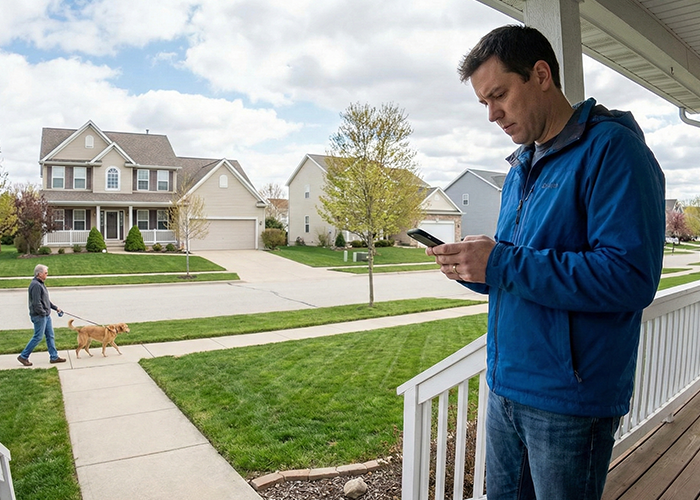
Some updates should not sit in an inbox for two days. Text alerts work best for time-sensitive items like water shutoffs, gate issues, weather closures, or urgent safety reminders.
Restraint keeps texts effective. A phone buzz should mean something important, not a casual announcement that could have waited for the next email.
Opt-ins and privacy deserve attention here. Residents should know what types of texts to expect, who sends them, and how their numbers are protected.
Portals That Reduce Repeat Questions
A well-run portal cuts down the back-and-forth that drains board and manager time. Many HOA communication tools include portals that handle routine tasks like dues reminders, document access, maintenance requests, and architectural submissions in one place.
Fewer loose ends show up when requests are tracked inside a single system. Status updates, timestamps, and message threads keep everyone aligned, especially when a project spans multiple weeks.
The right fit depends on the community’s needs, not the fanciest feature list. Many boards compare HOA communication solutions by looking at ease of use, support quality, mobile access, and how well the system handles real-life tasks like approvals and work orders.
Board Work That Stays Organized
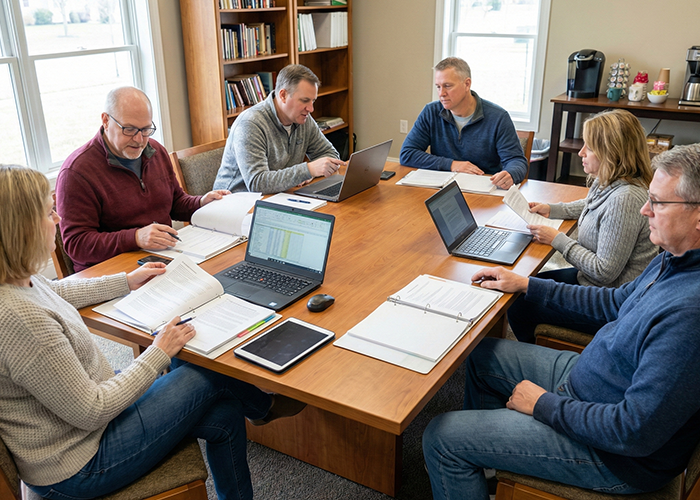
Resident-facing communication is only half the story. Board operations improve when internal notes, drafts, and tasks stay in one shared place.
A private board workspace helps with agendas, minutes drafts, committee updates, and vendor follow-ups. Less confusion tends to follow when one record exists for decisions and next steps.
Clean boundaries protect the process. Board discussions belong in official channels, not personal email chains or text threads that disappear or get forwarded.
Meetings That Reach More People
Attendance usually improves when meetings are easier to join. Hybrid options can help, especially for residents who travel, work nights, or handle childcare during typical meeting times.
Clarity sets the tone before the meeting begins. Agenda timing, topic summaries, and instructions for submitting questions can reduce side conversations and keep the session focused.
Follow-through matters afterward. Short recaps, posted minutes, and a simple “here’s what was decided” update build confidence over time.
Social Media With Clear Boundaries

Social platforms can support community connection, yet they can also turn into rumor factories. Clear ground rules keep social media useful without letting it replace official channels.
A board-approved policy should spell out what belongs there and what does not. Official notices, rule enforcement, and account-specific issues usually belong in controlled communication channels.
Moderation protects neighbors from needless conflict. A consistent approach to comments, tone, and respectful behavior helps prevent the space from becoming a complaints-only feed.
When Paper Still Wins
Digital tools help most residents, but not all residents. Printed notices, mailed updates, and posted bulletin boards still matter in communities with older homeowners or limited internet access.
Compliance can be a factor, too. Some notices may need physical delivery depending on governing documents and state requirements, so paper should not be treated as outdated by default.
A simple approach works best here. Short mailed notices for major items and posted signage for near-term disruptions keep residents informed without creating extra clutter.
Turning Tools Into Routine

Great tools can still fail in day-to-day use without clear ownership. A written HOA communication plan helps define who sends what, which channels are used for which topics, and how often residents can expect updates.
Shared standards keep messages from sounding scattered. A consistent tone, simple templates, and a basic review process reduce errors and reduce heated replies caused by unclear wording.
Feedback closes the loop. Periodic surveys, a predictable Q&A process, and small adjustments over time help HOA communication tools stay effective as the community changes.
A Clearer Signal
Better communication usually shows up in smaller ways first: fewer repeat emails, calmer meetings, and fewer residents saying they “never heard about it.” With steady habits and the right mix of channels, HOA communication tools can support a community that feels more informed and easier to manage.
Related Articles: