Interim HOA Boards: What They Are and How They Help Communities Stay on Track

Interim HOA boards often step in during times when a homeowners association suddenly finds itself without leadership. While they are usually temporary, their role can be essential in keeping operations stable and ensuring that the community continues to function properly.

Many associations experience leadership gaps at some point. When that happens, an interim board can provide the structure needed to keep the community moving forward.


Understanding Interim HOA Boards and Their Role
temporary HOA board

Interim HOA boards are temporary governing bodies appointed or formed when a community’s regular board cannot fulfill its responsibilities. This situation might arise when board members resign, when elections cannot be held on time, or when the association is newly transitioning from developer control.

In most cases, interim boards exist only until a permanent board can be elected by homeowners. Their purpose is not to permanently lead the association but to keep essential operations running smoothly.

These boards typically handle the same core duties as a regular board. However, their decisions often focus on maintaining stability rather than making long-term changes that could affect the community for years to come.


Situations That Often Lead to an Interim Board

Several circumstances can result in the formation of an interim HOA board. While every association is different, certain patterns appear across many communities.

Some common situations include:

  • Mass board resignations
    If multiple board members resign at once, the association may temporarily lack the minimum number of directors required by its governing documents.
  • Developer transition periods
    When control shifts from the developer to homeowners, an interim board may help manage the transition until elections take place.
  • Difficulty reaching quorum for elections
    Some communities struggle to gather enough homeowners to hold official elections, leaving positions vacant.
  • Unexpected legal or operational challenges
    Occasionally, outside intervention becomes necessary to stabilize governance.

Each of these scenarios can disrupt normal operations. An interim board provides continuity while the community prepares for a more permanent leadership structure.


How Interim Boards Are Typically Appointed
temporary HOA board

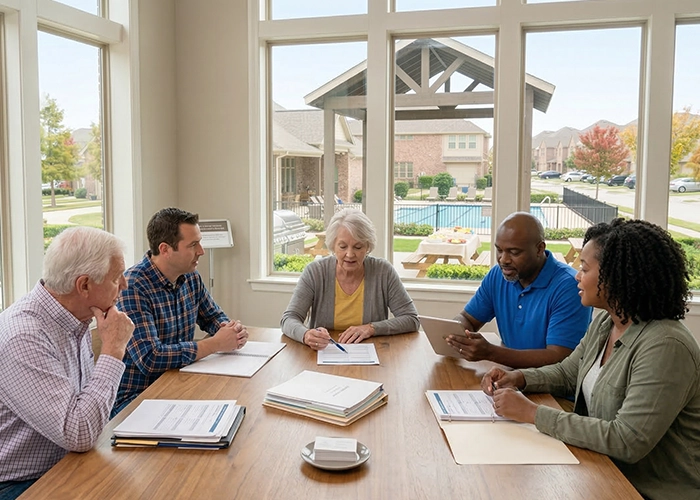
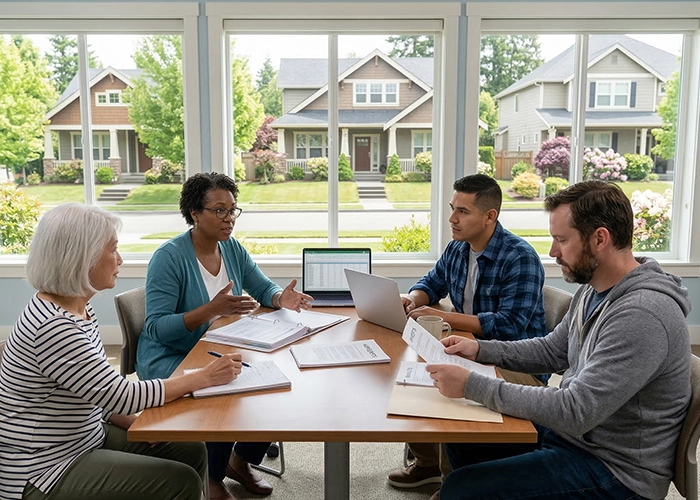
The process for creating an interim HOA board varies depending on the association’s governing documents and state laws. In many communities, the remaining board members may appoint temporary directors to fill vacant seats.

Sometimes the association’s management company helps coordinate the process. In more complicated cases, a court or legal authority may appoint interim leadership to ensure that the community remains compliant with its obligations.

Regardless of the method used, transparency is important. Homeowners should understand why the interim board was created and how long it is expected to serve.

Clear communication reduces confusion and helps maintain trust during periods of transition.


Responsibilities of an Interim HOA Board

Although interim boards are temporary, they still carry significant responsibilities. Their role focuses on maintaining stability and preventing operational disruptions.

Common duties may include:

  • Overseeing day-to-day operations
    Maintenance, vendor coordination, and community services must continue even during leadership changes.
  • Managing association finances
    Budget oversight, collecting assessments, and paying vendors remain critical tasks.
  • Ensuring compliance with governing documents
    Rules and policies must still be enforced fairly.
  • Preparing for future elections
    Interim boards often organize the election process that leads to permanent leadership.

Because their time in office is limited, interim boards typically avoid large policy shifts unless they are absolutely necessary for the community’s well-being.


Benefits of Interim HOA Boards for Communities
temporary HOA board

While the idea of temporary leadership may sound unsettling at first, interim boards often provide several benefits for homeowners.

Operational continuity is perhaps the most important. Communities rely on consistent management for services such as landscaping, security, and maintenance.

Financial stability is another major advantage. Without oversight, invoices may go unpaid or assessments might not be collected properly.

Interim boards also help preserve governance structure. HOAs operate under legal requirements, and failing to maintain a functioning board can create compliance risks.

Finally, they give communities time to reorganize and recruit new leaders. Homeowners can identify qualified candidates and prepare for elections without rushing the process.


Challenges Interim Boards May Face

Despite their importance, interim HOA boards often encounter unique challenges.

One of the biggest issues involves limited authority or unclear expectations. Because the board is temporary, homeowners may question its ability to make certain decisions.

Communication can also become complicated. Residents sometimes worry that interim leaders may make long-term choices that should be handled by a permanent board.

Additionally, interim board members may need to quickly learn the association’s financial, legal, and operational structure. This learning curve can be steep, especially in larger communities.

Strong support from an experienced HOA management company can help reduce many of these challenges.


Best Practices for Interim HOA Boards
temporary HOA board

For interim boards to be effective, certain practices tend to work well. Clear communication and focused leadership are essential.

Successful interim boards often prioritize:

  • Transparency with homeowners
    Regular updates keep residents informed about decisions and timelines.
  • Limited long-term commitments
    Temporary boards usually focus on maintaining operations rather than launching major projects.
  • Preparation for elections
    Encouraging homeowner participation helps ensure that a permanent board can be established.
  • Collaboration with management professionals
    HOA managers can provide guidance on financial, legal, and operational matters.

By following these principles, interim boards can guide the community through a transitional period with minimal disruption.


The Role of HOA Management During Leadership Transitions

HOA management companies often play a key role when interim boards are in place. Their experience can help stabilize operations while volunteer leaders adjust to their responsibilities.

Management professionals assist with administrative tasks, vendor coordination, and financial oversight. They also help ensure that the association continues to comply with local regulations and governing documents.

During leadership transitions, having experienced guidance can make a significant difference. Communities that work closely with management professionals often navigate these changes more smoothly.

Helping Communities Move Forward
temporary HOA board

Interim HOA boards serve an important purpose, even if their role is temporary. They allow communities to maintain stability while preparing for a stronger leadership structure.

With clear communication and careful planning, interim boards can guide associations through transitional periods and help set the stage for long-term success.

Stability During Times of Change

Transitions can be challenging for any community, but interim HOA boards help ensure that essential operations continue without interruption. Their presence allows associations to regroup, organize elections, and move forward with confidence.

With the right support and clear direction, temporary leadership can become the bridge that leads to lasting community stability.

Navigating HOA leadership transitions can feel overwhelming. Experienced management support can make the process far easier for both boards and homeowners.

If your community is facing board vacancies or leadership challenges, Call 760-325-9500 or Contact Personalized Property Management to help restore stability and keep operations running smoothly.


Related Articles
Renting Out Amenities in HOA Communities: Policies, Benefits, and Best Practices

Many homeowners associations are exploring renting out amenities as a way to improve resident services while generating additional income for the community. When handled properly, these rentals can turn shared spaces into valuable assets that benefit both residents and the association.

Still, the process requires clear rules, fair access, and careful oversight. Without the right approach, even a simple amenity rental can lead to scheduling conflicts or disputes.


Renting Out Amenities: Why HOA Communities Are Exploring This Option

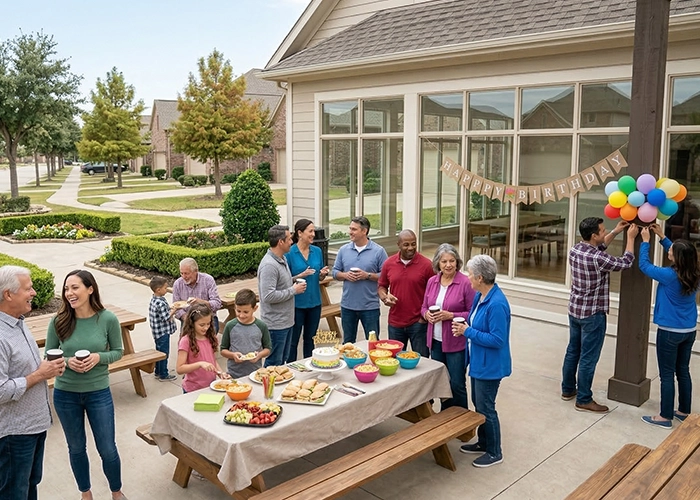
Renting out amenities has become increasingly common in modern HOA communities. Shared spaces such as clubhouses, pools, pavilions, and event rooms often sit unused for long periods. Allowing residents to reserve these spaces for private events helps make better use of facilities that the community already maintains.

For many associations, the financial benefit is also appealing. Rental fees can help offset maintenance costs or contribute to the reserve fund. Instead of increasing dues, the HOA may rely on occasional amenity rentals to support upkeep and improvements.

There is also a lifestyle component to consider. When residents can host birthday parties, family gatherings, or community celebrations within the neighborhood, it strengthens social connections. Communities with active shared spaces often feel more welcoming and engaged.

However, success depends on thoughtful planning. Clear expectations must be established before any amenity becomes available for reservation.


Common HOA Amenities That Can Be Rented

HOA amenity rental policies

Not every amenity is suitable for private use, but many community spaces can easily accommodate reservations. Associations typically focus on facilities designed for gatherings or recreational use.

Below are some of the most common amenities that HOAs allow residents to rent:

  1. Clubhouses and community rooms
    These are among the most popular spaces for private events. Residents often reserve them for parties, meetings, or celebrations.
  2. Pool areas or poolside pavilions
    Some associations allow residents to reserve a portion of the pool area during certain hours. This often comes with capacity limits and supervision requirements.
  3. Outdoor picnic areas and pavilions
    Covered seating areas are ideal for small gatherings such as family barbecues or birthday parties.
  4. Sports courts or recreation spaces
    Tennis courts, basketball courts, or multipurpose fields may be reserved for organized events or private group activities.
  5. Event lawns or garden spaces
    Some communities allow residents to use landscaped areas for celebrations, photo shoots, or neighborhood events.

While these spaces are commonly rented, not every association will offer the same amenities. The decision often depends on the size of the community, available facilities, and maintenance capacity.


The Benefits of Renting Out Amenities

When managed correctly, amenity rentals provide several advantages for both residents and the HOA itself. These benefits go beyond simple revenue generation.

Additional Income for the Association

One of the most practical advantages is the potential to collect rental fees. These fees may help cover cleaning, maintenance, or security costs associated with shared spaces.

In some communities, this income helps reduce pressure on the operating budget. While rentals rarely replace assessments, they can still provide helpful financial support.

Increased Community Engagement

Amenities are meant to bring people together. When residents can host events in community spaces, they are more likely to interact with neighbors and participate in local activities.

A lively clubhouse or pavilion often becomes a focal point for neighborhood life. That sense of connection can improve overall resident satisfaction.

Better Use of Shared Facilities

Many HOAs invest heavily in amenities, yet some of these spaces remain unused for long stretches. Renting them out ensures that facilities serve their intended purpose.

When residents see that amenities are active and well maintained, they often feel that their dues are providing real value.


Creating Clear HOA Amenity Rental Policies

HOA amenity rental policies

Successful amenity rentals depend on strong policies. Without clear guidelines, scheduling conflicts and rule violations can quickly arise.

A well-written policy should explain exactly how residents can reserve a space and what responsibilities come with the rental.

Reservation Procedures

Every association should establish a formal reservation process. Residents may submit requests through a management office, an online portal, or a designated reservation form.

Most communities follow a first-come, first-served system. Some also limit how far in advance reservations can be made to ensure fair access.

Rental Fees and Deposits

HOAs typically charge a rental fee along with a refundable security deposit. The rental fee covers administrative and operational costs, while the deposit protects the association against damage or excessive cleaning.

Fees should remain reasonable and consistent for all residents. Clear pricing avoids misunderstandings and promotes transparency.

Capacity Limits and Event Restrictions

Shared spaces have safety limits that must be respected. Rental policies should define maximum occupancy and any restrictions on noise, decorations, or alcohol.

These limits protect the community while helping the HOA comply with insurance requirements.

Cleanup Responsibilities

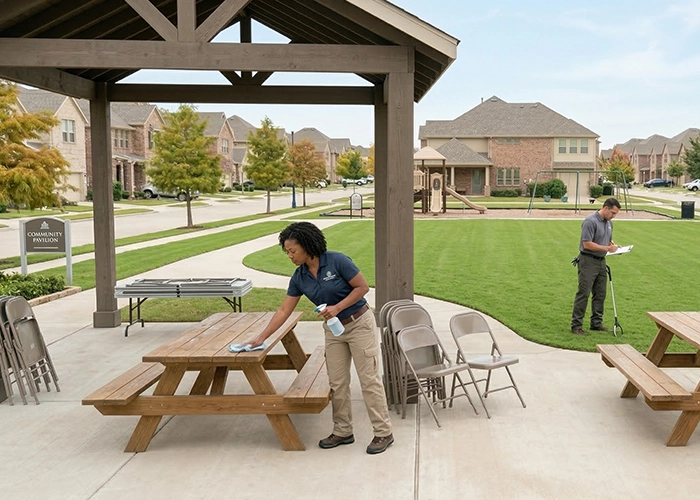
After an event, the space should be returned to its original condition. Some associations require residents to clean the area themselves, while others hire professional cleaning services and include the cost in the rental fee.

Either way, expectations should be written into the policy so there are no surprises later.


Managing Risk and Liability

Any time an HOA allows private events on community property, liability concerns must be considered. Even small gatherings can lead to accidents or property damage if precautions are not in place.

Many associations address this risk by requiring renters to sign a liability waiver. This document acknowledges responsibility for the event and protects the HOA from certain claims.

Some communities also require event insurance for larger gatherings. This coverage can provide an additional layer of protection if an incident occurs.

Security measures may also be necessary depending on the type of event. For example, the HOA might require supervision for pool parties or prohibit events during late-night hours.


Ensuring Fair Access for All Residents

HOA amenity rental policies

Amenities belong to the entire community, so rental policies must remain fair and balanced. Allowing a small group of residents to monopolize a space can lead to frustration.

Several strategies help maintain fairness:

  • Limit how often a household can reserve an amenity within a certain timeframe
  • Restrict reservations during major holidays or peak community events
  • Require residents to remain present during their rental period

These guidelines help ensure that shared facilities remain accessible to everyone.

Fair access also means enforcing policies consistently. When rules apply equally to all residents, conflicts become less likely.


The Role of HOA Management in Amenity Rentals

Professional HOA management companies often play an important role in coordinating amenity rentals. Their responsibilities may include managing reservations, collecting fees, and ensuring policies are followed.

A management team can also help boards create clear rental procedures. With experience across multiple communities, they often bring valuable insight into what works and what does not.

Technology has also simplified the process. Many communities now use online owner portals where residents can view availability and submit reservation requests. This reduces administrative work and keeps records organized.

By streamlining reservations, the HOA can maintain control while making the process convenient for residents.


Maintaining Amenities for Long-Term Success

HOA amenity rental policies

Renting out amenities can increase wear and tear over time. Associations must plan for ongoing maintenance to keep facilities safe and appealing.

Regular inspections are essential. Staff or management should review each space after an event to ensure that no damage occurred. Small repairs should be addressed quickly before they grow into larger problems.

It is also wise to set aside a portion of rental income for future improvements. Funds may be used to update furniture, repair surfaces, or upgrade equipment.

When amenities remain in good condition, residents continue to enjoy them and rentals remain sustainable.


Making Amenity Rentals Work for Your Community

Renting out amenities can bring real value to a homeowners association when policies are clear and expectations are communicated. Residents gain convenient spaces for gatherings, while the HOA benefits from better facility usage and modest revenue.

With thoughtful planning and consistent management, shared spaces can become vibrant hubs of activity that strengthen the community as a whole.


Turning Community Amenities Into Shared Opportunities

When handled with care, renting out amenities allows HOAs to make the most of their shared spaces. Clear rules, fair access, and consistent oversight help ensure that these facilities benefit everyone in the neighborhood.

If your HOA is considering amenity rentals, the right policies and management approach can make all the difference.

A professional HOA management team can help create clear rental policies, streamline reservations, and keep shared spaces running smoothly.

Contact our team today to learn how expert HOA management can support your community.


Related Articles

HOA Owner Portal: A Smarter Way to Streamline Payments, Requests, and Community Access

An HOA owner portal has become one of the most valuable tools for modern community associations. It gives homeowners instant access to essential information, payments, and communication tools in one convenient place. When used properly, it can make everyday HOA interactions faster, easier, and far more transparent for everyone involved.

How an HOA Owner Portal Improves Community Communication

Communication is often one of the biggest challenges in any homeowners association. Residents want quick answers to questions, while board members need efficient ways to share updates with the community. An HOA owner portal helps bridge that gap.

Instead of relying on scattered emails or printed notices, homeowners can log in to view announcements, updates, and important reminders. Community news becomes easier to distribute, and residents no longer have to wonder whether they missed an important notice.

Many portals also include messaging tools that allow homeowners to submit questions or concerns directly through the platform. This keeps communication organized and ensures that requests reach the appropriate person.

Over time, this type of structured communication helps build trust within the community. Residents feel informed, and boards gain a more efficient way to interact with homeowners.

Access to Important HOA Documents Anytime

HOA management software

Homeowners often need access to association documents, but locating them can be frustrating when everything is stored in physical files or scattered emails.

An owner portal allows communities to store important documents in one secure online location. Homeowners can log in at any time to review association policies, architectural guidelines, meeting minutes, or financial reports.

This convenience removes the need to contact management for routine requests. Instead of waiting for documents to be emailed, residents can simply download what they need within seconds.

Having easy access to documents also helps homeowners stay informed about community rules and procedures. When expectations are clear, misunderstandings are less likely to occur.

Online Payments Make HOA Dues Easier

Paying HOA assessments used to involve mailing checks or delivering payments in person. While this worked in the past, it is not always convenient for today’s homeowners.

An HOA owner portal allows residents to submit payments online. Homeowners can quickly pay their dues through secure payment systems, which reduces delays and simplifies recordkeeping.

Many portals also allow residents to set up automatic payments. This helps prevent missed deadlines and reduces the number of late fees homeowners may face.

For board members and managers, online payments improve financial tracking. Payment records remain organized within the system, making it easier to review account histories and maintain accurate financial reports.

Submitting Maintenance Requests Through the Portal

HOA management software

Maintenance concerns are a normal part of any community. Whether it involves landscaping, lighting, or shared amenities, homeowners often need a simple way to report issues.

An owner portal provides a convenient place for residents to submit maintenance requests. Instead of making phone calls or sending multiple emails, homeowners can fill out a request form and attach photos when needed.

Once the request is submitted, it can be tracked through the portal. Residents may receive updates as the issue moves through the review and repair process.

This approach improves efficiency for both homeowners and property managers. Requests remain organized, and nothing gets lost in long email threads.

Architectural Requests Become Simpler to Manage

Many associations require approval before homeowners can make certain exterior changes to their property. These requests might involve new landscaping, fencing, exterior paint colors, or home additions.

Traditionally, homeowners submitted these applications using paper forms. That process often caused delays because documents had to be manually reviewed and filed.

An HOA owner portal streamlines the architectural request process. Homeowners can submit applications online and attach supporting documents such as photos or plans.

Board members or architectural committees can then review the request within the system. Decisions can be recorded directly in the portal, and homeowners receive updates when the review is complete.

This digital process helps ensure requests are organized, documented, and handled more efficiently.

Key Features Homeowners Often Find in an HOA Owner Portal

HOA management software

While different communities may use different platforms, most HOA owner portals include a core set of features designed to make community management easier.

Common features include:

  • Online HOA dues payments
  • Community announcements and notices
  • Access to governing documents
  • Maintenance request submissions
  • Architectural request forms
  • Account balance and payment history
  • Event calendars and meeting updates

These features help centralize many routine HOA interactions. Instead of using several different systems, homeowners can manage everything from one login.

For busy homeowners, that level of convenience can make a big difference in how they experience community living.

Transparency and Trust Within the Community

Transparency is one of the most important factors in maintaining a healthy homeowners association. Residents want to understand how decisions are made and how association funds are used.

An HOA owner portal can support this transparency by providing access to important information. Financial summaries, meeting minutes, and policy updates can be shared with residents in a structured way.

When homeowners feel informed, they are more likely to trust the decisions made by the board. Clear communication helps prevent rumors and misunderstandings that sometimes occur in community associations.

This level of openness also encourages more positive participation from homeowners. Residents feel more comfortable asking questions and staying involved when information is easy to access.

Why Many Communities Are Moving Toward Digital Portals

HOA management software

Technology has changed the way communities operate. Many homeowners expect the same level of digital convenience they experience with banking, shopping, and other everyday services.

An HOA owner portal meets those expectations by providing a centralized online platform for community management. Instead of relying on outdated processes, associations can manage operations more efficiently.

Digital portals also reduce administrative work for property managers. Tasks such as tracking payments, sharing documents, and responding to requests can all be handled within one system.

Over time, these efficiencies help communities operate more smoothly. Board members spend less time handling routine administrative tasks and more time focusing on long-term planning for the community.

Best Practices for Encouraging Portal Adoption

Even the most helpful technology works best when residents actively use it. Some homeowners may need encouragement or guidance before they begin using a new portal system.

Communities can increase participation by clearly explaining the benefits and making the portal easy to access.

Helpful strategies include:

  • Sending welcome emails with portal login instructions
  • Offering simple tutorials or walkthroughs
  • Highlighting convenient features like online payments
  • Posting reminders in community newsletters
  • Providing support for residents who need assistance

When homeowners understand how the portal helps them, adoption tends to grow naturally. Over time, the portal becomes an essential part of daily community operations.

A Better Way for Homeowners to Stay Connected

HOA management software

An HOA owner portal does more than simplify administrative tasks. It also strengthens the connection between homeowners, boards, and management teams.

Residents can stay informed about community updates, pay their dues with ease, and submit requests without unnecessary delays. Boards gain clearer communication channels and more organized systems for managing community operations.

As more associations adopt digital tools, the owner portal is becoming a central part of modern HOA management.

Bringing Communities Together With Technology

A well-managed HOA owner portal can transform how a community communicates and operates. By providing convenient access to information, payments, and requests, the portal makes everyday HOA interactions easier for homeowners and board members alike. When technology supports transparency and efficiency, the entire community benefits.

A modern HOA owner portal can help homeowners access information, make payments, and communicate with management effortlessly. Have a question? Call us at 760-325-9500 or Contact us to learn how your association can benefit from smarter HOA management solutions.


Related Articles

HOA Architectural Requests: A Complete Guide for Homeowners and Boards

Most homeowners want to personalize their property, but in a community association, changes must follow certain guidelines. HOA architectural requests help ensure that exterior modifications stay consistent with the community’s design standards.

Understanding the approval process helps homeowners avoid delays and makes things easier for the board. When managed correctly these requests protect property values while allowing residents to improve their homes.


Understanding HOA Architectural Requests

HOA architectural requests are formal submissions that homeowners must send to their association before making any changes to the outside of their property. These requests give the board or Architectural Review Committee a chance to review the proposed modification & determine if it meets the community standards and guidelines.

Exterior changes impact more than just a single property. When someone installs a new fence or patio cover or changes their roof color or updates their landscaping it affects how the entire neighborhood looks. The review process makes sure that each homeowner’s improvements match the design standards that the community has established.

Most associations list their architectural rules in the governing documents. Homeowners can typically find them in the Covenants Conditions & Restrictions or in architectural design guidelines that the board provides.


Why Architectural Approval Matters in an HOA

HOA architectural review process

Architectural standards serve a practical purpose in residential communities. When neighborhoods maintain visual consistency they help protect property values over time.

Without a clear review process homeowners might install materials or paint colors or structures that do not match the surrounding properties. Even minor differences can disrupt how unified the neighborhood looks.

Approval protects homeowners from expensive errors. When a project breaks the rules the board can demand removal or changes. Sending in a request beforehand makes sure the work follows guidelines before construction starts.

For boards architectural oversight helps maintain organization and fairness throughout the community. When every homeowner follows the same rules it reduces disputes and promotes transparency.


Common Projects That Require Architectural Requests

Many homeowners are surprised by how many projects require approval. Even minor exterior changes often need review before work begins.

Common architectural requests include:

  • Exterior paint color changes
  • Fence installation or replacement
  • Patio covers and pergolas
  • Solar panel installation
  • Roofing material changes
  • Driveway modifications
  • Landscaping changes
  • Window or door replacements
  • Shed or structure installation

Some communities also require approval for satellite dishes, lighting installations, and decorative elements. Checking the governing documents first can prevent confusion later.


How the HOA Architectural Review Process Works

HOA architectural review process

While every association operates a little differently, the HOA architectural review process typically follows a structured path.

1. Homeowner Submits a Request

The process begins when the homeowner completes an architectural request form. This form usually asks for details about the project, including design plans, materials, colors, and dimensions.

Some associations also request drawings, photos, or contractor information. The goal is to provide enough detail for the committee to evaluate the proposal accurately.

2. Architectural Review Committee Evaluation

Many HOAs rely on an Architectural Review Committee or ARC to evaluate submissions. The committee reviews each request and compares it with the association’s architectural guidelines.

Members consider several factors during the evaluation:

  • Whether the design matches community standards
  • The visibility of the project from neighboring properties
  • Material quality and durability
  • Potential impact on nearby homes

The committee may request additional information before making a decision.

3. Board Approval or Denial

In some communities, the ARC makes the final decision. In others, the committee sends recommendations to the HOA board for approval.

Once a decision is made, the homeowner receives written notification. If approved, the homeowner can begin the project according to the approved plans.

If denied, the notice usually explains the reason and may suggest modifications that would make the project acceptable.

What Homeowners Should Include in Their Architectural Request

Submitting a complete request improves the chances of quick approval. Missing information often leads to delays because the committee cannot properly evaluate the project.

A well-prepared request should include:

  • Completed architectural request form
  • Detailed project description
  • Drawings or diagrams
  • Photos of the proposed location
  • Material specifications
  • Paint or finish samples
  • Estimated construction timeline

Providing clear documentation helps the committee understand the project and avoids unnecessary back-and-forth communication.

Tips for Getting HOA Architectural Requests Approved

HOA architectural review process

Homeowners can take several steps to improve the chances of approval. The most important step is reviewing the community guidelines before planning any project.

Reading the architectural standards early allows homeowners to design projects that already comply with the rules.

Additional tips include:

  1. Follow the design guidelines carefully.
    Matching approved materials and colors reduces the chance of rejection.
  2. Submit complete documentation.
    Detailed drawings and photos help reviewers understand the proposal quickly.
  3. Communicate with the HOA early.
    Some associations allow homeowners to discuss projects informally before submitting a request.
  4. Be open to feedback.
    Minor adjustments may allow a project to move forward without a full denial.

A cooperative approach usually leads to smoother approvals and better outcomes.


Common Reasons Architectural Requests Are Denied

Even well-planned projects can sometimes receive a denial. In many cases, the issue relates to design standards rather than the project itself.

Typical reasons for denial include:

  • Materials that do not match community guidelines
  • Colors outside the approved palette
  • Structures that exceed size limits
  • Placement that affects neighboring properties
  • Missing documentation in the request

Denials do not always mean the project cannot proceed. Often, homeowners can revise the design and submit the request again with adjustments.

The Role of HOA Management Companies in Architectural Reviews

HOA architectural review process

Many associations partner with professional management companies to help oversee architectural requests. These companies assist boards by organizing submissions, tracking deadlines, and maintaining records.

Management teams often serve as the first point of contact for homeowners with questions about architectural rules. They can guide residents through the submission process and help ensure requests include the necessary documentation.

Professional support also helps boards remain consistent when reviewing applications. Clear processes reduce confusion and help the association respond to homeowners in a timely manner.

Maintaining Community Standards Through Smart Planning

Architectural requests do not restrict creative freedom. They offer homeowners an organized method to enhance their properties while maintaining the neighborhood’s visual character.

When homeowners and boards cooperate the process runs more smoothly and becomes easier to predict. Open communication and careful planning turn architectural improvements into a positive experience for all community members.

If your association needs guidance managing architectural reviews, Personalized Property Management can help streamline approvals and keep your community running smoothly.


Related Articles
 

A Guide to Rules and Property Values

Choosing a neighborhood often feels like a balancing act between finding a house you love and a community that fits your lifestyle. If you have been looking at properties lately, you might have come across the term “deed restricted” in various listings. While it might sound like a legal hurdle, understanding what is a deed restricted community can actually help you make a more informed decision about where you settle down.

Everything You Need to Know About What Is a Deed Restricted Community

A deed restricted community is a residential neighborhood where certain rules and limitations are attached to the property ownership. These rules are known as restrictive covenants & they legally apply to everyone who buys a home in that development. Usually a homeowners association manages these neighborhoods and makes sure residents follow the established guidelines. The restrictions become part of the property deed itself. This means they transfer automatically to each new owner when the home is sold. The rules typically cover aspects like architectural standards and property maintenance requirements.

The main purpose of these rules is to keep the neighborhood looking consistent and well-maintained. When standards are established for things like yard care and house paint colors the developer or homeowners association works to preserve property values for years to come. This prevents situations where someone might paint their home in bright neon colors or use their front yard as a parking lot for work vehicles.

These restrictions are not simply suggestions or short-term neighborhood agreements. They are part of the deed and remain attached to the home no matter how many times it changes ownership. You can typically find these details in the Covenants, Conditions and Restrictions document when you are buying the home.

How These Restrictions Function in Daily Life

Restrictive Covenants

Living in a deed restricted community means that some of your decisions as a homeowner follow the shared rules of the neighborhood. You still own your property and house but how you use them must match the recorded agreements. Most residents discover that this arrangement creates a stable environment where neighborhood quality stays consistent across many years. These restrictions typically cover aspects like exterior paint colors & fence styles. They may also address lawn maintenance standards and the types of additions you can build. The goal is to protect property values by preventing changes that might negatively affect the community’s appearance.

Common rules typically address how properties look from the street to maintain neighborhood appeal. These regulations may cover fence heights and the kinds of grass permitted in your yard. Some associations also limit the number of pets residents can own. Additional restrictions might apply to vehicle parking locations and whether boats or recreational vehicles can be kept in driveways. Many homeowners associations create these guidelines to preserve property values and ensure visual consistency throughout the community. The rules aim to prevent one property from negatively affecting the appearance of surrounding homes. While some residents appreciate these standards for maintaining an attractive neighborhood others may find them restrictive when making personal choices about their property.

The board of directors or management company usually handles rule enforcement. When a homeowner breaks a rule they often get a friendly reminder first. If problems continue the association may issue fines or take legal action to maintain community standards.

The Impact on Your Property Value

One of the main reasons people decide to live in a deed restricted community is to protect their investment. Real estate markets can be unpredictable but neighborhoods with high standards usually maintain their value better than areas without any rules. When all homes are well-kept and share a similar appearance it makes the whole neighborhood more appealing to future buyers.

These restrictions help prevent problems that might lower your home’s value. You won’t need to worry about a neighbor filling their yard with broken appliances or constructing an ugly addition to their house. This kind of control makes many homeowners feel secure because they know their neighborhood will remain attractive.

Stable property values help communities provide better amenities that everyone can use. These neighborhoods typically include shared facilities like swimming pools clubhouses and walking trails that residents pay for together. Most people find the rules reasonable when they consider these benefits along with the well-maintained appearance of their streets.

Balancing Personal Freedom and Community Standards

Restrictive Covenants

While the advantages of property value & visual appeal are obvious some homeowners struggle with having less freedom to make their own choices. If you like showing your personality through unusual building designs or distinctive yard features, a deed restricted community might feel too controlling. You typically need to get approval from an architectural review committee before making any significant changes.

It helps to keep in mind that these rules exist to benefit everyone in the community rather than just one person. When you give up a small amount of personal freedom you get a neighborhood that stays quiet and clean and looks nice. Many families find this exchange valuable because it creates a safe & attractive environment for raising children or enjoying retirement.

Before you sign a contract you should read through the specific restrictions for that neighborhood. Every community has different priorities and some might be much more relaxed than others. Knowing what you are agreeing to beforehand prevents surprises once you have moved into your new home.

The Role of the Homeowners Association

The homeowners association typically serves as the main enforcer of deed restrictions in a community. This organization handles daily operations and ensures that shared spaces remain well maintained. When no active association exists neighbors often struggle to uphold these restrictions effectively. The association acts as the central authority that gives deed restrictions their practical power. It oversees routine management tasks & keeps common areas in good condition. Communities without a functioning association frequently find it challenging to enforce these rules between residents.

The association serves as a mediator when residents have disagreements about the rules. A formal complaint process ensures that problems get resolved fairly based on the established guidelines. This prevents neighbors from developing personal grudges over issues like property boundaries or noise levels.

The association consists of volunteers who live in your community so you get to participate in decisions about the rules. When you go to meetings and stay active you can influence what happens in your neighborhood going forward. This system of shared decision-making helps make sure the community stays true to what matters to the residents.

Navigating the Buying Process

Restrictive Covenants

When you look at homes in a deed restricted community your real estate agent can help you get important information. They can provide you with a copy of the restrictions so you and your family can read through them together. You should also check the financial status of the homeowners association to make sure they have enough money to keep the community in good condition.

You need to understand the fees that come with living in these neighborhoods. The money pays for maintaining common areas & running the association. This creates an additional monthly or annual cost but it typically includes services such as garbage collection or snow removal that you would need to arrange on your own otherwise.

Speaking with people who already live in the community can help you understand how the rules work in practice. Some homeowner associations enforce every minor rule strictly while others only care about major issues. Choosing a neighborhood that fits your preference for rules will make owning your home a better experience overall.

Potential Challenges to Consider

No living situation is perfect & deed restricted communities come with potential downsides worth considering. Poor management can lead to inconsistent rule enforcement that sometimes feels personal. The management team needs to be professional and transparent when dealing with homeowners. These communities operate under specific guidelines that limit what you can do with your property. Some people find these restrictions too controlling for their lifestyle.

There is also the matter of fees that can increase over time as the community ages & requires more repairs. You should always include these costs in your monthly budget to ensure the home stays affordable. Unexpected special assessments for major projects like repaving roads can also occur occasionally.

When you eventually choose to sell your home the deed restrictions transfer to whoever buys it from you. This arrangement protects your property value but it also reduces the number of potential buyers to people who accept living under these rules. In most cases this works out fine because many home buyers actively seek out communities that offer this kind of consistency and structure.

Understanding the Legal Aspects

Restrictive Covenants

Because these restrictions appear in public records they carry significant legal authority. Courts typically enforce deed restrictions provided they comply with state and federal laws. This means you cannot disregard a rule simply because you disagree with it or find it bothersome.

Some restrictions can be changed or removed in certain situations. This process typically needs approval from most homeowners through a vote and requires legal steps to update official property documents. While this does not happen frequently it remains an option when the community believes a particular rule no longer serves a useful purpose.

You can usually challenge a restriction if you think it is being applied unfairly to you. Most associations let you present your case to the board through an established process. Knowing your rights as a homeowner under the deed matters just as much as knowing what you are responsible for.

Why People Choose This Lifestyle

People choose deed restricted communities because they want a specific quality of life. They appreciate the peaceful streets and the maintained lawns. They value the security that comes from living in a managed neighborhood. These communities provide consistency that is difficult to find in areas without regulations.

The social side of these communities attracts many people. Shared facilities & organized activities make it simple to meet neighbors and form genuine friendships. This feeling of connection transforms a house into a real home.

Whether you are buying your first home or looking for something smaller, a deed restricted community provides distinct advantages. When you learn the rules & follow the standards you can enjoy an attractive living space for many years. The key is finding the right fit for your personal needs & objectives.

Finding Your Ideal Home

Picking a home is an important decision and deciding on a deed restricted community matters a lot in this process. Spend time exploring various neighborhoods to find the ones that feel right to you. Check out the houses and chat with residents to understand what the area is really like. When you visit these communities pay attention to how well maintained everything looks. Notice if the yards are neat and if the homes appear cared for. This gives you clues about how seriously people follow the community rules.

If you value organization & beauty along with lasting worth, this living setup could work well for you. It makes homeownership easier by setting clear rules for how the neighborhood operates. You can spend less time concerned about your neighbors and more time relaxing in your own home. This arrangement takes care of many details that would otherwise fall on your shoulders. The structure handles maintenance tasks & keeps common areas looking good. You get to enjoy a well-maintained environment without doing all the work yourself. The guidelines ensure everyone follows the same standards.

We hope this guide has helped you understand what to expect when moving into one of these neighborhoods. Each community has its own unique features so you should stay open-minded and gather information before making a decision. Your ideal home exists somewhere and you might find it in a deed restricted community.

Ready to see how professional management can elevate your deed restricted community? Contact Personalized Property Management today to learn how we can help your neighborhood thrive through expert guidance and dedicated support.


Related Articles
What Every Homeowner Should Know About HOA Penalties and Violations

Managing a community requires a clear set of rules to keep things running smoothly. When these rules are ignored, HOA penalties serve as the primary tool for maintaining order and protecting property values. These measures ensure that every homeowner follows the same standards for the benefit of the entire neighborhood.

Common Types of HOA Penalties Used by Boards

hoa fines for violations

Financial fines represent the most common penalty type used in modern homeowner associations. These penalties are usually detailed in a fee schedule that specifies the exact cost residents must pay for each violation. Most boards begin by sending a warning letter before requiring any actual payment. When the problem persists the fine amount typically grows larger with each additional notice sent to the resident.

Suspension of privileges works well to get residents to follow the rules. This could mean they lose access to the community pool or gym or clubhouse for a certain amount of time. It shows that breaking rules has real consequences without involving money. Communities typically use this approach when someone commits serious violations or breaks the same rules multiple times.

In extreme situations a board may put a lien on a property when fines remain unpaid for an extended period. This legal action can ultimately result in foreclosure if the owner does not resolve the debt. Most boards prefer to avoid this route but it serves as an essential tool for maintaining financial stability. It allows the association to collect the money required for community maintenance.

How the Violation Process Protects the Communityhoa fines for violations

The process starts when someone identifies a specific violation of the neighborhood rules. Board members or management companies conduct regular inspections to find issues such as poorly maintained lawns or unauthorized paint colors. Maintaining consistency is important to prevent accusations of unfair treatment or selective enforcement. Every resident must be held to the same standard to preserve trust.

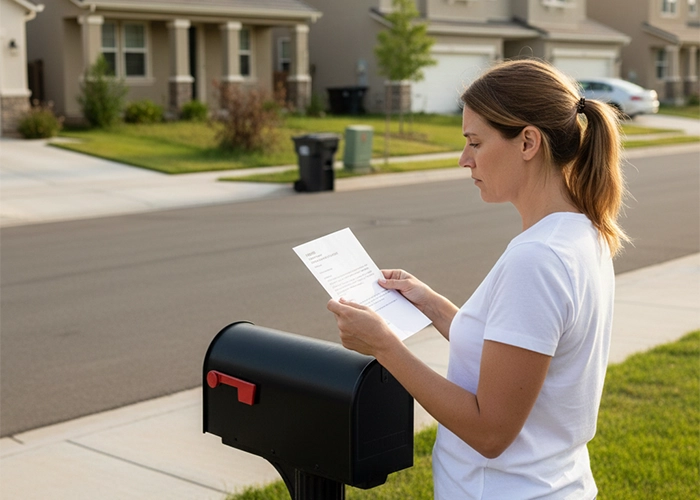
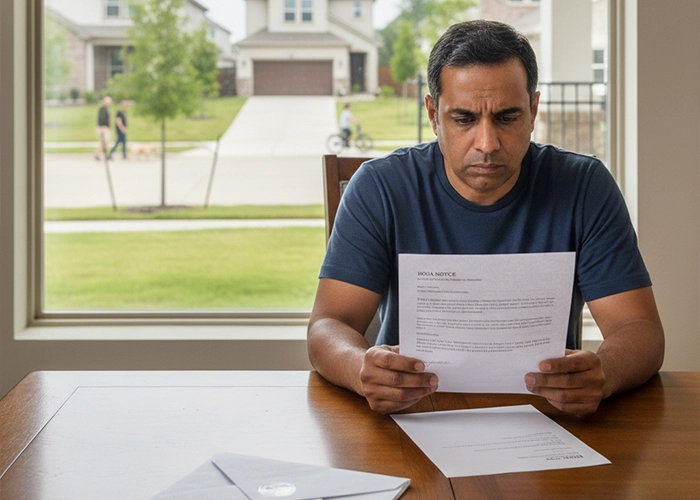
Once a violation is confirmed the association sends a formal notice to the homeowner. This letter describes the problem and gives the owner a specific timeframe to fix it. This cure period lets the resident resolve the issue without facing immediate financial penalties. Most people willingly comply once they realize they have overlooked something.

If the resident disagrees with the notice they typically have the right to request a hearing. This meeting gives the homeowner a chance to explain their perspective to the board. This step is an important part of fair treatment that helps maintain transparency and justice for all parties involved. Providing a straightforward appeals process stops minor disagreements from escalating into serious legal disputes.

Reasons Why Boards Enforce These Strict Ruleshoa fines for violations

Protecting property values stands as the main reason associations enforce penalties with such firmness. When one house has a brown lawn or garbage sitting in the driveway it brings down the worth of all nearby homes. The board safeguards what is typically the biggest financial commitment people make by managing these issues. This approach preserves the neighborhood’s appearance well into the future.

Safety and harmony matter greatly when enforcing community guidelines. Rules covering parking noise and pet behavior help prevent conflicts between neighbors. When everyone understands the expectations there is less friction in daily life. Penalties discourage behavior that might disturb the peace of the community.

Financial health forms the foundation of effective enforcement. When homeowners fail to pay their assessments the association lacks funds to maintain shared spaces or cover insurance costs. Late payment penalties ensure that neighborhood expenses are distributed fairly among all residents. Without such policies responsible owners would bear the financial burden created by those who refuse to pay their share.

Methods for Avoiding Fines and Legal Issues

hoa fines for violations

The most effective approach to avoiding problems is reading the governing documents carefully. These papers describe all the details including grass height limits and acceptable fence styles. Many homeowners face issues just because they were unaware that certain rules existed. Having a copy of these rules available can prevent considerable stress.

Communication with the board or management company is also very helpful. If you are planning a project you should submit your plans for approval before you start the work. Getting the green light early prevents you from having to tear down a new structure later. Most boards are happy to help residents who show they want to follow the rules.

If you get a notice you should not ignore it or put off dealing with it until the deadline approaches. Contact the association right away to talk about how you plan to fix the problem. Most boards will give you extra time if they can see you are genuinely trying to resolve the issue. Taking action quickly demonstrates that you value the community & your neighbors.

Fair Enforcement for a Better Neighborhood

The main purpose of a penalty system should be getting people to follow the rules instead of just punishing them. A good board treats fines as something to use only when necessary & not as a way to make money. When rules get enforced in a fair and clear manner the entire community does better. This mix of having authority while also showing understanding is what creates a wonderful place to call home.

Need help managing your community’s enforcement process? Contact Personalized Property Management today to learn how our expert team can streamline your HOA operations!


Related Articles
Understanding the Essential HOA Board Roles for Your Community

Being part of a local board gives you a powerful way to help your neighborhood. Learning about the different positions on an HOA board helps you build a community where everyone can thrive. Each board position comes with specific duties that keep the community running smoothly.

The Core Importance of HOA Board Roles

HOA Board Member Duties

The success of a managed community depends heavily on its volunteer leaders. These people make decisions that protect property values and keep common areas in good condition. If the association lacks a clear structure it may run into legal or financial problems that are hard to solve.

Each position on the board comes with specific fiduciary duties to the homeowners. This means every officer must act in the best interest of the association instead of pursuing personal gain. When dedicated people fill these roles the entire neighborhood benefits from better organization. The board members serve as stewards of the community and must make decisions that protect and enhance property values for all residents. Their responsibilities include managing the association’s finances in a transparent manner and ensuring that all rules & regulations are applied fairly across the community.

A well-organized board structure helps prevent confusion by making sure each position has distinct responsibilities. When everyone knows their specific role the board can run meetings more effectively and handle projects better all year long. This kind of clear organization forms the foundation that keeps a community association running smoothly & successfully.

The President as the Community Leader

The president works like a CEO for the association. They run all meetings & make sure the board follows the governing documents. This job needs someone who can lead fairly and listen to different viewpoints. The president handles the main leadership duties. They guide discussions during board meetings & keep everyone focused on important issues.

The president handles many administrative duties such as signing legal contracts for the HOA. They work directly with the management company & lawyers as the main contact person. How they lead influences both the board and the entire community.

The president holds considerable authority but cannot make decisions alone. Most actions need approval from a majority of the other board members through voting. This power distribution system exists to safeguard the interests of every homeowner in the community.

The Vice President and Supportive Leadership

A vice president has a special role that demands constant readiness. The main job is stepping in when the president cannot fulfill their duties due to absence or inability to serve. This arrangement keeps community operations running smoothly without interruption. The vice president must stay prepared to assume leadership responsibilities at any time. When the president steps away or faces circumstances that prevent them from leading the vice president takes charge. This system prevents any gaps in leadership that could slow down or stop important community work from getting done.

The vice president usually handles specific committees or major projects in the community. They might run the architectural review committee or take charge of a landscaping renovation. This keeps them closely connected to the daily activities in the neighborhood.

The vice president has flexible duties that allow them to help wherever the board needs support most. They serve as an important backup for the organization. Having a vice president means leadership stays steady during transitions or busy times.

The Secretary and the Power of Records

The secretary serves as the official keeper of the association’s historical documents and records. This person must take thorough notes during each meeting to record what the board decides. Keeping these records matters because they ensure transparency and help the organization follow legal requirements down the road.

The secretary does more than just take notes during meetings. They also manage all official letters and emails for the association. The secretary makes sure that notices about upcoming meetings reach homeowners on time as required by law. This helps keep everyone in the community updated and involved with what the board is doing.

An organized secretary brings real value to any homeowners association. This person handles the membership list and monitors key deadlines related to elections and rule changes. The secretary creates documentation that shows the board follows its bylaws properly. The secretary maintains records of all board meetings & member communications. These records become essential when questions arise about past decisions or actions taken by the board. Without proper documentation the association could face legal challenges or disputes from members who disagree with board choices.

The Treasurer and Financial Integrity

The treasurer takes care of the association’s money & makes sure its finances stay healthy. They partner with the management company to monitor how assessments get collected and how bills get paid. Their main responsibility is keeping the community financially stable and ready to handle future repair costs.

Each year the treasurer leads the development of the annual budget that requires board approval. The treasurer presents regular financial reports to members to keep everyone informed about how money is being spent. This openness helps build trust between the board and homeowners.

The treasurer watches over the financial records but an outside auditor or management company typically does the real accounting work. The treasurer gives the needed supervision to stop fraud or poor handling of community money. This position might be the most important one for keeping the HOA running well over time.

The Shared Responsibility of Members at Large

HOA Board Member Duties

Some boards include members at large who do not hold a specific officer title. These individuals participate in discussions and vote on all matters that come before the board. They provide additional perspectives that help ensure balanced decision-making.

Members at large handle special tasks that fall outside the usual job descriptions. They assist with community events or look into new vendors for the association. Their ability to adapt makes them valuable when workloads increase or projects become complicated.

Even without a formal title like President these members maintain equal voting power. They serve as representatives of the community voice & contribute to board balance. Their involvement helps ensure that diverse resident concerns receive attention.

Establishing a Productive Board Culture

HOA Board Member Duties

Board members need to work well together beyond just completing their individual tasks. When everyone treats each other with respect and acts professionally the board can concentrate on what matters most to the community. Any disagreements that come up should be resolved by thinking about what benefits the neighborhood as a whole.

Regular training sessions help new board members learn about their legal duties. Management companies often provide workshops that teach association law basics and financial reporting. This educational investment leads to fewer errors & stronger leadership confidence.

Effective boards make it a priority to communicate openly with the people they serve. When they are clear about their responsibilities and explain their decisions they help prevent rumors and confusion from spreading. Communities that receive good information tend to be more supportive of their board.

Leading Your Community toward a Bright Future

Serving in one of these positions requires a major commitment that influences how your neighborhood functions. When each person knows exactly what they need to do the board can work smoothly and honestly. This cooperation is what transforms a managed community into a place that genuinely feels like home.

Want to take your community leadership to the next level? Contact Personalized Property Management today to discover how our expert consulting services can support your HOA board!


Related Articles
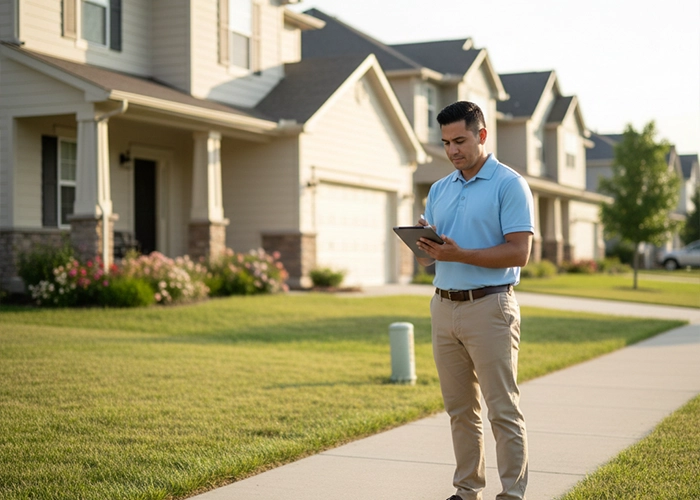
 

The Top Benefits of Hiring HOA Security for Your Neighborhood

Keeping your community safe is one of the most important jobs for any association board. This work creates a feeling of security & protection that lasts for every homeowner in the neighborhood.

The Fundamental Benefits of Hiring HOA Security

A professional security team provides the main protection against unwanted incidents. When a board decides to use these services it shows they care about keeping residents safe. Taking action early usually prevents problems from starting in the first place.

Security guards create a clear warning that stops unwanted people from entering private areas. Communities that maintain strong supervision become unappealing targets for criminals looking for easy opportunities. This protective measure plays a vital role in preserving a peaceful and well-organized setting.

A dedicated security team provides steady rule enforcement that volunteer groups often struggle to maintain. Professional guards handle parking violations and watch over shared spaces to make sure residents follow community standards. Simply having them around motivates people to be better neighbors throughout the entire community.

Enhancing Property Values through Community Safety

HOA neighborhood safety

A safe neighborhood makes homes more valuable. People looking to buy a house care about security when they search for a new place. A community with good security becomes a top choice when buyers compare different areas.

When people feel safe they invest more time and money into their properties. This sense of pride leads to better home maintenance & livelier shared spaces. Security protects both the appearance and structure of the development for years to come.

Low crime rates and orderly streets help real estate agents sell homes more easily. When the association keeps the neighborhood secure it protects the money that all members have invested in their properties. This approach benefits homeowners by keeping them satisfied and maintaining their property values.

Rapid Response to Emergencies and Incidents

HOA neighborhood safety

On-site security responds much faster than traditional law enforcement when handling non-emergency situations. Guards are already present in the area and can immediately address issues like noise complaints or suspicious individuals. This quick response helps stop small problems from turning into serious conflicts.

When a real medical crisis or fire breaks out security teams serve as essential first responders. They guide emergency vehicles through entry points & offer direct help until police or paramedics get there. This organized response can save critical minutes during urgent situations.

Residents appreciate having a specific professional available to contact whenever they need help. This easy access takes away much of the worry that typically accompanies neighborhood conflicts or security issues. When people know exactly who to reach out to it makes dealing with surprise problems much simpler.

Monitoring Restricted Access and Common Areas

HOA neighborhood safety

Gatehouse security provides an effective method for managing who comes in and leaves the community. Security personnel verify identification & maintain visitor logs to create detailed records of neighborhood activity. This careful monitoring ensures that only authorized guests can access the shared facilities. The presence of trained security staff at entry points helps maintain order and accountability throughout the residential area.

Community spaces such as swimming pools, parks, and clubhouses frequently experience vandalism or misuse during late hours. Security personnel can watch over these locations to stop damage and keep the association’s property well-maintained. This approach reduces the community’s expenses for fixing damages & paying insurance costs over time.

Monitoring includes spotting maintenance problems such as broken lights or damaged fences when guards make their regular rounds. Guards serve as representatives for the management company when board members are not present. This ongoing supervision allows small issues to be noticed & addressed before they turn into costly repairs.

Fostering a Stronger Sense of Community Peace

HOA neighborhood safety

One of the biggest benefits is the mental comfort that homeowners feel on a daily basis. Understanding that someone monitors your property during the night or when you are away brings tremendous reassurance. This sense of security stands as one of the main reasons people select an HOA that offers protection services.

Professional guards act as neutral enforcers when it comes to association rules & regulations. This takes pressure off board members who may find it uncomfortable to confront their neighbors directly. A third-party security team manages these situations with professionalism and objectivity. Board members often struggle with the dual role of being both community leaders & neighbors. Having security personnel handle rule enforcement removes this awkward dynamic.

A secure environment helps neighbors feel comfortable interacting and spending time outside. Safe streets allow children to play and adults to walk their dogs without constant concern. This kind of social connection defines a healthy and successful residential community.

Customizing Security Solutions for Your Association

HOA neighborhood safety

Every neighborhood has its own design and particular requirements that need a custom solution. Some communities get the most value from having a guard at the gate around the clock while others work better with mobile patrols. Picking the proper combination of services makes sure the budget gets spent wisely.

Technology works together with physical guards to build a complete safety system for residents. Smart cameras and electronic access systems give information that makes the security team more effective at their work. Today’s security combines human judgment with modern technical equipment.

The board needs to partner with the security provider to set up straightforward rules and standards. Holding regular meetings keeps everyone informed about particular issues or new patterns happening in the area. This working relationship makes sure the security services adapt as the neighborhood requirements change over time.

Ensuring Your Community Remains Protected

Taking the step to hire a professional security team is a major decision for any homeowners association. It creates a foundation of safety that helps the neighborhood succeed & keeps property values strong. Your residents deserve the comfort & protection that comes from having dedicated security on site.

Are you looking to improve the safety and management of your community? Contact Personalized Property Management today to learn how our expert services can benefit your HOA!

Related Articles

Must-Have HOA Website Features to Improve Your Community

Choosing the right digital tools is a major part of running a modern community. A well-designed platform serves as the digital front door for residents and the board.

Elevating Your Community with Essential HOA Website Features

For homeowners associations, having a strong web presence is no longer an extravagance. By centralizing information and facilitating communication, the proper HOA website features can completely change the way a neighborhood operates. Both management teams and volunteers have less work to do when a portal is simple to use.

Streamlining Communication through Resident Portals

Streamlining Communication through Resident Portals

People in the modern world expect information to be readily available to them, and life moves quickly. Owners can access confidential documents without calling the office thanks to a secure login area. Because everyone in the community is aware of where to find the most recent updates, this transparency fosters trust.

Another excellent method of informing people is through digital bulletin boards. You can post news instantly rather than using paper flyers that could be misplaced in the mail. This guarantees that every household receives time-sensitive alerts in a matter of seconds.

These portals also allow newsletters to be archived for later use. When a new owner takes over, they can look through the neighborhood’s digital history to learn about previous events. This easy-to-use feature makes it much quicker for new residents to feel at home.

Simplifying Dues and Online Payment Options

Simplifying Dues and Online Payment Options

For any board, gathering assessments is one of the more tiresome duties. The hassle of writing checks and mailing envelopes is eliminated by offering a safe online payment option. Homeowners can also rest easy knowing that their payment was received right away.

Automated reminders alert residents prior to a deadline, which helps maintain low delinquency rates. These systems can be configured to send a cordial email or text message. This proactive approach comes across as more of a beneficial service than a demand.

Owners have full transparency of monthly rent income when they can review their own ledger at any time. They can know precisely what they owe and when their last payment was credited. Management then does not have to take a number of billing inquiries and negotiations.

Centralizing Governing Documents and Forms

Centralizing Governing Documents and Forms

Every HOA generates a mountain of paper work that must be made available to the public or members. It’s crucial to maintain CC&Rs, bylaws, and meeting minutes in one place. It saves the board from constantly re-sending the same PDF files.

Managing architectural review forms and applications is so much easier when they’re submitted through a website. Residents are able to upload images and descriptions of their project requests and keep track of what sort of action the city is taking on such complaints. This makes the approval process seem fair, and it seems organized to all parties concerned.

Maintenance request forms also benefit from a digital paper trail. If a homeowner reports a broken sprinkler or flickering streetlamp, they can tell when the work order is made. Such visibility indicates that the association is “tending” to the property.

Enhancing Engagement with a Community Calendar

Enhancing Engagement with a Community Calendar

A shared calendar serves as the central organizing tool for any neighborhood community. It displays all upcoming activities including board meetings and seasonal events like pool parties & garage sales. When everyone uses the same calendar it eliminates scheduling problems and helps more people show up to neighborhood gatherings.

Amenity reservations are another feature that keeps life running smoothly. When your neighborhood has shared spaces like a clubhouse or tennis court, digital reservations solve common problems. These systems replace outdated physical sign-up sheets and stop scheduling conflicts before they happen.

Board members can use the calendar to track important vendor deadlines. This feature helps monitor when the landscaping contract needs renewal or when the pool requires its annual inspection. Keeping track of these dates prevents anything from being overlooked. The calendar system allows board members to stay organized with vendor schedules. They can record contract expiration dates and required inspection times. This approach ensures all necessary tasks receive attention before they become urgent matters.

Modernizing Governance with Electronic Voting

Modernizing Governance with Electronic Voting

Getting enough people to attend an annual meeting can be difficult for many associations. Electronic voting systems let members submit their votes from home. This easy access typically results in more people taking part in elections.

Polling tools work well when you need fast feedback about minor decisions. When the board thinks about painting the clubhouse a different color they can send out a quick survey to see what residents think. This approach helps people feel included without organizing a full community meeting.

Secure voting platforms make sure that results are correct and can be checked later. This keeps the election honest and makes disputes less likely. When the voting process works smoothly and treats everyone fairly residents tend to stay involved with the board.

Optimizing the User Experience for All Devices

A website is only useful if people can actually navigate it on their phones. Many residents will check for updates while they are on the go. Ensuring the site is mobile-friendly is a non-negotiable requirement in today’s world.

A clean layout is important, but so are quick loading times. People will simply stop using a page if it takes too long to open. Both younger and older generations can easily find what they need thanks to a straightforward design with obvious buttons.

Any community platform must prioritize security as well. It is both morally and legally required to protect homeowners’ personal information. The digital neighborhood is kept secure by using strong password policies and encrypted connections.

Take the Next Step Toward a Smarter HOA

Creating a digital home for your association is a worthwhile endeavor that will eventually pay off. With the correct tools, managing daily tasks doesn’t feel like a chore. A more harmonious living environment is produced by concentrating on the needs of the inhabitants.

As your community grows, your website can evolve to meet new challenges. Starting with the basics and adding features over time is a smart way to manage the budget. A well-maintained site is a sign of a healthy and professional homeowners association.

Is your association ready to upgrade its digital tools? Our team can guide you through selecting the best features for your specific needs. Contact Personalized Property Management to learn how we can support your community’s goals.


Related Articles:

Why Digital Communication Tools are Essential for Modern HOA Success

Board members often struggle with the challenge of keeping everyone informed without dedicating their entire evenings to phone calls. Modern digital platforms offer a practical solution to this problem.

Embracing Digital Communication Tools for a Modern Community

A homeowners association functions well when the board and residents share information openly. Many neighborhoods continue to use paper flyers or casual conversations which frequently result in people missing important updates. Digital communication tools solve this problem by creating one central location for all official matters. This change helps owners access what they need while allowing directors to use their time more efficiently.

When everyone uses the same platform for requests and notices, efficiency increases. Boards can send routine reminders or emergency alerts with a few clicks thanks to digital systems. For urgent situations like pool closures or unplanned road repairs, this speed is essential. These tools provide a transparent record of what was shared and when it was sent, in addition to speed.

Community morale often rises when transparency becomes a priority. Residents who feel informed are less likely to experience frustration or confusion regarding new policies. Digital platforms provide a space for residents to view governing documents or check their account balances at any hour. This accessibility builds trust and shows that the association is being managed with care.

Choosing the Best Software for Your Association

digital communication apps

Choosing the right platform comes down to how big your community is and what you can afford to spend. Some boards like software that handles everything in one place including payments & maintenance requests. Other communities do just fine with basic email and a simple website that gets the job done. What matters most is picking something residents will actually want to use instead of something so complicated it scares them away.
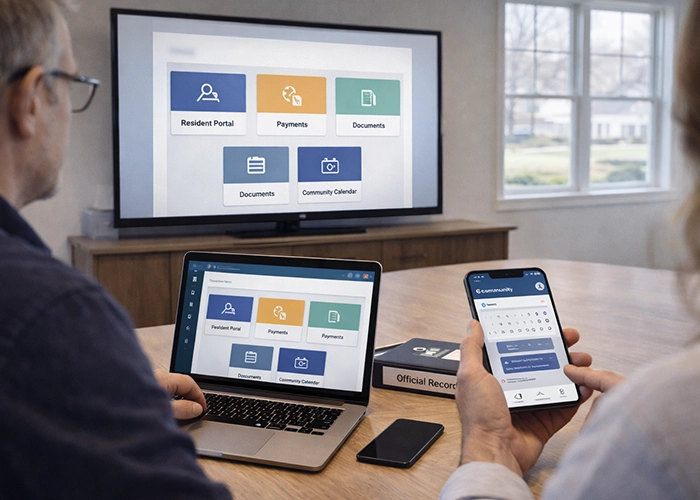


Ease of use should be the top priority when selecting a tool. If the platform is too difficult to navigate then homeowners will not adopt it. The interface needs to work well on mobile devices because most people check their messages on phones. A clean design helps ensure that important announcements do not get lost in cluttered layouts.

Another element that the board cannot overlook is security. Strong encryption is required because these platforms frequently handle financial data and personal contact information. To safeguard community data, confirm that the software provider provides dependable support and frequent updates. Residents can view private association files with confidence thanks to a secure system.

Streamlining Board Workflows with Online Portals

digital communication apps

Online portals function as a digital workspace for board members and management teams. Directors can instantly retrieve meeting minutes and vendor contracts without searching through paper files. This system keeps tasks organized & protects important information when board members change. Digital records preserve the community’s history for many years into the future.

Portals make the architectural review process easier for homeowners and committee members alike. Owners can upload photos and project plans straight to the platform and get quicker feedback. Committee members can review these submissions and vote on them using the same system. Having everything in one digital space cuts down on the endless email chains that usually delay basic home improvement projects.

These specialized online spaces significantly improve financial transparency. Before meetings, residents can review monthly financial reports and budget drafts posted by boards. This proactive strategy keeps meetings on track and lowers the volume of questions during open sessions. Owners frequently feel more invested in the success of the community when they can see where their money is going.

Enhancing Resident Engagement Through Mobile Apps

digital communication apps

Mobile applications have become the normal way for modern communities to stay connected. Most residents like having a community directory and event calendar available on their phones. Push notifications work well for urgent reminders because people see them right away. This direct communication method works much better than an email that could end up in a spam folder

Apps let residents report maintenance problems as soon as they notice them. Someone can snap a picture of a broken sprinkler or a streetlight that stopped working & send it to management right away. This helps the association fix things quickly before they turn into bigger and more costly issues. When problems get handled fast it shows residents that people are listening to them and taking care of the property.

Social features in an app let neighbors connect safely in a moderated space. These tools help people feel like they belong whether someone posts about a lost pet or asks for volunteers. The board can create polls to collect opinions about possible community projects or improvements to amenities. Getting input from more residents helps make better choices that represent everyone in the neighborhood.

Balancing Privacy and Accessibility in Online Forums

digital communication apps

Forums and message boards work well for building community discussion. They need clear rules to stay positive for everyone. The board should create a code of conduct that promotes respectful conversation & stops personal attacks. Good moderation keeps these forums focused on topics that matter to the community.

Accessibility needs attention to make sure everyone can participate in the digital transition. Most residents use the internet but some people still want or need traditional ways to communicate. An effective strategy relies on digital tools for most tasks but maintains paper alternatives for anyone who requires them. This balanced method keeps all homeowners informed no matter what their technology abilities are.

Privacy settings help the board decide who can view certain information. Public websites work well for showing the community to people who might want to buy property there. However private portals should handle internal business matters. Areas that require passwords keep sensitive discussions & documents hidden from the general public. This approach protects the association’s reputation and meets the needs of its members.

Navigating the Legal Requirements of Digital Notices

digital communication apps

State laws typically control when digital communication can be used for official notices. In most places residents need to agree before they can receive electronic notices about annual meetings or assessment changes. The board should work with a lawyer to make sure their digital approach follows local laws. Keeping good records of these agreements helps prevent legal problems down the road.

Email continues to be a main communication tool but it needs to be handled properly to have legal weight. Associations should maintain thorough documentation of all sent messages along with proof of delivery as part of their official files. Board members should use a specific association email address rather than personal accounts when conducting board business. This approach helps maintain clear boundaries between personal and professional matters. It also simplifies the transition process when a director completes their term and needs to transfer account access to their successor.

Board meetings work better when you use digital tools like video conferencing. Many boards now meet in person again but a hybrid approach brings more people to meetings. When residents can join online it helps busy families and owners who live elsewhere take part. Higher participation usually means the community gets a wider range of voices and opinions.

Future Proofing Your Association with Better Tech

Technology changes quickly and associations need to stay ready to adapt. You should review your communication tools every few years to make sure you are using the best options available. Resident feedback helps you understand what works well and what causes frustration in your current system. When you take a flexible approach the board can replace tools that no longer serve the community effectively.

Training plays an essential role when implementing any new digital system. Organizing a short workshop or creating straightforward instructional guides helps residents become more at ease with a new application. Board members require training as well so they can demonstrate proper usage and operate the tools efficiently. When leadership adopts the technology the rest of the community typically does the same.

Digital communication tools aim to make community life easier and more pleasant. When these tools reduce paperwork and administrative tasks for volunteers board members can spend more time on future planning. Residents get faster responses from management & can find important information without hassle. Choosing the right technology means investing in a healthier neighborhood for years to come.

Strengthening the Community Connection

Modern tools create opportunities for better connection and transparency in your association. Easy communication helps the entire neighborhood experience reduced stress and improved cooperation. Setting up these systems today will save significant time for both the board and residents down the road. A community where everyone stays informed tends to be a happier place for all who live there.

Need help improving how your HOA communicates? Personalized Property Management supports boards with modern tools and organized processes that save time and reduce complaints. Call us at 760-325-9500 or Contact us to get started!


Related Articles: