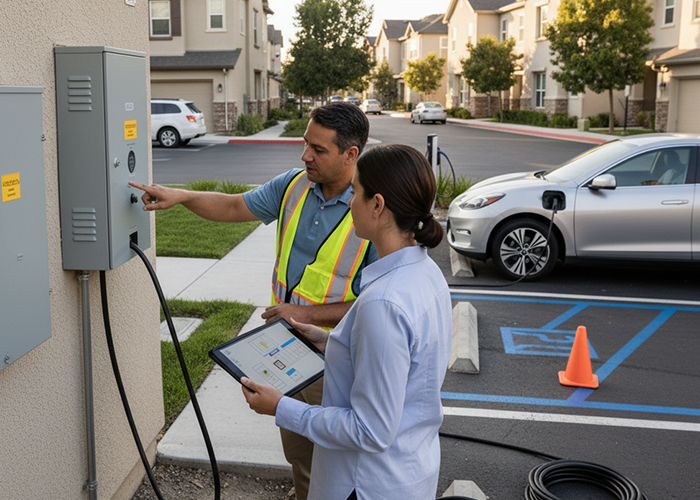
Modern HOA Management: Strategies & Technology

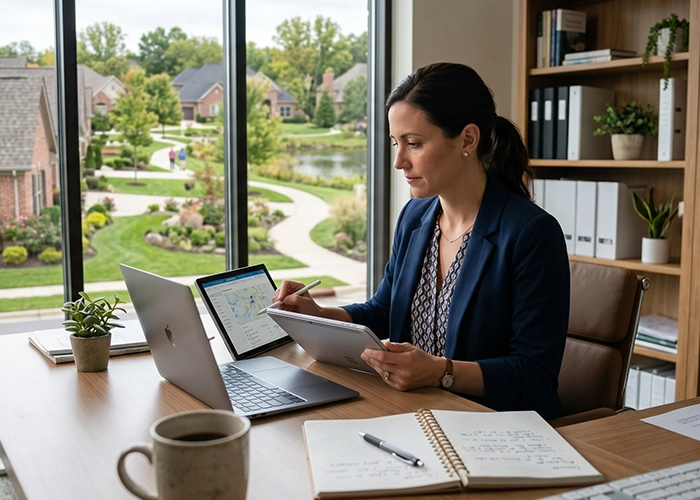
Homeowners associations face different challenges today than they did even a decade ago. Residents expect faster communication, better transparency, convenient online services, and well-maintained communities. As a result, boards and managers must adapt to changing expectations while still handling the core responsibilities of association governance.
What Is Modern HOA Management?

Modern HOA management is about running a homeowners association using today’s tools, smarter processes, and updated best practices. The core responsibilities haven’t changed, but the way they’re handled has improved a lot over time.
It blends traditional management know-how with modern technology and more efficient systems, while also focusing on better communication and engagement with homeowners. When everything works together, the result is a smoother-running community and a better day-to-day experience for residents.
Today’s associations no longer rely solely on paper records, mailed notices, and in-person meetings. Instead, many communities use digital platforms, online payment systems, management software, and communication tools that make daily operations more efficient.
At its core, modern HOA management focuses on three key objectives:
- Improving operational efficiency
- Increasing transparency and communication
- Enhancing homeowner satisfaction
Communities that embrace modern practices often find it easier to manage finances, maintain common areas, and address homeowner concerns in a timely manner.
Why HOA Management Has Changed
The expectations of homeowners have shifted dramatically over the years. Residents now expect the same level of convenience from their HOA that they receive from banks, retailers, and service providers.
People want to pay assessments online, submit maintenance requests through mobile devices, and receive updates instantly. Waiting several days for information or relying solely on printed newsletters no longer meets the expectations of many homeowners.
At the same time, HOA boards face growing responsibilities. Regulatory requirements continue to evolve, maintenance costs are increasing, and communities are becoming more complex.
These changes have made modern management practices a necessity rather than a luxury.
The Role of Technology in Modern HOA Management
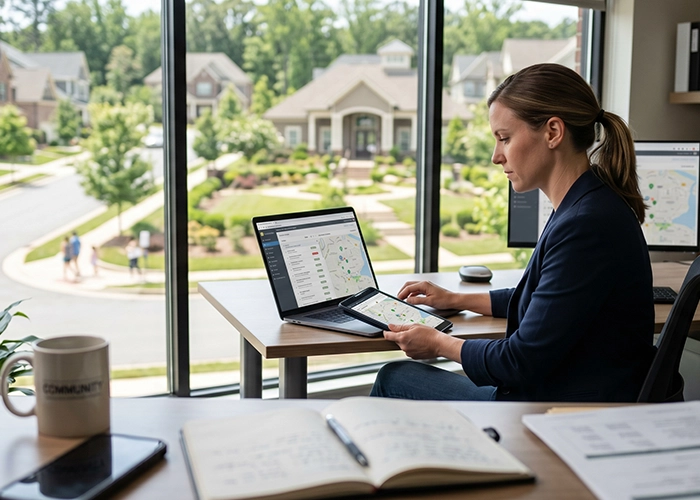
Technology serves as the foundation of many successful HOA operations today. It streamlines administrative tasks while creating better experiences for homeowners and board members.
Rather than spending hours managing paperwork, boards and managers can automate many routine processes. This allows them to focus on higher-level responsibilities that directly benefit the community.
Some of the most valuable technology solutions include:
Online Payment Systems
Assessment collection becomes much easier when homeowners can pay electronically. Online payment options provide convenience while reducing late payments and administrative work.
Many systems also offer automatic recurring payments, helping associations improve collection rates and maintain predictable cash flow.
Resident Portals
Resident portals provide homeowners with a central location to access important community information.
These portals often allow residents to:
- View account balances
- Make payments
- Access governing documents
- Submit architectural requests
- Report maintenance concerns
- Review meeting information
Having information available at any time helps improve transparency and reduces the number of routine inquiries boards receive.
HOA Management Software
Comprehensive HOA management software can handle multiple operational functions from a single platform.
Features commonly include:
- Financial management
- Violation tracking
- Work order management
- Communication tools
- Document storage
- Reporting capabilities
By consolidating these functions, associations can improve efficiency and reduce the risk of errors.
Mobile Accessibility
Many homeowners expect access to community information from their smartphones.
Mobile-friendly systems allow residents to stay connected regardless of where they are. This convenience encourages greater participation and improves communication throughout the community.
Communication Is More Important Than Ever
One of the defining characteristics of modern HOA management is strong communication.
Many homeowner complaints stem from misunderstandings rather than actual problems. When residents understand board decisions and community initiatives, they are more likely to support them.
Effective communication helps build trust while reducing frustration.
Using Multiple Communication Channels
Different homeowners prefer different communication methods. Some check email regularly, while others respond better to text messages or community portals.
Successful associations often use a combination of communication channels, including:
- Email announcements
- Community websites
- Resident portals
- Text notifications
- Social media pages
- Printed notices when necessary
Using multiple channels helps ensure important information reaches the entire community.
Providing Timely Updates
Residents appreciate being kept informed.
Whether the community is undergoing a major landscaping project or addressing a maintenance issue, regular updates help reduce speculation and confusion.
Transparency also demonstrates that the board is actively managing community concerns.
Encouraging Two-Way Communication
Communication should not flow in only one direction.
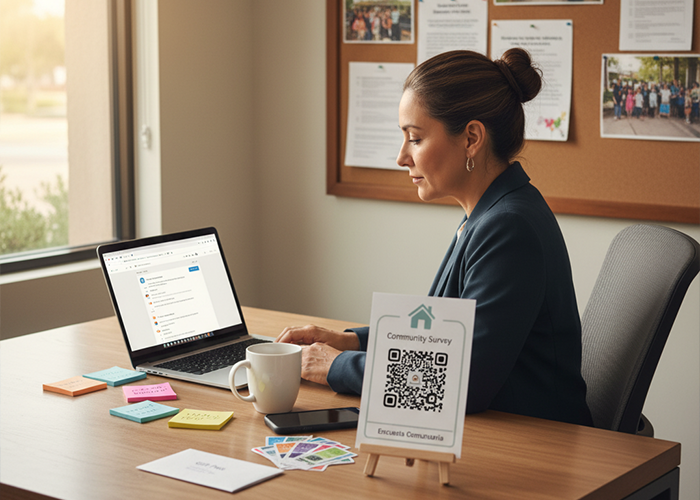
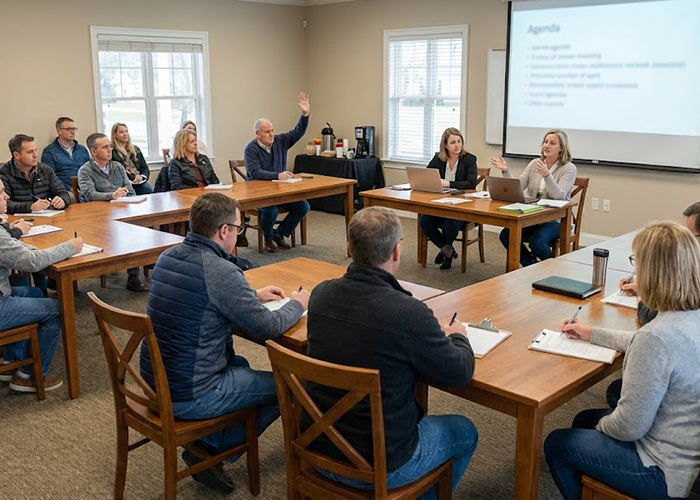
Modern HOA management encourages homeowner feedback through surveys, meetings, online forms, and open discussions. Residents who feel heard are often more engaged and supportive of community initiatives.
Financial Management in Today’s HOA Environment
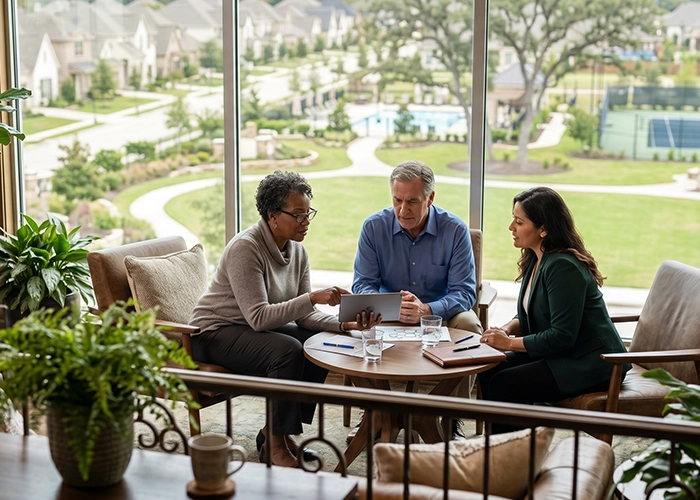
Strong financial management remains one of the most important responsibilities of any association.
Modern practices help boards maintain financial stability while making information more accessible and easier to understand.
Budgeting With Better Data
Technology provides boards with more accurate financial data than ever before.
Managers can review spending trends, monitor expenses, and generate reports quickly. This information supports better budgeting decisions and helps boards plan for future needs.
Reserve Planning
Reserve funds play a critical role in long-term community health.
Modern HOA management emphasizes proactive reserve planning rather than reactive spending. By preparing for future repairs and replacements, associations can avoid financial surprises and reduce the likelihood of special assessments.
Transparent Financial Reporting
Homeowners want to know how association funds are being used.
Clear financial reporting helps residents understand where their money goes and why certain decisions are made. Transparency builds confidence in board leadership and management practices.
Improving Maintenance Through Modern Systems
Maintenance directly impacts property values, resident satisfaction, and community appearance.
Modern management strategies make maintenance planning more organized and efficient.
Digital Work Order Tracking
Many associations now use digital work order systems to track maintenance requests.
Residents can submit requests online, and managers can monitor progress from start to finish. This creates accountability while helping ensure issues are addressed promptly.
Preventive Maintenance Programs
Reactive maintenance often costs more than preventive maintenance.
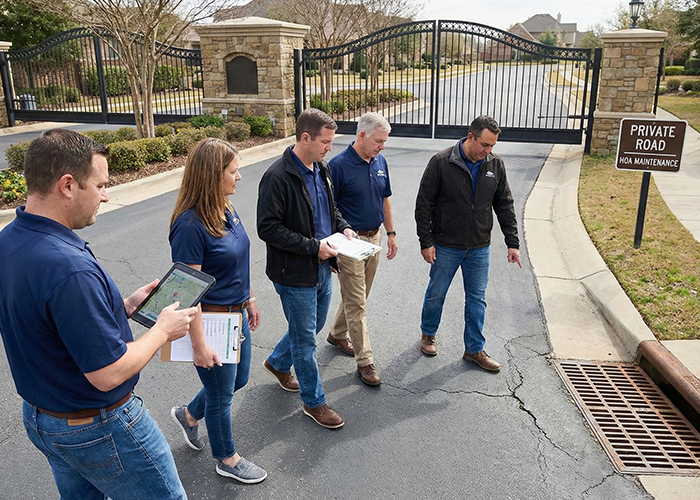
Modern HOA management focuses on identifying and addressing potential problems before they become major repairs. Regular inspections and scheduled maintenance can extend the life of community assets and reduce long-term expenses.
Vendor Management Tools
Managing vendors becomes easier when contracts, schedules, and performance records are stored digitally.
Boards can evaluate vendor performance more effectively and maintain better oversight of community projects.
Enhancing Community Engagement

Successful communities are not built solely through rules and maintenance. They are strengthened through resident involvement and positive relationships.
Modern HOA management recognizes the importance of community engagement.
Creating Opportunities for Participation
Homeowners are more likely to become involved when participation is convenient.
Virtual meetings, online surveys, and digital voting options make it easier for residents to contribute their opinions and participate in community decisions.
Supporting Community Events
Social events help neighbors connect and build stronger relationships.
Whether it is a holiday gathering, community cleanup, food drive, or seasonal celebration, events encourage a sense of belonging and pride within the neighborhood.
Building a Strong Community Culture
Communities thrive when residents feel connected to their surroundings.
A positive culture encourages cooperation, respect, and shared responsibility. Modern management practices often focus on fostering these qualities through consistent communication and resident engagement initiatives.
The Growing Importance of Data and Analytics
Data plays a larger role in community management than many people realize.
Modern HOA management uses information to identify trends, improve decision-making, and allocate resources more effectively.
For example, managers can analyze maintenance requests to identify recurring issues. Financial reports can reveal spending patterns that affect future budgets. Survey results can help boards understand resident priorities.
Rather than relying on assumptions, boards can make informed decisions based on measurable information.
Balancing Technology With Personal Service
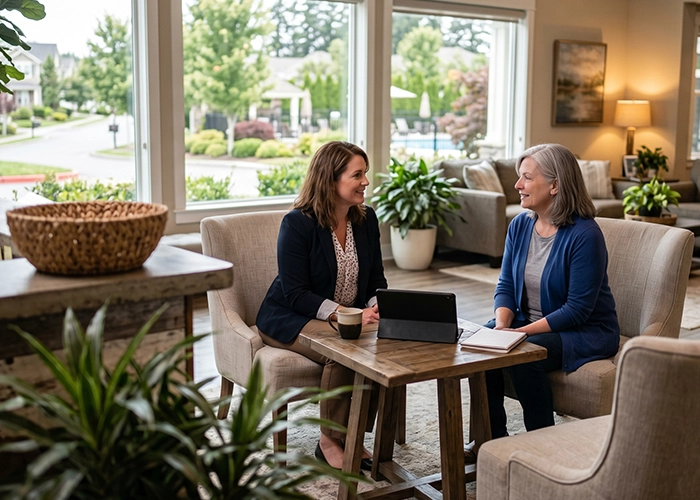
While technology provides many benefits, it should never replace personal relationships.
Homeowners still value responsive managers, approachable board members, and meaningful interactions. Technology works best when it supports these relationships rather than replacing them.
The most successful associations strike a balance between efficiency and personal service.
For example, an online portal may simplify maintenance requests, but homeowners still appreciate speaking with a knowledgeable manager when complex issues arise. Similarly, automated communication can deliver updates quickly, but personal conversations often help resolve concerns more effectively.
Modern HOA management combines both approaches to create a better overall experience.
Challenges of Implementing Modern HOA Management
Transitioning to modern management practices is not always effortless.
Some homeowners may resist change, especially if they are accustomed to traditional methods. Boards may also face budget limitations or concerns about technology adoption.
Common challenges include:
- Training residents and board members on new systems
- Protecting sensitive data and information
- Managing implementation costs
- Maintaining participation among less tech-savvy homeowners
Fortunately, these challenges can often be addressed through education, clear communication, and gradual implementation.
The long-term benefits typically outweigh the initial adjustment period.
How Management Companies Support Modern Communities
Many associations partner with professional management companies to help implement modern practices.
Experienced management professionals provide expertise, resources, and technology solutions that may be difficult for volunteer boards to manage independently.
Professional management companies often assist with:
- Financial administration
- Vendor coordination
- Maintenance oversight
- Compliance support
- Resident communication
- Technology implementation
- Strategic planning
This support allows boards to focus on governance while ensuring day-to-day operations remain efficient and organized.
A Smarter Approach to Community Success
Associations that embrace modern practices are often better positioned to meet homeowner expectations, preserve property values, and create positive living environments for years to come.
If your association is looking for better communication, stronger financial oversight, and more efficient community management. Call us at 760-325-9500 or contact us today to learn how our services can help your community thrive.
Related Articles:



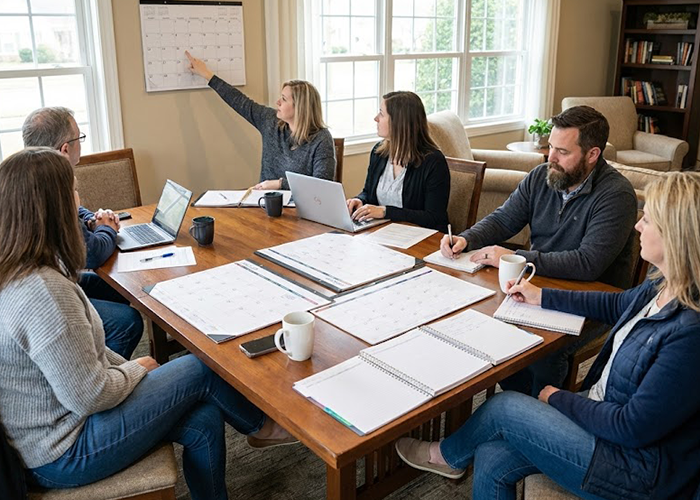


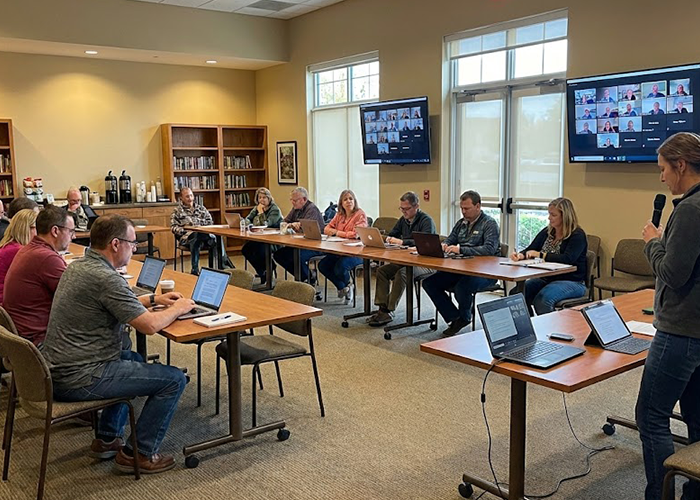
 A meeting that ends without clear next steps tends to repeat itself next month. Action items help decisions turn into outcomes. A simple list with an owner, deadline, and status can be tracked between meetings without a complicated system.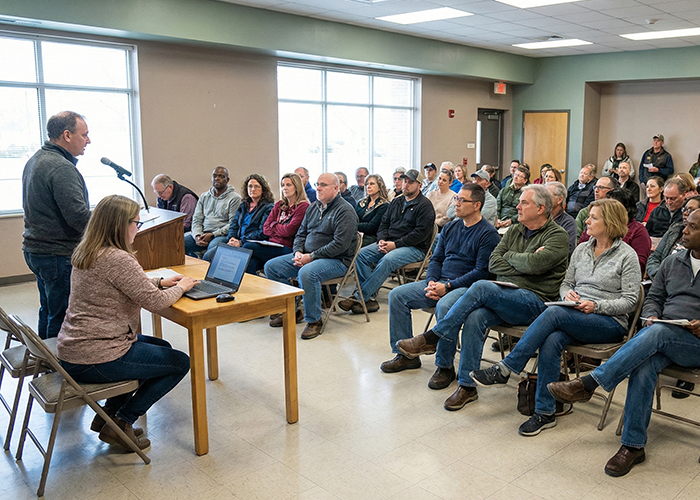
















 Owners want to avoid violations. Offer a short overview and then point to the full documents for exact wording. Keep the tone calm and clear.