
A solid meeting plan keeps board business moving and resident tension down. When you organize HOA meetings with the same rhythm every time, people know what to expect and show up ready. That kind of consistency matters in homeowners association meetings, where time is limited and opinions can run hot.
How to Organize HOA Meetings With a Clear Goal
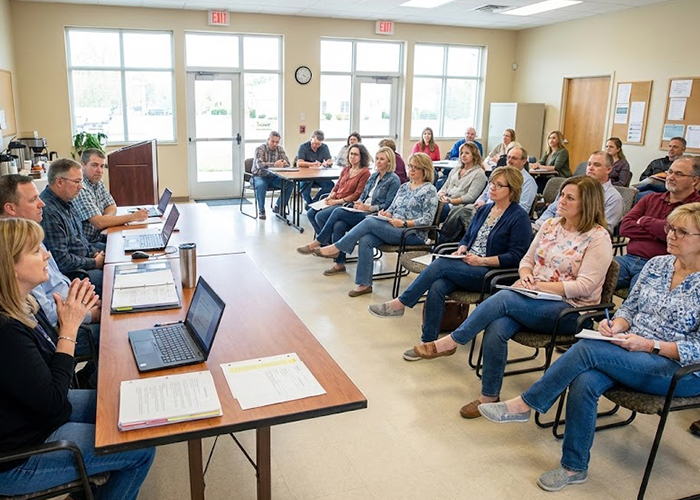
The best meetings have a point that can be said in one sentence. Budget approval, vendor selection, rules enforcement, project updates, board elections, or homeowner input all work, but mixing too many goals in one night tends to create drift.
A simple question helps before planning begins: “What decision needs to be made, or what update needs to be shared?” Once that answer is clear, the rest of the meeting structure becomes easier to build, and organize HOA meetings stops feeling like guesswork.
Common meeting goals usually fall into a few lanes:
- Required board business and votes
- Project status updates and next steps
- Financial review and approvals
- Owner comments within a set format
Start With the Paperwork
Governing documents set the ground rules, and those rules deserve a quick review before dates get picked. Quorum, notice timelines, voting thresholds, and meeting types often live in bylaws or CC&Rs, along with basic instructions for motions and elections.
State and local requirements can add another layer, especially around open meetings, notice delivery, and record access. A short “rules check” at the start prevents awkward resets later, like discovering the agenda needed to be posted earlier or the meeting required a different notice method.
Put Dates on the Calendar Early
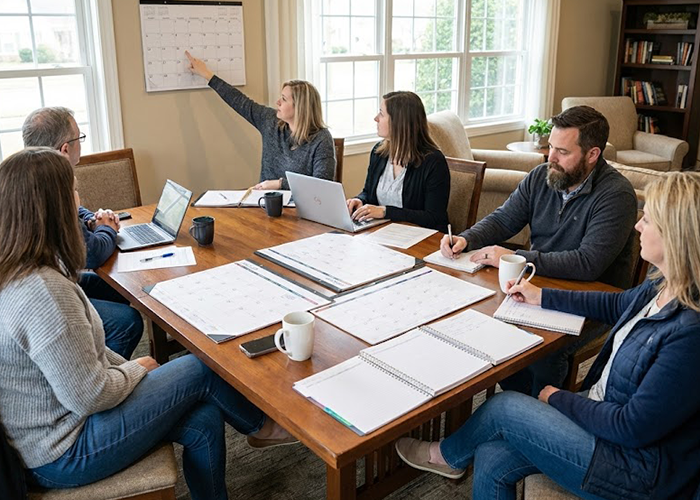
A predictable calendar reduces last-minute scrambling and helps owners plan around meetings. Many communities do well with one regular board meeting each month, plus a separate annual meeting window that stays consistent year to year.
Timing also affects the mood in the room. Evening meetings tend to work better for working households, while weekend mornings can help in communities with a lot of retirees. For yearly HOA meetings, earlier scheduling pays off because elections, budgets, and reports often take longer than expected.
Write an Agenda People Can Follow
An agenda works best when it reads like a path, not a wish list. The early items should be routine and time-sensitive, with heavier decisions placed where attention is strongest. A clear open forum section also helps, because residents can see when comments will happen.
A basic flow usually covers what boards need without getting fancy:
- Call to order, roll call, and quorum
- Approval of prior minutes
- Officer and committee reports
- Old business
- New business and votes
- Owner forum
- Next steps and adjournment
A time estimate next to big items can help, even if it’s rough. The goal is less about perfect timing and more about protecting the meeting from being swallowed by one topic.
Build the Packet Before the Meeting
Meeting time gets wasted when board members see key documents for the first time at the table. A simple packet keeps discussion focused on decisions, not discovery. Better meetings usually come from better preparation, not stronger personalities.
Most packets include a few basics:
- Agenda and last meeting’s minutes
- Financials that match the agenda items
- Vendor bids or proposals tied to voting items
- Short background notes for complex topics
- Draft motions for items expected to be voted on
A short cover note for each big decision helps too. Context tends to calm the room, especially when owners have questions.
Notice and Communication That Reduce Surprises
Notice is more than a date and time. Meeting notices work better when they explain what will be discussed, how owners can participate, and what limits apply. A board that is clear up front usually gets fewer interruptions later.
Reminder timing matters as well. A first notice can go out early, followed by a brief reminder a few days before. A final day-of reminder can be helpful for virtual meetings, as long as the official notice requirements were already met.
Roles That Keep the Meeting Steady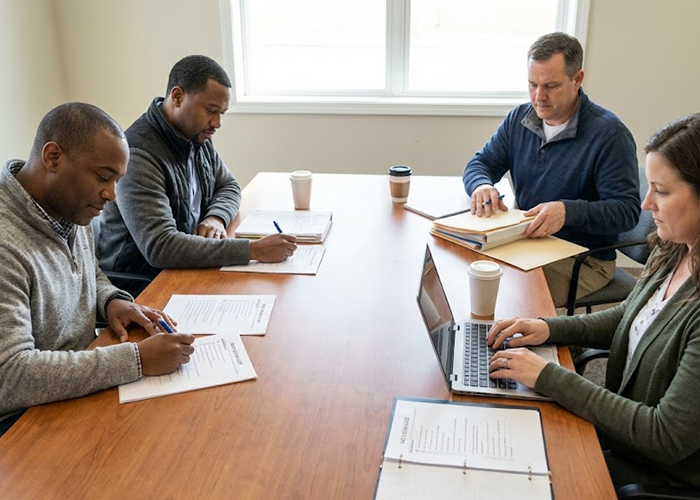
A chair or president sets the pace, and the tone usually follows. Calm facilitation keeps arguments from becoming the main event. A timekeeper role can help too, even if it’s informal.
Meeting records also deserve attention. Minutes should capture decisions, motions, and votes without turning into a transcript. That work often falls to the secretary, though support from management can make the process far less stressful.
A few roles tend to cover most needs:
- Chair to run the agenda and recognize speakers
- Secretary to record motions and outcomes
- Treasurer to guide financial items
- Manager to support logistics and compliance
Handling Tension Without Losing Control
A meeting plan can still get tested when emotions show up. Ground rules help, but follow-through matters more. Consistent enforcement of time limits, speaker order, and topic boundaries keeps the meeting from turning into a debate club.
Some topics do not belong in open session, especially when privacy or legal issues are involved. Executive sessions exist for a reason, and the transition into them should be handled cleanly, with a clear note in the agenda and minutes about when the closed portion begins and ends.
Minutes, Action Items, and Real Follow-Through
 A meeting that ends without clear next steps tends to repeat itself next month. Action items help decisions turn into outcomes. A simple list with an owner, deadline, and status can be tracked between meetings without a complicated system.
Post-meeting habits can stay light while still being effective:
- Finalize and store minutes promptly
- Send a short recap of decisions and next steps
- Log action items with due dates
- File supporting documents with the meeting record
When boards organize HOA meetings with follow-through in mind, the room starts to feel less like a complaint session and more like a working session.
Tools That Make Meetings Easier
Technology can help, but only when it stays simple. A basic projector for the agenda, a shared folder for board packets, and a consistent video platform can cover most needs. Hybrid meetings can be a good fit for communities with travel schedules or older residents, as long as participation rules stay clear.
A few small details also matter more than people expect. Clear sign-in procedures, working microphones, and a visible agenda clock can keep the room grounded. With those basics in place, the board can organize HOA meetings that feel orderly instead of chaotic.
Meeting Momentum
Progress feels better when the process stays familiar. A consistent agenda, clear notice, and strong follow-through can make even difficult topics manageable. Over time, the effort it takes to organize HOA meetings drops, because the system starts doing the heavy lifting.
Related Articles: