Fence Heights in HOA Communities: Rules, Privacy, and What Homeowners Should Know


Fence heights can affect far more than privacy in an HOA community. They influence curb appeal, neighbor relationships, safety, and even property values. Understanding how HOAs regulate fence heights can help homeowners avoid disputes while still improving their outdoor space.
Why Fence Heights Matter in HOA Communities
Fence heights are often one of the first things homeowners review before making exterior changes. While a fence may seem like a simple addition, it can quickly become a source of complaints if it blocks views, creates safety concerns, or clashes with the neighborhood’s appearance.
Many associations create fence standards to maintain a consistent look throughout the community. These rules help prevent situations where one homeowner installs a towering privacy fence while neighboring homes use lower decorative fencing. Without guidelines, communities can start to look disconnected over time.
There is also a practical side to these restrictions. Fence heights can affect visibility for drivers and pedestrians, especially near corners, intersections, and shared pathways. HOAs often work alongside local city codes to make sure fences meet both community and municipal standards.
Common Fence Height Rules in HOAs
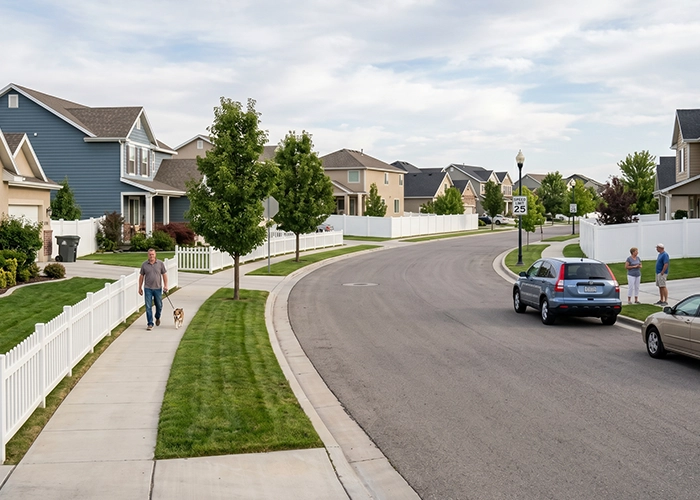
Most HOA communities have clear fence guidelines written into their governing documents or architectural standards. These rules usually cover maximum height limits, approved materials, placement, and design requirements.
In many residential communities, backyard fences are commonly limited to:
- 6 feet for privacy fences
- 4 feet for front yard fencing
- Lower heights near sidewalks or intersections
Some associations may allow taller fencing under special circumstances. Homes near busy roads, walking trails, or commercial properties may receive exceptions if added privacy or noise reduction is needed.
Material restrictions also tend to go hand in hand with height requirements. A six-foot vinyl privacy fence may be approved, while a six-foot chain-link fence may not. The goal is usually to preserve visual harmony throughout the neighborhood.
Communities with scenic views sometimes enforce even stricter fence height limits. In these neighborhoods, boards try to prevent fences from obstructing sightlines that contribute to the area’s appeal and home values.
How Local Laws Affect Fence Heights
HOA rules are important, but they do not replace local ordinances. Homeowners usually need to follow both sets of regulations before installing or modifying a fence.
Cities and counties often regulate:
- Maximum fence heights
- Setback requirements
- Visibility near streets
- Pool safety fencing
- Property line placement
For example, a city may permit fences up to eight feet tall, but the HOA may only allow six-foot fencing. In that case, the homeowner must follow the more restrictive HOA standard.
The opposite can also happen. An HOA may approve a fence design, but the homeowner could still violate municipal code if permits or setbacks are ignored. This is why boards often remind residents to verify local requirements before beginning construction.
When homeowners skip this step, expensive problems can follow. Fences sometimes need to be shortened, relocated, or removed entirely after installation.
The Role of Architectural Review Committees
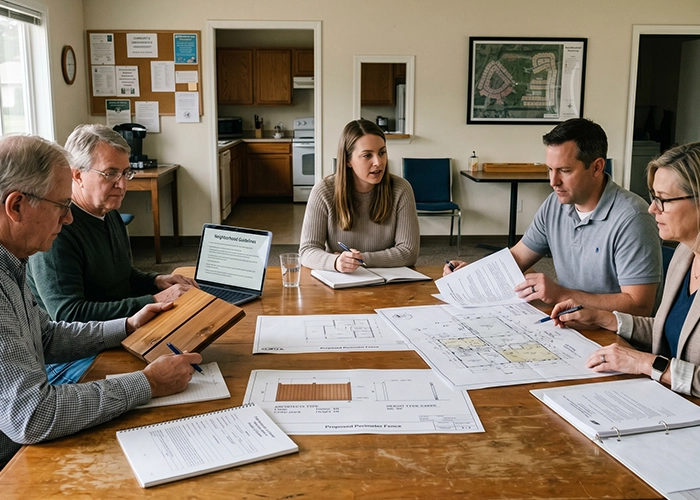
Most associations rely on an architectural review committee or board approval process for exterior modifications. Fence projects almost always fall into this category.
The approval process helps ensure that fence heights and designs align with community standards before construction begins. This protects both the homeowner and the association from future conflicts.
A typical application may require:
- Fence dimensions
- Material details
- Paint or stain colors
- Property surveys
- Site placement diagrams
- Contractor information
Some homeowners become frustrated by these requirements, especially if they believe the project is minor. However, review procedures help maintain consistency across the community.
Boards also benefit from documenting approvals carefully. Written records help avoid confusion later if ownership changes or disputes arise regarding what was originally permitted.
Privacy Versus Community Appearance
Fence height debates often come down to balancing privacy with appearance. Homeowners usually want fences for comfort, security, and separation from nearby properties. HOAs, meanwhile, focus on preserving the neighborhood’s visual character.
Privacy fences are especially common in densely populated communities where homes sit close together. Taller fencing can help reduce noise and create more usable outdoor living space.
At the same time, excessively tall or bulky fences can make neighborhoods feel closed off. Some communities prefer a more open appearance that encourages interaction among neighbors.
This balance is why many HOAs compromise with partial privacy designs. Semi-private fencing, decorative toppers, or landscaping additions may provide privacy without creating a fortress-like appearance.
Landscaping also plays a major role. Trees, hedges, and shrubs are often used alongside fencing to soften visual impact while improving privacy naturally.
Fence Heights and Neighbor Disputes
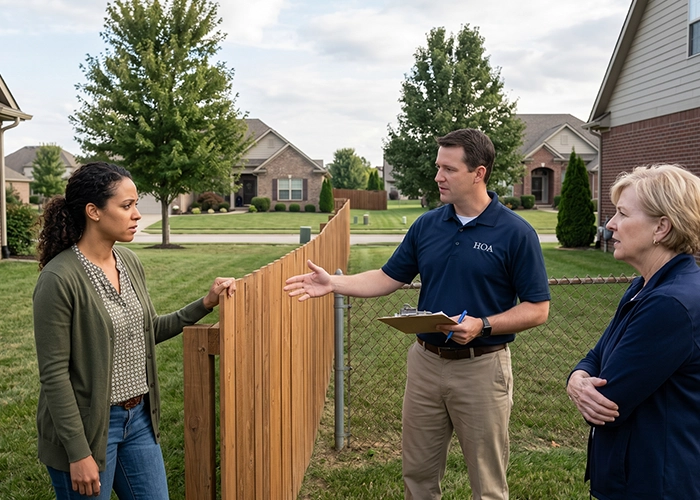
Fence disagreements between neighbors are more common than many boards would like. Height issues often become emotional because fences directly affect how people experience their homes.
One homeowner may feel a taller fence is necessary for privacy. Another may believe that same fence blocks sunlight or creates an unattractive view. These situations can escalate quickly if communication breaks down.
Common fence-related complaints include:
- Blocking scenic views
- Reducing sunlight
- Creating drainage problems
- Encroaching on property lines
- Mismatched fence styles
- Uneven fence heights
HOAs often step in to mediate these disputes. Clear governing documents help tremendously in these situations because they give boards an objective standard to reference.
Communities without clear fence rules tend to experience more conflict. Vague language can lead to inconsistent enforcement, which frustrates homeowners and weakens trust in the board.
Pool Fences and Safety Requirements
Fence heights become even more important when pools are involved. Safety regulations for pool fencing are usually stricter than standard decorative or privacy fencing rules.
Many states and municipalities require minimum fence heights around pools to help prevent accidental access. Self-closing and self-latching gates are also commonly required.
HOAs may enforce additional safety standards beyond local laws. Associations often want to reduce liability risks while protecting residents and guests.
Pool fence requirements may include:
- Minimum fence height
- Limited spacing between pickets
- Specific gate hardware
- Restrictions on climbable surfaces
- Approved fence materials
Because safety rules vary by location, homeowners should never assume standard fencing automatically complies with pool requirements.
Choosing the Right Fence Height for Your Property
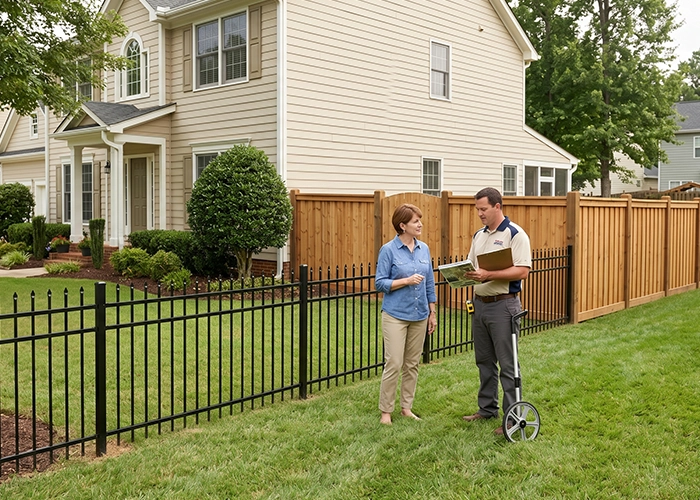
The best fence height depends on the homeowner’s goals, property layout, and HOA standards. A fence that works well for one lot may not suit another.
For homeowners focused on privacy, six-foot fencing is often the preferred option. It provides solid screening without overwhelming the property. Decorative front yard fencing, however, is usually lower to preserve visibility and curb appeal. Real estate professionals such as Matthew Chapman note that exterior features like fencing often shape a buyer’s first impression.
Before choosing a fence height, homeowners should consider:
- Purpose of the fence
- Neighborhood standards
- Nearby views
- Local weather conditions
- Landscaping plans
- Long-term maintenance
Wind exposure is another factor many people overlook. Taller fences face more stress during storms and may require stronger posts or reinforcement. In areas prone to severe weather, this becomes especially important.
Material choice also affects durability. Wood fencing may warp or lean over time if not maintained properly, while vinyl and aluminum often require less upkeep.
What Happens When Homeowners Violate Fence Rules
Unauthorized fence installations can create difficult situations for both homeowners and associations. In many communities, violations trigger formal enforcement procedures.
The board may send notices requesting corrections or removal if a fence exceeds approved height limits. Fines can also be imposed depending on the governing documents and state laws.
In some cases, homeowners install fences without realizing approval was required. Even then, the association may still require modifications if the fence violates community standards.
Enforcement usually becomes more complicated when rules have not been applied consistently in the past. If one homeowner was allowed to keep a taller fence years ago, others may expect similar treatment.
This is why consistency matters so much in HOA governance. Fair enforcement helps maintain credibility and reduces accusations of favoritism.
Tips for Homeowners Planning a Fence Project
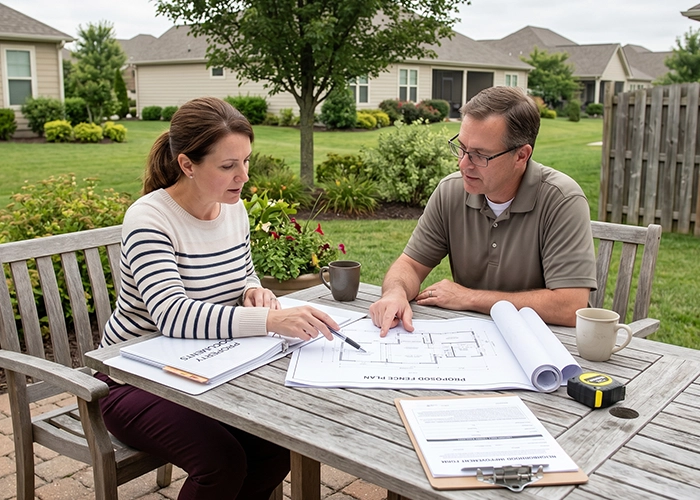
Planning ahead can make the entire fence approval process smoother. Homeowners who research requirements early often avoid delays and unnecessary expenses.
A few practical steps can help:
- Review HOA governing documents carefully
- Verify local code requirements
- Speak with neighbors before construction
- Submit complete applications
- Use licensed contractors when possible
- Keep written approval records
Open communication also helps prevent misunderstandings. Neighbors are usually more receptive when they feel informed and included before major exterior changes happen.
Homeowners should also avoid assuming prior approvals apply universally. Rules may have changed over time, and exceptions granted in the past may no longer be allowed.
How HOAs Can Create Better Fence Policies
Strong fence policies protect communities while still giving homeowners reasonable flexibility. Associations that create overly rigid rules may frustrate residents, while vague policies often lead to disputes.
The best HOA fence guidelines are:
- Clear
- Specific
- Easy to understand
- Consistently enforced
- Updated when necessary
Boards should periodically review their architectural standards to make sure they still reflect the community’s needs. Neighborhood trends, homeowner expectations, and local regulations can all change over time.
Visual examples can also help homeowners understand what is permitted. Some associations provide design guides with approved fence styles, colors, and height examples to reduce confusion during the application process.
When policies are communicated clearly, approval processes usually move more smoothly and disputes become less frequent.
Creating Boundaries Without Creating Conflict
Understanding fence heights, approvals, and HOA fence rules can feel overwhelming without the right guidance.
Personalized Property Management helps HOA boards develop practical community policies while guiding homeowners through a smooth approval process. Call 760-325-9500 or contact us online to keep your neighborhood well-maintained, consistent, and visually appealing for years to come.
Related Articles:
- HOA Architectural Requests: A Complete Guide for Homeowners and Boards
- HOA Violation Process: Best Ways to Enforce Rules
- Avoiding Fines: Complying With HOA Fence Rules And Restrictions