
Strong HOA groundskeeping keeps common areas looking cared-for and helps residents feel proud of where they live. Better curb appeal is nice, but day-to-day safety and fewer complaints matter just as much. With the right routines, the work stays predictable instead of stressful.
HOA Groundskeeping Starts With a Simple Plan
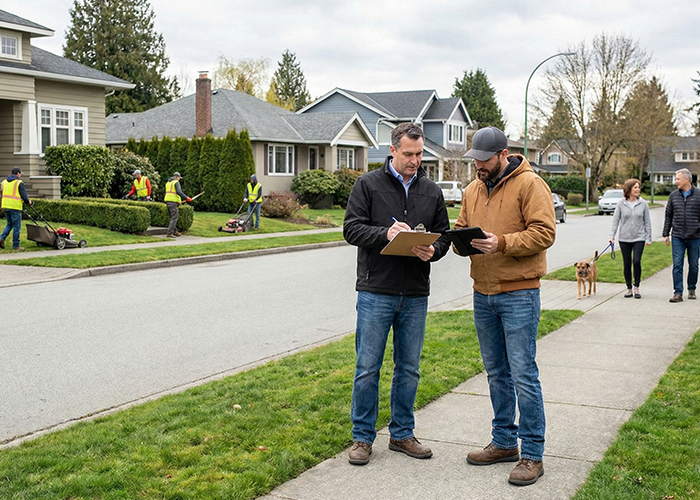
A good season rarely happens by accident, especially with HOA groundskeeping spread across turf, beds, trees, and walkways. Clear standards help everyone stay on the same page, from the board to the on-site crew. Consistency also protects the budget, because “emergency fixes” cost more than steady upkeep.
A site map helps more than most boards expect. Each zone can be labeled by priority and use, such as entry areas, pool paths, playground corners, and quiet side lots. From there, a simple calendar can be built around what actually grows and what residents actually see.
Weekly expectations deserve a written scope, even with a long-time vendor. A short list of “must-look-right” items prevents misunderstandings, especially when crews change mid-season. Fewer surprises usually follow when standards are spelled out early.
The Daily Look Residents Notice
First impressions often come from edges and clean lines, not from expensive plants. Crisp trimming along sidewalks, tidy bed borders, and grass kept at a steady height can make an older landscape feel newer. Meanwhile, litter and stray branches can ruin the same area in a single afternoon.
Small walkthroughs keep quality high. A quick loop by a board member, manager, or committee volunteer can catch issues before they turn into resident emails. Better still, that loop can follow the same route each time so changes stand out.
A short checklist can help those walkthroughs stay focused without turning into a long report:
- Entry sign area free of weeds and debris
- Sidewalk edges trimmed and easy to see
- Clippings cleared off hard surfaces
- Trash cans serviced and not overflowing
- Bare spots noted for repair or reseeding
Simple mowing habits protect turf health over time. Cutting too much in one visit can stress grass and lead to brown patches, even with plenty of water. A steady schedule, adjusted for growth spurts, tends to look better and cost less.
Water That Works for You
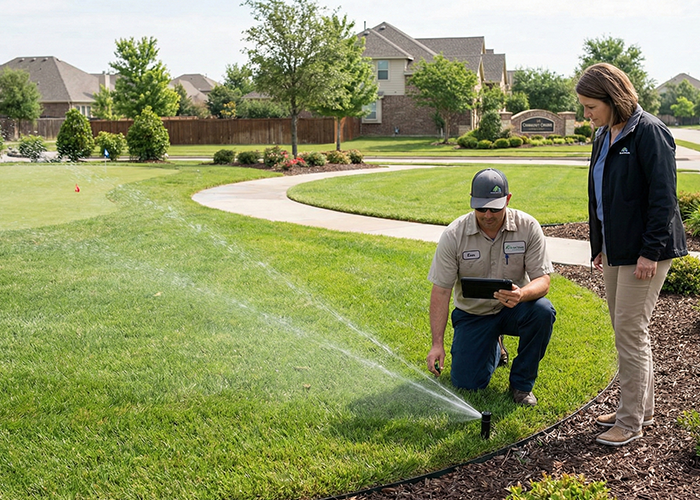
Irrigation can either support the landscape or quietly drain the budget. Leaks, broken heads, and poor coverage often show up as soggy spots in one area and dry turf in another. Those patterns are worth fixing quickly because the longer they sit, the harder the turf becomes to recover.
Local watering rules can change with drought conditions, so flexibility matters. Seasonal adjustments to timers can reduce waste, and smarter controllers can prevent watering during rain or high winds. Pooling water and runoff signal that the system needs attention, not extra run time.
Deep watering helps roots grow down instead of staying shallow near the surface. Shallow roots tend to mean weak turf, especially during heat waves. A routine check of spray direction and pressure can improve coverage without adding minutes to every zone.
Beds That Stay Neat
Mulch does a lot of quiet work in common areas. Weed pressure drops, soil holds moisture longer, and beds look finished even when flowers come and go. Too much mulch, though, can cause trouble around tree trunks and shrubs.
A moderate mulch layer usually looks clean without smothering plants. Space around trunks matters, since bark needs air and moisture balance. A quick rake-through can refresh the look and break up matted mulch without adding new material every time.
Plant selection makes a big difference in how hard the beds are to maintain. Native and well-adapted plants often handle local weather with fewer replacements. When a community wants seasonal color, a few high-visibility beds can carry the look while quieter corners stay simple.
Clear Sightlines Around Trees
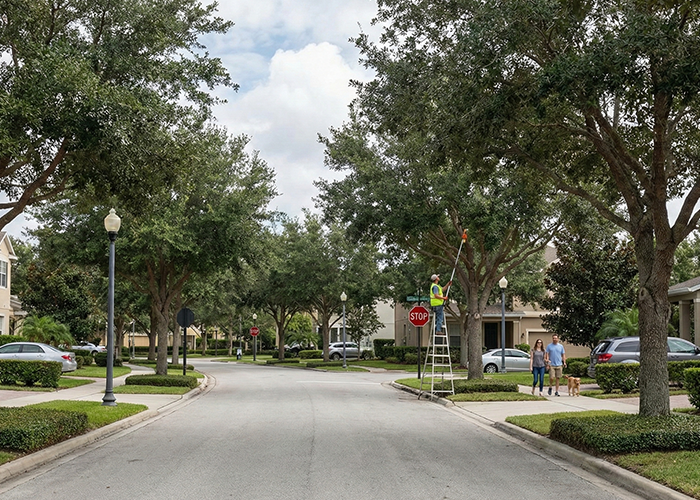
Tree care affects both beauty and risk. Overgrown branches can block lighting, hide signs, and limit driver visibility at corners. Storm season can also turn weak limbs into a real hazard.
Regular pruning helps shape growth and keeps branches off roofs, fences, and walkways. Larger trees may call for an arborist, especially when limb weight, decay, or past storm damage becomes a factor. Safer can be cheaper, since a single fall can cost more than routine care.
Shrubs deserve the same common-sense approach. Sightlines near entrances, intersections, and paths should stay open. A landscape that looks lush still needs to feel safe, particularly near play areas and parking.
Paths and Places People Use
Hardscapes often get overlooked in grounds plans, even though residents use them every day. Sidewalk edges, curbs, pavers, and breezeways collect clippings, mud, and stains over time. Clean surfaces make the whole property feel more cared-for.
Trip hazards should stay on the radar, even when they seem minor. Lifted pavers, cracked corners, and uneven transitions can lead to complaints or injuries. A small repair list reviewed monthly can prevent a “sudden” problem from growing for a year.
Drainage deserves attention in the same way. Standing water near walkways and entrances can lead to algae, slipping, and faster surface wear. Downspouts, swales, and catch basins should stay clear so water goes where it was meant to go.
Vendor Oversight Without Drama
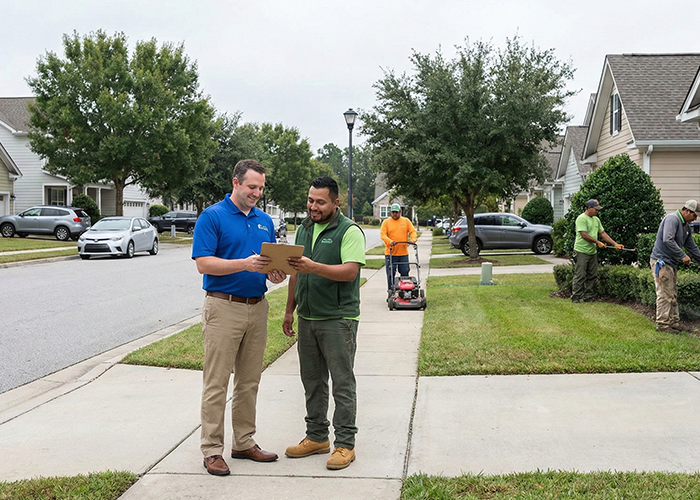
Great landscapes usually come from clear communication, not constant pressure. Strong HOA groundskeeping depends on a contract that explains what “done” looks like, how often work happens, and who handles exceptions. Service schedules, clean-up expectations, and response times for issues like storm debris help avoid arguments later.
Insurance and safety practices belong in the vendor conversation, too. Crew training, equipment rules, and site safety around pedestrians should be addressed upfront. A community with kids, pets, and evening foot traffic needs extra care during work hours.
A simple reporting rhythm keeps everyone informed. Photos after each visit, notes on irrigation issues, and a quick monthly summary can reduce resident frustration. Better trust often follows when residents see steady upkeep and timely fixes.
Seasonal reviews also help the board stay in control. Budget planning becomes easier when plant replacements, mulch refreshes, and irrigation tune-ups are anticipated instead of guessed. Over time, that planning keeps HOA groundskeeping steady, even when vendors change.
A Well-Kept Welcome
The best communities usually rely on basics done well: clean edges, healthy turf, safe paths, and clear expectations. Pride shows up in the little details residents see every day. With steady routines, HOA groundskeeping becomes a habit the whole neighborhood can count on.
Related Articles: