HOA Terms: A Complete Guide to Common HOA Terminology

Buying a home in a homeowners association comes with a unique set of responsibilities and benefits. Understanding common HOA terms makes it much easier to communicate with your board, follow community rules, and take part in important decisions.


Understanding HOA Terms

HOA Terminology

If you’re new to an HOA, the amount of unfamiliar terminology can feel overwhelming. From governing documents to reserve funds, these words appear in meeting notices, budgets, and community updates all the time.

Learning HOA terms helps homeowners make informed decisions and avoid confusion. It also allows board members, volunteers, and residents to work together more effectively when managing the community.

Below are some of the most common HOA terms and what they mean.

1. Homeowners Association (HOA)

A homeowners association, or HOA, is an organization that manages and maintains a planned residential community. The association exists to protect property values, maintain shared spaces, and enforce community standards.

Most HOAs are nonprofit corporations governed by state laws and their own governing documents. Every homeowner within the association automatically becomes a member and agrees to follow its rules upon purchasing property.

2. Board of Directors

The board of directors consists of homeowners elected by the community to oversee the association’s operations.

Board members make decisions regarding finances, maintenance, contracts, insurance, rule enforcement, and long-term planning. They also hire and supervise vendors or a professional HOA management company when needed.

Although the board has decision-making authority, it must follow the governing documents and applicable state laws.

3. Community Association Manager

A community association manager handles the association’s day-to-day administrative responsibilities.

Depending on the size of the community, the manager may coordinate maintenance projects, communicate with homeowners, prepare financial reports, organize meetings, and work with contractors. While managers offer professional guidance, they generally do not make policy decisions. Those responsibilities remain with the board.

4. Governing Documents

Governing documents establish how the HOA operates and what homeowners must follow.

These documents commonly include:

  • Articles of Incorporation
  • Declaration of Covenants, Conditions, and Restrictions (CC&Rs)
  • Bylaws
  • Rules and Regulations
  • Architectural Guidelines

Each document serves a different purpose, but together they provide the legal framework for the association.

5. Declaration of Covenants, Conditions, and Restrictions (CC&Rs)

Often called the CC&Rs, this document contains many of the rules homeowners encounter most often.

The CC&Rs explain property restrictions, maintenance obligations, architectural standards, parking regulations, pet policies, leasing restrictions, and other community requirements.

Before making exterior changes to a home, homeowners should review the CC&Rs to determine whether approval is required.

6. Bylaws

While CC&Rs focus on the community itself, bylaws explain how the association operates.

Bylaws usually outline:

  • Election procedures
  • Board member qualifications
  • Officer responsibilities
  • Voting requirements
  • Meeting procedures
  • Board terms

These rules help ensure that association business is conducted fairly and consistently.

7. Rules and Regulations

Rules and regulations provide additional guidance for everyday living within the community.

These policies often address practical concerns such as:

  • Pool hours
  • Parking restrictions
  • Trash collection
  • Noise expectations
  • Amenity usage
  • Guest policies

Unlike CC&Rs, rules may be updated by the board more frequently to address changing community needs.


Financial HOA Terms You Should Know
HOA Terminology

Financial terminology plays a major role in every homeowners association. Understanding these terms helps residents better understand where their assessments go and how the community plans for future expenses.

Assessment

An assessment is the fee homeowners pay to support association operations.

Assessments typically cover:

  • Landscaping
  • Insurance
  • Common area maintenance
  • Utilities for shared facilities
  • Administrative expenses
  • Professional services
  • Reserve funding

Depending on the community, assessments may be collected monthly, quarterly, or annually.

Special Assessment

A special assessment is an additional fee charged when regular assessment income cannot cover unexpected or major expenses.

Examples include storm damage repairs, emergency infrastructure work, or significant capital improvement projects.

Boards generally follow procedures outlined in the governing documents before approving a special assessment.

Reserve Fund

The reserve fund is money set aside for major repairs and future replacements.

Instead of waiting until a roof, road, or clubhouse requires replacement, associations gradually save funds over many years. This approach helps reduce the need for large special assessments.

Common reserve expenses include:

  • Roof replacement
  • Road resurfacing
  • Elevator modernization
  • Clubhouse renovations
  • Pool equipment replacement
  • Fence replacement

Operating Budget

The operating budget outlines the association’s expected income and expenses for the coming fiscal year.

A well-prepared budget helps the board plan routine maintenance, pay vendors, and ensure the community remains financially stable.

Homeowners often review the annual budget during meetings or budget approval sessions.

Reserve Study

A reserve study evaluates the condition of major community assets while estimating their remaining useful life and replacement costs.

Professional reserve studies help boards determine whether reserve contributions are adequate for future repairs.

Many states recommend or require reserve studies to support responsible financial planning.


Common Legal and Governance Terms

HOA Terminology

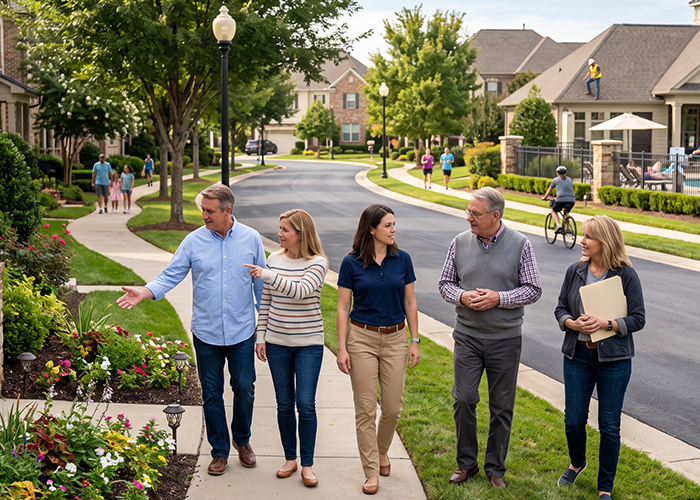
Legal terminology often appears during board meetings, elections, and association business. Understanding these terms makes it easier to participate in community governance.

Quorum

A quorum is the minimum number of members required before official business can take place.

Without a quorum, votes typically cannot occur because the meeting does not meet participation requirements established in the bylaws.

Communities sometimes struggle to reach a quorum, which can delay elections or important decisions.

Fiduciary Duty

Board members have a fiduciary duty to act in the association’s best interests.

This responsibility includes making informed decisions, managing finances responsibly, avoiding conflicts of interest, and treating homeowners fairly.

Fiduciary duty helps ensure transparency and accountability throughout the association.

Minutes

Meeting minutes serve as the official written record of board and membership meetings.

Minutes generally summarize:

  • Attendance
  • Motions
  • Votes
  • Decisions
  • Action items

They do not include every conversation but instead provide an accurate record of official business.

Motion

A motion is a formal proposal asking the board or membership to take a specific action.

Most motions require discussion before a vote occurs. If approved, the motion becomes an official decision of the association.

Resolution

A resolution is a formal policy or decision adopted by the board.

Resolutions often clarify existing rules, establish procedures, or address operational matters that are not specifically covered within the governing documents.


Architectural and Property Terms
HOA Terminology

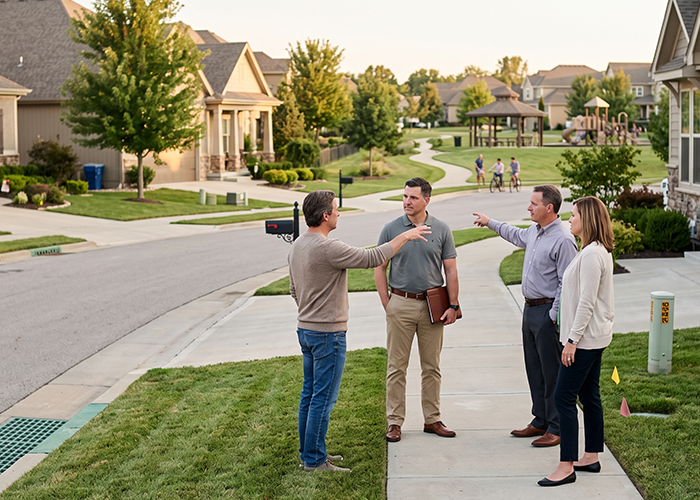
Many HOA terms relate to how homes and common property are maintained. These terms help homeowners understand what changes require approval and who is responsible for different areas within the community.

Architectural Review Committee (ARC)

The Architectural Review Committee, often called the ARC or ACC (Architectural Control Committee), reviews requests for exterior property modifications.

Homeowners usually must submit an application before making visible changes such as installing a fence, repainting the home, replacing windows, adding solar panels, or building a patio. The committee reviews each request to ensure it complies with the community’s architectural guidelines.

Architectural Guidelines

Architectural guidelines establish design standards that help maintain a consistent appearance throughout the neighborhood.

These guidelines may include requirements for:

  • Exterior paint colors
  • Roofing materials
  • Landscaping
  • Fence styles
  • Outdoor lighting
  • Driveway improvements
  • Home additions

Following these standards helps preserve the community’s appearance and can support long-term property values.

Common Area

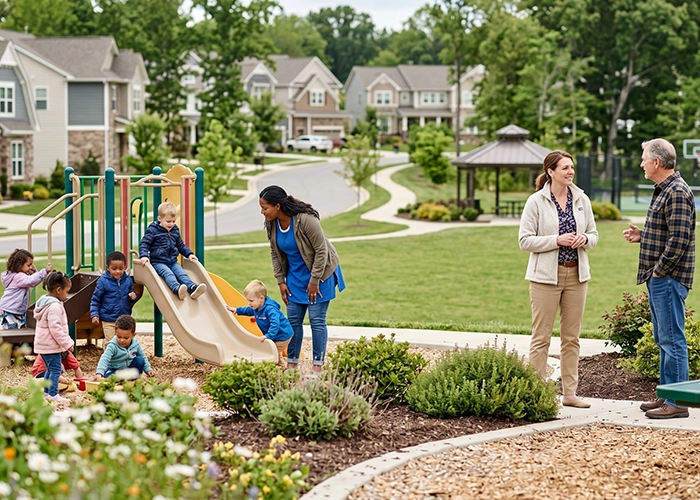
A common area refers to property owned or maintained by the association for the benefit of all residents.

Examples include:

  • Parks
  • Swimming pools
  • Clubhouses
  • Sidewalks
  • Private roads
  • Fitness centers
  • Playgrounds
  • Green spaces

Maintenance costs for these shared amenities are typically paid through homeowner assessments.

Limited Common Element

A limited common element is shared property that is reserved for the use of one or a small group of homeowners.

Examples may include balconies, assigned parking spaces, private patios, or detached garages. While these areas serve specific homes, maintenance responsibilities vary depending on the governing documents.

Easement

An easement gives another party the legal right to use a portion of a property for a specific purpose.

Utility companies often receive easements to install or maintain power lines, water lines, drainage systems, or underground utilities. Homeowners generally cannot block or build over these areas.


HOA Compliance and Enforcement Terms
HOA Terminology

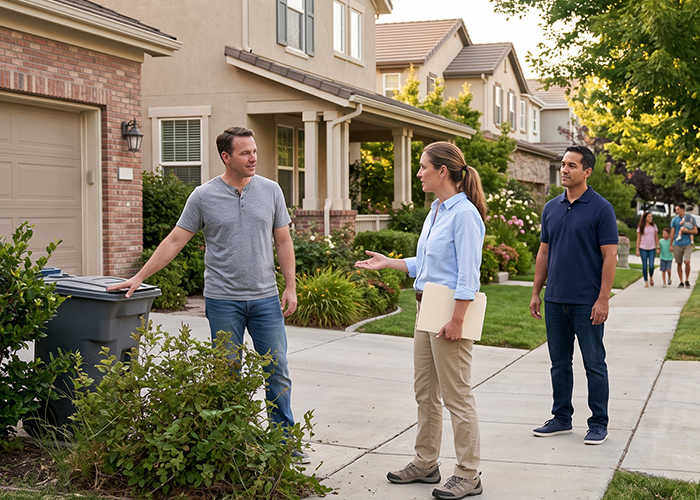
Living in an HOA means following community rules. Understanding enforcement-related terminology helps homeowners know what happens when rules are violated and how issues are resolved.

Violation

A violation occurs when a homeowner fails to comply with the governing documents or community rules.

Common violations include:

  • Improper parking
  • Overgrown landscaping
  • Unauthorized exterior modifications
  • Trash containers left outside
  • Excessive noise
  • Failure to maintain property

Most associations provide written notice before taking additional enforcement actions.

Courtesy Notice

A courtesy notice is often the first communication sent when a possible violation is identified.

Rather than imposing an immediate penalty, the association gives the homeowner an opportunity to correct the issue within a reasonable timeframe.

Many communities use courtesy notices to encourage voluntary compliance and maintain positive relationships with residents.

Fine

If a violation remains unresolved, the association may issue a fine according to its governing documents and applicable state laws.

Most HOAs follow a formal enforcement process that includes notice and, when required, the opportunity for a hearing before penalties are imposed.

Hearing

A hearing allows homeowners to explain their situation before the board makes a final enforcement decision.

This process promotes fairness by allowing both sides to present information before penalties or other actions move forward.

Lien

A lien is a legal claim placed against a property when unpaid assessments or other authorized charges remain outstanding.

The exact procedures vary by state, but liens may affect a homeowner’s ability to refinance or sell the property until the balance is resolved.


Insurance and Maintenance Terms

Insurance and maintenance responsibilities are another important part of HOA living. Knowing these terms helps homeowners understand who is responsible when repairs or damage occur.

Master Insurance Policy

The master insurance policy provides coverage for property owned by the association.

Depending on the community type, the policy may cover common areas, shared buildings, amenities, and portions of residential structures. Individual homeowners typically need their own insurance policy to cover personal belongings and areas not included under the association’s coverage.

Homeowners Insurance

A homeowner’s insurance policy protects personal property, interior improvements, liability, and other items that fall outside the HOA’s master policy.

Condominium owners often purchase specialized policies designed to complement the association’s insurance coverage.

Maintenance Responsibility

Maintenance responsibility defines who must maintain different portions of the property.

For example, the association may maintain roofs, landscaping, sidewalks, and shared amenities, while homeowners remain responsible for interior repairs, plumbing fixtures, and private yards. These responsibilities are outlined in the governing documents.

Capital Improvement

A capital improvement is a major project that adds value or extends the life of community assets.

Examples include:

  • Building a new clubhouse
  • Installing updated playground equipment
  • Repaving private roads
  • Renovating community pools
  • Replacing security systems

Unlike routine maintenance, capital improvements are long-term investments that enhance the community.


HOA Meeting and Election Terms

HOA meetings allow homeowners and board members to discuss community matters, review finances, and make important decisions.

Annual Meeting

The annual meeting is held once each year and serves as one of the association’s most important gatherings.

During the meeting, homeowners may:

  • Elect board members
  • Review financial reports
  • Discuss community updates
  • Vote on certain matters
  • Ask questions about association operations

Attendance helps homeowners stay informed about the direction of their community.

Open Meeting

An open meeting allows homeowners to attend board meetings and observe association business.

Although executive sessions may be held for confidential matters such as legal issues or personnel discussions, most board meetings remain open to members.

Proxy

A proxy allows a homeowner to authorize another individual to vote on their behalf when they cannot attend a meeting.

Proxy voting helps associations achieve a quorum and conduct official business when attendance is low.

Executive Session

An executive session is a private board meeting held to discuss confidential topics.

These discussions may involve legal matters, contract negotiations, personnel issues, delinquent accounts, or homeowner violations that require privacy.


Frequently Confused HOA Terms

Some HOA terms sound similar but have different meanings. Knowing the distinction can help homeowners avoid misunderstandings.

Term Meaning
CC&Rs Establish property restrictions and owner obligations.
Bylaws Explain how the association operates.
Rules and Regulations Address everyday community policies.
Assessments Regular homeowner dues that fund association operations.
Special Assessments Additional charges for unexpected or major expenses.
Reserve Fund Savings set aside for future repairs and replacements.
Operating Budget Annual plan for routine income and expenses.
Common Area Shared property maintained by the association.
Limited Common Element Shared property reserved for certain homeowners.
ARC Reviews exterior improvement requests.


Why Learning HOA Terms Matters

You do not need to memorize every HOA term overnight. Still, becoming familiar with the language your association uses can make a big difference.

Homeowners who understand HOA terminology are better prepared to read governing documents, participate in meetings, review budgets, and communicate with board members. They are also more likely to make informed decisions about property improvements and community involvement.

Board members benefit as well. A shared understanding of HOA terms helps discussions stay productive and reduces confusion when handling community business. It also builds transparency and trust between the board and homeowners.


Understanding HOA Terms Helps You Navigate Your Community with Confidence

Understanding HOA terms is one of the easiest ways to feel more confident about living in a homeowners association.

Whether you are serving on the board or have just moved into the community, knowing the language behind HOA operations helps you make informed decisions, avoid misunderstandings, and contribute to a well-managed neighborhood.

Managing an HOA doesn’t have to be overwhelming. Personalized Property Management partners with community associations to provide expert guidance in governance, budgeting, maintenance coordination, and homeowner relations. Whether your board needs full-service management or experienced support, we’re here to help. Call 760-325-9500 or contact our team today to discover how we can help your community succeed.


Related Articles: 
HOA Daycare: What Homeowners Associations Need to Know

As more parents seek flexible childcare options, the idea of operating an HOA daycare within a residential community has become increasingly common. While a home-based daycare can provide valuable services to residents, it can also raise questions about rules, liability, parking, and neighborhood impact.


Understanding the Basics

Daycare in HOA Communities

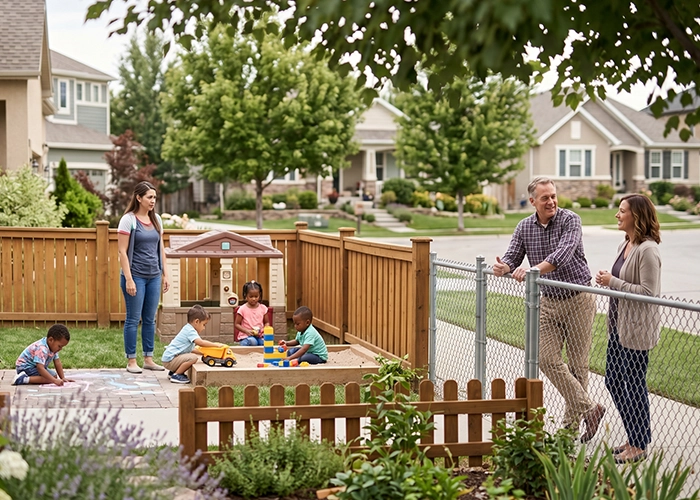
An HOA daycare generally refers to a childcare business operated from a home located within a homeowners association. These businesses can range from small in-home daycare programs caring for a handful of children to larger licensed childcare operations permitted under state law.

For many families, an in-home daycare offers convenience, affordability, and a familiar neighborhood setting. At the same time, HOA boards often need to balance the rights of homeowners with the interests of the broader community.

The relationship between daycare operations and HOA regulations can be complex because several factors come into play. State laws, local zoning ordinances, licensing requirements, and HOA governing documents may all affect whether a daycare can legally operate within the community.


Why HOA Communities Encounter Daycare Issues

Communities today look very different than they did decades ago. Many people now work from home, run small businesses from their residences, or provide professional services within their neighborhoods.

Daycare services are part of this broader trend. Parents often prefer childcare options close to home, especially when they can walk their children to a nearby caregiver.

However, childcare operations naturally create activity that may not exist in a typical residential setting. Morning drop-offs, afternoon pickups, increased vehicle traffic, and outdoor playtime can sometimes lead to concerns among neighbors.

As a result, HOA boards frequently receive questions from both homeowners seeking to open a daycare and residents worried about how such businesses may affect the community.


Reviewing Governing Documents First

Daycare in HOA Communities

Before making any decision regarding an HOA daycare, boards should begin by reviewing their governing documents.

Many declarations, CC&Rs, bylaws, and rules contain provisions regarding commercial activity within the community. Some documents prohibit all business activity, while others allow certain home-based businesses as long as they do not create noticeable impacts.

Common provisions may address:

  • Commercial business operations
  • Traffic and parking concerns
  • Noise restrictions
  • Customer visits
  • Nuisance activities
  • Use of common areas

The wording matters significantly. A blanket ban on business activity may seem straightforward, but courts in some states have interpreted home-based daycare operations differently from traditional commercial businesses.

Because of this, HOA boards should avoid making assumptions and instead carefully review their governing documents with legal counsel when necessary.


State Laws Can Affect HOA Authority

One of the most important factors in HOA daycare matters is state law.

Several states have adopted laws that protect family childcare homes from certain restrictions imposed by municipalities or homeowners associations. These laws recognize the growing need for childcare services and seek to prevent unnecessary barriers to operation.

In some states, HOAs may not completely prohibit licensed family daycare homes. Instead, associations may only regulate specific aspects of the operation, such as parking, safety, or common area use.

In other states, associations retain broader authority to enforce business restrictions found in their governing documents.

Because laws vary significantly across the country, HOA boards should ensure they understand applicable state regulations before approving or denying a daycare request.


Licensing Requirements for Home Daycare Providers

Daycare in HOA Communities

Operating a daycare is not as simple as opening the doors and accepting children. Most states require some form of licensing, registration, certification, or inspection.

Requirements often depend on:

  1. The number of children being cared for
  2. The ages of the children
  3. Hours of operation
  4. Whether care is provided on a regular basis
  5. The caregiver’s qualifications

Licensing agencies typically establish standards related to safety, sanitation, emergency preparedness, supervision ratios, and facility conditions.

Homeowners interested in starting a daycare should ensure they understand all state and local requirements before beginning operations.

From the HOA’s perspective, verifying that a daycare operator maintains proper licensing may help reduce community concerns and promote compliance with applicable regulations.


Parking and Traffic Concerns

One of the most common complaints involving HOA daycare operations involves traffic.

Even a small daycare may result in several vehicles entering and leaving the neighborhood during peak morning and afternoon hours. In communities with narrow streets or limited parking, this activity can create frustration among residents.

Boards should focus on objective concerns rather than assumptions about daycare businesses. If traffic becomes a legitimate issue, the association may be able to enforce existing parking regulations or adopt reasonable rules consistent with governing documents and applicable law.

Some communities establish policies addressing:

  • Guest parking usage
  • Temporary stopping areas
  • Street parking restrictions
  • Safety around intersections
  • Vehicle flow during pickup and drop-off periods

The goal should be to manage impacts while respecting homeowners’ rights.


Noise Considerations Within Residential Communities

Daycare in HOA Communities

Children naturally generate noise while playing, learning, and interacting with one another.

Most residents understand and expect a reasonable amount of activity within family-oriented neighborhoods. However, concerns may arise when outdoor play occurs for extended periods or involves a larger number of children.

Boards should be careful not to apply standards that unfairly target daycare operators while ignoring similar activity from other households.

Instead, associations should rely on established nuisance provisions and noise regulations. Consistent enforcement helps prevent claims of selective treatment and supports fairness throughout the community.

In many situations, open communication between neighbors can resolve concerns before they become formal disputes.


Liability and Insurance Issues

Liability is another area that deserves careful attention.

A daycare provider assumes significant responsibility when caring for children. Accidents, injuries, or other incidents can occur despite the best safety practices.

Homeowners operating daycare services should review their insurance coverage to ensure adequate protection exists for business-related activities.

Traditional homeowners insurance policies may not cover daycare operations. Specialized endorsements or separate business insurance policies are often necessary.

HOA boards should also review the association’s insurance program to understand potential exposure and verify that community policies remain appropriate.

Working with insurance professionals can help identify risks and address coverage gaps before problems arise.


Common Area Usage and Safety

Daycare in HOA Communities

Questions sometimes arise regarding the use of common areas by daycare providers and the children in their care.

For example, can daycare operators bring children to community parks, playgrounds, pools, clubhouses, or recreation facilities?

The answer often depends on the association’s governing documents, rules, and insurance requirements.

Some communities permit supervised access under specific conditions. Others impose restrictions due to liability concerns or capacity limitations.

Boards should evaluate these situations carefully and establish clear policies that apply consistently to all residents.

Well-defined rules help prevent misunderstandings and reduce the likelihood of disputes.


Balancing Community Interests and Homeowner Rights

One of the most challenging aspects of HOA governance involves balancing competing interests.

Homeowners have legitimate rights to use and enjoy their property. At the same time, associations have an obligation to preserve community standards and protect residents from unreasonable disruptions.

An HOA daycare often sits at the center of this balancing act.

Boards that approach these situations with flexibility and objectivity are usually better positioned to find workable solutions. Immediate opposition or overly restrictive responses can create conflict and may expose the association to legal challenges.

Likewise, daycare operators should understand that living within an HOA means complying with reasonable community standards.

Mutual cooperation often produces the best outcomes for everyone involved.


Best Practices for HOA Boards

When addressing daycare-related requests or concerns, HOA boards can benefit from a structured approach.

Consider the following best practices:

  • Review governing documents carefully before taking action.
  • Understand applicable state and local laws.
  • Consult association legal counsel when necessary.
  • Apply rules consistently to all homeowners.
  • Focus on actual impacts rather than assumptions.
  • Document decisions and enforcement efforts.
  • Encourage communication between affected parties.
  • Evaluate requests on a case-by-case basis.

Following these principles can help boards make informed decisions while minimizing disputes.


Tips for Homeowners Seeking to Open a Daycare

Homeowners interested in operating a daycare within an HOA community should take proactive steps before launching their business.

Helpful actions include:

  1. Reviewing HOA governing documents.
  2. Researching state licensing requirements.
  3. Confirming local zoning compliance.
  4. Obtaining appropriate insurance coverage.
  5. Discussing plans with neighbors when possible.
  6. Developing a parking and traffic management plan.
  7. Maintaining open communication with the board.

Being transparent from the beginning often helps build trust and reduce concerns among residents.

A cooperative approach can make the approval process smoother and support long-term success.


Balancing Childcare Needs and Community Standards

The growing demand for childcare services means HOA daycare discussions will likely become more common in residential communities. By understanding governing documents, state laws, licensing requirements, and community concerns.

Personalized Property Management can help boards evaluate requests, enforce rules fairly, and maintain positive resident relationships.

Call us 760-325-9500 or contact us online to learn how we can help your community address complex issues while preserving harmony and compliance.


Related Articles: 

HOA Annual Checkup: A Complete Guide to Keeping Your Community on Track

An HOA annual checkup is one of the most important steps a community can take to stay organized, financially stable, and prepared for the year ahead. It helps boards catch small issues early and make better decisions before problems grow.

When done right, this process becomes less about reacting and more about planning with confidence.


What Is an HOA Annual Checkup and Why It Matters

An HOA annual checkup is a structured review of your association’s finances, operations, property conditions, and compliance. It gives the board a clear snapshot of where the community stands and what needs attention.

Many associations move from one issue to the next without stepping back to evaluate the bigger picture. Over time, that approach can lead to overlooked repairs, budget gaps, and frustrated homeowners.

A thoughtful annual checkup brings everything into focus. It allows the board to confirm what is working, adjust what is not, and align priorities for the coming year. More importantly, it builds trust with residents who want to see consistent and responsible leadership.


Reviewing Financial Health and Budget Accuracy

HOA annual inspection checklist

Financial stability is the backbone of any well-run association. An HOA annual checkup should begin with a close look at the community’s financial position.

Start by comparing actual income and expenses against the current budget. This step reveals patterns that may not be obvious month to month. For example, certain maintenance costs may be trending higher than expected, or assessment collections may be slower than planned.

A careful review should include:

  • Operating account balances and cash flow trends
  • Reserve fund contributions and current funding levels
  • Delinquency rates and collection processes
  • Variances between projected and actual expenses

Boards should also evaluate whether the current budget still reflects the community’s needs. Costs change, and a budget that worked last year may not be realistic today.

In some cases, adjustments may be necessary before the next budget cycle. Addressing those changes early helps avoid sudden increases or financial strain later on.


Evaluating Reserve Funds and Long-Term Planning

Reserve funds are often overlooked until a major repair is needed. An HOA annual checkup provides the perfect opportunity to revisit long-term financial planning.

A reserve study outlines future repair and replacement costs for shared components such as roofs, pavement, and mechanical systems. Reviewing this study each year ensures that the association is saving enough to meet those obligations.

If the reserve fund is underfunded, the board may face difficult decisions down the road. Special assessments or deferred maintenance can create stress for both the board and homeowners.

During this part of the checkup, consider:

  • Whether reserve contributions align with the latest study
  • Upcoming major projects within the next three to five years
  • Inflation and rising material costs
  • Opportunities to phase large projects more effectively

Taking a proactive approach allows the association to spread costs over time instead of reacting to emergencies.


Inspecting Common Areas and Physical Assets

HOA annual inspection checklist

The physical condition of the community speaks volumes. An HOA annual checkup should include a thorough inspection of all shared spaces and infrastructure.

Walk through the property with a critical eye. Look for signs of wear, damage, or safety concerns. Small issues, such as cracks in pavement or aging paint, can quickly turn into larger and more expensive problems.

Key areas to review include:

  • Building exteriors, roofs, and siding
  • Landscaping, irrigation systems, and drainage
  • Parking areas, sidewalks, and lighting
  • Amenities such as pools, clubhouses, and fitness areas

It is helpful to document findings with photos and notes. This creates a clear record that can be referenced during budgeting and planning discussions.

Regular inspections also show residents that the board is actively maintaining the community, which helps reinforce confidence and satisfaction.


Assessing Vendor Performance and Contracts

Vendors play a major role in day-to-day operations. An HOA annual checkup is a good time to evaluate whether those partnerships are still delivering value.

Think about how each vendor has performed over the past year. Have they been responsive, reliable, and consistent in their work? Are service levels meeting expectations?

This review should include:

  • Landscaping and maintenance providers
  • Cleaning and janitorial services
  • Security and monitoring companies
  • Management companies and administrative support

If performance has declined, it may be time to revisit the contract or explore other options. Even when services are satisfactory, comparing bids periodically can help ensure competitive pricing.

Strong vendor relationships contribute to smoother operations and fewer surprises throughout the year.


Reviewing Governing Documents and Compliance

HOA annual inspection checklist

Every HOA operates within a framework of governing documents and applicable laws. An annual checkup helps ensure that everything remains aligned and up to date.

Start by reviewing key documents such as:

  • CC&Rs
  • Bylaws
  • Rules and regulations
  • Policies and procedures

Over time, these documents may become outdated or inconsistent with current practices. Updating them can improve clarity and reduce confusion for both the board and homeowners.

Compliance is another important factor. Laws and regulations can change, and associations must stay informed to avoid potential risks.

A periodic legal review can help identify areas that need attention and confirm that the association is operating within required guidelines.


Strengthening Communication With Homeowners

Clear communication is one of the most effective tools an HOA can use. An annual checkup offers a chance to evaluate how information is shared with residents.

Consider whether homeowners are receiving updates in a timely and consistent way. Are newsletters, emails, or portals being used effectively? Do residents feel informed about decisions and upcoming projects?

Improving communication can involve:

  • Refining the frequency and format of updates
  • Simplifying complex information
  • Encouraging feedback from residents
  • Using multiple channels to reach different audiences

When communication improves, misunderstandings decrease. This often leads to stronger engagement and a more cooperative community environment.


Reviewing Insurance Coverage and Risk Management

HOA annual inspection checklist

Insurance is a critical part of protecting the association. During an HOA annual checkup, the board should review all policies to confirm adequate coverage.

This includes general liability, property insurance, and any specialized coverage relevant to the community. Policies should be reviewed for both coverage limits and exclusions.

It is also important to assess potential risks within the community. For example, aging infrastructure or high-use amenities may require additional attention.

Working with an insurance professional can help identify gaps and ensure that the association is properly protected.


Planning for Capital Projects and Improvements

Every community evolves over time. An HOA annual checkup provides a chance to think beyond maintenance and consider improvements.

Capital projects can enhance property value and resident satisfaction. These projects might include upgrades to amenities, landscaping enhancements, or energy-efficient improvements.

When planning for these initiatives:

  • Prioritize projects based on impact and feasibility
  • Align plans with available funding and reserve studies
  • Consider homeowner feedback and expectations
  • Develop a realistic timeline for completion

Planning ahead allows the board to move forward with confidence instead of reacting to pressure or urgency.


Evaluating Board Performance and Governance

HOA annual inspection checklist

The effectiveness of the board itself should not be overlooked. An HOA annual checkup is a valuable opportunity for reflection and improvement.

Boards can benefit from asking honest questions about their processes and decision-making. Are meetings productive? Are responsibilities clearly defined? Is the board working collaboratively?

Some areas to consider include:

  • Meeting structure and efficiency
  • Transparency in decision-making
  • Adherence to governing documents
  • Board member engagement and participation

In some cases, additional training or support may be helpful. Strong governance sets the tone for the entire community and influences how smoothly everything operates.


Creating an Action Plan for the Year Ahead

A successful HOA annual checkup should lead to clear next steps. Without an action plan, even the most thorough review can lose momentum.

The board should take the insights gathered during the checkup and turn them into specific goals. These goals should be realistic, measurable, and aligned with the community’s priorities.

An effective action plan may include:

  1. Budget adjustments or financial strategies
  2. Scheduled maintenance and repair timelines
  3. Updates to policies or governing documents
  4. Communication improvements
  5. Vendor evaluations or changes

Assigning responsibilities and setting deadlines helps ensure that these goals are carried out.

Consistency is key. When the board follows through on its plan, it builds credibility and creates a sense of stability within the community.


Keeping Your HOA on the Right Path

A well-planned HOA annual checkup can make all the difference in how your community operates. If your board is ready to take a more proactive approach, now is the time to start.

Connect with Personalized Property Management to guide your annual review and help your community stay ahead, organized, and thriving.


Related Articles: