
As more parents seek flexible childcare options, the idea of operating an HOA daycare within a residential community has become increasingly common. While a home-based daycare can provide valuable services to residents, it can also raise questions about rules, liability, parking, and neighborhood impact.
Understanding the Basics
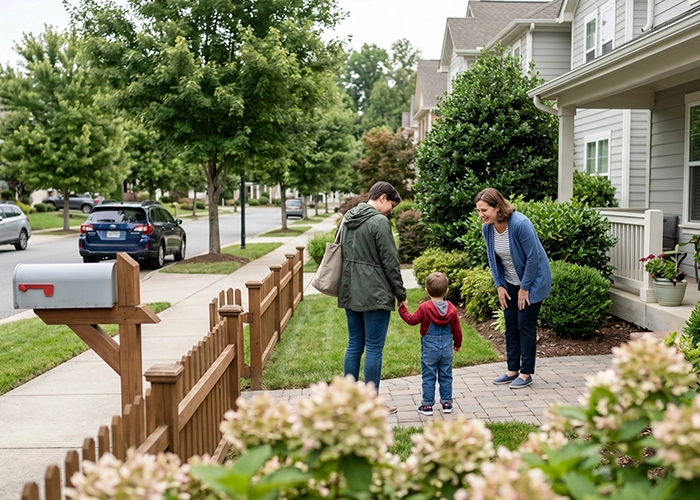
An HOA daycare generally refers to a childcare business operated from a home located within a homeowners association. These businesses can range from small in-home daycare programs caring for a handful of children to larger licensed childcare operations permitted under state law.
For many families, an in-home daycare offers convenience, affordability, and a familiar neighborhood setting. At the same time, HOA boards often need to balance the rights of homeowners with the interests of the broader community.
The relationship between daycare operations and HOA regulations can be complex because several factors come into play. State laws, local zoning ordinances, licensing requirements, and HOA governing documents may all affect whether a daycare can legally operate within the community.
Why HOA Communities Encounter Daycare Issues
Communities today look very different than they did decades ago. Many people now work from home, run small businesses from their residences, or provide professional services within their neighborhoods.
Daycare services are part of this broader trend. Parents often prefer childcare options close to home, especially when they can walk their children to a nearby caregiver.
However, childcare operations naturally create activity that may not exist in a typical residential setting. Morning drop-offs, afternoon pickups, increased vehicle traffic, and outdoor playtime can sometimes lead to concerns among neighbors.
As a result, HOA boards frequently receive questions from both homeowners seeking to open a daycare and residents worried about how such businesses may affect the community.
Reviewing Governing Documents First

Before making any decision regarding an HOA daycare, boards should begin by reviewing their governing documents.
Many declarations, CC&Rs, bylaws, and rules contain provisions regarding commercial activity within the community. Some documents prohibit all business activity, while others allow certain home-based businesses as long as they do not create noticeable impacts.
Common provisions may address:
- Commercial business operations
- Traffic and parking concerns
- Noise restrictions
- Customer visits
- Nuisance activities
- Use of common areas
The wording matters significantly. A blanket ban on business activity may seem straightforward, but courts in some states have interpreted home-based daycare operations differently from traditional commercial businesses.
Because of this, HOA boards should avoid making assumptions and instead carefully review their governing documents with legal counsel when necessary.
State Laws Can Affect HOA Authority
One of the most important factors in HOA daycare matters is state law.
Several states have adopted laws that protect family childcare homes from certain restrictions imposed by municipalities or homeowners associations. These laws recognize the growing need for childcare services and seek to prevent unnecessary barriers to operation.
In some states, HOAs may not completely prohibit licensed family daycare homes. Instead, associations may only regulate specific aspects of the operation, such as parking, safety, or common area use.
In other states, associations retain broader authority to enforce business restrictions found in their governing documents.
Because laws vary significantly across the country, HOA boards should ensure they understand applicable state regulations before approving or denying a daycare request.
Licensing Requirements for Home Daycare Providers
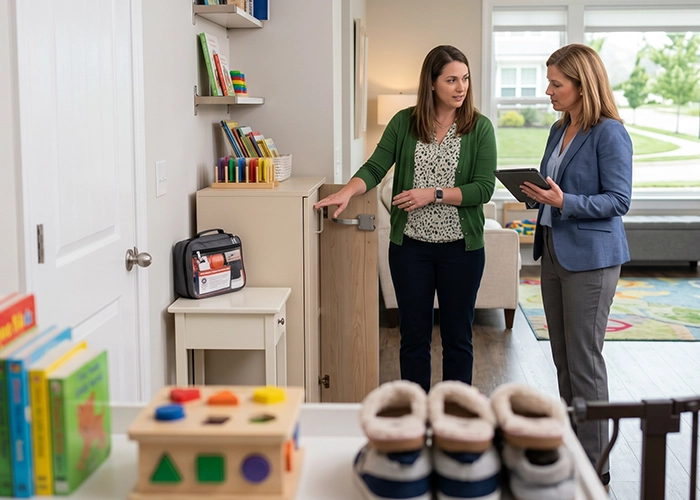
Operating a daycare is not as simple as opening the doors and accepting children. Most states require some form of licensing, registration, certification, or inspection.
Requirements often depend on:
- The number of children being cared for
- The ages of the children
- Hours of operation
- Whether care is provided on a regular basis
- The caregiver’s qualifications
Licensing agencies typically establish standards related to safety, sanitation, emergency preparedness, supervision ratios, and facility conditions.
Homeowners interested in starting a daycare should ensure they understand all state and local requirements before beginning operations.
From the HOA’s perspective, verifying that a daycare operator maintains proper licensing may help reduce community concerns and promote compliance with applicable regulations.
Parking and Traffic Concerns
One of the most common complaints involving HOA daycare operations involves traffic.
Even a small daycare may result in several vehicles entering and leaving the neighborhood during peak morning and afternoon hours. In communities with narrow streets or limited parking, this activity can create frustration among residents.
Boards should focus on objective concerns rather than assumptions about daycare businesses. If traffic becomes a legitimate issue, the association may be able to enforce existing parking regulations or adopt reasonable rules consistent with governing documents and applicable law.
Some communities establish policies addressing:
- Guest parking usage
- Temporary stopping areas
- Street parking restrictions
- Safety around intersections
- Vehicle flow during pickup and drop-off periods
The goal should be to manage impacts while respecting homeowners’ rights.
Noise Considerations Within Residential Communities
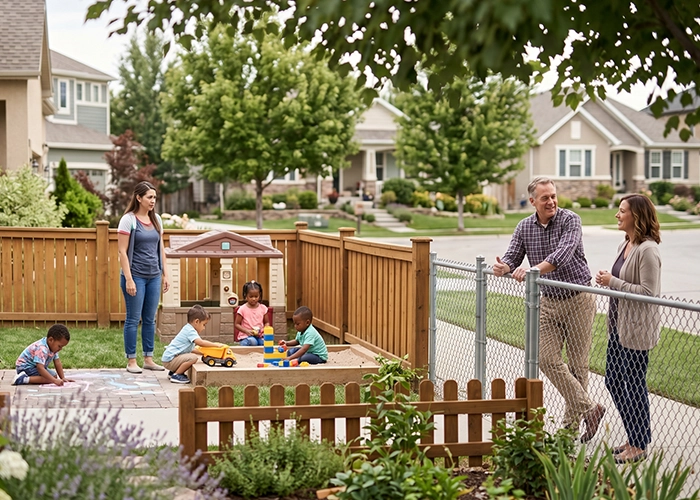
Children naturally generate noise while playing, learning, and interacting with one another.
Most residents understand and expect a reasonable amount of activity within family-oriented neighborhoods. However, concerns may arise when outdoor play occurs for extended periods or involves a larger number of children.
Boards should be careful not to apply standards that unfairly target daycare operators while ignoring similar activity from other households.
Instead, associations should rely on established nuisance provisions and noise regulations. Consistent enforcement helps prevent claims of selective treatment and supports fairness throughout the community.
In many situations, open communication between neighbors can resolve concerns before they become formal disputes.
Liability and Insurance Issues
Liability is another area that deserves careful attention.
A daycare provider assumes significant responsibility when caring for children. Accidents, injuries, or other incidents can occur despite the best safety practices.
Homeowners operating daycare services should review their insurance coverage to ensure adequate protection exists for business-related activities.
Traditional homeowners insurance policies may not cover daycare operations. Specialized endorsements or separate business insurance policies are often necessary.
HOA boards should also review the association’s insurance program to understand potential exposure and verify that community policies remain appropriate.
Working with insurance professionals can help identify risks and address coverage gaps before problems arise.
Common Area Usage and Safety
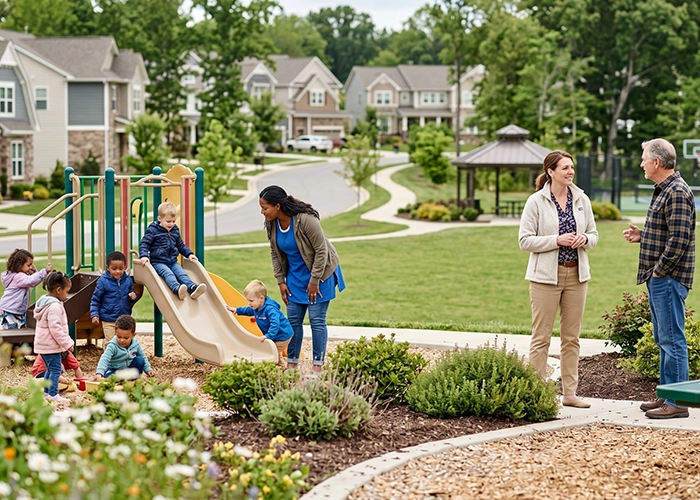
Questions sometimes arise regarding the use of common areas by daycare providers and the children in their care.
For example, can daycare operators bring children to community parks, playgrounds, pools, clubhouses, or recreation facilities?
The answer often depends on the association’s governing documents, rules, and insurance requirements.
Some communities permit supervised access under specific conditions. Others impose restrictions due to liability concerns or capacity limitations.
Boards should evaluate these situations carefully and establish clear policies that apply consistently to all residents.
Well-defined rules help prevent misunderstandings and reduce the likelihood of disputes.
Balancing Community Interests and Homeowner Rights
One of the most challenging aspects of HOA governance involves balancing competing interests.
Homeowners have legitimate rights to use and enjoy their property. At the same time, associations have an obligation to preserve community standards and protect residents from unreasonable disruptions.
An HOA daycare often sits at the center of this balancing act.
Boards that approach these situations with flexibility and objectivity are usually better positioned to find workable solutions. Immediate opposition or overly restrictive responses can create conflict and may expose the association to legal challenges.
Likewise, daycare operators should understand that living within an HOA means complying with reasonable community standards.
Mutual cooperation often produces the best outcomes for everyone involved.
Best Practices for HOA Boards
When addressing daycare-related requests or concerns, HOA boards can benefit from a structured approach.
Consider the following best practices:
- Review governing documents carefully before taking action.
- Understand applicable state and local laws.
- Consult association legal counsel when necessary.
- Apply rules consistently to all homeowners.
- Focus on actual impacts rather than assumptions.
- Document decisions and enforcement efforts.
- Encourage communication between affected parties.
- Evaluate requests on a case-by-case basis.
Following these principles can help boards make informed decisions while minimizing disputes.
Tips for Homeowners Seeking to Open a Daycare
Homeowners interested in operating a daycare within an HOA community should take proactive steps before launching their business.
Helpful actions include:
- Reviewing HOA governing documents.
- Researching state licensing requirements.
- Confirming local zoning compliance.
- Obtaining appropriate insurance coverage.
- Discussing plans with neighbors when possible.
- Developing a parking and traffic management plan.
- Maintaining open communication with the board.
Being transparent from the beginning often helps build trust and reduce concerns among residents.
A cooperative approach can make the approval process smoother and support long-term success.
Balancing Childcare Needs and Community Standards
The growing demand for childcare services means HOA daycare discussions will likely become more common in residential communities. By understanding governing documents, state laws, licensing requirements, and community concerns.
Personalized Property Management can help boards evaluate requests, enforce rules fairly, and maintain positive resident relationships.
Call us 760-325-9500 or contact us online to learn how we can help your community address complex issues while preserving harmony and compliance.
Related Articles: