
An HOA annual checkup is one of the most important steps a community can take to stay organized, financially stable, and prepared for the year ahead. It helps boards catch small issues early and make better decisions before problems grow.
When done right, this process becomes less about reacting and more about planning with confidence.
What Is an HOA Annual Checkup and Why It Matters
An HOA annual checkup is a structured review of your association’s finances, operations, property conditions, and compliance. It gives the board a clear snapshot of where the community stands and what needs attention.
Many associations move from one issue to the next without stepping back to evaluate the bigger picture. Over time, that approach can lead to overlooked repairs, budget gaps, and frustrated homeowners.
A thoughtful annual checkup brings everything into focus. It allows the board to confirm what is working, adjust what is not, and align priorities for the coming year. More importantly, it builds trust with residents who want to see consistent and responsible leadership.
Reviewing Financial Health and Budget Accuracy

Financial stability is the backbone of any well-run association. An HOA annual checkup should begin with a close look at the community’s financial position.
Start by comparing actual income and expenses against the current budget. This step reveals patterns that may not be obvious month to month. For example, certain maintenance costs may be trending higher than expected, or assessment collections may be slower than planned.
A careful review should include:
- Operating account balances and cash flow trends
- Reserve fund contributions and current funding levels
- Delinquency rates and collection processes
- Variances between projected and actual expenses
Boards should also evaluate whether the current budget still reflects the community’s needs. Costs change, and a budget that worked last year may not be realistic today.
In some cases, adjustments may be necessary before the next budget cycle. Addressing those changes early helps avoid sudden increases or financial strain later on.
Evaluating Reserve Funds and Long-Term Planning
Reserve funds are often overlooked until a major repair is needed. An HOA annual checkup provides the perfect opportunity to revisit long-term financial planning.
A reserve study outlines future repair and replacement costs for shared components such as roofs, pavement, and mechanical systems. Reviewing this study each year ensures that the association is saving enough to meet those obligations.
If the reserve fund is underfunded, the board may face difficult decisions down the road. Special assessments or deferred maintenance can create stress for both the board and homeowners.
During this part of the checkup, consider:
- Whether reserve contributions align with the latest study
- Upcoming major projects within the next three to five years
- Inflation and rising material costs
- Opportunities to phase large projects more effectively
Taking a proactive approach allows the association to spread costs over time instead of reacting to emergencies.
Inspecting Common Areas and Physical Assets
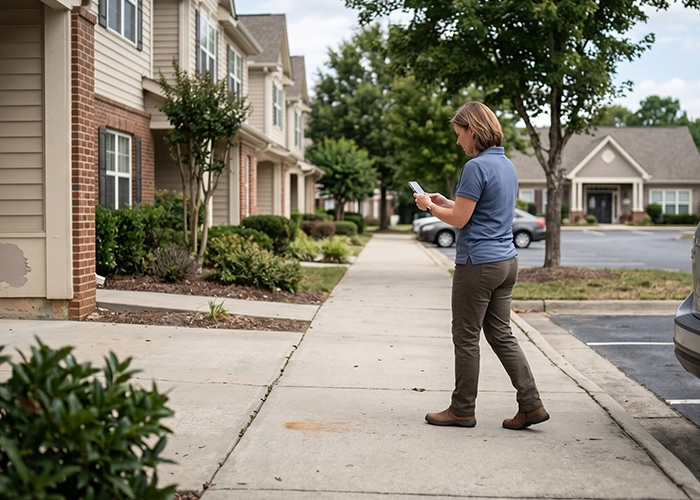
The physical condition of the community speaks volumes. An HOA annual checkup should include a thorough inspection of all shared spaces and infrastructure.
Walk through the property with a critical eye. Look for signs of wear, damage, or safety concerns. Small issues, such as cracks in pavement or aging paint, can quickly turn into larger and more expensive problems.
Key areas to review include:
- Building exteriors, roofs, and siding
- Landscaping, irrigation systems, and drainage
- Parking areas, sidewalks, and lighting
- Amenities such as pools, clubhouses, and fitness areas
It is helpful to document findings with photos and notes. This creates a clear record that can be referenced during budgeting and planning discussions.
Regular inspections also show residents that the board is actively maintaining the community, which helps reinforce confidence and satisfaction.
Assessing Vendor Performance and Contracts
Vendors play a major role in day-to-day operations. An HOA annual checkup is a good time to evaluate whether those partnerships are still delivering value.
Think about how each vendor has performed over the past year. Have they been responsive, reliable, and consistent in their work? Are service levels meeting expectations?
This review should include:
- Landscaping and maintenance providers
- Cleaning and janitorial services
- Security and monitoring companies
- Management companies and administrative support
If performance has declined, it may be time to revisit the contract or explore other options. Even when services are satisfactory, comparing bids periodically can help ensure competitive pricing.
Strong vendor relationships contribute to smoother operations and fewer surprises throughout the year.
Reviewing Governing Documents and Compliance

Every HOA operates within a framework of governing documents and applicable laws. An annual checkup helps ensure that everything remains aligned and up to date.
Start by reviewing key documents such as:
- CC&Rs
- Bylaws
- Rules and regulations
- Policies and procedures
Over time, these documents may become outdated or inconsistent with current practices. Updating them can improve clarity and reduce confusion for both the board and homeowners.
Compliance is another important factor. Laws and regulations can change, and associations must stay informed to avoid potential risks.
A periodic legal review can help identify areas that need attention and confirm that the association is operating within required guidelines.
Strengthening Communication With Homeowners
Clear communication is one of the most effective tools an HOA can use. An annual checkup offers a chance to evaluate how information is shared with residents.
Consider whether homeowners are receiving updates in a timely and consistent way. Are newsletters, emails, or portals being used effectively? Do residents feel informed about decisions and upcoming projects?
Improving communication can involve:
- Refining the frequency and format of updates
- Simplifying complex information
- Encouraging feedback from residents
- Using multiple channels to reach different audiences
When communication improves, misunderstandings decrease. This often leads to stronger engagement and a more cooperative community environment.
Reviewing Insurance Coverage and Risk Management

Insurance is a critical part of protecting the association. During an HOA annual checkup, the board should review all policies to confirm adequate coverage.
This includes general liability, property insurance, and any specialized coverage relevant to the community. Policies should be reviewed for both coverage limits and exclusions.
It is also important to assess potential risks within the community. For example, aging infrastructure or high-use amenities may require additional attention.
Working with an insurance professional can help identify gaps and ensure that the association is properly protected.
Planning for Capital Projects and Improvements
Every community evolves over time. An HOA annual checkup provides a chance to think beyond maintenance and consider improvements.
Capital projects can enhance property value and resident satisfaction. These projects might include upgrades to amenities, landscaping enhancements, or energy-efficient improvements.
When planning for these initiatives:
- Prioritize projects based on impact and feasibility
- Align plans with available funding and reserve studies
- Consider homeowner feedback and expectations
- Develop a realistic timeline for completion
Planning ahead allows the board to move forward with confidence instead of reacting to pressure or urgency.
Evaluating Board Performance and Governance

The effectiveness of the board itself should not be overlooked. An HOA annual checkup is a valuable opportunity for reflection and improvement.
Boards can benefit from asking honest questions about their processes and decision-making. Are meetings productive? Are responsibilities clearly defined? Is the board working collaboratively?
Some areas to consider include:
- Meeting structure and efficiency
- Transparency in decision-making
- Adherence to governing documents
- Board member engagement and participation
In some cases, additional training or support may be helpful. Strong governance sets the tone for the entire community and influences how smoothly everything operates.
Creating an Action Plan for the Year Ahead
A successful HOA annual checkup should lead to clear next steps. Without an action plan, even the most thorough review can lose momentum.
The board should take the insights gathered during the checkup and turn them into specific goals. These goals should be realistic, measurable, and aligned with the community’s priorities.
An effective action plan may include:
- Budget adjustments or financial strategies
- Scheduled maintenance and repair timelines
- Updates to policies or governing documents
- Communication improvements
- Vendor evaluations or changes
Assigning responsibilities and setting deadlines helps ensure that these goals are carried out.
Consistency is key. When the board follows through on its plan, it builds credibility and creates a sense of stability within the community.
Keeping Your HOA on the Right Path
A well-planned HOA annual checkup can make all the difference in how your community operates. If your board is ready to take a more proactive approach, now is the time to start.
Connect with Personalized Property Management to guide your annual review and help your community stay ahead, organized, and thriving.
Related Articles: