HOA Management Software: A Complete Guide to Streamlining Community Operations

HOA management software has become an essential tool for communities that want to stay organized and responsive. As responsibilities grow, boards and managers are expected to handle communication, finances, and operations with greater efficiency. The right system can help bring everything together in one place, making daily tasks easier to manage.


Understanding HOA Management Software and Why It Matters

HOA management software is designed to support the day to day operations of community associations. It combines tools for communication, accounting, maintenance tracking, and document storage into a single platform. Instead of juggling multiple systems, boards and managers can rely on one centralized solution.

As communities grow, so do their responsibilities. Managing dues, handling homeowner requests, and keeping records organized can quickly become overwhelming without the right tools. Software helps reduce that pressure by automating repetitive tasks and improving access to information.

There is also an expectation from homeowners. Residents want faster responses, clear communication, and easy ways to pay dues or submit requests. When systems are in place, those expectations are easier to meet.


Key Features That Make a Difference

property management software for HOAs

Not all systems are created equal, but most strong platforms share a set of core features that support efficient operations. Understanding these features helps boards choose a solution that fits their needs.

Communication Tools

Clear communication is one of the most important parts of community management. Many platforms include built in messaging, email distribution, and announcement features.

These tools allow boards to send updates quickly and keep everyone informed. Instead of relying on scattered emails or paper notices, communication becomes more consistent and reliable.

Financial Management

Handling finances is often one of the most complex responsibilities within an HOA. Software typically includes accounting tools that track income, expenses, and budgets.

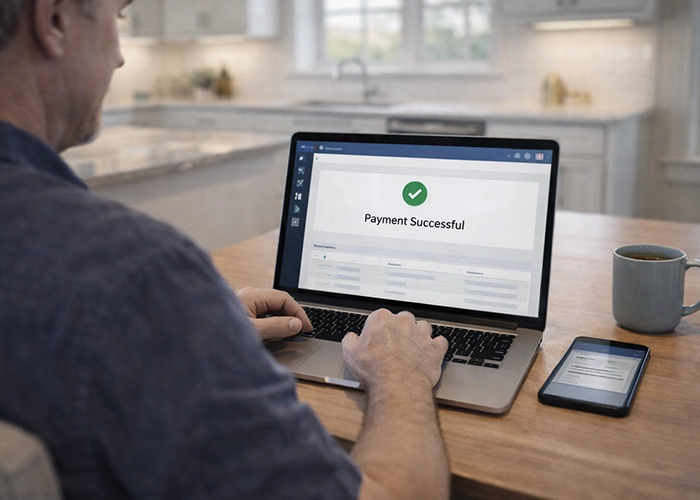
Boards can generate reports, monitor cash flow, and ensure records stay accurate. Online payment options also make it easier for homeowners to pay dues on time.

Maintenance Tracking

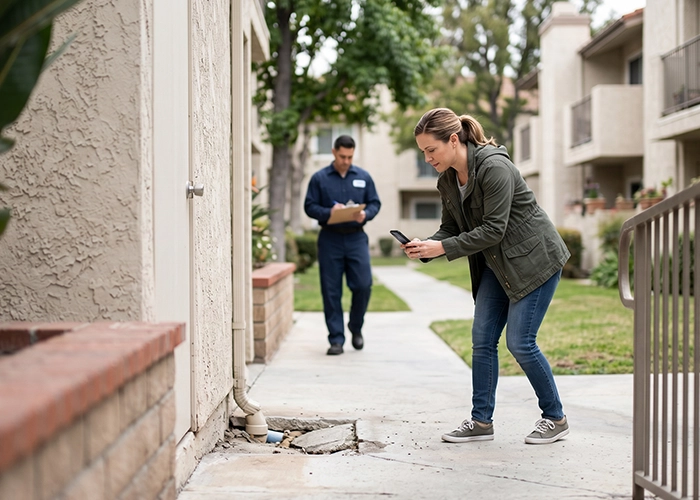
Maintenance requests can easily pile up if they are not managed properly. With software, residents can submit requests directly through a portal.

Managers can then assign tasks, track progress, and close out requests once completed. This creates a clear process that improves accountability and response times.

Document Storage

Every HOA relies on important documents such as governing rules, meeting minutes, and financial records. Keeping these organized is critical.

Software platforms provide secure storage where documents can be accessed when needed. This reduces confusion and ensures everyone is working from the same information.


Benefits for HOA Boards and Managers

Adopting HOA management software brings several advantages that go beyond simple organization. It changes how communities operate and how decisions are made.

One of the biggest benefits is efficiency. Tasks that once took hours can now be completed in minutes. Automated reminders, digital records, and streamlined workflows reduce the need for manual work.

Another benefit is transparency. When information is easy to access, it builds trust within the community. Homeowners can see updates, review documents, and stay informed without having to ask repeatedly.

There is also a noticeable improvement in accuracy. Financial tracking, record keeping, and reporting become more reliable when managed through a structured system.


How Software Improves Homeowner Experience

property management software for HOAs

Homeowners are at the center of every community, and their experience matters. HOA management software helps create a smoother and more convenient interaction between residents and the association.

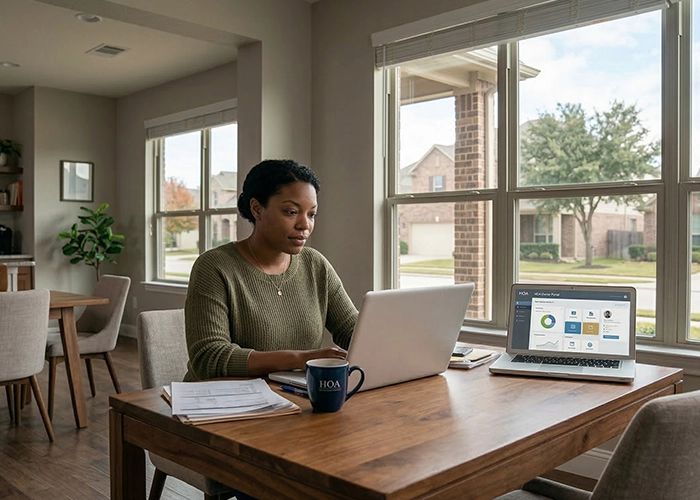
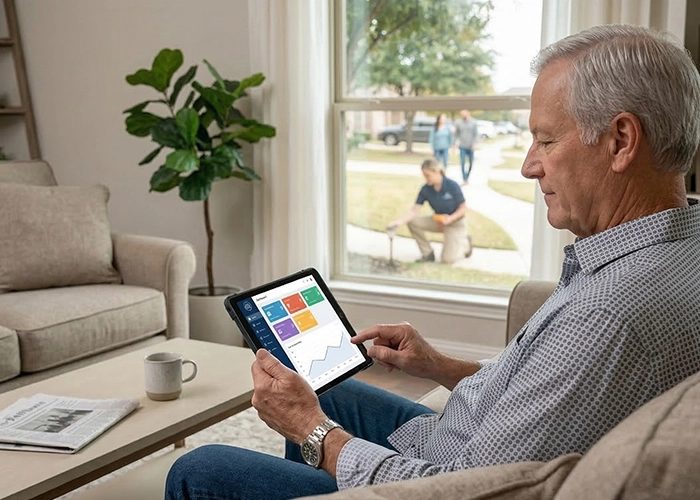
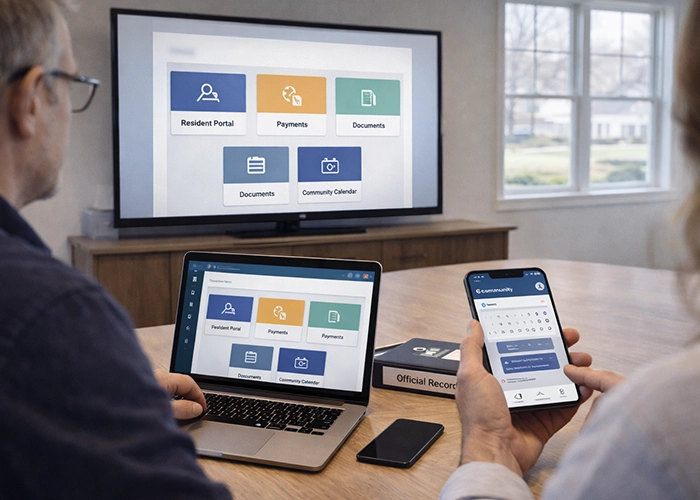
Many platforms offer homeowner portals where residents can log in to view their accounts, make payments, and submit requests. This level of access reduces frustration and saves time for both homeowners and managers.

Communication also becomes more consistent. Updates can be shared quickly, and residents can stay informed about meetings, projects, or policy changes.

When systems are easy to use, residents are more likely to stay engaged. That engagement helps strengthen the overall community.


Common Challenges Without Management Software

Communities that rely on manual processes often face a range of challenges. These issues can affect both efficiency and resident satisfaction.

One common problem is disorganization. Important information may be stored in different places, making it difficult to find when needed. This can lead to delays and confusion.

Another challenge is communication gaps. Without a centralized system, messages can be missed or overlooked. This often results in repeated questions or misunderstandings.

Financial tracking can also become more difficult. Errors are more likely when records are managed manually, and reporting may take longer to complete.


What to Look for When Choosing a Platform

property management software for HOAs

Selecting the right HOA management software requires careful consideration. Not every system will meet the needs of every community.

Here are some key factors to keep in mind:

  • Ease of use
    A system should be simple enough for board members and residents to navigate without extensive training.
  • Scalability
    The platform should be able to grow with the community. As needs change, the system should adapt.
  • Security
    Since sensitive information is involved, strong security features are essential.
  • Customer support
    Reliable support can make a significant difference, especially during the setup process.
  • Integration options
    The ability to connect with other tools or systems can improve overall efficiency.

Taking time to evaluate these factors helps ensure the right decision is made.


Steps to Implement HOA Management Software

Transitioning to a new system may feel overwhelming at first, but a structured approach can make the process smoother.

1. Assess Current Needs

Start by identifying the challenges your community currently faces. This helps determine which features are most important.

2. Research Available Options

Explore different platforms and compare their features. Look for solutions that align with your specific requirements.

3. Plan the Transition

Create a timeline for implementation. This includes data migration, training, and system setup.

4. Train Users

Ensure that board members, managers, and residents understand how to use the system. Clear instructions help prevent confusion.

5. Monitor and Adjust

After implementation, review how the system is performing. Make adjustments as needed to improve efficiency.


Cost Considerations and Budget Planning

property management software for HOAs

Cost is always a factor when introducing new technology. HOA management software is no exception.

Pricing can vary based on features, community size, and service level. Some platforms charge monthly fees, while others offer annual plans.

While cost is important, it should be weighed against the benefits. Improved efficiency, reduced errors, and better communication can provide long term value.

Boards should also consider potential savings. Time saved on administrative tasks can allow managers to focus on more strategic priorities.


The Role of Automation in Modern HOA Management

Automation plays a key role in how software improves operations. By reducing manual tasks, it allows boards and managers to focus on higher level responsibilities.

Examples of automation include:

  • Payment reminders
  • Maintenance request tracking
  • Report generation
  • Communication scheduling

These features help keep processes consistent and reduce the risk of missed tasks.

Automation also supports better planning. With accurate data and timely updates, decisions can be made with greater confidence.


Data Security and Privacy Considerations

property management software for HOAs

With any digital system, data security is a major concern. HOA management software must protect sensitive information such as financial records and personal details.

Most platforms include security features like encryption, access controls, and regular backups. These measures help prevent unauthorized access and data loss.

Boards should still take an active role in security. This includes setting strong passwords, managing user access, and staying informed about best practices.

Protecting data is not just about compliance. It also helps maintain trust within the community.


Future Trends in HOA Management Software

Technology continues to evolve, and HOA management software is no exception. New features and capabilities are shaping how communities operate.

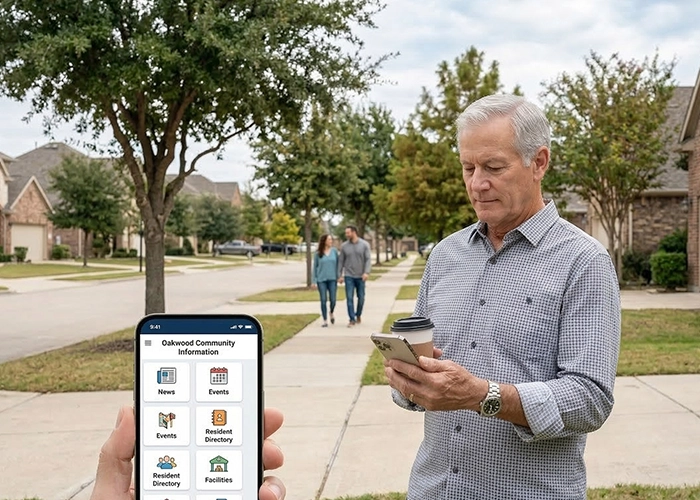
One trend is the use of mobile access. More platforms are offering apps that allow users to manage tasks on the go.

Another trend is enhanced reporting and analytics. These tools provide deeper insights into financial performance and operational efficiency.

There is also a growing focus on user experience. Systems are being designed to be more intuitive, making them easier for both boards and residents to use.

As these trends continue, communities that adopt modern tools will be better positioned to adapt.


How to Maximize the Value of Your Software

Simply adopting a system is not enough. To get the most value, communities need to use it effectively.

Consistency is key. Regular use ensures that data stays accurate and up to date. This improves overall reliability.

Training also plays an important role. When users understand the system, they are more likely to use it properly.

Feedback should not be overlooked. Listening to residents and board members can help identify areas for improvement.

By taking these steps, communities can fully benefit from their investment.


A Smarter Way to Manage Your Community

Choosing the right platform and using it effectively can create a more connected, responsive, and well managed community.

Explore how Personalized Property Management can transform your community today. Call us at 760-325-9500 or contact us online to take the next step toward better organization, clearer communication, and stronger results.


Related Articles:

HOA Mobile App: Modern HOA Management Tool

An HOA mobile app is quickly becoming one of the most practical tools for modern community management. It brings communication, payments, and records into one simple platform that both boards and homeowners can access anytime.

As expectations continue to shift toward convenience, communities that adopt a HOA mobile app often find it easier to stay organized and responsive without adding extra workload.


Why a HOA Mobile App Is Changing Community Management

A HOA mobile app is not just about convenience. It reflects a broader shift in how communities operate and communicate. Many associations still rely on email chains or paper notices, but those methods can slow things down and lead to confusion.

With a mobile app, information is centralized. Residents know exactly where to go for updates, and board members spend less time answering repeat questions. That alone can reduce frustration on both sides.

There is also a growing expectation among homeowners. People are used to managing everything from banking to shopping on their phones. When their community operates the same way, it simply feels more efficient and professional.


How Communication Improves With a HOA Mobile App

HOA management app

Communication is one of the most common challenges in any HOA. Messages get missed, emails get buried, and important updates do not always reach everyone in time.

A HOA mobile app changes that dynamic by creating a direct and consistent communication channel. Notifications can be sent instantly, and residents can access updates whenever they need them.

Common Communication Features Include:

  • Push notifications for announcements and alerts
  • Community news feeds with real-time updates
  • Direct messaging between residents and management
  • Event calendars with reminders

When communication becomes easier to manage, it tends to improve in quality as well. Messages are clearer, more timely, and less likely to be misunderstood.


Streamlining Payments and Financial Transparency

Managing dues and payments has always been a sensitive area for HOAs. Late payments, lost checks, and unclear balances can create unnecessary tension within the community.

A HOA mobile app simplifies this process by offering secure and convenient payment options. Homeowners can pay dues in just a few taps, and they can view their account history at any time.

Key Financial Benefits:

  1. Online Payments
    Residents can pay dues through credit card or ACH, reducing delays and manual processing.
  2. Automatic Reminders
    Notifications can be sent before due dates, helping reduce late payments.
  3. Account Transparency
    Homeowners can see balances, payment history, and charges without needing to contact management.

This level of visibility builds trust. When residents can easily access their financial information, there is less room for confusion or disputes.


Managing Maintenance Requests More Efficiently

HOA management app

Maintenance requests are part of daily HOA operations. Without a structured system, requests can be overlooked or delayed, which often leads to frustration.

A HOA mobile app provides a clear and trackable way to handle these requests. Residents can submit issues directly through the app, often with photos and detailed descriptions.

Once submitted, requests can be assigned, tracked, and updated in real time. This creates accountability and helps ensure that nothing slips through the cracks.

For boards and managers, this also creates a documented record of work completed. That can be helpful for planning, budgeting, and addressing recurring issues.


Enhancing Document Access and Organization

HOAs manage a large number of documents, from governing rules to meeting minutes and financial reports. Keeping these organized and accessible can be a challenge.

A HOA mobile app allows these documents to be stored in one secure location. Residents can access what they need without requesting copies or waiting for responses.

Commonly Stored Documents:

  • CC&Rs and bylaws
  • Meeting minutes
  • Budgets and financial reports
  • Community guidelines and policies

This accessibility helps residents stay informed. It also reduces the administrative burden on board members and management teams.


Supporting Better Community Engagement

HOA management app

One of the less obvious benefits of a HOA mobile app is how it can improve engagement within the community. When communication is easier, residents are more likely to participate.

Features like event calendars, discussion boards, and announcements make it simple for people to stay involved. This can lead to higher attendance at meetings and stronger connections between neighbors.

Communities that feel connected tend to experience fewer conflicts. When residents are informed and engaged, they are more likely to understand decisions and support community initiatives.


Improving Security and Access Control

Security is always a priority for HOAs, especially in communities with shared amenities or controlled access points.

Some HOA mobile apps integrate with access control systems. This can allow residents to manage guest access, receive alerts, or even use digital credentials for entry.

While not every app includes these features, the trend is moving in that direction. As technology evolves, mobile apps are becoming a central hub for both communication and security.


What to Look for in a HOA Mobile App

HOA management app

Not all HOA mobile apps are the same. Choosing the right one requires a clear understanding of your community’s needs and priorities.

Important Features to Consider:

  1. User-Friendly Design
    The app should be easy to navigate for all age groups.
  2. Reliable Notifications
    Timely alerts are essential for effective communication.
  3. Secure Payment Processing
    Financial transactions must be safe and dependable.
  4. Document Management
    Easy access to important files is a key benefit.
  5. Maintenance Tracking
    A structured system for handling requests improves efficiency.

It is also important to consider support and training. Even the best app will not deliver results if users do not understand how to use it.


Challenges to Keep in Mind Before Implementation

While a HOA mobile app offers many advantages, it is not without challenges. Understanding these ahead of time can help ensure a smoother transition.

One common concern is adoption. Not every resident will be comfortable with new technology. Providing guidance and support can help ease this process.

There is also the matter of cost. Some apps require subscriptions or setup fees. However, many communities find that the time saved and improved efficiency offset these expenses.

Data security is another important factor. Choosing a reputable provider with strong security measures is essential to protect resident information.


How to Successfully Introduce a HOA Mobile App

HOA management app

Introducing a HOA mobile app requires planning and clear communication. A thoughtful rollout can make a significant difference in how quickly residents adopt the platform.

Steps for a Smooth Rollout:

  1. Communicate the Benefits
    Explain how the app will make daily tasks easier for residents.
  2. Provide Simple Instructions
    Offer step-by-step guidance for downloading and using the app.
  3. Encourage Early Adoption
    Highlight key features like payments and announcements.
  4. Offer Ongoing Support
    Be available to answer questions and address concerns.

When residents see the value early on, adoption tends to happen naturally. The key is to make the transition as simple as possible.


The Long-Term Value of a HOA Mobile App

Over time, the benefits of a HOA mobile app become more noticeable. Communication becomes more consistent, administrative tasks take less time, and residents feel more connected.

For board members, this often means fewer complaints and smoother operations. For homeowners, it creates a more transparent and responsive community experience.

Technology will continue to play a larger role in community management. Associations that adapt early are often better positioned to meet future expectations.


Bringing Your Community Closer With Technology

When communication improves and processes become simpler, the entire community benefits in ways that go beyond convenience.

Looking to modernize your community operations and improve resident satisfaction? Connect with Personalized Property Management today to explore how the right solution can support your community’s long-term success.


Related Articles:

HOA Owner Portal: A Smarter Way to Streamline Payments, Requests, and Community Access

An HOA owner portal has become one of the most valuable tools for modern community associations. It gives homeowners instant access to essential information, payments, and communication tools in one convenient place. When used properly, it can make everyday HOA interactions faster, easier, and far more transparent for everyone involved.

How an HOA Owner Portal Improves Community Communication

Communication is often one of the biggest challenges in any homeowners association. Residents want quick answers to questions, while board members need efficient ways to share updates with the community. An HOA owner portal helps bridge that gap.

Instead of relying on scattered emails or printed notices, homeowners can log in to view announcements, updates, and important reminders. Community news becomes easier to distribute, and residents no longer have to wonder whether they missed an important notice.

Many portals also include messaging tools that allow homeowners to submit questions or concerns directly through the platform. This keeps communication organized and ensures that requests reach the appropriate person.

Over time, this type of structured communication helps build trust within the community. Residents feel informed, and boards gain a more efficient way to interact with homeowners.

Access to Important HOA Documents Anytime

HOA management software

Homeowners often need access to association documents, but locating them can be frustrating when everything is stored in physical files or scattered emails.

An owner portal allows communities to store important documents in one secure online location. Homeowners can log in at any time to review association policies, architectural guidelines, meeting minutes, or financial reports.

This convenience removes the need to contact management for routine requests. Instead of waiting for documents to be emailed, residents can simply download what they need within seconds.

Having easy access to documents also helps homeowners stay informed about community rules and procedures. When expectations are clear, misunderstandings are less likely to occur.

Online Payments Make HOA Dues Easier

Paying HOA assessments used to involve mailing checks or delivering payments in person. While this worked in the past, it is not always convenient for today’s homeowners.

An HOA owner portal allows residents to submit payments online. Homeowners can quickly pay their dues through secure payment systems, which reduces delays and simplifies recordkeeping.

Many portals also allow residents to set up automatic payments. This helps prevent missed deadlines and reduces the number of late fees homeowners may face.

For board members and managers, online payments improve financial tracking. Payment records remain organized within the system, making it easier to review account histories and maintain accurate financial reports.

Submitting Maintenance Requests Through the Portal

HOA management software

Maintenance concerns are a normal part of any community. Whether it involves landscaping, lighting, or shared amenities, homeowners often need a simple way to report issues.

An owner portal provides a convenient place for residents to submit maintenance requests. Instead of making phone calls or sending multiple emails, homeowners can fill out a request form and attach photos when needed.

Once the request is submitted, it can be tracked through the portal. Residents may receive updates as the issue moves through the review and repair process.

This approach improves efficiency for both homeowners and property managers. Requests remain organized, and nothing gets lost in long email threads.

Architectural Requests Become Simpler to Manage

Many associations require approval before homeowners can make certain exterior changes to their property. These requests might involve new landscaping, fencing, exterior paint colors, or home additions.

Traditionally, homeowners submitted these applications using paper forms. That process often caused delays because documents had to be manually reviewed and filed.

An HOA owner portal streamlines the architectural request process. Homeowners can submit applications online and attach supporting documents such as photos or plans.

Board members or architectural committees can then review the request within the system. Decisions can be recorded directly in the portal, and homeowners receive updates when the review is complete.

This digital process helps ensure requests are organized, documented, and handled more efficiently.

Key Features Homeowners Often Find in an HOA Owner Portal

HOA management software

While different communities may use different platforms, most HOA owner portals include a core set of features designed to make community management easier.

Common features include:

  • Online HOA dues payments
  • Community announcements and notices
  • Access to governing documents
  • Maintenance request submissions
  • Architectural request forms
  • Account balance and payment history
  • Event calendars and meeting updates

These features help centralize many routine HOA interactions. Instead of using several different systems, homeowners can manage everything from one login.

For busy homeowners, that level of convenience can make a big difference in how they experience community living.

Transparency and Trust Within the Community

Transparency is one of the most important factors in maintaining a healthy homeowners association. Residents want to understand how decisions are made and how association funds are used.

An HOA owner portal can support this transparency by providing access to important information. Financial summaries, meeting minutes, and policy updates can be shared with residents in a structured way.

When homeowners feel informed, they are more likely to trust the decisions made by the board. Clear communication helps prevent rumors and misunderstandings that sometimes occur in community associations.

This level of openness also encourages more positive participation from homeowners. Residents feel more comfortable asking questions and staying involved when information is easy to access.

Why Many Communities Are Moving Toward Digital Portals

HOA management software

Technology has changed the way communities operate. Many homeowners expect the same level of digital convenience they experience with banking, shopping, and other everyday services.

An HOA owner portal meets those expectations by providing a centralized online platform for community management. Instead of relying on outdated processes, associations can manage operations more efficiently.

Digital portals also reduce administrative work for property managers. Tasks such as tracking payments, sharing documents, and responding to requests can all be handled within one system.

Over time, these efficiencies help communities operate more smoothly. Board members spend less time handling routine administrative tasks and more time focusing on long-term planning for the community.

Best Practices for Encouraging Portal Adoption

Even the most helpful technology works best when residents actively use it. Some homeowners may need encouragement or guidance before they begin using a new portal system.

Communities can increase participation by clearly explaining the benefits and making the portal easy to access.

Helpful strategies include:

  • Sending welcome emails with portal login instructions
  • Offering simple tutorials or walkthroughs
  • Highlighting convenient features like online payments
  • Posting reminders in community newsletters
  • Providing support for residents who need assistance

When homeowners understand how the portal helps them, adoption tends to grow naturally. Over time, the portal becomes an essential part of daily community operations.

A Better Way for Homeowners to Stay Connected

HOA management software

An HOA owner portal does more than simplify administrative tasks. It also strengthens the connection between homeowners, boards, and management teams.

Residents can stay informed about community updates, pay their dues with ease, and submit requests without unnecessary delays. Boards gain clearer communication channels and more organized systems for managing community operations.

As more associations adopt digital tools, the owner portal is becoming a central part of modern HOA management.

Bringing Communities Together With Technology

A well-managed HOA owner portal can transform how a community communicates and operates. By providing convenient access to information, payments, and requests, the portal makes everyday HOA interactions easier for homeowners and board members alike. When technology supports transparency and efficiency, the entire community benefits.

A modern HOA owner portal can help homeowners access information, make payments, and communicate with management effortlessly. Have a question? Call us at 760-325-9500 or Contact us to learn how your association can benefit from smarter HOA management solutions.


Related Articles

Must-Have HOA Website Features to Improve Your Community

Choosing the right digital tools is a major part of running a modern community. A well-designed platform serves as the digital front door for residents and the board.

Elevating Your Community with Essential HOA Website Features

For homeowners associations, having a strong web presence is no longer an extravagance. By centralizing information and facilitating communication, the proper HOA website features can completely change the way a neighborhood operates. Both management teams and volunteers have less work to do when a portal is simple to use.

Streamlining Communication through Resident Portals

Streamlining Communication through Resident Portals

People in the modern world expect information to be readily available to them, and life moves quickly. Owners can access confidential documents without calling the office thanks to a secure login area. Because everyone in the community is aware of where to find the most recent updates, this transparency fosters trust.

Another excellent method of informing people is through digital bulletin boards. You can post news instantly rather than using paper flyers that could be misplaced in the mail. This guarantees that every household receives time-sensitive alerts in a matter of seconds.

These portals also allow newsletters to be archived for later use. When a new owner takes over, they can look through the neighborhood’s digital history to learn about previous events. This easy-to-use feature makes it much quicker for new residents to feel at home.

Simplifying Dues and Online Payment Options

Simplifying Dues and Online Payment Options

For any board, gathering assessments is one of the more tiresome duties. The hassle of writing checks and mailing envelopes is eliminated by offering a safe online payment option. Homeowners can also rest easy knowing that their payment was received right away.

Automated reminders alert residents prior to a deadline, which helps maintain low delinquency rates. These systems can be configured to send a cordial email or text message. This proactive approach comes across as more of a beneficial service than a demand.

Owners have full transparency of monthly rent income when they can review their own ledger at any time. They can know precisely what they owe and when their last payment was credited. Management then does not have to take a number of billing inquiries and negotiations.

Centralizing Governing Documents and Forms

Centralizing Governing Documents and Forms

Every HOA generates a mountain of paper work that must be made available to the public or members. It’s crucial to maintain CC&Rs, bylaws, and meeting minutes in one place. It saves the board from constantly re-sending the same PDF files.

Managing architectural review forms and applications is so much easier when they’re submitted through a website. Residents are able to upload images and descriptions of their project requests and keep track of what sort of action the city is taking on such complaints. This makes the approval process seem fair, and it seems organized to all parties concerned.

Maintenance request forms also benefit from a digital paper trail. If a homeowner reports a broken sprinkler or flickering streetlamp, they can tell when the work order is made. Such visibility indicates that the association is “tending” to the property.

Enhancing Engagement with a Community Calendar

Enhancing Engagement with a Community Calendar

A shared calendar serves as the central organizing tool for any neighborhood community. It displays all upcoming activities including board meetings and seasonal events like pool parties & garage sales. When everyone uses the same calendar it eliminates scheduling problems and helps more people show up to neighborhood gatherings.

Amenity reservations are another feature that keeps life running smoothly. When your neighborhood has shared spaces like a clubhouse or tennis court, digital reservations solve common problems. These systems replace outdated physical sign-up sheets and stop scheduling conflicts before they happen.

Board members can use the calendar to track important vendor deadlines. This feature helps monitor when the landscaping contract needs renewal or when the pool requires its annual inspection. Keeping track of these dates prevents anything from being overlooked. The calendar system allows board members to stay organized with vendor schedules. They can record contract expiration dates and required inspection times. This approach ensures all necessary tasks receive attention before they become urgent matters.

Modernizing Governance with Electronic Voting

Modernizing Governance with Electronic Voting

Getting enough people to attend an annual meeting can be difficult for many associations. Electronic voting systems let members submit their votes from home. This easy access typically results in more people taking part in elections.

Polling tools work well when you need fast feedback about minor decisions. When the board thinks about painting the clubhouse a different color they can send out a quick survey to see what residents think. This approach helps people feel included without organizing a full community meeting.

Secure voting platforms make sure that results are correct and can be checked later. This keeps the election honest and makes disputes less likely. When the voting process works smoothly and treats everyone fairly residents tend to stay involved with the board.

Optimizing the User Experience for All Devices

A website is only useful if people can actually navigate it on their phones. Many residents will check for updates while they are on the go. Ensuring the site is mobile-friendly is a non-negotiable requirement in today’s world.

A clean layout is important, but so are quick loading times. People will simply stop using a page if it takes too long to open. Both younger and older generations can easily find what they need thanks to a straightforward design with obvious buttons.

Any community platform must prioritize security as well. It is both morally and legally required to protect homeowners’ personal information. The digital neighborhood is kept secure by using strong password policies and encrypted connections.

Take the Next Step Toward a Smarter HOA

Creating a digital home for your association is a worthwhile endeavor that will eventually pay off. With the correct tools, managing daily tasks doesn’t feel like a chore. A more harmonious living environment is produced by concentrating on the needs of the inhabitants.

As your community grows, your website can evolve to meet new challenges. Starting with the basics and adding features over time is a smart way to manage the budget. A well-maintained site is a sign of a healthy and professional homeowners association.

Is your association ready to upgrade its digital tools? Our team can guide you through selecting the best features for your specific needs. Contact Personalized Property Management to learn how we can support your community’s goals.


Related Articles:

HOA Website Cost: Is It Worth Spending The Budget On?

A good community website is no longer optional. Homeowners expect quick access to documents, dues, and updates on their phones. The real question is whether the HOA website cost matches the value your Southern California community needs. 

Benefits of an HOA Website

It helps to start with the “why” before digging into the “how much.” A well-planned website turns everyday HOA tasks into quick, self-service actions for homeowners and clean, trackable workflows for the board.

  • Reduce call and email volume by placing forms, payment links, meeting dates, and FAQs up front.
  • Speed up approvals and record-keeping with online submissions for architectural requests, violations, and amenities.
  • Improve compliance by centralizing notices, policy updates, and archives in one location.
  • Build trust with transparent budgets, minutes, and board updates that owners can find anytime.
  • Strengthen emergency communication with a single source for wildfire, high-wind, or power-shutoff updates.
  • Support accessibility needs by aligning with recognized standards so all residents can use the site comfortably.

What Affects HOA Website Cost

Before comparing vendors, it’s helpful to understand what drives HOA website costs up or down. Clarifying these levers early avoids surprises later and lets you set a realistic budget.

  • Build approach: choose between an all-in-one association system that includes a website or portal, a generic site builder, or a custom site built on a content management system by an agency.
  • Design scope: a standard template with light branding tends to be cheaper than fully custom layouts and page types.
  • Feature set: payments, architectural requests, violation tracking, amenities reservations, event calendars, mass email, and two-way messaging add value and effort.
  • Compliance and accessibility: posting disclosures if you designate the site for member communications, and meeting common accessibility standards such as WCAG 2.1 Level AA.
  • Security and privacy: SSL, backups, role-based access, and audit trails reduce risk but require setup and oversight.
  • Content effort: migrating documents, creating pages, and training admins can be time-intensive.
  • Support and maintenance: software updates, plugin renewals, bug fixes, and content refreshes carry ongoing costs.
  • Traffic and scale: more storage or heavier usage can push hosting or subscription tiers higher.

The Cost to Build a Website

Costs vary with scope and approach, but a few ranges help frame the conversation. Consider what you need now and what you may add in the next year to avoid under- or over-buying.

A basic, purpose-built HOA site can cost a few hundred dollars per year. Generic builders or custom sites can range from a few hundred per year for hosting up to several thousand for design, depending on the level of customization. Hosting and apps for typical small sites often fall between $15 and $150 per month, with expansive room above that for larger builds or more demanding features.

Build Approaches Compared (Pros and Cons)

No single approach fits every community. The right path depends on several factors, including headcount, administrative capacity, and the desired level of design flexibility.

Association-Focused Platforms

These systems focus on HOA needs and are packaged at a simple recurring price. Core features often include pages, a document library, member logins, and optional online payments. They are quick to launch and easier for volunteers to manage, though design choices are more opinionated.

All-in-One Suite

Websites or portals sit alongside assessments, architectural workflows, announcements, reservations, and document management. Pricing is commonly quote-based and tied to unit count and modules. The upside is fewer moving parts to integrate. The tradeoff is less freedom to redesign the front end.

Generic Site Builders or Content Management Systems

This route offers more design control and extensibility. Subscriptions and hosting vary by plan and add-ons. You may need third-party tools for forms, payments, and member-only areas. It can be an excellent fit for communities that want a distinct look and have support for ongoing maintenance.

How Much to Make an HOA Website vs. Maintainance

using a calculator | hoa website cost

Budgeting well means separating one-time build work from ongoing care. Identify who will handle each piece so costs map to responsibilities.

One-time build items include domain setup, site structure, branding and layout adjustments, content migration, and admin training. If you choose a custom path, costs may consist of agency or freelancer time.

Ongoing maintenance includes hosting or software subscriptions, SSL, backups, security checks, routine updates, and content updates for minutes, newsletters, policy changes, and calendars. Some communities add a small support retainer.

Maintenance costs vary because sites vary. Expect monthly spends from the low tens for simple sites to many hundreds for larger, custom builds with support. Basic hosting after promotional terms often lands in the $10 to $20 per month range, while broader maintenance services can range from tens to hundreds per month, depending on complexity.

Software and Website: How They Work Together

Many association software platforms include a website or portal builder along with native modules. This creates a single system for payments, architectural submissions, reservations, and notices that ties each action to a member record. The benefit is fewer double entries and fewer errors. If you choose a builder or content management system, you can still connect forms and payments, but you will rely more on third-party apps or custom integrations.

Features Worth Paying For

Not every feature earns its keep on day one. Focus on tools that solve weekly problems and elevate the quality of records.

  • Emergency banners and alert pages for local weather or safety events.
  • Online payments with recurring options and board-level reporting.
  • Architectural review workflows with digital submissions, status tracking, and notifications.
  • Reservation tools for pool, clubhouse, or courts with clear rules and time slots.
  • A member-only document library for CC&Rs, rules, budgets, and policy statements.
  • Notice and disclosure pages if you designate the website for official communications in your Annual Policy Statement.
  • Accessibility is aligned to WCAG 2.1 Level AA to support residents who use assistive technology.

Compliance in California

If you plan to use the website for official communications, your processes must be clear. A little structure goes a long way and keeps the board aligned.

Document in your Annual Policy Statement that the website is a notice location. Also, remember to place agendas and minutes on a predictable cadence so homeowners know where to check. Keep financials in a member-only library with basic access controls. 

Additionally, make sure board rosters and contact channels are current. For records retention, define how long to keep agendas, minutes, architectural decisions, violation notices, and financial documents, and specify who is responsible for publishing and archiving them.

Security, Privacy, and Access

Web security is less about expensive tools and more about consistent habits. Set a few non-negotiables and review them quarterly.

To keep things secure, assign role-based permissions with the least access needed to perform each task. Turn on multi-factor authentication for all administrators. Schedule automated backups and test a restore at least twice a year. 

As best practice, keep a short incident response checklist so you know who does what if an account is compromised. For payments and forms, confirm that data is encrypted in transit and at rest, note where it is stored, and limit who can export it.

Content Plan and Admin Workflow

Websites thrive on predictable updates, not heroic efforts. A light plan makes it easy for new volunteers to step in without losing momentum.

Start with a practical core. Public pages typically include community information, amenities, a calendar, contact channels, key policies, and instructions on how to request documents. 

Member-only areas usually show CC&Rs and rules, budgets, minutes, forms, architectural status, violation responses, and payment links. Set a quarterly content calendar that lists what will be updated and by whom. Short, regular posts keep the site fresh without exhausting administrators.

Budgeting and Procurement

showing a laptop | hoa website cost

You can stay within your HOA budget without cutting corners by buying only what you will actually use. Precise requirements often reduce scope creep.

First, you can write a simple list of must-haves, nice-to-haves, and future items. Ask vendors to price those groups separately so trade-offs are visible. You can choose plans that allow you to add modules later without penalties.

You also need to compare the total cost of ownership over two to three years, including payment processing, storage tiers, and support. Select annual billing only if it clearly reduces the total cost and doesn’t lock you into unnecessary features.

Avoiding Hidden Costs

Surprises usually come from items that were never discussed. Surfacing a few questions early helps keep the budget intact.

Clarify who pays for backups, updates, and plugin renewals. Ask for payment processing fees in writing, including per-transaction amounts and any minimums. If any custom code is part of the build, request documentation and a support plan.

Confirm your accessibility approach. Aligning to WCAG 2.1 Level AA from the start is usually cheaper than retrofitting later. Finally, check for data export fees so you are not boxed in if you switch platforms.

Accessibility and Inclusive Design

Accessibility is about fairness and practicality. When more people can use the site, fewer tasks fall back to manual emails and calls.

For this, you need to aim for WCAG 2.1 Level AA. Choose readable fonts and sufficient color contrast. Provide descriptive alt text for images. For forms, ensure they have straightforward and understandable labels and error messages. Make interactive elements reachable with a keyboard, like test pages with a screen reader, and on a mobile device. Add captions to videos and avoid posting scanned documents that readers cannot search.

Modern Solutions

When the site is tied to real tasks your owners and board handle every week, the payoff shows up in faster responses, fewer emails, and cleaner records. Pick the build path that matches your community’s size and capacity, keep maintenance simple, and measure results so the budget conversation stays grounded in facts. With a clear plan, your HOA website cost will feel like money well spent.

Related Articles: