Executive Session in HOA Meetings: Rules, Purpose, and Best Practices

An executive session is one of the most misunderstood parts of HOA governance. Homeowners often hear the term and assume decisions are being made behind closed doors without transparency. In reality, executive sessions serve a specific purpose and help boards address sensitive matters responsibly.


What Is an Executive Session?

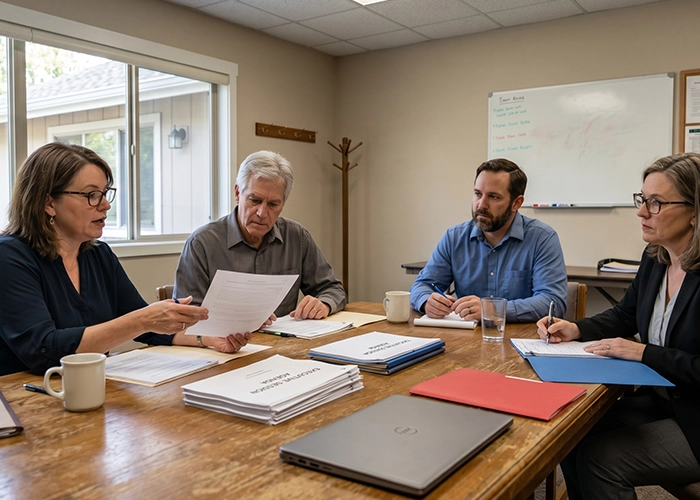
An executive session is a private portion of an HOA board meeting where certain confidential topics are discussed away from homeowners and non-board members. Unlike regular board meetings, these sessions are not open to the community.

The purpose of an executive session is not secrecy for the sake of secrecy. Instead, it gives the board a safe space to discuss matters that could create legal, financial, or personal issues if shared publicly.

Most state laws and governing documents allow executive sessions for limited reasons. While the exact rules vary by location, the same general principles tend to apply across many associations.

Boards usually enter executive sessions during or after an open meeting. The board may announce the reason for the closed session before homeowners are asked to leave. Once the confidential discussion ends, the board may return to open session if additional business remains.


Why Executive Sessions Matter in HOA Communities

HOA Executive Session Rules

HOA boards deal with more than landscaping contracts and meeting agendas. They also handle disputes, legal matters, collections, and personnel concerns. Some conversations require discretion to protect both the association and the people involved.

Without executive sessions, boards would struggle to discuss sensitive issues openly. That could expose homeowners’ private information or weaken the association’s legal position.

For example, discussing a delinquent account in front of the entire community could embarrass a homeowner and create unnecessary conflict. Reviewing legal strategy publicly could also harm the association during litigation.

Executive sessions help boards balance transparency with responsibility. Homeowners still deserve accountability, but certain discussions must remain confidential to protect everyone involved.


Common Topics Discussed in an Executive Session

Most HOA laws clearly limit what boards can discuss in executive session. These meetings are not intended for routine business or general planning discussions.

Here are the most common topics that belong in executive session:

1. Legal Matters

Boards often meet privately with the association attorney to discuss ongoing or potential litigation. Legal strategy should remain confidential to avoid compromising the HOA’s position.

This can include:

  • Pending lawsuits
  • Threatened legal action
  • Settlement discussions
  • Attorney-client communications
  • Contract disputes

Attorney-client privilege is one of the strongest reasons for holding an executive session.

2. Delinquent Accounts and Collections

Homeowner financial issues are considered sensitive matters. Associations commonly discuss overdue assessments, payment plans, and collection actions in private.

This protects the homeowner’s privacy while allowing the board to address financial obligations properly.

Topics may include:

  • Past-due balances
  • Foreclosure discussions
  • Payment arrangements
  • Collection agency updates
  • Bankruptcy matters

3. Violations and Disciplinary Hearings

Some communities use executive sessions to review hearings related to rule violations. This is especially common when fines, suspensions, or enforcement actions are being considered.

Discussing violations privately can help reduce tension and avoid unnecessary public embarrassment.

Examples include:

  • Noise complaints
  • Parking violations
  • Architectural violations
  • Behavioral complaints
  • Fine appeals

4. Personnel Matters

If the HOA has employees, personnel discussions typically occur in executive session. Boards may also discuss management company performance privately.

Personnel matters can include:

  • Hiring decisions
  • Employee discipline
  • Salary discussions
  • Contract evaluations
  • Workplace complaints

Keeping these conversations confidential helps reduce legal and professional risks.

5. Sensitive Contract Negotiations

Some boards use executive sessions during early contract negotiations. Discussing negotiation strategy publicly could weaken the HOA’s bargaining position.

However, final decisions and approvals usually need to happen in open session depending on state law and governing documents.

What Cannot Be Discussed in an Executive Session
HOA Executive Session Rules

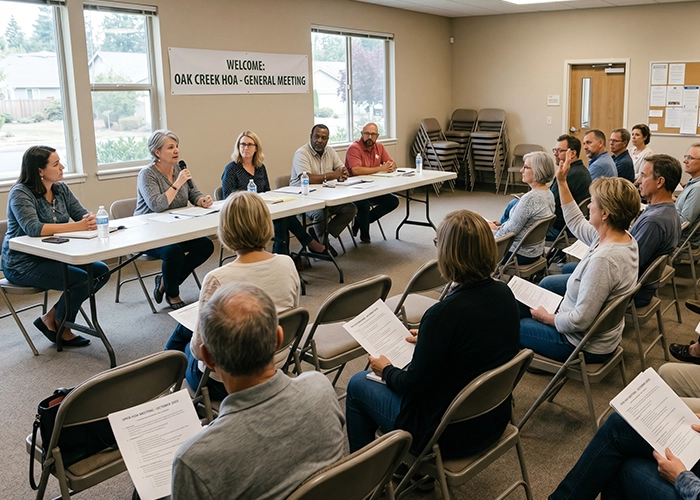
One of the biggest mistakes HOA boards make is overusing executive sessions. Some boards move ordinary discussions behind closed doors simply because conversations may be uncomfortable.

That approach can damage homeowner trust quickly.

Routine HOA business generally should not happen in executive session. Boards should avoid discussing the following privately unless state law specifically allows it:

  • Budget planning
  • Vendor selection discussions unrelated to legal strategy
  • General maintenance projects
  • Committee updates
  • Election matters unrelated to confidential legal concerns
  • Regular board decision-making

Homeowners expect openness when it comes to community operations. If boards rely too heavily on closed meetings, residents may begin to suspect misconduct even when none exists.

Transparency remains essential for healthy HOA governance.


HOA Executive Session Rules Vary by State

Executive session rules are not identical across the United States. Some states have detailed HOA statutes that outline exactly when boards may meet privately. Others leave more discretion to associations and their governing documents.

For example, states like California and Florida have specific requirements regarding notice, permitted topics, and meeting procedures. Other states provide broader guidance.

Boards should always review:

  1. State HOA statutes
  2. Governing documents
  3. Bylaws
  4. Open meeting laws
  5. Legal counsel recommendations

Ignoring state requirements can create compliance problems and expose the association to disputes.

Some states also require boards to disclose general executive session actions in the meeting minutes without revealing confidential details.


How Boards Should Properly Conduct an Executive Session

HOA Executive Session Rules

Executive sessions should follow a clear and professional process. Even though the meeting is private, it still needs structure and accountability.

A well-run executive session often includes the following steps:

Provide Proper Notice

In many states, homeowners must receive notice that an executive session will occur. The notice may include the date, time, and general reason for the closed session.

Boards should avoid vague or misleading notices. Clear communication helps maintain trust.

Limit Attendance

Executive sessions should only include people directly involved in the confidential matter.

This may include:

  • Board members
  • The community manager
  • HOA attorney
  • Homeowners involved in hearings
  • Relevant consultants or experts

Allowing unnecessary attendees increases the risk of confidentiality breaches.

Stay Focused on Approved Topics

Boards should stick strictly to the topic that justified the executive session. Once discussions drift into regular HOA business, the board should return to open session.

This discipline helps prevent misuse of closed meetings.

Keep Appropriate Minutes

Executive session minutes are often shorter and less detailed than regular meeting minutes. Sensitive information should not be recorded excessively.

However, the association should still maintain basic records showing:

  • Date and time
  • Attendees
  • General subject matter
  • Actions taken

These records may become important later if disputes arise.

Report Actions When Required

Some states require boards to announce decisions made during executive session once the board returns to open meeting.

For example, the board may state that disciplinary action was approved or legal counsel was authorized without disclosing confidential details.


Maintaining Homeowner Trust During Executive Sessions

Even when executive sessions are completely legitimate, homeowners may still feel uneasy about them. That concern often comes from a lack of communication rather than actual misconduct.

Boards can reduce suspicion by remaining transparent about the process itself.

Here are several ways associations can maintain trust:

Explain Why Executive Sessions Exist

Many homeowners simply do not understand the purpose of executive sessions. Boards can educate residents through newsletters, orientation materials, or meeting explanations.

When people understand that privacy protections are involved, concerns often decrease.

Avoid Overusing Closed Meetings

If nearly every board discussion happens privately, homeowners may lose confidence in leadership.

Executive sessions should remain limited to genuinely confidential matters.

Follow Consistent Procedures

Consistency matters. Boards that follow the same process every time appear more organized and professional.

Clear procedures also reduce accusations of favoritism or secrecy.

Share Non-Confidential Outcomes

Whenever possible, boards should communicate general outcomes after executive sessions conclude.

For example, the board might announce that:

  • A hearing was completed
  • Legal counsel received authorization
  • A collections matter was reviewed
  • A personnel issue was addressed

Providing these updates reassures homeowners that the board is acting responsibly.


Mistakes Boards Often Make With Executive Sessions
HOA Executive Session Rules

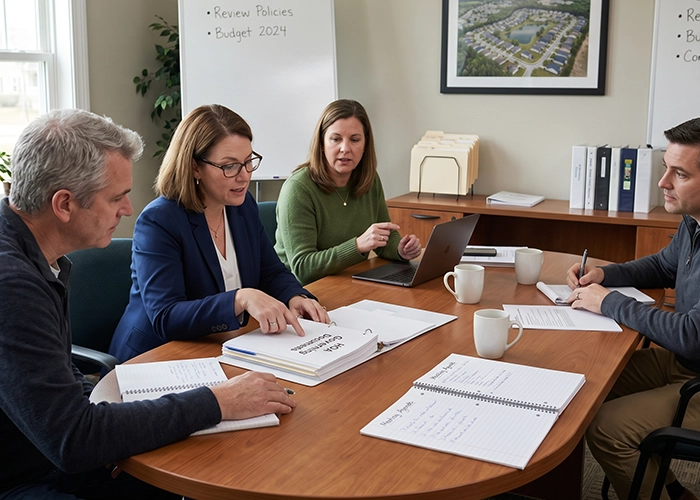
Executive sessions can become problematic when boards misunderstand their purpose or fail to follow proper procedures.

Several mistakes appear frequently in HOA communities.

Treating Executive Sessions as Informal Conversations

Some boards assume closed meetings are less formal than open meetings. That mindset can lead to careless discussions or poor documentation.

Executive sessions should still follow professional governance standards.

Making Major Decisions Secretly

Boards sometimes approve large contracts or major projects privately even when confidentiality does not apply.

This creates unnecessary distrust and may violate open meeting requirements.

Sharing Confidential Information Later

Confidential discussions should remain confidential after the meeting ends. Board members who share private details can create legal exposure and damage community confidence.

Confidentiality must continue beyond the meeting itself.

Failing to Consult Legal Counsel

State laws can be complex. Boards that guess their way through executive session rules may unintentionally violate legal requirements.

When uncertainty exists, consulting the HOA attorney is often the safest approach.


The Role of Community Managers During Executive Sessions

Community managers often play an important role during executive sessions. They help boards stay organized, compliant, and focused on the correct procedures.

Managers may assist with:

  • Meeting notices
  • Agenda preparation
  • Documentation
  • Violation tracking
  • Collections coordination
  • Communication guidance

Experienced managers also help boards avoid discussing improper topics during closed meetings.

In many associations, the manager serves as a stabilizing presence during difficult conversations. This becomes especially valuable during disputes, disciplinary hearings, or legal matters.

Still, the board remains responsible for final decisions. Managers provide support and guidance, but the authority stays with the elected board.


Executive Sessions and HOA Transparency Can Coexist
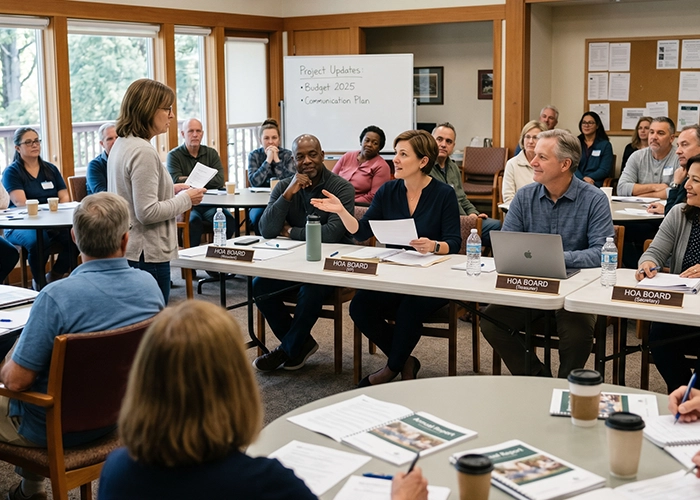
HOA Executive Session Rules

Some homeowners view executive sessions as the opposite of transparency. In reality, both can exist together when handled properly.

Transparency does not mean every discussion must happen publicly. Instead, it means boards communicate honestly, follow the rules, and avoid unnecessary secrecy.

An HOA board can protect confidential information while still maintaining homeowner confidence.

The healthiest associations understand this balance well. They keep most business open and visible while reserving executive sessions for matters that truly require privacy.

That approach protects the community without weakening trust.


Building Better HOA Governance Through Proper Executive Sessions

Managing executive sessions correctly can be challenging without the right guidance. A professional HOA management company can help your board stay compliant, organized, and transparent while handling confidential matters appropriately.

Need support with board meetings, governance, or community operations? Call us at 760-325-9500 or contact us online to learn how we can help your association run more smoothly.


Related Articles:
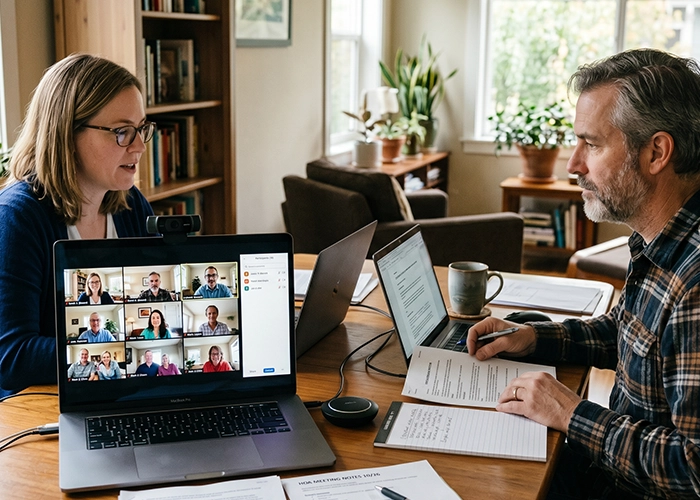
HOA Remote Meetings: Best Practices for Efficient and Productive Virtual Board Sessions

HOA remote meetings have become a practical way for associations to stay connected, make decisions, and keep communities informed. Many boards now rely on virtual meetings to improve attendance, simplify communication, and make operations more flexible.


HOA Remote Meetings and How They Work

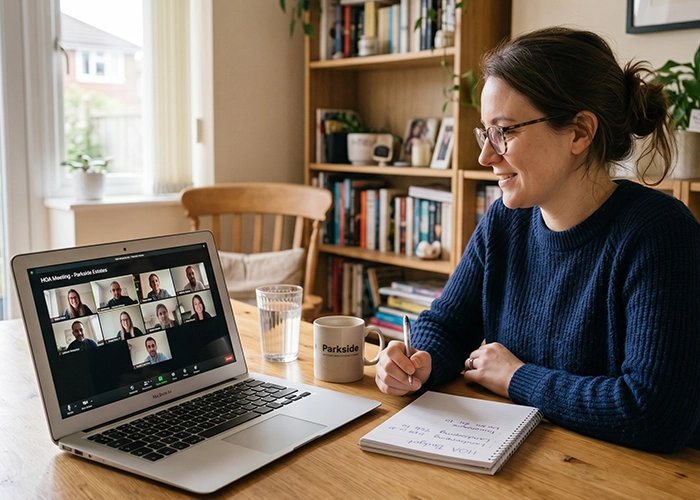
HOA remote meetings are board meetings, committee meetings, or homeowner gatherings conducted through digital platforms instead of physical meeting spaces. These meetings usually take place through video conferencing software that allows attendees to join from their computers, tablets, or phones.

For many associations, remote meetings became more common during periods when in-person gatherings were difficult. Over time, boards realized that virtual meetings also solved other long-standing issues. Homeowners who travel often can still attend. Busy residents can join from home without commuting. Board members can meet more frequently without coordinating room reservations.

Virtual meetings still follow the same purpose as traditional HOA meetings. Boards discuss budgets, maintenance projects, rule enforcement, vendor contracts, and community concerns. Votes are taken, homeowner comments are heard, and records are maintained.

The format may look different, but the responsibilities remain the same.


Why HOA Communities Continue to Use Virtual Meetings

Virtual HOA Meetings

Many associations initially adopted virtual meetings out of necessity. Today, many continue using them because of the convenience and efficiency they offer.

One of the biggest advantages is improved attendance. Homeowners who once skipped meetings because of work schedules or travel are often more willing to join online. Even board members who live part-time elsewhere can stay involved in community decisions.

Virtual meetings also reduce logistical challenges. Boards no longer need to reserve clubhouses, arrange seating, or manage physical sign-in sheets. That can save both time and money.

Communication often becomes faster as well. When urgent matters arise, boards can organize remote meetings more quickly than traditional gatherings. This flexibility helps associations respond to maintenance emergencies, vendor issues, or financial concerns without unnecessary delays.

In some communities, remote meetings also help reduce tension. Speaking through a structured virtual platform sometimes encourages more orderly discussions and fewer interruptions.


Legal Considerations for HOA Remote Meetings

Before conducting HOA remote meetings, boards should review state laws and governing documents carefully. Not every association has the same requirements regarding virtual participation.

Some states specifically allow remote HOA meetings, while others impose conditions regarding notice requirements, homeowner access, and voting procedures. Governing documents may also contain rules about quorum requirements, open meetings, and electronic voting.

Boards should verify whether homeowners have the right to attend remotely and whether votes conducted online are legally valid. Recording requirements should also be reviewed carefully.

It is important to maintain transparency during remote meetings. Homeowners should receive proper notice, access instructions, agendas, and meeting times just as they would for an in-person gathering.

Associations should also document attendance and meeting outcomes clearly. Meeting minutes remain essential, regardless of whether the meeting happens online or face-to-face.

Many HOA management companies help boards navigate these legal details to avoid compliance issues.


Choosing the Right Platform for Virtual HOA Meetings

Virtual HOA Meetings

The success of HOA remote meetings often depends on the technology being used. A poor platform can create frustration, confusion, and communication problems.

Boards should choose software that is easy to use for residents of all ages and technical skill levels. Platforms with simple joining options tend to encourage better participation.

Important features may include:

  • Video conferencing
  • Screen sharing
  • Waiting rooms
  • Mute controls
  • Recording capabilities
  • Polling or voting tools
  • Chat functions
  • Mobile device compatibility

Security matters too. Associations should avoid using unsecured meeting links that allow unauthorized users to enter. Password protection and waiting room features can help maintain control over attendance.

Boards should also think about scalability. A small community may only need basic meeting software, while larger associations may require platforms that can support hundreds of attendees.

The goal is not to use the most advanced technology available. The goal is to choose a system that works reliably and keeps communication clear.


Preparing for HOA Remote Meetings

Preparation plays a major role in keeping virtual meetings productive. Without proper planning, remote meetings can quickly become disorganized.

Boards should distribute meeting agendas in advance so attendees understand what topics will be discussed. Supporting documents, financial reports, or proposals should also be shared ahead of time whenever possible.

Testing technology before the meeting helps prevent delays. Board members should confirm their microphones, cameras, and internet connections are working properly.

It also helps to assign roles ahead of time. One person may lead the discussion while another monitors homeowner questions or technical issues. This structure keeps meetings moving smoothly.

Some associations even hold short practice sessions for board members who are unfamiliar with the platform. That extra preparation can reduce interruptions once the official meeting begins.

Clear expectations should also be communicated to homeowners. Residents should understand speaking procedures, voting methods, and participation guidelines before the meeting starts.


Common Challenges During Virtual HOA Meetings

Virtual HOA Meetings

Although HOA remote meetings offer many benefits, they also come with challenges. Technology issues remain one of the most common problems.

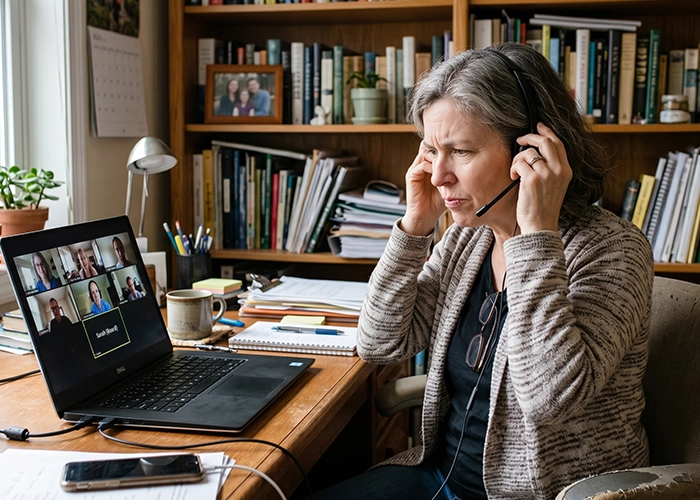
Internet disruptions, microphone problems, and audio delays can interrupt discussions and frustrate attendees. Some homeowners may also struggle with the technology itself, especially if they are unfamiliar with virtual meeting platforms.

Distractions are another issue. In-person meetings naturally create a more focused environment, while virtual meetings may compete with background noise, multitasking, or interruptions at home.

Communication can sometimes feel less personal online as well. Without physical presence, body language and social cues become harder to interpret. Misunderstandings may occur more easily during tense discussions.

Security concerns should not be overlooked either. Public meeting links can expose associations to unauthorized access or disruptive behavior if safeguards are not in place.

Boards should anticipate these challenges rather than assume virtual meetings will run perfectly every time.


Best Practices for Running Productive HOA Remote Meetings

Strong meeting management makes a significant difference during virtual gatherings. Boards that establish structure early tend to experience smoother discussions and better homeowner engagement.

Several best practices can help:

Start With Clear Meeting Rules

Ground rules help prevent confusion and interruptions. Boards should explain how residents can ask questions, when microphones should remain muted, and how speaking turns will work.

These expectations create a more organized meeting environment.

Keep Agendas Focused

Long virtual meetings often lead to fatigue and lower participation. Boards should prioritize the most important discussion topics and avoid unnecessary tangents.

When meetings stay focused, attendees remain more engaged.

Encourage Respectful Communication

Virtual discussions can sometimes become heated because people feel more disconnected online. Meeting leaders should maintain professionalism and redirect conversations when necessary.

Allowing homeowners to feel heard while keeping discussions respectful creates a healthier meeting atmosphere.

Use Visual Aids When Necessary

Screen sharing can help clarify budgets, project updates, or architectural plans. Visual presentations often improve understanding and reduce confusion during discussions.

Boards should avoid overwhelming attendees with excessive slides or complicated graphics, though.

Record Important Meetings

Some associations record meetings for documentation purposes or homeowner review. If recordings are allowed under local laws and governing documents, they can improve transparency and accountability.

Boards should always inform attendees if meetings are being recorded.


How HOA Remote Meetings Improve Homeowner Participation

Virtual HOA Meetings

One surprising benefit of HOA remote meetings is increased homeowner involvement. In many communities, attendance improved once virtual options became available.

Travel time is no longer a barrier. Parents can join meetings from home after putting children to bed. Residents with mobility challenges may also find virtual participation easier.

Homeowners who once felt uncomfortable speaking in crowded rooms sometimes feel more confident participating online. Chat functions and digital question submissions can create a less intimidating environment.

Remote meetings may also attract younger homeowners who are more accustomed to digital communication. This broader participation can help boards gather more community input and improve decision-making.

Greater involvement often leads to stronger trust between homeowners and board members. When residents feel informed and included, conflicts may decrease over time.


Balancing Remote and In-Person Meetings

Some communities now use a hybrid approach that combines virtual and in-person participation. This model allows associations to maintain flexibility while preserving face-to-face interaction when needed.

Hybrid meetings can be useful for annual meetings, elections, or major community discussions where personal interaction matters more. At the same time, smaller board meetings may remain fully virtual for convenience.

Balancing both formats allows associations to adapt to homeowner preferences and operational needs.

However, hybrid meetings require careful planning. Boards must ensure remote attendees can hear discussions clearly and participate equally. Poor audio quality or limited access can create frustration for virtual participants.

Technology investments may be necessary to support successful hybrid meetings, especially in larger communities.


The Role of HOA Management Companies in Virtual Meetings

Virtual HOA Meetings

Professional HOA management companies often help associations organize and manage remote meetings more effectively.

Managers may assist with scheduling, distributing notices, preparing agendas, and coordinating meeting logistics. They can also help moderate discussions and maintain meeting order during difficult conversations.

Some management companies provide technical support as well. This can reduce stress for board members who are less familiar with virtual meeting tools.

Meeting documentation is another important area where management support proves valuable. Accurate minutes, attendance tracking, and procedural guidance help associations remain compliant and organized.

For many boards, professional support makes HOA remote meetings far easier to manage consistently.


Tips for Improving Communication During HOA Remote Meetings

Good communication remains one of the most important parts of any successful HOA meeting. Virtual settings simply require a few adjustments.

Boards can improve communication by:

  1. Speaking clearly and slowly during discussions
  2. Avoiding multiple people talking at once
  3. Using plain language instead of technical jargon
  4. Giving homeowners enough time to ask questions
  5. Following the agenda consistently
  6. Summarizing key decisions before moving on

It also helps to maintain a calm and professional tone, especially during disagreements. Strong communication builds confidence among homeowners and reduces unnecessary tension.

Associations should remember that residents mainly want transparency and consistency. When boards communicate openly, communities tend to function more smoothly.


Technology Tips for Better HOA Remote Meetings

Even simple technical improvements can make virtual meetings feel more professional and organized.

Board members should use stable internet connections whenever possible. Headsets or external microphones can improve audio quality significantly.

Lighting also matters more than many people realize. Poor lighting can make speakers difficult to see and reduce engagement. Quiet environments help minimize distractions too.

Boards should encourage attendees to join meetings a few minutes early in case technical assistance is needed. This reduces delays once discussions begin.

Having a backup plan is smart as well. If one platform experiences technical problems, associations should know how they will continue the meeting.

Preparedness creates confidence and helps meetings run more efficiently.


Making HOA Remote Meetings Work for the Long Term

HOA remote meetings are no longer viewed as temporary solutions in many communities. They have become a practical communication tool that offers flexibility, accessibility, and convenience.

That does not mean every virtual meeting will be perfect. Boards still need structure, preparation, and strong leadership to keep discussions productive.

The most successful associations treat remote meetings as an extension of good governance rather than a replacement for it. Technology simply becomes another tool for serving the community effectively.

As communities continue adapting to changing communication preferences, virtual meetings will likely remain an important part of HOA operations for years to come.


Building Stronger Communities Through HOA Remote Meetings

HOA remote meetings can help communities stay connected, informed, and engaged when managed properly.

If you’re looking to improve communication and simplify board operations Personalized Property Management provides professional HOA management solutions tailored to keep your community on track year-round. Reach us at 760-325-9500 or contact us today.


Related Articles: