
HOA remote meetings have become a practical way for associations to stay connected, make decisions, and keep communities informed. Many boards now rely on virtual meetings to improve attendance, simplify communication, and make operations more flexible.
HOA Remote Meetings and How They Work
HOA remote meetings are board meetings, committee meetings, or homeowner gatherings conducted through digital platforms instead of physical meeting spaces. These meetings usually take place through video conferencing software that allows attendees to join from their computers, tablets, or phones.
For many associations, remote meetings became more common during periods when in-person gatherings were difficult. Over time, boards realized that virtual meetings also solved other long-standing issues. Homeowners who travel often can still attend. Busy residents can join from home without commuting. Board members can meet more frequently without coordinating room reservations.
Virtual meetings still follow the same purpose as traditional HOA meetings. Boards discuss budgets, maintenance projects, rule enforcement, vendor contracts, and community concerns. Votes are taken, homeowner comments are heard, and records are maintained.
The format may look different, but the responsibilities remain the same.
Why HOA Communities Continue to Use Virtual Meetings
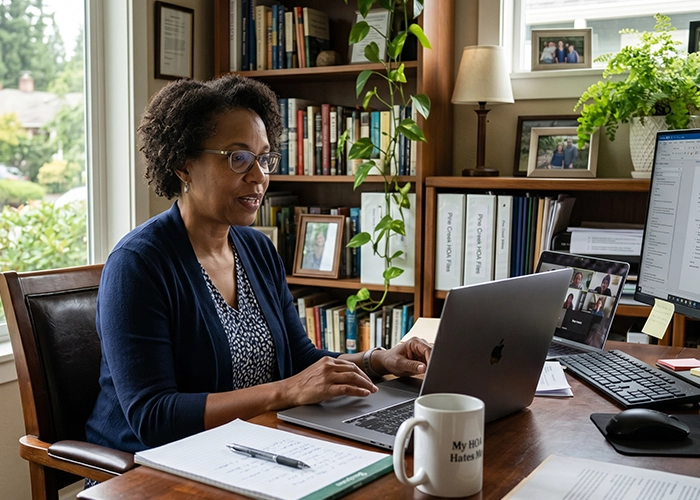
Many associations initially adopted virtual meetings out of necessity. Today, many continue using them because of the convenience and efficiency they offer.
One of the biggest advantages is improved attendance. Homeowners who once skipped meetings because of work schedules or travel are often more willing to join online. Even board members who live part-time elsewhere can stay involved in community decisions.
Virtual meetings also reduce logistical challenges. Boards no longer need to reserve clubhouses, arrange seating, or manage physical sign-in sheets. That can save both time and money.
Communication often becomes faster as well. When urgent matters arise, boards can organize remote meetings more quickly than traditional gatherings. This flexibility helps associations respond to maintenance emergencies, vendor issues, or financial concerns without unnecessary delays.
In some communities, remote meetings also help reduce tension. Speaking through a structured virtual platform sometimes encourages more orderly discussions and fewer interruptions.
Legal Considerations for HOA Remote Meetings
Before conducting HOA remote meetings, boards should review state laws and governing documents carefully. Not every association has the same requirements regarding virtual participation.
Some states specifically allow remote HOA meetings, while others impose conditions regarding notice requirements, homeowner access, and voting procedures. Governing documents may also contain rules about quorum requirements, open meetings, and electronic voting.
Boards should verify whether homeowners have the right to attend remotely and whether votes conducted online are legally valid. Recording requirements should also be reviewed carefully.
It is important to maintain transparency during remote meetings. Homeowners should receive proper notice, access instructions, agendas, and meeting times just as they would for an in-person gathering.
Associations should also document attendance and meeting outcomes clearly. Meeting minutes remain essential, regardless of whether the meeting happens online or face-to-face.
Many HOA management companies help boards navigate these legal details to avoid compliance issues.
Choosing the Right Platform for Virtual HOA Meetings
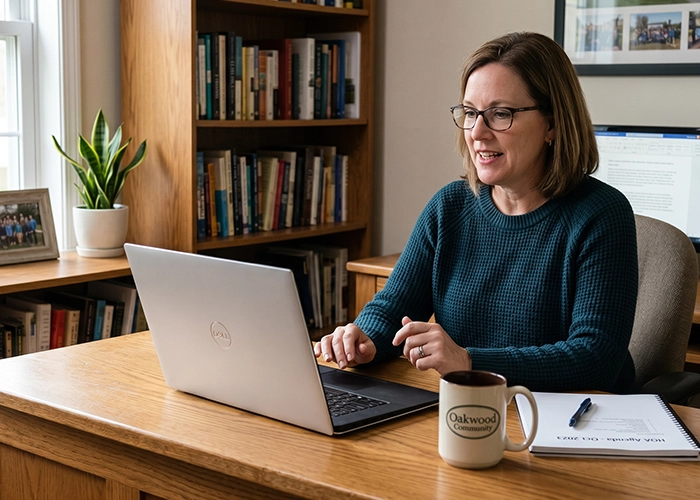
The success of HOA remote meetings often depends on the technology being used. A poor platform can create frustration, confusion, and communication problems.
Boards should choose software that is easy to use for residents of all ages and technical skill levels. Platforms with simple joining options tend to encourage better participation.
Important features may include:
- Video conferencing
- Screen sharing
- Waiting rooms
- Mute controls
- Recording capabilities
- Polling or voting tools
- Chat functions
- Mobile device compatibility
Security matters too. Associations should avoid using unsecured meeting links that allow unauthorized users to enter. Password protection and waiting room features can help maintain control over attendance.
Boards should also think about scalability. A small community may only need basic meeting software, while larger associations may require platforms that can support hundreds of attendees.
The goal is not to use the most advanced technology available. The goal is to choose a system that works reliably and keeps communication clear.
Preparing for HOA Remote Meetings
Preparation plays a major role in keeping virtual meetings productive. Without proper planning, remote meetings can quickly become disorganized.
Boards should distribute meeting agendas in advance so attendees understand what topics will be discussed. Supporting documents, financial reports, or proposals should also be shared ahead of time whenever possible.
Testing technology before the meeting helps prevent delays. Board members should confirm their microphones, cameras, and internet connections are working properly.
It also helps to assign roles ahead of time. One person may lead the discussion while another monitors homeowner questions or technical issues. This structure keeps meetings moving smoothly.
Some associations even hold short practice sessions for board members who are unfamiliar with the platform. That extra preparation can reduce interruptions once the official meeting begins.
Clear expectations should also be communicated to homeowners. Residents should understand speaking procedures, voting methods, and participation guidelines before the meeting starts.
Common Challenges During Virtual HOA Meetings
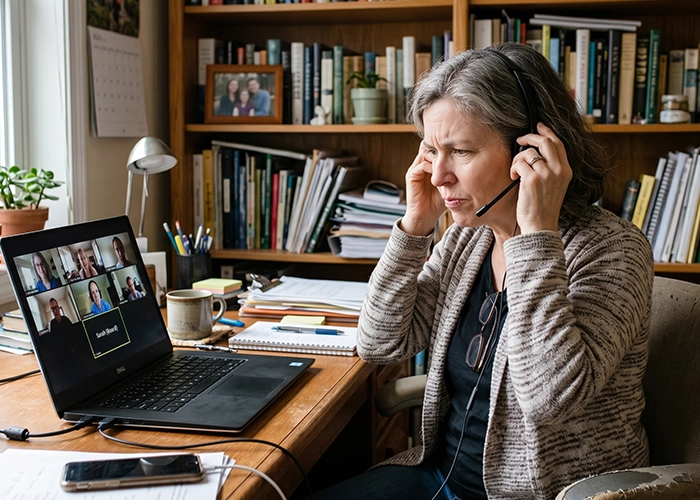
Although HOA remote meetings offer many benefits, they also come with challenges. Technology issues remain one of the most common problems.
Internet disruptions, microphone problems, and audio delays can interrupt discussions and frustrate attendees. Some homeowners may also struggle with the technology itself, especially if they are unfamiliar with virtual meeting platforms.
Distractions are another issue. In-person meetings naturally create a more focused environment, while virtual meetings may compete with background noise, multitasking, or interruptions at home.
Communication can sometimes feel less personal online as well. Without physical presence, body language and social cues become harder to interpret. Misunderstandings may occur more easily during tense discussions.
Security concerns should not be overlooked either. Public meeting links can expose associations to unauthorized access or disruptive behavior if safeguards are not in place.
Boards should anticipate these challenges rather than assume virtual meetings will run perfectly every time.
Best Practices for Running Productive HOA Remote Meetings
Strong meeting management makes a significant difference during virtual gatherings. Boards that establish structure early tend to experience smoother discussions and better homeowner engagement.
Several best practices can help:
Start With Clear Meeting Rules
Ground rules help prevent confusion and interruptions. Boards should explain how residents can ask questions, when microphones should remain muted, and how speaking turns will work.
These expectations create a more organized meeting environment.
Keep Agendas Focused
Long virtual meetings often lead to fatigue and lower participation. Boards should prioritize the most important discussion topics and avoid unnecessary tangents.
When meetings stay focused, attendees remain more engaged.
Encourage Respectful Communication
Virtual discussions can sometimes become heated because people feel more disconnected online. Meeting leaders should maintain professionalism and redirect conversations when necessary.
Allowing homeowners to feel heard while keeping discussions respectful creates a healthier meeting atmosphere.
Use Visual Aids When Necessary
Screen sharing can help clarify budgets, project updates, or architectural plans. Visual presentations often improve understanding and reduce confusion during discussions.
Boards should avoid overwhelming attendees with excessive slides or complicated graphics, though.
Record Important Meetings
Some associations record meetings for documentation purposes or homeowner review. If recordings are allowed under local laws and governing documents, they can improve transparency and accountability.
Boards should always inform attendees if meetings are being recorded.
How HOA Remote Meetings Improve Homeowner Participation
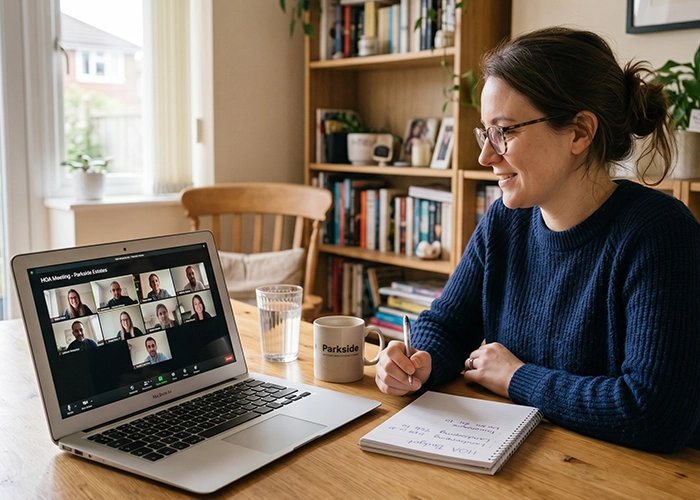
One surprising benefit of HOA remote meetings is increased homeowner involvement. In many communities, attendance improved once virtual options became available.
Travel time is no longer a barrier. Parents can join meetings from home after putting children to bed. Residents with mobility challenges may also find virtual participation easier.
Homeowners who once felt uncomfortable speaking in crowded rooms sometimes feel more confident participating online. Chat functions and digital question submissions can create a less intimidating environment.
Remote meetings may also attract younger homeowners who are more accustomed to digital communication. This broader participation can help boards gather more community input and improve decision-making.
Greater involvement often leads to stronger trust between homeowners and board members. When residents feel informed and included, conflicts may decrease over time.
Balancing Remote and In-Person Meetings
Some communities now use a hybrid approach that combines virtual and in-person participation. This model allows associations to maintain flexibility while preserving face-to-face interaction when needed.
Hybrid meetings can be useful for annual meetings, elections, or major community discussions where personal interaction matters more. At the same time, smaller board meetings may remain fully virtual for convenience.
Balancing both formats allows associations to adapt to homeowner preferences and operational needs.
However, hybrid meetings require careful planning. Boards must ensure remote attendees can hear discussions clearly and participate equally. Poor audio quality or limited access can create frustration for virtual participants.
Technology investments may be necessary to support successful hybrid meetings, especially in larger communities.
The Role of HOA Management Companies in Virtual Meetings
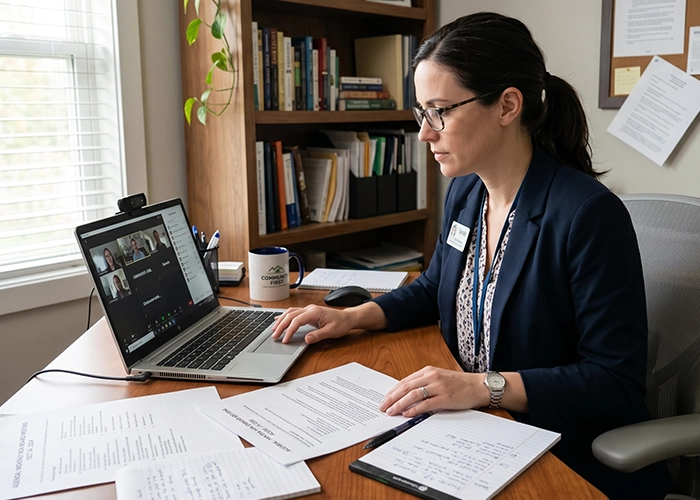
Professional HOA management companies often help associations organize and manage remote meetings more effectively.
Managers may assist with scheduling, distributing notices, preparing agendas, and coordinating meeting logistics. They can also help moderate discussions and maintain meeting order during difficult conversations.
Some management companies provide technical support as well. This can reduce stress for board members who are less familiar with virtual meeting tools.
Meeting documentation is another important area where management support proves valuable. Accurate minutes, attendance tracking, and procedural guidance help associations remain compliant and organized.
For many boards, professional support makes HOA remote meetings far easier to manage consistently.
Tips for Improving Communication During HOA Remote Meetings
Good communication remains one of the most important parts of any successful HOA meeting. Virtual settings simply require a few adjustments.
Boards can improve communication by:
- Speaking clearly and slowly during discussions
- Avoiding multiple people talking at once
- Using plain language instead of technical jargon
- Giving homeowners enough time to ask questions
- Following the agenda consistently
- Summarizing key decisions before moving on
It also helps to maintain a calm and professional tone, especially during disagreements. Strong communication builds confidence among homeowners and reduces unnecessary tension.
Associations should remember that residents mainly want transparency and consistency. When boards communicate openly, communities tend to function more smoothly.
Technology Tips for Better HOA Remote Meetings
Even simple technical improvements can make virtual meetings feel more professional and organized.
Board members should use stable internet connections whenever possible. Headsets or external microphones can improve audio quality significantly.
Lighting also matters more than many people realize. Poor lighting can make speakers difficult to see and reduce engagement. Quiet environments help minimize distractions too.
Boards should encourage attendees to join meetings a few minutes early in case technical assistance is needed. This reduces delays once discussions begin.
Having a backup plan is smart as well. If one platform experiences technical problems, associations should know how they will continue the meeting.
Preparedness creates confidence and helps meetings run more efficiently.
Making HOA Remote Meetings Work for the Long Term
HOA remote meetings are no longer viewed as temporary solutions in many communities. They have become a practical communication tool that offers flexibility, accessibility, and convenience.
That does not mean every virtual meeting will be perfect. Boards still need structure, preparation, and strong leadership to keep discussions productive.
The most successful associations treat remote meetings as an extension of good governance rather than a replacement for it. Technology simply becomes another tool for serving the community effectively.
As communities continue adapting to changing communication preferences, virtual meetings will likely remain an important part of HOA operations for years to come.
Building Stronger Communities Through HOA Remote Meetings
HOA remote meetings can help communities stay connected, informed, and engaged when managed properly.
If you’re looking to improve communication and simplify board operations Personalized Property Management provides professional HOA management solutions tailored to keep your community on track year-round. Reach us at 760-325-9500 or contact us today.
Related Articles:
- What Are Annual HOA Meetings?
- 9 HOA Meeting Problems And How To Address Them
- HOA Annual Checkup: A Complete Guide to Keeping Your Community on Track