Are Condo Fees The Same As HOA Fees?

handing a key to couple | condo fees

Condominiums and single-family homes or townhouses have a lot of differences, but it’s not just the vertical and horizontal orientation that is different. These communities also differ in the amount of HOA fees they charge. Condo fees are typically much higher than the average homeowners association fees. Moreover, condos use them for more than just upkeep.

What is a Condominium?

Condo fees differ because condominium complexes work differently than regular subdivisions with single-family homes, townhomes, or duplexes. What is a condominium exactly? Simply put, a condominium is a private residential building with multiple units. Each unit is sold separately to buyers for residential purposes.

Apart from dwelling spaces, condominium owners share common amenities such as gyms, co-working spaces, and swimming pools. The condominium owners pay various contractors and staff to maintain these facilities. Condominiums are a popular choice because they offer a wide range of amenities.

Conversely, unlike other planned communities, condominium owners often share other elements like plumbing, electrical, and HVAC systems.

What is an HOA Community?

Homeowners association communities, unlike condominiums, are developed horizontally. HOA communities consist of several single-family homes on a large plot of land. Like condo associations, HOAs may have shared spaces and amenities like clubhouses, pools, and tennis courts. 

In addition, HOAs often have community rules that govern property use and maintenance obligations. The homeowners must abide by a certain maintenance standard, or they will be penalized. HOAs also have strict rules about where to park their cars, what decorations they can put up, and what architectural changes they can or cannot make.

What are Condo Fees for?

Condominium complexes require a lot of upkeep. Not only do condos have recreational facilities like gyms or pools, but they also have tons of shared spaces. These include condominium hallways, balconies, patios, roof decks, elevators, staircases, and even parks. Condominiums also have shared roofs, pipes, electrical wiring, and HVAC systems. Condo fees are the charges unit owners pay for all of the condo building’s maintenance. 

Additionally, condo fees pay for all of the condo’s operations. Condos could not operate without security, cleaning, and administrative staff. They also require insurance and access to trash disposal, snow removal, and sewage or water services. Moreover, some condos provide shared utilities like internet, heating, and air conditioning. 

Finally, condo associations in California are required to conduct reserve studies to set aside funds for emergencies and major repairs. Condo association boards divide the burden among all the unit owners so everyone contributes to the reserve funds. 

Condo Fees vs HOA Fees: Breaking Down the Differences

What makes condo fees different from HOA fees? Here are the key factors that set them apart.

1. Different Ownership Structure
residential place | condo fees

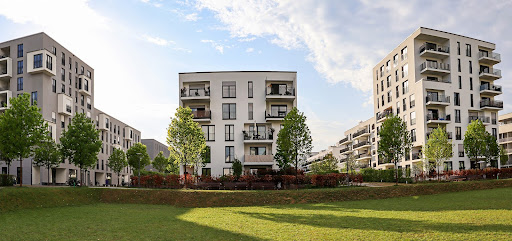
Condominium owners own their units individually and have joint ownership over the common elements. In contrast to condos, homeowners in an HOA individually own their units, but the one that owns the common areas is the association itself.

While HOA fees help maintain HOA property, condo fees support common property. This difference in ownership explains why condo association fees are different.

2. Higher Fees

The average condo association fee is much higher than that of regular associations because condo owners must pay to repair the entire building in addition to the common areas. On the flip side, homeowners associations only need to pay to maintain shared spaces like roads, sidewalks, and amenities. The homeowners are left to take care of their own homes.

3. Division of Assessments

Homeowners associations divide assessments equally among all homeowners. They all have equal access to the community’s facilities and shared spaces. The only exception is usually when a few homeowners have exclusive access to limited common areas. Meanwhile, condo associations follow a different system to compute assessments.

Condo associations do not always split the costs evenly among all the unit owners. Members with larger units often have larger ownership over the common elements. As a result, they may pay higher condo association fees because they have bigger responsibilities. 

4. Coverage

indoor pool | condo fees

Condo associations charge fees for various reasons. They typically cover the following:

  • Maintenance of common facilities and recreational amenities like lounges, courtyards, and swimming pools
  • Landscaping within and around the grounds
  • Maintenance of the building’s exterior walls, roads, and roofs
  • Provision of services like wastewater management, recycling, and security
  • Parking lot maintenance
  • Master insurance policy
  • Staff salaries
  • Reserve fund allotment
  • Utilities like heating, air-conditioning, and internet

While homeowners association fees cover similar things, their amenities, and shared spaces are often different. HOA common areas usually include walking trails, parks, clubhouses, and roads. Additionally, while many offer services like trash disposal and snow removal, only some will cover security and utilities.

How Much are the Average Condo Fees in California?

The average condo HOA fees in California range between $300 and $400 monthly. However, some condo associations may charge much higher fees depending on the number of units, amenities, and common elements. The condo’s location and its services also play a role in determining the fee amount.

If a condo is located in an accessible area or with a higher cost of living, they may charge higher condo fees. Similarly, condos with better or more luxurious amenities typically charge more. 

Apart from these, condo fees depend on the association’s financial health. Financially healthy condo associations can afford slightly lower fees if they have other income streams or enough money in the reserves. Meanwhile, condos with poor financial management may suffer from constant fee increases and special assessments. 

What is a Condominium Special Assessment?

Condo associations levy monthly fees to cover the cost of operations. When the money they’ve collected is not enough, the board may charge a condo special assessment.

Special assessments are often used to cover the cost of operations that normal fees could not cover. The board may also levy special assessments if the association needs more reserves to cover repairs from natural disasters or emergency maintenance.

Additionally, some condos charge special assessments to cover the cost of unexpected litigation. For example, one of the unit owners may file a lawsuit against the board for what they think is an unfair violation notice. Legal battles are not only long but also costly. The board may end up levying a special assessment if they do not have enough money to pay legal fees.

What are Condo Fines?

Both homeowners associations and condominium associations have rules about property use and conduct. One main way associations enforce the rules is by levying fines. After all, unit owners are less likely to break the rules if they know they have to pay money for a violation.

Condo fines are the condo equivalent to HOA fines. However, most condo associations have fewer rules regarding property use and architectural improvements. Hence, they may not use fines as often as homeowners associations. Regardless, unit owners can review their governing documents—particularly the CC&Rs and bylaws—to understand how and when the association may levy fines. 

It’s important not to confuse fines with fees. Fines are charges levied only because of violations. Meanwhile, fees are monthly charges everyone has to pay to maintain the condo building. Unit owners must pay both, but they differ in purpose, amount, and frequency. 

Why do Condos Charge Fewer Fines Than HOAs?

Unlike homeowners associations, condominiums have little room for exterior architectural changes. Unit owners rarely redesign their condo exteriors because they only face long hallways. Meanwhile, homeowners can get more creative when decorating or outfitting their homes in a single-family or townhome community.

In addition, homeowners in HOAs have more to maintain. They must mow their lawns and ensure their fence and home exterior paint are in good shape. They may be penalized if they do not maintain these according to the HOA’s standards. On the other hand, condo unit owners have less to maintain in their exterior.

Frequently Asked Questions

Can Condo Fees Increase?

Yes, condo association fees can increase if necessary. California law requires fee increases to be approved by a majority vote if they are above a certain percentage. 

Do Unit Owners Need to Pay the Fees?

Yes, condo owners must pay their association fees. The fees are legally binding upon the unit owners the moment they purchase a unit from a condo association.

Understanding Condo Fees

Many people assume that HOA and condo fees are the same. However, they differ in many ways. Homeowners can expect to pay much more when living in a condo. Due to the shared nature of their infrastructure, condominiums have much more ground to cover and offer more services.

Personalized Property Management provides a wide array of condo management services to condominium associations in Southern California. Call us at 760-325-9500 or leave us a message.

RELATED ARTICLES:

How Different Is Master-Planned Community Management With HOA Management?

neighborhood aerial view | master-planned community management

Navigating master-planned community management can be challenging for inexperienced leaders. The first step in mastering it is understanding how it differs from traditional HOA management. While the two share similarities, important distinctions set master-planned communities apart.

Understanding Master-Planned Community Management

The concept of master-planned communities has become increasingly popular as of late. Developers continue to create large, self-contained neighborhoods that offer a mix of residential, commercial, and recreational spaces. 

These meticulously planned communities often provide a wide variety of amenities, from parks and schools to shopping centers and entertainment venues.

Managing a master-planned community is significantly different from managing a traditional homeowners association. This is because such communities’ scale, complexity, and needs are vastly greater.

What is a Master-Planned Community?

A master-planned community is a large-scale, planned development that typically includes a variety of property types, such as single-family homes, townhouses, condos, and even commercial spaces like retail shops or offices. 

These communities often feature extensive amenities such as parks, swimming pools, golf courses, schools, and shopping centers—all designed to create a self-sustaining and attractive environment for residents and businesses alike. Unlike a traditional neighborhood, a master-planned community is developed with long-term growth and functionality in mind. It offers numerous services and amenities that cater to residents’ daily needs.

What is a Homeowners Association?

A developer creates an HOA to manage and regulate the common areas within a residential community. These associations enforce community rules, collect dues from residents, and maintain amenities such as clubhouses, pools, and landscaping. 

HOAs focus on preserving property values and maintaining a high quality of life for residents. However, they typically govern much smaller, more localized areas than master-planned communities.

Differences Between a Master-Planned Community and an HOA

Although a master-planned community may include multiple HOAs, several key differences exist in the structure and management of these two types of developments. These differences are apparent in the size and scope, types of properties, amenities and infrastructure, and governance and structure of these communities.

1. Size and Scope

The most prevalent difference between a master-planned community and a traditional HOA is the size. A master-planned community is significantly larger, often spanning hundreds or thousands of acres. It includes residential units, commercial areas, parks, and schools. 

In contrast, a typical HOA governs a smaller, residential neighborhood with more limited common areas and fewer amenities. Traditional homeowners associations often do not have commercial establishments, too. Sometimes, a master-planned community consists of several HOAs within its development. 

2. Types of Properties

In a master-planned community, you will find a variety of property types. These include single-family homes, townhomes, condos, and even commercial spaces. 

Because of the diversity of the properties in a master-planned community, it can be difficult to narrow down the right management approach. Varied properties call for varied management styles, as each type of property might have its own set of unique characteristics and problems, as well as different needs and requirements.

On the other hand, a traditional HOA usually governs a more uniform neighborhood. Property types do not differ as much, and if they do, there are only small distinctions. Unlike a master-planned community, which often calls for a broader management approach, a traditional HOA can focus on residential management.

3. Amenities and Infrastructure

riding a gold cart | master-planned community management

Master-planned communities are known for their extensive amenities. This can include everything from golf courses and walking trails to retail centers and schools. 

Managing these amenities requires more sophisticated infrastructure and long-term planning than managing an HOA, which typically manages fewer amenities, such as pools, parks, or clubhouses.

4. Governance and Structure

A master-planned community often includes multiple sub-HOAs. Each one governs a specific section of the community (such as a condo association or a townhome section) and reports to a larger, overarching master association that oversees the entire development. In a traditional HOA, only one board of directors is typically responsible for the entire community.

Differences in HOA Management for Master-Planned Community vs. HOA

Master-planned community management presents unique challenges that go beyond typical HOA management. Here are some key differences between the two types.

1. Scale of Operations

Master-planned community management requires oversight of much larger infrastructure and more extensive amenities compared to an HOA. For instance, a master-planned community with a vast network of parks, roads, and commercial spaces requires more complex maintenance. In comparison, a small neighborhood with only a community pool or shared clubhouse does not need a comprehensive maintenance plan.

Communication and member management are also more difficult to navigate in master-planned communities. Because these communities tend to have a larger population, the board might receive hundreds of messages, emails, and work orders every week. A smaller community, on the other hand, might have to deal with a few requests a month.

2. Financial Management

Due to its size and variety of amenities, a master-planned community requires a more complex financial management system. The budget must account for the maintenance of large parks, recreational centers, commercial areas, and potentially even schools. Fees can amount to tens—even hundreds—of thousands a month. Projects requiring significant budgets and reserves tend to be more demanding because there is more to consider.

This contrasts HOA budgets, which typically focus on maintaining smaller common areas and enforcing community rules. Boards in traditional HOAs don’t usually have large amounts of money to deal with. Furthermore, financial reports and statements may be more detailed in master-planned communities than small HOAs.

3. Coordinating Multiple Sub-HOAs

In a master-planned community, the master association must coordinate with multiple sub-HOAs, each responsible for different community sections. This adds layers of complexity to governance. Each sub-HOA has its own rules, responsibilities, and board of directors.

However, even if each sub-HOA is a moving part, a master-planned association must step in for cohesiveness. All of the development’s components have to come together to work in unity. 

4. Community Growth and Development

Master-planned communities often grow in phases. Management must handle ongoing development, future expansion, and new property integration. All of these things require long-term planning and flexibility. In contrast, once an HOA’s development is complete, its management focuses primarily on maintaining the status quo.

Benefits of Hiring a Professional for Master-Planned Community Management

Due to the complexity of master-planned community HOA management, hiring a professional management company can provide significant benefits. Here’s how a management company can help.

1. Expertise in Large-Scale Operations

Professional management companies have experience overseeing large developments, coordinating the maintenance of vast common areas, and ensuring all amenities function smoothly. They also know how to handle the complex financial planning required to maintain a master-planned community.

While the board can try to take on this task, it is often challenging. Board members have other priorities on their plates. They also often lack the skills and experience necessary to manage a large community. Hiring a management company is a wise choice.

2. Financial Oversight and Budgeting

With extensive amenities and infrastructure, master-planned communities require careful financial management. A professional management company can help create and manage budgets, collect dues, and prepare financial statements. The company can also maintain a healthy reserve fund for future repairs or upgrades.

3. Legal and Compliance Support

contract signing | master-planned community management

Juggling the management of multiple sub-HOAs with legal compliance is often hard to achieve. There are plenty of federal laws, state regulations, and local ordinances to keep up with, not to mention numerous building codes and zoning laws.

A management company is well-versed in all aspects of legal compliance. Most companies have a dedicated legal team or, if not, have a law firm on retainer. Associations function differently than corporations, even though they are usually classified as such. Therefore, not all laws apply to them.

With a management company, master-planned developments can stay up-to-date on new legislation and ensure compliance with current ones. These include the Davis-Stirling Act and the California Corporations Code.

However, Federal, state, and local laws are not the only things to consider when it comes to legal compliance. The master-planned community’s governing documents usually include provisions and stipulations. Failure to comply with these documents can lead to potential liability.

4. Coordinating Vendors and Services

A master-planned community can’t function alone. It must rely on vendors to take care of tasks such as landscaping, maintenance, facility management, security, and more. Professional companies can handle the hiring and management of vendors and ensure that all services are provided cost-effectively and efficiently.

Moreover, management companies usually already have a network of pre-vetted vendors and contractors. This will help the master-planned community save time in the selection process. Vendors also typically offer discounted rates to long-time clients, allowing the community to save money.

Master-Planned Community Management Made Easy

While master-planned community management shares some similarities with traditional HOA management, some differences set it apart. Managing such a large development requires careful coordination and long-term planning. Often, it is much more prudent to hire the services of a professional management company.

Personalized Property Management offers expert master-planned community management services around Southern California. Call us at 760-325-9500 or email us at info@ppminternet.com for more information!

RELATED ARTICLES:

What Is A Commercial Association? How Is It Managed?

commercial establishment | commercial association

A commercial association differs from a homeowners association and a condominium, but they do share some similarities. It is important to understand how these entities differ in terms of structure, members, governance, and responsibilities.

What is a Commercial Association?

A commercial association is an organization responsible for managing and maintaining shared spaces and services in commercial properties, such as office parks, retail centers, and industrial complexes. It operates similarly to a homeowners association, but instead of governing residential communities, it oversees properties used for business purposes. 

Some may wonder what a commercial owner is or how these associations work. It’s important to understand that a commercial association serves the collective interests of the businesses or property owners within its jurisdiction. 

What is the Purpose of a Commercial Association?

A commercial property association is formed to manage common areas and services for commercial properties. For example, in a shopping mall or office park, the association takes care of shared spaces such as parking lots, landscaping, exterior lighting, and even security services. Commercial owners contribute to the upkeep of these areas by paying regular fees, similar to how residential homeowners pay dues to an HOA.

A commercial association’s primary goal is to maintain the value and functionality of the commercial properties it oversees. It also enforces rules and guidelines to ensure that businesses within the association comply with standards related to property maintenance, signage, and overall aesthetics.

Differences Between Commercial Associations and Other Associations

How does a commercial association differ from an HOA and a condominium association? Although they share some similarities, they have features that make them vastly distinct. Understanding these features is essential before entering one community or another.

Commercial Association vs. Homeowners Association

A commercial owners association operates differently from a residential HOA. While an HOA manages residential communities to enhance the quality of life for homeowners, a commercial association focuses on business interests. Its goal is to maintain an environment favorable to businesses and commerce in general.

An HOA typically prioritizes resident satisfaction, common area maintenance, and property value preservation. In contrast, a commercial association usually prioritizes accessibility, functionality, and appearance to attract customers, clients, or tenants.

The structure works differently, too. An HOA is usually a neighborhood association with individual homes and common amenities. A commercial association is generally a building or complex primarily consisting of businesses. There are no homeowners.

A development that combines businesses and residential units is commonly referred to as a mixed-use development.

Commercial Association vs. Condominium Association

A commercial building association is distinct from a condominium association, which typically manages residential units in multi-family buildings. While a condo association focuses on residential common areas like pools, hallways, and lobbies, a commercial association focuses on business infrastructure. These include parking, public signage, and exterior maintenance of commercial buildings.

Condo communities are more similar to homeowners associations. Both types of associations are home to unit owners or homeowners. People use the building or development as a place of residence, with shared facilities in common spaces. A commercial association is more distinct from these two, chiefly catering to businesses and customers.

Key Responsibilities of a Commercial Association

A commercial association management team is responsible for a wide array of tasks. These tasks help maintain the functionality and appeal of the commercial properties under their care. 

Here are the key responsibilities of a commercial association.

1. Maintenance of Common Areas

road paint works | commercial association

The association manages shared spaces such as parking lots, outdoor areas, building facades, and landscaped areas. Keeping these spaces clean, safe, and visually appealing is essential to maintaining a professional and inviting environment for businesses and customers.

The association must ensure proper cleaning, regular maintenance, and prompt repairs when necessary. When common areas aren’t properly maintained, tenants will complain as they can potentially lose customers. This is because poorly maintained buildings tend to scare away customers and visitors.

2. Enforcement of Rules and Regulations

A commercial association enforces rules regarding property appearance, signage, and the use of common areas. For example, restrictions may govern how storefronts display signs or use outdoor space. Rules and regulations help ensure uniformity, appeal, and professionalism. Again, it all circles back to attracting customers and other businesses who wish to lease a space in the development.

3. Financial Management

One of the association’s main roles is managing finances. Tasks include collecting fees from tenants, creating a budget, and maintaining a reserve fund for future repairs or improvements. The association is also responsible for preparing financial reports.

Of course, financial management is one of the most difficult aspects of running a commercial association. Therefore, many associations seek the help of an accountant or association management company.

4. Vendor Coordination

The association is responsible for hiring and overseeing vendors who provide cleaning, repairs, landscaping, and security services. To avoid problems, it is important to select the right vendors for the job. Similarly, it is essential to manage contracts effectively to ensure smooth operations.

How is a Commercial Association Managed?

Managing a commercial association is no easy feat. Several moving parts are involved, and roles must be fulfilled to ensure success.

Here are the key contributors to commercial association management.

Board of Directors

group meeting | commercial association

Like an HOA, a commercial property association is typically governed by a board of directors. However, unlike an HOA, a commercial association’s board typically consists of property owners or business representatives within the association. In an HOA or condo association, the board consists of members or homeowners within the community.

The board is responsible for making key decisions about the property’s management and operations. It sets policies, manages finances, and oversees the maintenance of common areas. The association’s bylaws provide more detailed responsibilities and details on how board members are selected.

Governing Documents

The association operates under legal documents, such as bylaws and declarations. These documents outline the responsibilities of the board, the property owners, and the tenants. They dictate how the association collects fees and assessments, resolves disputes, and makes decisions.

Annual Meetings and Voting

Property owners within the association typically vote on significant matters, such as budget approval, rule changes, or electing board members. These votes often take place at annual meetings, at which the board also provides updates on the association’s operations and financial health.

How a Professional Management Company Helps

Many commercial associations hire a professional management company to handle day-to-day operations. These companies specialize in managing commercial properties and can offer various benefits.

Here are the aspects of commercial association management that a company can help with.

1. Day-to-Day Operations

A management company can handle routine operations like maintenance, financial reporting, and administrative tasks, allowing the board to focus on larger strategic decisions. They also ensure that common areas are well-maintained and that all essential services run smoothly.

2. Compliance and Legal Support

A professional management company ensures that the association is compliant with state and local regulations and can offer legal support if disputes arise. This is particularly important when managing complex commercial properties where local zoning laws or safety regulations may affect operations.

The Commercial & Industrial Common Interest Development Act governs commercial associations in California. The Davis Stirling Act used to apply to commercial associations, but that changed in 2014.

3. Financial Planning and Budgeting

These companies help the board create and manage budgets, collect fees, and plan for future repairs or improvements by maintaining a healthy reserve fund. Board members may choose to take on this job alone, but they often struggle with this part of management. Therefore, a management company comes in handy.

4. Vendor Management

shake hands | commercial association

Professional managers coordinate and negotiate contracts with service providers. They ensure that vendors are reliable, that work is completed on time, and that the services provided are of high quality.

5. Tenant and Owner Management

A management company can also handle tenant and owner management. This includes communicating with them, sending notices and updates, fielding concerns, and responding to requests or work orders.

Benefits of a Well-Managed Commercial Association

A well-managed commercial association offers many benefits to commercial building association members, including the following.

  • Increased Property Value. Proper maintenance and professional appearance help maintain or increase property values, making the area more attractive to businesses and investors.
  • Efficient Business Operations. When common areas and services are well-managed, businesses can focus on their operations without worrying about exterior maintenance or security issues. This, therefore, improves efficiency and customer satisfaction.
  • Conflict Resolution. A well-managed commercial association can help resolve conflicts between business owners, tenants, or the association. This ensures smooth operations and avoids unnecessary disputes.

A Wise Decision

A commercial association plays a vital role in managing shared spaces, maintaining property values, and ensuring smooth operations within commercial properties. Given the mountain of responsibilities, most commercial boards opt to hire a management company.

Personalized Property Management offers expert commercial management services around Southern California. Call us at 760-325-9500 or email us at info@ppminternet.com for more information!

RELATED ARTICLES:

What Is Davis Stirling Act In California?

clean neighborhood | what is davis stirling act

What is the Davis Stirling Act? The Davis Stirling Act is significant to homeowners associations in California. It serves as the legal framework for common interest developments in the state. Both board members and homeowners should understand the provisions of this act to avoid liability and protect their rights.

What is the Davis-Stirling Act in California Law?

The Davis Stirling Act functions as the primary legal framework governing common interest developments (CIDs) in California, including homeowners associations.

Is the Davis Stirling Act a law? Yes, the Davis Stirling Act is a law in California. It was enacted in 1985 and consists of a comprehensive set of laws that regulate various topics, including HOA governance, homeowner rights, and board responsibilities.

Considering the wide range of subjects it covers, the Davis Stirling Act should be understood by homeowners and board members alike. This is crucial to ensuring the smooth and transparent operations of the community.

The Davis Stirling Act is within Civil Code Section 4000 to 6150.

The History of the Davis Stirling Act

Community associations started growing in popularity in the 1970s, but they had existed before. However, regulations governing the operation and management of such communities, including condominiums and cooperatives, were scarce. It was not until 1985 that Governor Deukmejian signed the Davis Stirling Act into law. The Act went into effect the following year.

Legislators in California introduced the Davis Stirling Act to address the need for more uniform regulations for common-interest developments as they expanded in number. Before the passing of the Act, there was a lot of confusion surrounding the governance and management of these communities. This confusion ultimately led to conflicts between HOA boards and residents.

The Davis Stirling Act derives its name from its legislative authors, Assemblymen Lawrence W. Sterling and Gray Davis. The two legislators aimed to create a legal framework that consistently regulated associations. Today, the Act applies to all CIDs, including homeowners associations, cooperatives, and condominium associations.

The Purpose of the Davis Stirling Act

As previously mentioned, the Davis-Stirling Act is designed to regulate the operations and management of associations. This is its core purpose. The Act’s many provisions address various aspects of community management, including voting, elections, meetings, rights, and more. Its objective is to promote transparency, ensure accountability, and protect homeowners’ rights.

Within the Davis Stirling Act, you will find clear procedures for governance, among other things. The Act also covers financial management and dispute resolution. This law helps ensure the efficient running of HOAs and the fair treatment of homeowners. It aims to strike a balance between the association’s powers and the rights of individual homeowners.

Key Provisions of the Davis Stirling Act for Homeowners Associations

The Davis Stirling Act contains several important provisions that dictate how HOAs in California must operate. Some of the most critical Davis Stirling Act rules and regulations tackle the governing documents, elections and voting rights, HOA board responsibilities, assessments and financial management, dispute resolution, and open meetings and records.

Let’s discuss each item below.

1. Governing Documents

Homeowners associations are governed by a set of “the governing documents.” These include the Declaration of Covenants, Conditions, and Restrictions (CC&Rs), the bylaws, and the operating rules and regulations.

The Davis Stirling Act requires that HOAs make these documents available to homeowners. All residents, including board members, must adhere to the provisions of their HOA’s governing documents. You will find the rights and responsibilities of homeowners and the HOA board within these documents.

You will find more information on an HOA’s governing documents under the Davis Stirling Act (Sections 4205 to 4370).

2. Elections and Voting Rights

voters parking sign | what is davis stirling act

The Act ensures that HOA elections are fair and transparent. It sets out clear procedures for voting, qualifications for board members, and the use of secret ballots. Homeowners also receive the right to vote on significant community matters, ensuring the association is run democratically.

You will find more information on elections and voting rights under the Davis Stirling Act (Sections 5100 to 5145).

3. HOA Board Responsibilities

The Davis Stirling Act outlines the duties and responsibilities of the HOA board. These include managing the association’s finances, maintaining common areas, and enforcing the community’s rules. The board has a fiduciary duty to act in the community’s best interest. Thus, any misuse of power or funds can result in legal action.

Of course, more detailed responsibilities and limitations can be found in the HOA’s own governing documents. For this information, it is important to read the community bylaws.

4. Assessments and Financial Management

One of the Davis Stirling Act’s most important aspects is its regulation of assessments. The Act mandates that HOAs maintain accurate financial records and set aside adequate reserve funds for future repairs. It also requires a review of the association’s finances and proper reserve planning.

The Act covers this information from Section 5500 to 5580. However, it is essential to note that other parts of the Act also tackle financial management.

Additionally, Davis Stirling sets rules for how the association can levy and collect dues and assessments. It tackles topics such as handling delinquent accounts, liens, and foreclosures. The goal is to ensure transparency in how the board spends the homeowners’ money. 

You will find more information on assessments and collections from Section 5600 to 5740.

5. Dispute Resolution

Disputes between homeowners and HOA boards are not uncommon, and the Davis Stirling Act provides mechanisms to resolve these conflicts. An HOA should have an internal dispute resolution procedure in place. However, the Act also encourages using mediation, arbitration, and other alternative dispute resolution (ADR) methods. ADR is a prerequisite to litigation, which can be costly and time-consuming.

You will find more information on dispute resolution from Section 5850 to 5986.

6. Open Meetings and Records

team meeting | what is davis stirling act

The Act requires HOA board meetings to be open to all homeowners, with limited exceptions (Section 4900 to 5000). These include litigation or personnel issues, which can be discussed in executive sessions. Open meetings ensure transparency in how the board makes decisions. 

The Act also grants homeowners the right to access certain records, including financial statements, meeting minutes, and governing documents. You will find more information about records inspection from Section 5200 to 5260.

How the Davis Stirling Act Impacts HOAs

The Davis Stirling Act profoundly impacts how HOAs operate in California. It standardizes procedures for running associations, giving homeowners a clearer understanding of their rights and responsibilities. 

The Act bounds board members to follow certain protocols, from holding elections to maintaining financial transparency. This law ensures that homeowners have a chance to express their voices and promotes the fair and accountable governance of communities.

Amendments and Updates to the Davis Stirling Act

Since its original passage in 1985, the Davis Stirling Act has undergone several amendments to keep up with changing legal and community needs. One of the most significant updates occurred in 2014 when the Act was reorganized for clarity and ease of use. 

The update didn’t change the substance of the law but reorganized the sections to make it easier for boards and homeowners to navigate. New provisions are regularly introduced to address issues like electronic voting, dispute resolution, and financial management.

Who Enforces the Davis Stirling Act?

Although no single agency oversees the Davis Stirling Act, enforcement is still a priority. What happens when boards violate the Davis Stirling Act?

The California courts primarily enforce the Davis Stirling Act. However, the Department of Real Estate (DRE) may also become involved in some cases.

Homeowners who believe their HOA has violated the Act can take legal action. As per the Act, though, homeowners must first go through ADR methods before litigation. If violations continue, homeowners can file lawsuits. Courts can then impose penalties on HOAs that fail to comply with the law.

Why Understanding the Davis Stirling Act is Important for Homeowners

Understanding the Davis Stirling Act is vital for both homeowners and HOA boards. Homeowners familiar with the Act are better equipped to protect their rights. They can ensure they are not subject to unfair treatment by their HOA. 

Knowledge of the act ensures that board members govern legally and transparently, helping to avoid conflicts and potential legal issues. Overall, the act helps to create a stable and fair environment within California’s common interest developments.

What is the Davis-Stirling Act? Explained!

The Davis Stirling Act plays a pivotal role in the governance of homeowners associations in California. It sets clear guidelines for how HOAs should operate – ensuring transparency, fairness, and legal compliance. Whether you’re a homeowner or an HOA board member, understanding the provisions and implications of this critical law is crucial to maintaining a well-functioning community.

Personalized Property Management offers HOA management services around Southern California, including assistance with HOA governance. Call us at 760-325-9500 or email us at info@ppminternet.com for more information!

RELATED ARTICLES:

Mixed-Use Community Association Management: What To Expect

community with white houses | mixed use community association

Mixed-use associations have become popular around the United States. They provide a good avenue for people who want a home but value proximity to essential services. While they are undoubtedly convenient, they also come with important considerations. What should residents expect from a mixed use community association? Let’s find out.

What is a Mixed Use Community Association?

A mixed-use community association combines residential and commercial properties in one neighborhood. It often consists of several buildings and outdoor spaces. 

There are two main types of mixed-use associations:

  • Vertical Mixed-Use Development. A vertical mixed-use development combines residential, commercial, and retail spaces in one building. Public units are often on the ground floor, while private spaces are on the upper floors and units. Private units may include residential units, hotel rooms, and office spaces.
  • Horizontal Mixed-Use Development. A horizontal mixed-use development combines a single-use building inside a mixed-use property comprising multiple buildings. The entire development has a variety of uses. The community is larger and more walkable.

Many mixed-use community associations are located in dense urban areas. They offer the ideal environment for people who want their home, work, and recreational spaces in one area.

Structure of a Mixed-Use Community Association

Like other planned communities, the developer of a mixed-use community association will work with a lawyer to create the community’s governing documents. These documents outline the HOA and residents’ responsibilities, perks, and obligations. 

Mixed use associations are distinct in that there are varying interests within the community. Residents may want more privacy, while retailers and commercial establishments prefer to be more open to the public. A mixed-use community’s governing documents must protect the interests of all parties. 

In many cases, a mixed-use community association will have several sub-associations for the residential and commercial properties. A master association will often govern both, though some communities may create entirely separate associations for either type of property. Some communities also opt for one large association, with either type of property represented in the board of directors. 

Regardless of how a mixed-use association is organized, residential and commercial property owners must learn to coexist and strive to achieve the community’s overall goal and vision. 

What to Expect Living in a Mixed-Use Community Association

Mixed-use communities come with many considerations. Homeowners should think about the following aspects of mixed-use community living before purchasing a property:

  • Limitations in the governing documents and their amendments
  • Allocation of expenses for common, limited common, and shared facilities
  • Structure and cost of assessments
  • Allocation of voting rights
  • Individual unit boundaries
  • Permitted user controls
  • Operation hours and special event abilities
  • Management, operation, reconstruction, and maintenance responsibilities
  • Dispute resolution processes
  • Residential protections for adverse use or deterioration of parcels

Each mixed-use development is different. Hence, it’s essential to thoroughly ask questions about the HOA’s operations and how expenses are divided. Understanding the association’s financial, legal, and social responsibilities is also crucial. These can affect the homeowners’ quality of life and financial investments. 

Benefits of Living in a Mixed-Use Community Association

Mixed-use community living has many benefits, including the following:

  • Convenience. Mixed-use properties provide many conveniences for the residents. Unit owners can often find laundry facilities, restaurants, fitness centers, and groceries in one area. They no longer need to travel far to access essential items and services.
  • Walkability. Mixed-use developments foster a strong sense of community by allowing customers, tenants, residents, and guests to walk to various establishments. Residents are less pressured to purchase a vehicle to reach their destination.
  • Economic Development. Mixed-use developments earn money not just through association dues but also through rental income. Both business owners and residents can benefit from this added income source, which offers economic benefits and encourages investment.
  • Physical Health. Creating a walkable environment encourages residents to exercise and prioritize their physical health while accessing other establishments. 

Challenges of Mixed-Use Community Association Management

How do homeowners associations manage mixed-use community developments? There are several considerations and management challenges involved in mixed-use developments, such as the following:

1. Communication

Communication is required in mixed-use developments. They often schedule regular maintenance and inspection activities to ensure the residents’ quality of life. Moreover, frequent events and gatherings in shared spaces may need to be announced to other occupants.

Landlords must prioritize communication to ensure good relationships with tenants. They must provide constant updates concerning responsibilities, routine maintenance, and rental rules. Otherwise, they may manage numerous emails or calls from residential and commercial occupants.

In addition, they must ensure that all occupants are well-informed about the community’s activities. They must also keep track of vendor expenses, events, lease agreements, accounts, invoices, and rent.

2. Conflicting Needs

woman covering her ears with pillow | mixed use community association

Residential tenants or unit owners may sometimes complain about noise, too much foot traffic, and unpleasant odors from the other floors and units. This is one of the biggest challenges when mixing residential and commercial properties, especially if the property is built vertically.

One way to avoid this is to manage the expectations of both parties. For instance, residential owners and tenants may need to know that certain businesses will be open late into the evening. Meanwhile, commercial establishments may need to operate at certain hours to maintain business without disturbing the residents. 

3. Maintenance

Many of the lower-floor common areas are open to the public, making maintenance difficult for the development’s management team. Both residential and commercial areas often share mechanical, electrical, and plumbing systems. It’s important for the association to manage these wisely. Otherwise, one party will feel like they are being abused by the other to cover all the maintenance costs.

The board of directors can reduce conflict by establishing a clear maintenance schedule for both areas. They should also create policies outlining the consequences of failure to maintain individual properties and follow through on tenant responsibilities.

In addition, it may help to purchase property management software dedicated to mixed-use properties to manage maintenance schedules, work orders, and other requests. The tenants and residents can see who is in charge of which task and when these tasks will be completed.

4. Parking

Parking is often a big challenge for landlords and management teams. Residents want to be reassured that they have somewhere to park their vehicles. Meanwhile, commercial tenants will wish to have many parking spaces for their staff and customers. They also do not want the residential unit owners to cause any inconvenience to their patrons. 

The best way to handle this is to create separate parking spaces for commercial and residential property owners, tenants, and guests. This is especially important for vertical mixed-use developments, which often have shared or one designated parking area. 

If the association consists of one building with one parking lot, consider dividing the lot between commercial and residential use. On the other hand, buildings with multi-level parking can dedicate particular floors to commercial use and others to residential use.

In addition, it may be wise to hire parking security guards to prevent conflict. The guards may quickly punish or enforce the rules on violating tenants, guests, customers, and residents. 

Tips to Manage a Mixed-Use Community Association

Mixed-use communities can be difficult to operate and manage. Here are some tips to keep in mind to ease tensions and ensure success:

1. Review the Governing Documents

The residents and HOA board members must be familiar with the ins and outs of the governing documents. They must remember that the residential community can only control what they are allowed to do within the development. While the homeowners may file complaints, they must understand that the CC&Rs may be partial to residential or commercial owners.

2. Work Together

Residential and commercial associations must work together to create a harmonious environment. One way to do this is to form a usage committee with representatives from both sides. The usage committee can guide and manage all the logistical issues within the property. It can help develop policies on pest contracts, exterminators, deliveries, and signages.

3. Involve the Commercial and Residential

team together | mixed use community association

To build goodwill, commercial establishments can become more involved in the residential community. For example, one of the restaurants can provide catering services to the HOA during the annual meeting. It may also send discounts to the development’s residents to improve the relationship. 

4. Fine-Tune Nuisance Provisions

One of the most common complaints in mixed-use associations is the noise and disturbances. Make sure to fine-tune the governing documents’ nuisance provisions so the HOA can act on enforcement. Communities may also rely on these provisions to bolster their case in case of a lawsuit. 

Get Professional Help

Managing a mixed-use community association can be difficult. Often, the residential and commercial tenants conflict. Nevertheless, the association provides many benefits and conveniences to the occupants.

Personalized Property Management offers comprehensive mixed-use association management to communities in Southern California. Call us now at 760-325-9500 or request a quote, and we’ll get back to you.

RELATED ARTICLES:

Understanding the Shift from Developer Controlled Community To HOA Governance

under new management | developer controlled community

Shifting from a developer-controlled community to an HOA-managed neighborhood can be challenging. There are many considerations and potential conflicts along the way. The process can take several months or even years. Moreover, there’s a lot of legal paperwork and construction phases involved. HOAs need to plan carefully to ensure a successful transition.

What is a Developer Controlled Community? 

Most homeowners associations do not start as self-managed communities. More often than not, a developer establishes the planned community and sets out its scope. It creates the HOA by developing and filing the governing documents with the Secretary of State. The HOA also establishes a budget and appoints a board.

In a developer-controlled community, the board of directors is made up of the developer and people related to the developer. The developer-appointed board has a fiduciary duty to act in the best interest of the community. It manages all aspects of community life, including maintenance, assessment collection, meetings, and enforcement.

The developer may act independently or hire a management company to handle operations. The management company will take over many of the menial tasks and follow the board’s directives. 

How Developer-Controlled Communities Form

Developer communities form through three phases.

  • Expansion Project. The developer starts with an expansion project. It looks for land to develop, conducts a study, and purchases the property to establish an HOA. 
  • Pre-Development. During this phase, the developer obtains the required approvals and permits before construction. It also consults with a legal professional to create the association’s governing documents.
  • Formation. The developer controlled community is established during formation. It establishes a non-profit corporation and sets the obligations, ownership, and rights of the community. 

Developer Responsibilities

The developer has several responsibilities while it controls the community, including the following:

  • Declaration of Covenants, Conditions, and Restrictions (CC&Rs). The developer must create and file the community’s CC&Rs to establish the HOA. The CC&Rs serve as a contract between the HOA and the residents, outlining either party’s obligations and responsibilities. They also inform the bylaws and other community rules.
  • Rule Enforcement. The developer must enforce the rules found within the governing documents. When someone moves into the home, they must pay their monthly assessments and abide by the rules. Developers may do this themselves or hire an HOA management company to help them with enforcement.
  • Budget. The developer must create a budget for community operations. It must be enough to cover the community’s regular expenses, operations, and reserve funds.
  • Fees and Assessments. The developer-appointed board must collect assessments from the homeowners. They will be established based on the annual budget. 
  • Governance. The developer must appoint a board to govern the community. Often, the developer appoints its staff to become board members. The board must then hold meetings, manage operations, and vote on important decisions. 

How Much Authority Does a Developer Have?

The developer has a lot of power in a developer controlled community. Homeowners will rarely influence the developer-appointed board’s decisions. The board not only runs the board but also creates the CC&Rs. Moreover, developers have a lot of voting rights because they still own a bulk of the community’s property. Residents may voice their concerns and suggestions, but ultimately, the power rests on the developer.

However, not all developers work like this. Some may proactively seek volunteers to join the HOA board. Potential buyers should do their research before buying a home in a planned development. Otherwise, they may not be happy with the board’s decisions.

Regardless of who controls the board, the directors have a fiduciary responsibility to act in the community’s best interest. If not, the homeowners may eventually file a lawsuit against the HOA. This means developers should follow the governing documents and acknowledge the homeowners’ rights. 

How Long Does a Developer Control a Community?

When does a developer transition to an HOA? Is there a time limit? Unfortunately, there is no standard time limit to developer control. It is often determined by the community’s governing documents and property sales.

For many communities, the developer must begin transitioning when a certain percentage of the properties are sold. For example, the governing documents may require 20% of the board members to be homeowners when 50% of properties are sold. Many communities also require the board to be exclusively comprised of homeowners when 75% of homes are sold.

On the other hand, developer turnover does not just happen when the community has sold most of its homes. Developers may also transition control when they face bankruptcy or if the court appoints a receiver. 

Some communities may also place a time limit on developer control. For instance, the governing documents may require the developer to release control when a certain number of years have passed since the CC&Rs were established. 

How to Transition from a Developer-Controlled Community

Eventually, the developers responsible for managing the HOA must give up control. How does the transition from a developer-controlled community to an HOA-controlled community work? Here are the common phases.

1. Pre-Transition

During the pre-transition phase, the developer may appoint a transition committee to help the board with all transition processes. The committee may then review the community’s finances, perform an audit, check the reserves, review insurance policies, and assess the HOA’s need for professional management. Afterward, the transition committee may recommend how to proceed to the current board. 

2. Turnover Meeting

shake hands | developer controlled community

The HOA may conduct an official turnover meeting to deliver all the documents to the HOA members. Developers must provide the following records to the community:

  • A copy of the governing documents and its amendments
  • Previous meeting minutes
  • All community policies and rules
  • Director resignation letters after the developer has turned over control
  • Financial reports, statements, and records
  • Bank accounts, signature cards, and inventory records
  • Membership list
  • Architectural, engineering, structural, electrical, plumbing, and mechanical plans
  • Underground site services, site grading, drainage, and landscaping plans 
  • Insurance policies
  • Official permits
  • Contractor lists
  • Lease agreements and vendor contracts

During the meeting, the community residents may elect a new board of directors comprised of HOA members.

3. Post-Turnover

Developers may still attend HOA meetings for a few months after the official turnover. This time frame allows them to ensure a smooth transition. The developer can advise the new board on operations and provide insights on certain decisions.

Tips for Developer Transition

What should developers and homeowners associations keep in mind during the transition? Here are some tips that might help.

1. Create the Transition Team Early

HOAs should create the transition team at least one year before the turnover meeting. This gives them time to review the HOA’s records and plan for the transition. 

2. Hire Professionals

The HOA may require professional help to turn over documents and operations. Consider hiring an HOA manager who can support the association throughout the process. The HOA manager can liaise between the developer and the community. They may also handle operations and guide the board in their new responsibilities.

In addition, it may help to hire a civil engineer and lawyer. The civil engineer can review the project’s common elements and spot potential problems. Meanwhile, the lawyer may help the developer with the transition’s legal requirements. 

Finally, the community may hire an accountant to audit its financial records. The accountant may check for inconsistencies, discrepancies, and signs of fund mismanagement or fraud.

3. Audit Each Contract and Document

The transition committee may audit all the executed contracts, insurance certificates, correspondence, and maintenance records. They may review and reconsider unreasonable contracts or agreements that do not work in the HOA’s favor. It may help to consult an attorney during the review. 

Apart from this, they should copy and store the documents in a secure vault or online storage platform. The HOA may need to invest in additional security measures to ensure the documents are safeguarded.

4. Inspect the Community

The transition team should schedule an inspection with the community engineer. This way, they can find potential problems with the community’s facilities. The HOA can then ask the developer to address these issues before they transition control. 

A thorough inspection also informs the community of where important utility lines are. The community can also obtain a copy of the neighborhood’s permits and warranties. 

5. Perform and Record Maintenance

The transition team should establish an exact date to transition control over maintenance activities. Doing so can help the board prepare for maintenance duties after the transition.

6. Set Regular Meetings

The new board, transition team, and developer should hold regular meetings to ensure a successful transition. A board email may also be necessary so all directors can access important communications. 

7. Take Financial Control

accounting records | developer controlled community

The new board should review all accounting records and ensure they have control over all community accounts. The developer should also be asked to turn over all bank accounts, investments, and loans to the board. 

A Successful Transition

It’s not always easy to transition from a developer controlled community to an HOA-managed one. The new board may not have the knowledge or experience to run a planned community. Hence, it’s important to create a transition team early and plan the turnover in phases.

Personalized Property Management helps developers and homeowners associations with management and community transition. Call us now at 760-325-9500 or visit our website to learn more!

RELATED ARTICLES:

How Much Are Average Condo Association Fees In California?

fees written on a calculator | average condo association fees

Living in a condominium can be beneficial in many ways. Condominiums often have a wider variety of amenities like gyms, co-working spaces, and rooftops. Some condos even come with a mix of residential and commercial properties, offering more convenience to residents. However, the average condo association fees are typically higher than your regular HOA. 

What Do Condo Association Fees Pay For?

Buying and owning a home is an important milestone in any person’s life. However, the cost of the property is not the only consideration. Potential buyers should also consider the cost of the community’s association fees. What are these fees for?

Condo fees typically cover the cost of maintaining the following:

  • Landscaping
  • Lobbies
  • Hallways
  • Elevators
  • Staircases
  • Patios
  • Tennis courts
  • Swimming pools
  • Clubhouses
  • Recreational facilities

In addition, many condominium associations hire staff to keep the grounds clean and well-maintained. While homeowners associations can get by hiring occasional vendors, in-house staff are almost essential for condominiums.

Condo associations often include shared utilities in their association fees. Multi-unit buildings often require air conditioning, heating, and hot water. Some communities also provide garbage, sewage, and water services. Higher-end neighborhoods also offer internet and cable television. 

Finally, a part of the condo association fees are allocated toward the reserves. The reserve fund acts as an emergency fund for the community. It’s a long-term account that collects money for major replacements, repairs, and maintenance costs. For example, it can pay for a damaged roof or help replace an elevator.

A lack of ample reserves leads to special assessments. These are one-time fees charged to cover the cost of surprise expenses (e.g., when a storm hits and damages HOA property). They’re useful in a pinch but are often financially burdensome for the residents. 

Why are Condo Fees Different?

HOAs and condo associations both charge assessments for upkeep. However, there are differences between condo fees vs HOA fees. This is because the common areas of HOAs and condo associations are different. HOAs have shared roads, sidewalks, and amenities. Meanwhile, condominiums share hallways, elevators, stairs, and lobbies.

In addition, homeowners’ maintenance duties are different. All condo owners need to pay for repairing the whole building and all common elements, including shared piping, electrical systems, and HVAC systems. Meanwhile, homeowners maintain their own properties. The association does not cover the cost of keeping people’s homes. 

For these reasons, condo fees are usually higher than HOA fees. There’s much more to maintain ,and the residents share more facilities and infrastructure than standard single-family homes or townhouses. 

How Much are Average Condo Association Fees?

What are typical HOA fees for a condo in California? The average condo association fees in the U.S. cost about $300-$400 a month. Typical condo association fees in California are similar in range. However, it may be higher or lower depending on the city. It may even cost as much as $1,000 monthly. It also depends on factors like size, location, amenities, and services.

Generally, more luxurious condominiums with high-end amenities or services charge a higher monthly fee. The same is true for larger condominium communities and those with more facilities. It’s also important to consider the location and accessibility. Condominiums with higher property values in more dense urban areas charge higher fees overall.

In addition, property owners or potential buyers should consider the association’s overall finances. Communities with better financial management can keep costs down. However, those without enough reserves may charge a higher condo association fee or levy special assessments for unexpected expenditures. 

Why are Condo Fees Important?

Condo fees are the lifeblood of a condo association. Condominiums may all but crumble without these assessments. This is because condominium associations need a lot of money for maintenance.

If a condo association lacks funds, several things could happen. Firstly, upkeep could fall by the wayside. This means the hallways, staircases, and lobbies might be untidy and prone to damage. The elevators, electricity, plumbing, and sewage may stop working and cause residents inconvenience.

In addition, the condo association might make unwise financial decisions just to cover the costs. The board might cut financial corners by skipping certain cleaning and maintenance tasks. They might also forego insurance to save money. As a result, the condo might become uninhabitable or unsafe to live in.

Furthermore, the board may tap into the reserve funds to cover operations. This is not ideal as the reserves are intended for major replacements and repairs. If the board uses too much of the reserve funds, there won’t be enough for rainy days. The HOA will be vulnerable during natural disasters or emergencies.

Finally, the association may resort to levying special assessments. This means the residents will have to pay even more money just to manage or maintain the condominium. It’s unpopular among unit owners because condo fees are already quite high. Property owners won’t be happy about paying hundreds (or even thousands) of dollars more on top of HOA fees.

Can Condo Associations in California Raise Fees?

Condo associations are typically allowed to raise annual fees. However, there are certain restrictions imposed by California law. According to the Davis-Stirling Common Interest Development Act Section 5605(b), associations must obtain a majority vote of a quorum of the members at a member meeting or election if they plan to:

  • Impose fees 20% greater than the regular dues for the prior fiscal year or
  • Charge special assessments, which in full, go above 5% of the gross expenditures budgeted for that fiscal year

In addition, the board members must refer to the governing documents to see whether there are restrictions on assessments. Some communities may require the board to obtain a majority vote regardless of how much they raise fees. 

What Happens When You Don’t Pay for Condo Fees?

Property owners are legally required to pay their association dues. If they cannot or refuse to pay their fees, several things may happen.

1. Violation Notice

couple checking fees | average condo association fees

When someone misses a payment, condo boards first send a violation notice. The violation letter tells the resident of their late payment, how to make their account current, and the next steps the association will take if the resident misses another deadline. 

Each condo association will have different enforcement procedures. Nevertheless, most associations send the notice by email or mail. 

2. Hearing

Depending on the association’s process, the board may hold a hearing with the property owner and decide how to act based on the hearing’s outcome. 

3. Fines

One of the most effective ways to ensure compliance is to impose fines. The association board may charge interest or late fees on property owners who do not pay their dues on time. Fines and interest can add up quickly, especially if a resident has been delinquent for several months.

4. Suspension of Rights & Privileges

Condo associations often provide lots of perks and amenities. For instance, many will have a pool, clubhouse, gym, or co-working center. The residents can often use these for free whenever they need to.

However, if a resident becomes delinquent in their assessments, they may lose the right to use these facilities until they become current. The board uses this tactic to force compliance. On the other hand, check the governing documents as well. Some associations have strict rules about when the board can suspend the residents’ rights or privileges — or if they are allowed to at all. 

5. Liens

A resident who has been delinquent for several months or years can be troublesome for the association. As a result, many association boards place liens on resident property when they become delinquent. A lien is a legal charge against the property to secure the payment of the resident’s debt. 

When a lien is placed, the unit owner may have a hard time selling the unit once the debt is paid. The lien may also affect the unit owner’s credit rating. Finally, the lien could lead to a foreclosure. 

6. Foreclosure

foreclosure house | average condo association fees

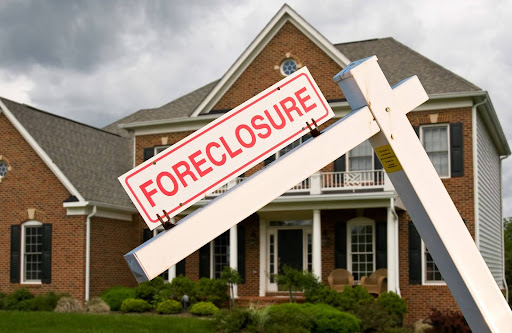
Non-payment has several consequences — including foreclosure. In other words, the association may take control of the property and sell it off to pay the unit owner’s debt. Foreclosures are often long and tedious, costly processes for both the unit owner and the association. 

Granted, this is often a last resort associations use to collect debts. Nonetheless, it’s a reality many people face when the situation becomes dire. Depending on the process and situation, it may take several months to years. 

Pay Your Condo Association Fees

The average condo association fees vary by region. In California, residents should expect to pay between $300 and $400 a month. These fees include upkeep, cleaning, utilities, reserves, and services. It’s essential to pay them so the community can have a more pleasant living experience. 

Personalized Property Management provides premier condo association management services across Southern California. Call us now at 760-325-9500 or visit our website to request a quote!

RELATED ARTICLES:

Should HOA Trim Trees In The Neighborhood?

peaceful community | california hoa laws

Homeowners associations in the Golden State must understand the different California HOA laws. These laws are specifically designed to govern HOA communities and ensure harmonious association living. They are essential to both homeowners and board members.

What are the State of California HOA Laws?

California HOA laws govern how homeowners associations operate and manage communities. These laws establish guidelines for board governance, homeowner rights, financial management, and more. California’s HOA laws aim to protect individual homeowners and the integrity of the community.

The primary set of laws governing HOAs in California falls under the Davis-Stirling Common Interest Development Act. However, additional laws, such as the Fair Employment and Housing Act, also impact HOAs. These regulations ensure that homeowners are treated fairly and that HOAs run smoothly.

Understanding these laws is crucial for HOA board members, as noncompliance can lead to legal issues and penalties. Homeowners should also familiarize themselves with these laws to understand their community rights and obligations.

The Importance of Understanding California HOA Laws

Both HOA boards and homeowners need to understand California HOA laws. Board members must ensure their actions comply with state requirements, while homeowners should know their rights to avoid violations.

California HOA laws cover everything from board election procedures and financial transparency to architectural guidelines and homeowner rights. Knowing these regulations allows HOAs to function without legal complications and helps maintain a fair and equitable living environment.

Failure to comply with these laws can result in fines, lawsuits, or the invalidation of board decisions. Therefore, understanding the legal framework is essential for preserving community harmony and protecting the interests of both the HOA and its members.

The Davis-Stirling Common Interest Development Act

The Davis-Stirling Common Interest Development Act is the cornerstone of California HOA laws. This act governs the creation, management, and dissolution of HOAs in common interest developments (CIDs), such as condominiums, townhomes, and planned unit developments.

The Davis-Stirling Act outlines rules for operating HOAs, including meeting requirements, voting, and maintaining financial records. It also covers homeowners’ rights to access association documents, dispute resolution processes, and guidelines for assessing and collecting dues.

One key provision of the Davis-Stirling Act requires HOAs to adopt open meeting policies. This ensures transparency and allows homeowners to participate in decision-making processes. The act also mandates annual budget disclosures, reserve fund planning, and election procedures.

The Fair Employment and Housing Act

The Fair Employment and Housing Act (FEHA) applies to HOAs regarding discrimination. FEHA prohibits discrimination in housing based on race, color, religion, sex, gender, national origin, disability, familial status, or other protected categories.

Homeowners associations must ensure that their rules and policies comply with FEHA. This includes rules related to renting units, selling properties, and accommodating disabled residents. Failure to adhere to FEHA’s requirements can result in legal action and penalties for the HOA.

For example, if an HOA denies a homeowner’s request to modify their unit for disability access, the HOA may face legal challenges under FEHA. As such, boards should review their policies regularly to ensure they align with this law.

California Corporations Code

Many California HOAs are incorporated as nonprofit mutual benefit corporations. Therefore, they must also comply with the California Corporations Code. This code governs the conduct of nonprofit corporations, including how HOAs hold meetings, elect directors, and maintain financial records.

The Corporations Code outlines the responsibilities of the board of directors, including fiduciary duties. All HOA boards must act in the community’s best interest and make decisions that benefit all members. The code also addresses procedures for amending governing documents and handling disputes within the association.

Specific HOA-Related Laws in California

The Davis-Stirling Act and Corporations Code cover a wide range of topics. However, some are more discussed than others. Here are the laws that board members commonly look up.

Solar Rights in California

installing solar panels | california hoa laws

California law protects homeowners’ rights to install solar energy systems on their properties. Civil Code Section 714 states that HOAs cannot prohibit or unreasonably restrict homeowners from installing solar panels. This law is designed to promote the use of renewable energy and reduce the state’s carbon footprint.

While HOAs can establish guidelines for the placement of solar panels, these guidelines must not increase the cost or reduce the system’s efficiency. Associations should ensure that their architectural review processes comply with this law to avoid disputes with homeowners.

Pet Rights in California

family and a dog | california hoa laws

California law limits how much HOAs can restrict pets in residential communities. HOAs can impose reasonable rules regarding the number, size, and type of pets allowed. However, they cannot ban pets altogether (Civil Code Section 4715).

Associations can enforce rules about noise, waste, and leash requirements, but outright bans on pets are generally unenforceable. Homeowners should be aware of their rights regarding pet ownership. Meanwhile, HOAs must ensure their pet policies are consistent with state laws.

Climate-Appropriate Landscaping Rights in California

California promotes water conservation by protecting homeowners’ rights to install drought-tolerant landscaping. According to Civil Code Section 4735, HOAs cannot prohibit or fine homeowners from replacing traditional lawns with climate-appropriate plants, including succulents and native vegetation. Homeowners can also request that HOAs reduce restrictions on irrigation and watering schedules to support water conservation efforts.

Does the Department of Real Estate Regulate HOAs in California?

The California Department of Real Estate (DRE) oversees certain aspects of HOA governance, particularly during the initial development of common interest communities. The DRE ensures that developers provide full disclosure to prospective buyers about the HOA’s governing documents and financial responsibilities.

Once the developer hands control of the HOA over to the homeowners, the DRE’s role diminishes. At this point, the HOA board and its members must adhere to the Davis-Stirling Act and other relevant laws. However, the DRE remains involved in matters concerning real estate transactions and disclosures related to HOAs.

New California HOA Laws 2024

Several new laws affecting California HOAs will go into effect in 2024. These laws address a range of issues, from financial transparency to housing equity. Boards should review and update their governing documents to ensure compliance.

Assembly Bill 648

AB 648 permits board meetings to be held via teleconference under specific conditions that ensure homeowners and board members can participate equally, similar to in-person meetings. Meeting notices must include clear instructions on how participants can join the teleconference.

Assembly Bill 1458

AB 1458 allows homeowners associations to reschedule meetings if a quorum is not reached, with a new date set within 5 to 30 days. During the rescheduled meeting, the quorum requirement is based on the number of members attending in person, by proxy, or through secret ballots.

Assembly Bill 1764

Effective January 1, 2024, AB 1764 enables associations to impose term limits for board members. The bill mandates disqualification for members exceeding these term limits, applying to current and prospective board members. Directors who are no longer HOA members will also be disqualified.

Assembly Bill 1572

AB 1572 extends the emergency rule restricting potable water use for non-functional turf in industrial, commercial, and institutional areas. Exceptions include community-use grass, trees, and residential lawns. Non-functional turf may still be irrigated with recycled water. The rule, initially set to expire in June 2023, was extended by the State Water Resource Control Board.

Assembly Bill 572

AB 572 caps the annual increase in regular assessments on deed-restricted affordable housing units in HOAs. Increases cannot exceed 5% of the previous year’s assessment or the cost-of-living increase, with a maximum of 10%. This applies to HOAs that record their original declaration on or after January 1, 2025.

Senate Bill 721

SB 721 mandates inspections of exterior elevated elements in multifamily residential buildings with three or more units. This regulation was introduced to improve safety following a fatal incident in Berkeley in 2015.

Assembly Bill 1033

Effective January 1, 2024, AB 1033 allows homeowners with an accessory dwelling unit (ADU) to split the lot and sell the ADU separately from the primary residence. The ADU can be converted into a condominium, subject to approval from the HOA, all mortgage holders, and the local government passing an ordinance allowing such sales.

Senate Bill 71

SB 71 raises the small claims limit for entities like HOAs to $6,250.

Senate Bill 428

Effective January 1, 2025, SB 428 expands the grounds for workplace restraining orders to include cases of harassment, unlawful violence, or credible threats of violence against employees.

Protecting Homeowner Rights and Reducing HOA Risk

California HOA laws provide a comprehensive framework for governing homeowners associations and protecting the rights of homeowners. HOAs can operate efficiently and foster harmonious communities by understanding and complying with these laws. Staying updated on new regulations ensures the protection of everyone’s rights and that associations remain in good standing with the law.

Personalized Property Management offers HOA management services around Southern California, including assistance with HOA governance. Call us at 760-325-9500 or email us at info@ppminternet.com for more information!

RELATED ARTICLES:

Is A Condo Association The Same As HOAs?

a condo | condo association

Many people confuse a condo association with a homeowners association. While they share similar functions, each operates under different rules and structures. Understanding these distinctions is essential for anyone considering living in a condominium or HOA.

What is a Condo Association?

A condo association, or a condominium owner association (COA), is a governing body that manages a condominium community. Its primary purpose is to oversee the maintenance, operation, and management of shared spaces within the condo complex, including common areas such as hallways, lobbies, swimming pools, and landscaping.

A condo association consists of unit owners within the condominium community. Each owner automatically becomes a member upon purchasing a unit. The association is responsible for enforcing the condo community’s rules and regulations. A governing document establishes these rules, typically including bylaws, covenants, conditions, and restrictions (CC&Rs).

Every condo association has a board of directors. These directors assume their positions through an election process, with votes from the unit owners. 

The condo board is responsible for making decisions related to the financial and operational management of the property. These duties include maintaining the building, collecting monthly dues from unit owners, and ensuring that the shared spaces are in good condition. Condo associations also handle reserve funds to cover future repair costs and improvements.

What is the Difference Between HOA and Condo Association in California?

In California, an association must manage a common interest development, including condo associations (Civil Code Section 4800). Although condo associations and HOAs have similar functions, they have notable differences. These differences center around ownership, maintenance, management, fee division, rules, and insurance.

1. Ownership

In a condo association, owners own their units individually but share ownership of common areas. Common areas may include hallways, lobbies, gyms, and swimming pools. 

In contrast, in an HOA, residents own their homes and the land around them. HOA members typically have more direct ownership of the external areas surrounding their homes, such as yards and driveways.

The ownership structure directly impacts how maintenance and repair responsibilities are divided between the association and the owners.

2. Maintenance

painters painting a building | condo association

A condo association is responsible for maintaining all shared common areas, including exterior structures, parking lots, and recreational facilities. Individual condo owners are only responsible for maintaining the interiors of their own units. 

In an HOA, homeowners are responsible for maintaining their homes and privately owned land. Meanwhile, the HOA manages shared community spaces like parks, pools, and roads. The level of maintenance varies significantly between the two, with condo associations generally having more control over the physical upkeep of the property.

3. Management

A condo association often relies on a condo management company to assist with the community’s day-to-day operations. This company handles tasks like collecting dues, managing budgets, hiring maintenance staff, and resolving resident concerns.

The management structure of HOAs can be similar. The HOA board oversees general operations, often with the assistance of an HOA management company. However, HOA boards may take a more active role in directly managing their communities, particularly in smaller developments.

4. Fee Division

One of the major differences between a condo association and an HOA is the method of calculating fees. 

Condo associations typically charge higher monthly fees since the association handles a larger portion of property maintenance. These include exterior repairs, landscaping, and even utilities in some cases. Additionally, fees can vary depending on the unit size, with larger units sometimes paying a larger percentage.

In contrast, HOA fees tend to be lower since homeowners are responsible for home maintenance and exterior upkeep. HOA fees usually cover community-wide amenities like pools, clubhouses, or common area landscaping. More often than not, homeowners pay the same fee regardless of property size. However, some communities also follow the size-to-percentage rule.

5. Rules

Both condo associations and HOAs enforce rules to maintain the community’s appearance and ensure harmonious living. Condo associations typically have stricter rules because of the shared nature of the property. These rules might dictate what unit owners can do to their exterior walls or balconies. Given how close units are to each other, COAs also emphasize rules concerning noise, occupancy, and pets.

Homeowners associations also have rules, but they tend to focus more on the exterior of homes and community-wide regulations. Rules in HOAs often pertain to landscaping, parking, and the appearance of homes.

6. Insurance

protecting a miniature building | condo association

Another key difference between a condo association and an HOA is how insurance works. Condo owners need to purchase insurance policies for the interior of their units, including personal belongings and fixtures. The condo association is responsible for insuring the building’s exterior and common areas.

In an HOA, homeowners are responsible for insuring their entire property, including both the interior and exterior of their home. The HOA typically only maintains insurance for shared amenities and common spaces.

Is Membership in a COA Mandatory?

Yes, membership in a condo association is mandatory for all condo unit owners. When someone purchases a condo unit, they automatically become a member of the condo association. Therefore, they are required to follow its rules. 

This membership also comes with certain responsibilities. Some examples include paying monthly or annual association fees, adhering to community regulations, and participating in any association votes.

Failure to pay dues or comply with the condominium association rules can result in penalties. These include fines, liens on the property, or legal action. Unit owners may also lose access to certain community amenities and privileges if they fail to meet their obligations to the association.

Benefits of Condo Association Living

Condo associations offer residents many benefits, making this form of community living appealing.

1. Shared Maintenance Responsibilities

One of the most significant benefits of living in a condo association is the shared maintenance responsibilities. The condo association handles all external maintenance, such as landscaping, snow removal, and common area repairs, relieving individual unit owners of the burden of maintaining the building’s exterior.

Owners also don’t have to worry about major repairs like roof replacements or exterior painting. The association manages these tasks, ensuring that the entire property is well-maintained without individual owners bearing full responsibility.

2. Access to Amenities

Many condo associations offer a range of amenities that residents can enjoy. These amenities can include swimming pools, fitness centers, clubhouses, and tennis courts. Access to these amenities adds value to condo living. They offer a convenient way for residents to enjoy recreational activities without leaving their community.

3. Enhanced Security

security expert | condo association

Living in a condo association often comes with enhanced security features. Many condo communities are gated or have security personnel monitoring the premises. Additionally, shared entrances and communal areas help reduce the likelihood of unauthorized people entering the property.

Security features like surveillance cameras and controlled access points are common in condo buildings. These measures provide residents with peace of mind, knowing that their community is secure.

4. A Strong Sense of Community

Condo associations foster a strong sense of community among residents. Since unit owners share common spaces and amenities, they have more opportunities to interact and build relationships with their neighbors. Social events organized by the condo association, such as holiday gatherings or community meetings, further encourage a sense of camaraderie.

Living in a close-knit community can provide a support system for residents and create a more enjoyable living environment. Residents may feel more connected to their neighbors, improving their overall living experience.

5. Professional Condo Management

Another benefit of living in a condominium association is professional management. Condo management companies handle tasks such as maintenance, repairs, budgeting, and owner communication. This takes much of the administrative burden off individual unit owners and board members.

Having a professional condo management company ensures that the property runs efficiently. Condo managers can also promptly address any issues that may arise. This level of professionalism helps keep the community running smoothly and ensures that standards remain high.

6. Property Value Preservation

Condo associations help maintain property values by enforcing community rules and ensuring the property is well-maintained. The collective efforts of the condo association to preserve the exterior of the building and common areas contribute to the overall appearance and attractiveness of the community.

By maintaining high standards and ensuring that the property remains in good condition, condo associations can help protect the long-term value of each unit. This benefits all owners, as a well-maintained property is more likely to retain or increase its value over time. Owners can then get a sizable return on their investment.

Making an Informed Decision

A condo association is similar to a homeowners association in many ways. However, as you can see, there are also key differences. Potential buyers should understand how COAs and HOAs operate and what makes them different from each other. This way, they can make an informed decision on their purchase. 

Personalized Property Management offers condominium association management services around Southern California. Call us at 760-325-9500 or email us at info@ppminternet.com for more information!

RELATED ARTICLES:

HOA Audits Explained: Best Practices for Financial Accountability

woman doing some calculations | hoa audit

Homeowners associations rely on financial transparency and accountability to maintain trust with residents. One of the best ways to ensure financial accuracy is by conducting regular audits. An HOA audit provides a clear view of an association’s financial health and safeguards the community from potential mismanagement.

What is an HOA Audit?

An HOA audit is an in-depth financial examination conducted by a licensed, certified public accountant (CPA). The CPA carefully reviews the association’s financial records, bank statements, income, expenses, and financial management practices during an audit. The goal of an audit is to verify the accuracy of the HOA’s financial statements and ensure they comply with legal standards and generally accepted accounting principles (GAAP).

An audit is not just a simple review of financial data. It involves a detailed analysis to identify discrepancies, errors, or instances of fraud. The auditor examines the HOA’s internal controls, ensuring that checks and balances are in place to prevent mismanagement. This process also confirms that the HOA’s financial activities align with its budget and governing documents.

In addition to verifying financial accuracy, an audit can help the board spot potential areas of financial inefficiency. For example, it can reveal if the HOA is overspending in certain areas or if there are opportunities to reduce costs. Identifying and addressing these issues early can prevent financial problems from escalating.

Audits also serve as a form of financial protection for the board members. Since board members have fiduciary responsibilities, an audit helps prove they are fulfilling their duties in responsible financial management. By having an independent CPA review financial statements, the board can show that they act in good faith and follow proper procedures.

The Importance of a Homeowners Association Audit

Regular audits are crucial for maintaining financial accountability within an HOA. One of the primary benefits of an audit is the confidence it provides to homeowners. When residents know that a third-party professional has reviewed the HOA’s financial records, they can trust that their association dues are being used properly. This transparency helps foster a stronger sense of community and trust between the board and homeowners.

Audits also help protect the HOA from legal and financial risks. An accurate audit reduces the risk of financial mismanagement or fraud. If an HOA’s finances are ever questioned, having audit reports on hand can protect the association from potential lawsuits. Additionally, audits help ensure compliance with local, state, and federal laws and the association’s governing documents.

In some states, such as California, HOAs are required by law to perform regular audits if they exceed certain financial thresholds. Failing to comply with these audit requirements can result in fines, penalties, or legal action against the HOA. Thus, conducting timely audits is an industry practice and a legal requirement in some jurisdictions.

Another important aspect of HOA audits is that they provide valuable insights into the association’s financial health. By reviewing the HOA’s financial position, an audit can help the board make informed decisions. For example, an audit might reveal that reserve funds are underfunded or that maintenance expenses are rising faster than anticipated. The HOA can better plan for the future and avoid financial pitfalls by addressing these issues.

Types of HOA Audits

There are three primary types of audits that HOAs can choose from, each offering a different level of scrutiny: audit, review, and compilation. The type of audit an HOA selects will depend on its size, budget, and financial needs.

1. Audit

An audit is the most thorough and comprehensive financial review. During an audit, the CPA verifies financial transactions, reviews internal controls, and performs tests to ensure accuracy. The auditor may also look for potential signs of fraud or financial mismanagement. Once the audit is complete, the CPA provides a detailed report, including their findings and recommended improvements.

Audits provide the highest level of financial assurance but are also the most expensive type of review. This type of audit is best suited for large associations or those with complex financial structures. An audit may not be necessary for smaller HOAs with limited transactions, but it can still offer peace of mind.

2. Review

A review is a less rigorous financial examination than an audit. The CPA will analyze the association’s financial statements to check for obvious inconsistencies or problems. However, unlike an audit, the CPA does not perform detailed testing or verification of transactions.

Reviews are more affordable than audits. Therefore, they are ideal for medium-sized HOAs that want some financial scrutiny without the full cost of an audit.

While a review offers less assurance than an audit, it can still provide a reasonable level of financial oversight. Reviews help identify glaring issues and confirm that financial statements are accurate at the surface level.

3. Compilation

A compilation is the least comprehensive type of financial review. During a compilation, the CPA compiles financial data provided by the HOA but needs to verify the information or check for accuracy. Compilations are generally the cheapest option but offer the lowest level of financial assurance.

Compilations are appropriate for very small HOAs with straightforward financial transactions. However, since the CPA does not verify the accuracy of the financial data, a compilation may need to provide more assurance for larger or more complex associations.

Inhouse vs. Outsourced HOA Audit: Which is Better?

team discussion | hoa audit

HOAs have two options for conducting audits: they can handle the process in-house or outsource the audit to an external CPA firm. Each approach has its own set of pros and cons.

In-House Audit

Typically, the HOA board conducts the in-house audit. However, the board may delegate this responsibility to an HOA audit committee.

This approach can save money, as the association does not have to hire an external CPA. However, conducting an internal audit can raise concerns about bias or conflicts of interest. Board members may not have the necessary accounting skills to conduct a thorough audit, and their personal involvement in financial decisions could affect the objectivity of the audit.

Additionally, internal audits may not meet the same professional standards as those conducted by a licensed CPA. If homeowners do not trust the results of an in-house audit, it could lead to disputes or loss of confidence in the board’s financial management.

Outsourced Audit

Outsourcing the audit to an external CPA provides the highest assurance and objectivity. A CPA is trained to identify financial discrepancies, errors, or fraud. Therefore, they will ensure the audit follows professional standards. The HOA can demonstrate to homeowners that it is committed to transparency and accountability by hiring an external auditor.

While outsourcing is more expensive, many associations find the investment worth the cost. An independent, unbiased audit can help protect the HOA from financial risks and build trust within the community. Additionally, having a third-party CPA conduct the audit can provide valuable insights that the board might need to gain the expertise to identify.

California HOA Audit Requirements

In California, HOAs must follow specific audit regulations outlined in the Davis-Stirling Act. According to this law, any association with annual gross revenues exceeding $75,000 must review its financial statements. This requirement applies regardless of the association’s size or complexity of finances.

Furthermore, a licensed CPA must conduct the financial review. The results must be made available to all homeowners within 120 days of the end of the HOA’s fiscal year. This rule ensures that homeowners remain informed about the association’s financial condition.

While the Davis-Stirling Act sets minimum audit requirements, some HOAs may have stricter audit provisions in their governing documents. If an HOA’s documents require an audit, the board must hire a CPA.

California HOAs should review their bylaws and CC&Rs to ensure they are meeting their legal and internal audit obligations. Failure to comply with audit requirements can result in penalties or legal action. To avoid these consequences, California HOAs must stay up-to-date with state laws and their own governing documents.

How Much Does an HOA Audit Cost?

The cost of an HOA audit depends on several factors, including the size of the association, the type of audit, and the complexity of its finances. A full audit typically costs between $5,000 and $10,000. Reviews are less expensive, ranging from $2,000 to $4,000. Compilations are the most affordable option, often costing under $2,000.

Larger HOAs with complex financial structures may face higher audit costs. However, it is important to view the cost of an audit as an investment in the association’s financial health. A comprehensive audit can prevent costly financial disputes or legal issues.

One way to reduce audit costs is to ensure that financial records are well-organized and up-to-date. The more organized the HOA’s financial data is, the less time the auditor will need to review documents. Thus, the HOA can lower the overall cost of the audit.

Some HOAs may also be eligible for discounted audit services if they hire the same CPA firm to conduct multiple audits over several years. Building a long-term relationship with a CPA can provide continuity and help reduce audit costs.

The Final Word

An HOA audit is a crucial tool for maintaining financial accountability and transparency. Whether an HOA chooses an audit, review, or compilation, regular financial oversight helps protect the association from potential financial mismanagement.

Personalized Property Management offers HOA accounting services around Southern California. Call us at 760-325-9500 or email us at info@ppminternet.com for more information!

RELATED ARTICLES: