New Homeowner Orientation: Why HOA Orientation Programs Matter

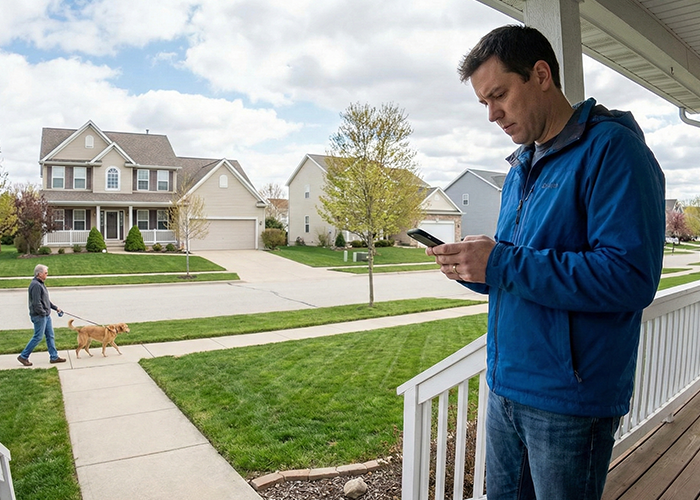
Moving into a new community can feel exciting and overwhelming at the same time. A well-planned new homeowner orientation helps residents understand how their HOA works while making them feel welcome from the start.

When new owners know the rules, amenities, and expectations early on, communities run smoother. Orientation programs create clarity, build trust, and help homeowners feel like part of the neighborhood.

Why New Homeowner Orientation Matters in HOA Communities

A new homeowner orientation serves as the bridge between new residents and the community they just joined. While buyers often receive documents during closing, many never take the time to fully read or understand them.

Orientation gives boards and management companies a chance to explain things in plain language. Instead of confusion or misunderstandings later, homeowners start their journey with a clear picture of how the association operates.

It also creates a more welcoming environment. A new resident who feels informed is far more likely to participate in meetings, respect the rules, and contribute positively to the neighborhood.

Many communities skip this step, but those that implement it often notice fewer violations and fewer complaints. Communication early on simply prevents many common problems.


What a New Homeowner Orientation Should Cover

HOA homeowner orientation guide

Orientation meetings do not need to be complicated or lengthy. The goal is to introduce the essentials and answer the most common questions.

A thoughtful session often includes topics like:

  • Overview of the HOA structure
    Explain how the board operates, the role of committees, and how management companies assist with daily operations.
  • Community rules and governing documents
    New owners should understand the basics of CC&Rs, architectural guidelines, and community standards.
  • Amenity usage and reservation policies
    Residents need clear instructions on how to use shared spaces such as pools, clubhouses, and parks.
  • Maintenance responsibilities
    Clarify what the HOA maintains versus what homeowners must handle themselves.
  • Communication channels
    Explain how residents can submit requests, report issues, or contact management.

When homeowners understand these topics early, misunderstandings are less likely to occur later.


Setting the Right Tone During Orientation

An orientation session should never feel like a lecture about rules. Instead, it should feel like a welcome into the community.

Boards and managers should focus on conversation rather than enforcement. The tone should emphasize that the HOA exists to maintain property values, support shared amenities, and promote a pleasant living environment.

Residents often arrive with questions or concerns based on stories they have heard about HOAs. Orientation provides the opportunity to address those concerns calmly and transparently.

When homeowners feel respected and included, they become more cooperative and engaged.


When to Schedule a New Homeowner Orientation

HOA homeowner orientation guide

Timing plays a large role in whether orientation programs succeed. If meetings are scheduled too late, homeowners may already have formed misconceptions about the community.

Most associations choose one of the following options:

  • Short orientation sessions scheduled quarterly or monthly
  • A welcome meeting offered shortly after closing
  • Digital orientation materials provided immediately after purchase

Flexibility helps accommodate different schedules. Some communities host small in-person meetings, while others provide virtual sessions or recorded presentations.

The goal is simple. Make it easy for new residents to learn about their HOA.


Creating a Helpful Welcome Packet

A welcome packet is often the first official introduction to the community. When designed thoughtfully, it becomes a valuable reference for new homeowners.

Most HOA welcome packets include items such as:

  • Contact information for management and board members
  • Key community rules and policies
  • Amenity access instructions
  • Trash and recycling schedules
  • Architectural request forms
  • Community event information

These packets do not need to be overly detailed. Clear, organized information makes a stronger impact than long legal explanations.

Some associations also include a short welcome letter from the board. This small gesture helps create a friendlier first impression.


How HOA Management Companies Help With Orientation

HOA homeowner orientation guide

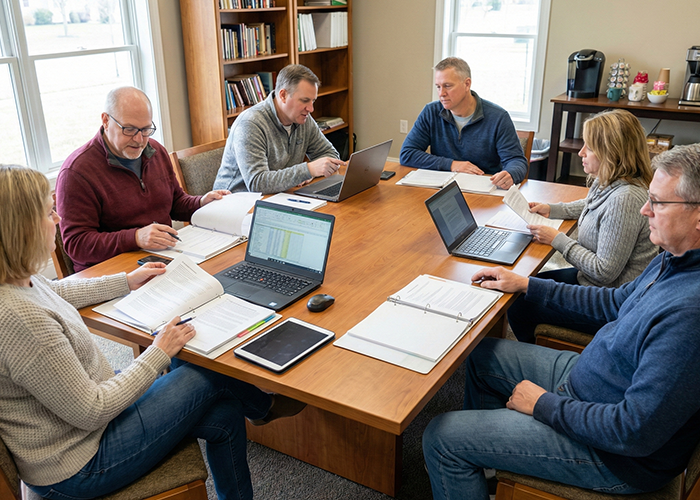
Many HOA boards operate with limited time and resources. This is where professional management companies can provide valuable support.

Management teams often assist with organizing orientation sessions, preparing welcome packets, and answering homeowner questions. They also help ensure the information shared during orientation aligns with governing documents and policies.

Because managers interact with residents regularly, they understand the most common areas of confusion. This insight helps shape orientation programs that address real concerns.

Working with a management company also keeps communication consistent. New homeowners receive the same information regardless of who delivers the orientation.


Making Orientation Engaging and Easy to Understand

Orientation works best when information is presented clearly and simply. Legal language can be confusing, especially for first-time homeowners.

Many communities improve their orientation programs by using simple communication tools:

  • Visual guides for amenity rules
  • Easy-to-read summaries of governing documents
  • Short presentations explaining community structure
  • Q&A sessions where homeowners can ask questions

These approaches help residents absorb information more effectively.

A relaxed and friendly environment also encourages participation. Homeowners who feel comfortable asking questions are more likely to leave the meeting with confidence.


Encouraging Community Involvement From Day One
HOA homeowner orientation guide

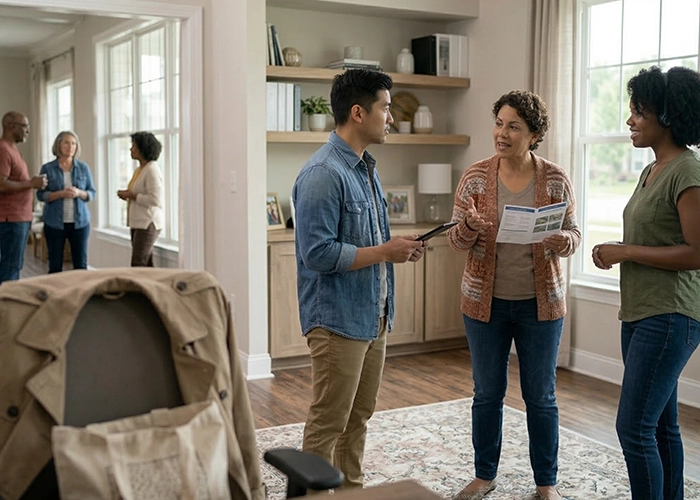
Orientation can also serve as the first step toward greater community involvement. Many residents want to contribute but are unsure how.

During orientation, boards can explain opportunities such as volunteering for committees, attending meetings, or helping with community events.

When residents see that the HOA values participation, they often become more invested in the neighborhood’s success.

Stronger involvement benefits everyone. Communities with active homeowners typically experience better communication, improved maintenance oversight, and a stronger sense of neighborhood pride.


Common Mistakes to Avoid With New Homeowner Orientation

Even well-intentioned orientation programs can fall short if they focus too heavily on rules or administrative details.

A few common mistakes include:

  • Overloading homeowners with too much information at once
  • Using overly technical or legal language
  • Skipping the welcoming aspect of the meeting
  • Failing to provide written resources after the session

Orientation should feel informative, not overwhelming.

Keeping the conversation simple and practical ensures homeowners leave with a clear understanding of the most important community guidelines.


Building Strong Communities Through Better Orientation

A thoughtful new homeowner orientation helps set the tone for a positive relationship between residents and their HOA. When homeowners feel informed and welcomed, they are far more likely to respect the community and participate in its success.

By investing a little time in orientation, associations can prevent confusion, strengthen communication, and create a more connected neighborhood.

Welcoming new residents the right way makes a lasting difference in your community. A clear orientation process helps homeowners understand expectations and feel confident in their new neighborhood.

If your association wants to improve communication and build stronger relationships with residents, Personalized Property Management can help make it happen.


Related Articles

Why Digital Communication Tools are Essential for Modern HOA Success

Board members often struggle with the challenge of keeping everyone informed without dedicating their entire evenings to phone calls. Modern digital platforms offer a practical solution to this problem.

Embracing Digital Communication Tools for a Modern Community

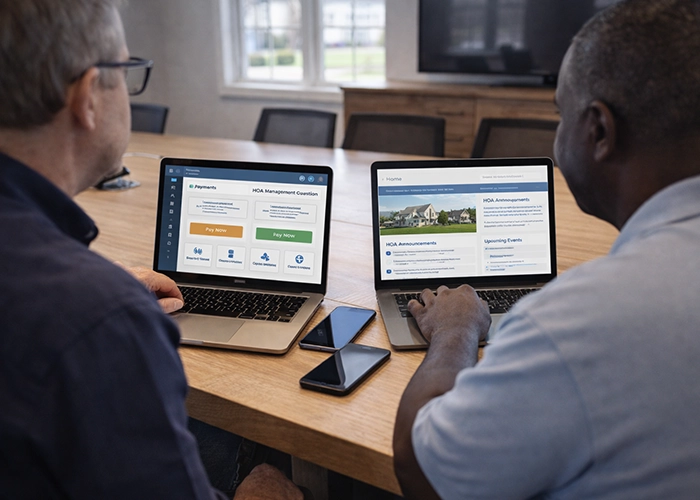
A homeowners association functions well when the board and residents share information openly. Many neighborhoods continue to use paper flyers or casual conversations which frequently result in people missing important updates. Digital communication tools solve this problem by creating one central location for all official matters. This change helps owners access what they need while allowing directors to use their time more efficiently.

When everyone uses the same platform for requests and notices, efficiency increases. Boards can send routine reminders or emergency alerts with a few clicks thanks to digital systems. For urgent situations like pool closures or unplanned road repairs, this speed is essential. These tools provide a transparent record of what was shared and when it was sent, in addition to speed.

Community morale often rises when transparency becomes a priority. Residents who feel informed are less likely to experience frustration or confusion regarding new policies. Digital platforms provide a space for residents to view governing documents or check their account balances at any hour. This accessibility builds trust and shows that the association is being managed with care.

Choosing the Best Software for Your Association

digital communication apps

Choosing the right platform comes down to how big your community is and what you can afford to spend. Some boards like software that handles everything in one place including payments & maintenance requests. Other communities do just fine with basic email and a simple website that gets the job done. What matters most is picking something residents will actually want to use instead of something so complicated it scares them away.

Ease of use should be the top priority when selecting a tool. If the platform is too difficult to navigate then homeowners will not adopt it. The interface needs to work well on mobile devices because most people check their messages on phones. A clean design helps ensure that important announcements do not get lost in cluttered layouts.

Another element that the board cannot overlook is security. Strong encryption is required because these platforms frequently handle financial data and personal contact information. To safeguard community data, confirm that the software provider provides dependable support and frequent updates. Residents can view private association files with confidence thanks to a secure system.

Streamlining Board Workflows with Online Portals

digital communication apps

Online portals function as a digital workspace for board members and management teams. Directors can instantly retrieve meeting minutes and vendor contracts without searching through paper files. This system keeps tasks organized & protects important information when board members change. Digital records preserve the community’s history for many years into the future.

Portals make the architectural review process easier for homeowners and committee members alike. Owners can upload photos and project plans straight to the platform and get quicker feedback. Committee members can review these submissions and vote on them using the same system. Having everything in one digital space cuts down on the endless email chains that usually delay basic home improvement projects.

These specialized online spaces significantly improve financial transparency. Before meetings, residents can review monthly financial reports and budget drafts posted by boards. This proactive strategy keeps meetings on track and lowers the volume of questions during open sessions. Owners frequently feel more invested in the success of the community when they can see where their money is going.

Enhancing Resident Engagement Through Mobile Apps

digital communication apps

Mobile applications have become the normal way for modern communities to stay connected. Most residents like having a community directory and event calendar available on their phones. Push notifications work well for urgent reminders because people see them right away. This direct communication method works much better than an email that could end up in a spam folder

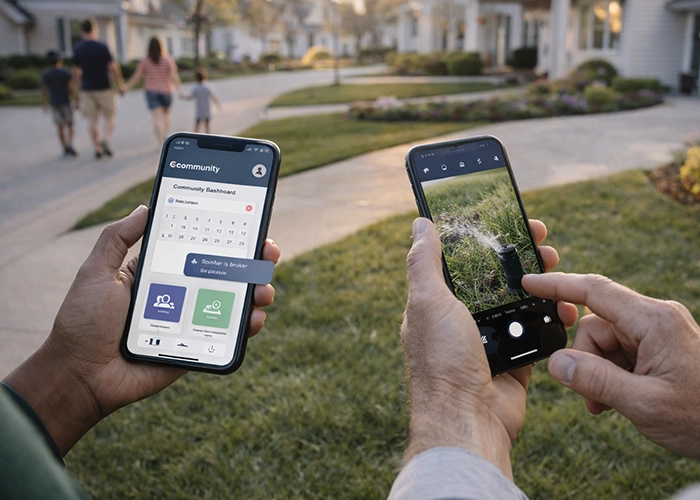
Apps let residents report maintenance problems as soon as they notice them. Someone can snap a picture of a broken sprinkler or a streetlight that stopped working & send it to management right away. This helps the association fix things quickly before they turn into bigger and more costly issues. When problems get handled fast it shows residents that people are listening to them and taking care of the property.

Social features in an app let neighbors connect safely in a moderated space. These tools help people feel like they belong whether someone posts about a lost pet or asks for volunteers. The board can create polls to collect opinions about possible community projects or improvements to amenities. Getting input from more residents helps make better choices that represent everyone in the neighborhood.

Balancing Privacy and Accessibility in Online Forums

digital communication apps

Forums and message boards work well for building community discussion. They need clear rules to stay positive for everyone. The board should create a code of conduct that promotes respectful conversation & stops personal attacks. Good moderation keeps these forums focused on topics that matter to the community.

Accessibility needs attention to make sure everyone can participate in the digital transition. Most residents use the internet but some people still want or need traditional ways to communicate. An effective strategy relies on digital tools for most tasks but maintains paper alternatives for anyone who requires them. This balanced method keeps all homeowners informed no matter what their technology abilities are.

Privacy settings help the board decide who can view certain information. Public websites work well for showing the community to people who might want to buy property there. However private portals should handle internal business matters. Areas that require passwords keep sensitive discussions & documents hidden from the general public. This approach protects the association’s reputation and meets the needs of its members.

Navigating the Legal Requirements of Digital Notices

digital communication apps

State laws typically control when digital communication can be used for official notices. In most places residents need to agree before they can receive electronic notices about annual meetings or assessment changes. The board should work with a lawyer to make sure their digital approach follows local laws. Keeping good records of these agreements helps prevent legal problems down the road.

Email continues to be a main communication tool but it needs to be handled properly to have legal weight. Associations should maintain thorough documentation of all sent messages along with proof of delivery as part of their official files. Board members should use a specific association email address rather than personal accounts when conducting board business. This approach helps maintain clear boundaries between personal and professional matters. It also simplifies the transition process when a director completes their term and needs to transfer account access to their successor.

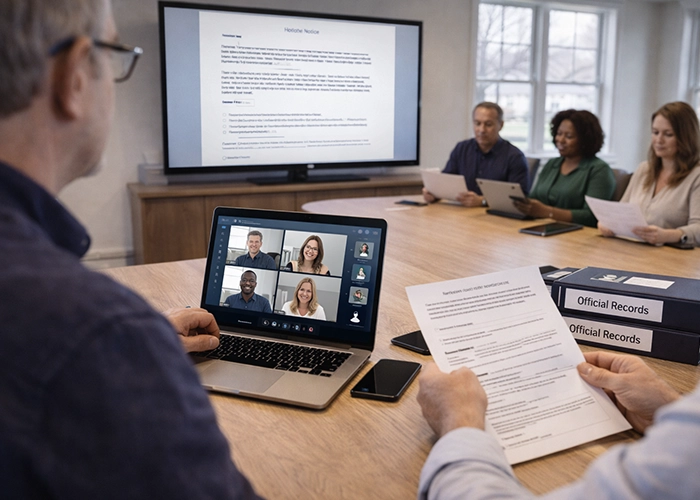
Board meetings work better when you use digital tools like video conferencing. Many boards now meet in person again but a hybrid approach brings more people to meetings. When residents can join online it helps busy families and owners who live elsewhere take part. Higher participation usually means the community gets a wider range of voices and opinions.

Future Proofing Your Association with Better Tech

Technology changes quickly and associations need to stay ready to adapt. You should review your communication tools every few years to make sure you are using the best options available. Resident feedback helps you understand what works well and what causes frustration in your current system. When you take a flexible approach the board can replace tools that no longer serve the community effectively.

Training plays an essential role when implementing any new digital system. Organizing a short workshop or creating straightforward instructional guides helps residents become more at ease with a new application. Board members require training as well so they can demonstrate proper usage and operate the tools efficiently. When leadership adopts the technology the rest of the community typically does the same.

Digital communication tools aim to make community life easier and more pleasant. When these tools reduce paperwork and administrative tasks for volunteers board members can spend more time on future planning. Residents get faster responses from management & can find important information without hassle. Choosing the right technology means investing in a healthier neighborhood for years to come.

Strengthening the Community Connection

Modern tools create opportunities for better connection and transparency in your association. Easy communication helps the entire neighborhood experience reduced stress and improved cooperation. Setting up these systems today will save significant time for both the board and residents down the road. A community where everyone stays informed tends to be a happier place for all who live there.

Need help improving how your HOA communicates? Personalized Property Management supports boards with modern tools and organized processes that save time and reduce complaints. Call us at 760-325-9500 or Contact us to get started!


Related Articles:

HOA Communication Tools for the Modern Community

A lot of HOA frustration starts with a simple problem: residents miss the message, or they never trusted the message source in the first place. The right HOA communication tools help boards share updates clearly, cut down repeat questions, and keep the community in the loop without turning every week into a fire drill.

HOA Communication Tools That Residents Actually Check

Modern communities run on a mix of channels, not a single “official” inbox. The best HOA communication tools meet residents where they already are, while still keeping the board in control of the message.

A quick reality check helps at the start. Residents tend to read what feels relevant, timely, and easy to find again later. Too many blasts, too many platforms, or too many logins can make people tune out.

Consistency matters just as much as convenience. One main “source of truth” should exist for documents, policies, and board updates, even if reminders go out by email or text.

A Home Base for Every Message

HOA communication plan

A central hub keeps communication from turning into a scavenger hunt. A community website or resident portal works well when it stays current, organized, and simple to navigate.

The same hub can hold board-approved notices, meeting info, governing documents, FAQs, and common forms. Fewer “Can you resend that?” emails show up when residents know exactly where to look.

Clean contact records support that setup. Updated emails, mailing addresses, and phone numbers should be treated like basic community infrastructure, not an afterthought.

Email That Feels Less Like Spam

Email still carries a lot of HOA communication, mainly because it’s familiar and searchable. Clear subject lines and short messages usually get better results than long updates packed with side notes.

A steady cadence keeps residents from feeling blindsided. Monthly roundups, brief meeting reminders, and targeted maintenance notices land better than random bursts that arrive only when something goes wrong.

A little structure helps every time. One topic per email, a clear action step when needed, and a link-free note telling residents where to find details inside the community hub can go a long way.

Text Alerts When Minutes Matter

HOA communication solutions

Some updates should not sit in an inbox for two days. Text alerts work best for time-sensitive items like water shutoffs, gate issues, weather closures, or urgent safety reminders.

Restraint keeps texts effective. A phone buzz should mean something important, not a casual announcement that could have waited for the next email.

Opt-ins and privacy deserve attention here. Residents should know what types of texts to expect, who sends them, and how their numbers are protected.

Portals That Reduce Repeat Questions

A well-run portal cuts down the back-and-forth that drains board and manager time. Many HOA communication tools include portals that handle routine tasks like dues reminders, document access, maintenance requests, and architectural submissions in one place.

Fewer loose ends show up when requests are tracked inside a single system. Status updates, timestamps, and message threads keep everyone aligned, especially when a project spans multiple weeks.

The right fit depends on the community’s needs, not the fanciest feature list. Many boards compare HOA communication solutions by looking at ease of use, support quality, mobile access, and how well the system handles real-life tasks like approvals and work orders.

Board Work That Stays Organized

HOA communication plan

Resident-facing communication is only half the story. Board operations improve when internal notes, drafts, and tasks stay in one shared place.

A private board workspace helps with agendas, minutes drafts, committee updates, and vendor follow-ups. Less confusion tends to follow when one record exists for decisions and next steps.

Clean boundaries protect the process. Board discussions belong in official channels, not personal email chains or text threads that disappear or get forwarded.

Meetings That Reach More People

Attendance usually improves when meetings are easier to join. Hybrid options can help, especially for residents who travel, work nights, or handle childcare during typical meeting times.

Clarity sets the tone before the meeting begins. Agenda timing, topic summaries, and instructions for submitting questions can reduce side conversations and keep the session focused.

Follow-through matters afterward. Short recaps, posted minutes, and a simple “here’s what was decided” update build confidence over time.

Social Media With Clear Boundaries

HOA communication solutions

Social platforms can support community connection, yet they can also turn into rumor factories. Clear ground rules keep social media useful without letting it replace official channels.

A board-approved policy should spell out what belongs there and what does not. Official notices, rule enforcement, and account-specific issues usually belong in controlled communication channels.

Moderation protects neighbors from needless conflict. A consistent approach to comments, tone, and respectful behavior helps prevent the space from becoming a complaints-only feed.

When Paper Still Wins

Digital tools help most residents, but not all residents. Printed notices, mailed updates, and posted bulletin boards still matter in communities with older homeowners or limited internet access.

Compliance can be a factor, too. Some notices may need physical delivery depending on governing documents and state requirements, so paper should not be treated as outdated by default.

A simple approach works best here. Short mailed notices for major items and posted signage for near-term disruptions keep residents informed without creating extra clutter.

Turning Tools Into Routine

HOA communication plan

Great tools can still fail in day-to-day use without clear ownership. A written HOA communication plan helps define who sends what, which channels are used for which topics, and how often residents can expect updates.

Shared standards keep messages from sounding scattered. A consistent tone, simple templates, and a basic review process reduce errors and reduce heated replies caused by unclear wording.

Feedback closes the loop. Periodic surveys, a predictable Q&A process, and small adjustments over time help HOA communication tools stay effective as the community changes.

A Clearer Signal

Better communication usually shows up in smaller ways first: fewer repeat emails, calmer meetings, and fewer residents saying they “never heard about it.” With steady habits and the right mix of channels, HOA communication tools can support a community that feels more informed and easier to manage.


Related Articles: