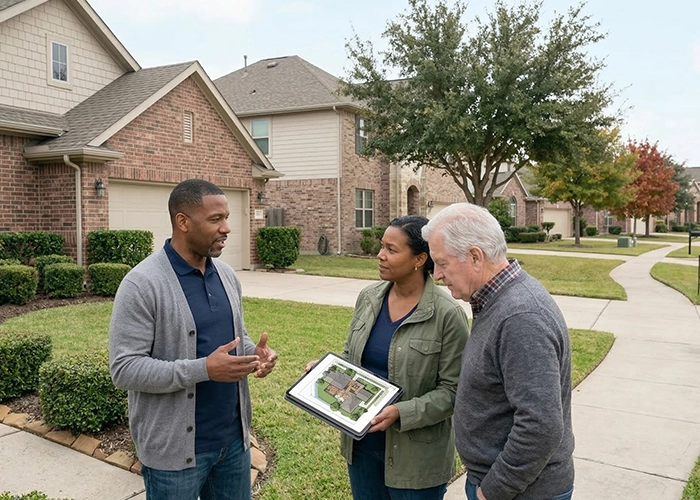
Money questions can feel personal in a community, even when the numbers are straightforward. An HOA finance committee helps keep those conversations calm, consistent, and grounded in facts.
HOA Finance Committee Basics
An HOA finance committee is a volunteer group that supports the board by reviewing financial information and offering recommendations. Clearer financial decisions tend to follow when the same set of eyes reviews reports month after month.
Most committees focus on oversight, planning, and process. Day-to-day management work usually stays with the manager or bookkeeper, while board votes remain the final word.
The value is often practical. Fewer surprises show up, and budget decisions become easier to explain.
Where Authority Really Lives
Board authority does not shift just because a committee exists. A committee advises, and the board decides.
A clean line should also exist between oversight and operations. Vendor scheduling, invoice entry, and homeowner account handling typically sit with management, while the committee focuses on review and patterns.
A treasurer often acts as the bridge. The board still benefits when the full committee can support that role with steady review and clear notes.
What the Committee Should Own
A strong scope keeps meetings useful. Financial review, budget planning support, reserve planning support, and policy recommendations are common areas that fit well.
Process improvement can also belong in the lane. A committee can propose better approval steps, better reporting format, or better tracking for renewals and projects.
The agenda should stay focused on outcomes. Better questions are often the best product of an HOA finance committee, especially when the board is making a tough call.
Right People, Right Fit

Numbers skills help, but temperament matters more than many boards expect. Calm, consistent volunteers tend to make a committee feel safe for everyone involved.
A range of experience can work well. Someone with accounting comfort, someone with contract and bid experience, and someone who understands the community’s priorities can form a balanced group.
Conflict of interest screening should be taken seriously. Vendor relationships, family ties to vendors, or recurring personal disputes can put the committee in a bad spot fast.
Committee Size and Terms
A small group is easier to manage. Three to five members often provides enough coverage without creating long meetings.
Term structure helps with continuity. One-year terms with the option to renew can keep the bench active while protecting institutional knowledge.
A chair role adds stability. The chair can set agendas, keep minutes, and make sure recommendations are delivered in a consistent format.
A Charter That Prevents Confusion

A short charter can prevent most misunderstandings. Scope, authority, confidentiality, and reporting expectations should be written down.
Confidentiality deserves special attention. Delinquency details, homeowner information, and banking access should be limited and handled with care.
Meeting expectations belong in the same document. Agenda timing, document distribution, and a standard recommendation format can keep the committee from drifting into open-ended debate.
Meeting Rhythm That Feels Sustainable
A predictable schedule makes the work lighter. Monthly meetings work well for many associations, especially in communities with active projects or tight cash flow.
Shorter meetings are easier to protect. A focused agenda and a time limit can keep the conversation productive.
Clear minutes matter even when the committee only advises. A simple record of what was reviewed, what questions were raised, and what was recommended protects everyone.
Financial Statements Without the Fog

Financial statements can feel intimidating until they become familiar. A committee can make them approachable by focusing on what each report is meant to show.
The income and expense statement tells the monthly story. Budget vs actual variances show where spending drifted and where income fell short.
The balance sheet shows the association’s position. Cash balances, reserves, payables, and receivables can reveal problems that the income statement may not show.
Variances That Deserve Attention
Variance review should not be a blame exercise. A variance is usually a signal, not a verdict.
Certain questions can guide a calm review. A one-time charge is different from a recurring overage, and a delayed invoice is different from a real cost increase.
A short set of variance categories helps focus the meeting:
- Utilities and seasonal swings
- Landscaping and irrigation changes
- Repairs and recurring maintenance
- Insurance premiums and deductibles
- Professional fees and project support
Bank Reconciliations and Cash Checks

Reconciliations keep the reports honest. A committee does not need to do the reconciliation, but it should confirm that reconciliations are being completed on time.
Direct access to bank statements should be handled carefully. A board-designated reviewer can receive statements directly from the bank, while the committee reviews confirmation that the steps occurred.
Reserve accounts should be reviewed with extra care. Transfers, withdrawals, and interest earnings should match what the board approved.
Budget Work Without Drama
Budget season is easier when it starts early and stays consistent. Prior-year actuals, current contracts, utility trends, and planned maintenance should guide the first draft.
Some communities refer to the budgeting function as an HOA budget committee role. The label is less important than the process, and the process works best when assumptions are written down.
Homeowner concerns usually reduce when the budget story is clear. Plain language explanations for major changes can do more than a long spreadsheet ever will.
Building a Budget Timeline

A timeline makes budget season feel normal instead of urgent. Contract renewals, insurance renewals, and utility trend review should happen before the draft numbers are final.
Vendor inputs should be collected early. A bid calendar that starts late almost always leads to rushed choices.
Reserve contributions should be reviewed as part of the same process. A budget that ignores reserves can create a problem that only shows up later.
Reserve Planning With a Long View
Reserve planning protects the association from major repair shocks. Roofs, pavement, paint cycles, pool equipment, and fencing wear out even when nothing goes “wrong.”
A reserve study helps bring structure. The committee can support the board by learning the reserve schedule, reviewing assumptions, and comparing funding options.
Project timing matters as much as project cost. A plan that looks fine on paper can strain cash flow if several items hit at the same time.
When Reserves Get Tight
Reserve underfunding can create difficult choices. Loans, special assessments, and phased projects can all show up as options.
Each option carries tradeoffs. A loan can spread cost but adds interest, while a special assessment can be hard on homeowners, and delaying work can lead to higher costs later.
A steady recommendation from an HOA finance committee can help a board avoid panic decisions. Clear numbers tend to calm the room.
Delinquencies and Cash Flow Reality
Delinquencies affect far more than collections. Vendor payments, reserve transfers, and project timing all depend on predictable cash flow.
A consistent collections policy supports fairness. When steps are predictable, fewer accusations of favoritism show up.
Privacy should stay central. Committee discussions should focus on totals, trends, and process performance, not personal details.
A Cleaner View of Receivables
Aging reports can reveal patterns early. A rise in 60-day or 90-day delinquencies is often a warning sign.
Payment plans should be tracked carefully. A plan can help a homeowner catch up, but it should still be documented and monitored.
Bad debt assumptions should be realistic. A budget that assumes every dollar will be collected can create a mid-year squeeze.
Controls That Protect Volunteers
Controls protect the association, but they also protect volunteers from suspicion. Clear process reduces doubt, even in communities where trust is already high.
Separation of duties is a key idea. The person who approves bills should not be the same person who reconciles the account, and reserve withdrawals should follow additional steps.
Online banking adds convenience, but it should come with guardrails. Permission levels, dual approvals, and secure access management can reduce risk without slowing work down.
Approval Steps That Make Sense
Approval thresholds should fit the community. A small association may need different limits than a large one.
A simple approval policy can cover common needs. Operating invoices, reserve invoices, emergency spending, and contract approvals can each have clear steps.
Documentation should stay part of the routine. Clean backup for large charges makes reviews faster and reduces homeowner suspicion.
Vendor Contracts and Spending Drift
Vendor costs can creep up quietly. Auto-renew terms, scope changes, and add-on charges can turn into budget pressure over time.
Bid comparisons should focus on scope as much as price. Service standards, response expectations, and exclusions often explain why one bid is higher.
Renewal tracking is an easy win. A committee can keep a calendar of renewal dates so the board has time to act.
Change Orders and Project Creep
Project creep often starts small. A change order looks harmless until several stack up.
Contract language should be reviewed before work starts. The committee can flag unclear terms and suggest tighter documentation expectations.
Final invoices deserve extra attention. Punch list completion, warranty details, and lien waivers may be relevant depending on the project and local rules.
Insurance Costs and Surprise Expenses
Insurance tends to be one of the biggest budget variables. Premium increases, deductible changes, and coverage adjustments can shift the numbers quickly.
Claims can also affect cash flow. A large deductible event can create immediate pressure even when the long-term coverage response is solid.
A committee can support the board by planning for these swings. A contingency line item and a realistic view of deductibles can keep the budget from being too tight.
Tracking the Association’s Risk Costs
A simple insurance cost history can help the board spot trends. Premiums, deductibles, and major claims costs can be tracked year to year.
Coverage decisions should be made with context. The cheapest option can create a bigger cost later if gaps exist.
Communication matters after a claim. Clear explanation of deductible impact and repair timing can reduce rumors.
Audit Prep and Year-End Close
Year-end work becomes easier when the year stays organized. Clean files, consistent approvals, and steady reconciliation work reduce stress.
Professional review levels vary by association and by governing documents. An audit, review, or compilation may be used depending on size and requirements.
The committee can still support the process without taking over. A checklist for files, contracts, reserve records, and bank confirmations can help management and the CPA move faster.
Taxes Without the Scramble
Tax filing is often forgotten until deadlines approach. A calendar-based approach can prevent last-minute pressure.
Many associations file using a homeowners association tax option that has specific rules. Professional advice should guide that choice, especially if income sources have changed.
Record retention matters here too. Consistent documentation makes tax work simpler and helps if questions arise later.
Homeowner Communication That Builds Trust
Residents do not want a data dump. A short financial story usually lands better than a long spreadsheet package.
Consistency builds confidence over time. A simple monthly summary with a few key points can reduce the number of repetitive questions.
Tone makes a difference. Calm, plain language often keeps money discussions from feeling political.
Reports Homeowners Actually Read
Short dashboards tend to work well. A one-page summary with cash balances, reserve balances, delinquency totals, and major variances can be enough.
Context should be included for big changes. A spike in water costs or a new insurance premium will feel less alarming when the reason is clear.
Board meeting prep improves with this approach. Better background information often means shorter meetings and fewer confrontations.
Trouble Signs Worth Catching Early
Most financial problems show up in patterns. A committee can help the board see those patterns before they become a crisis.
Repeated late reconciliations are a common warning sign. Missing backup for large invoices should also be treated as a serious issue.
These signs often deserve quick follow-up:
- Reserve transfers that quietly stop
- Vendor costs increasing without clear scope change
- Delinquencies rising for more than two months
- Frequent reclassifications between accounts
- Cash balance dropping while spending looks “normal”
How Corrections Should Be Handled
A calm process tends to work best. Clear questions, written answers, and documented follow-up reduce emotion.
Professional support may be needed in some situations. A CPA, attorney, or banking partner can help if a concern is serious.
The committee’s role should remain steady. Recommendations should stay tied to facts, not assumptions.
Working Well With Your Management Partner
Management companies often handle reporting, payables workflow, and homeowner account tracking. The committee should support that work by being clear about what it needs and when.
Report timing should be predictable. When reports arrive late, review quality tends to drop.
A shared format helps too. Standard report packets and consistent coding can make trends easier to spot.
Requests That Keep Things Smooth
Clear requests reduce friction. A short list of recurring questions can guide meetings without turning them into interrogations.
Examples of helpful recurring requests include:
- Confirmation that reconciliations are complete
- Notes on major variances
- Updated delinquency totals and trend notes
- Reserve transfer confirmation
- Contract renewal calendar updates
Keeping the Committee Healthy Over Time
Volunteer energy can fade when work feels endless. A steady structure helps prevent burnout.
Training helps new members contribute faster. A basic orientation on the chart of accounts, reserve plan, and key policies can shorten the learning curve.
Succession planning matters even in small communities. A committee that depends on one person is fragile.
A Simple Annual Finance Calendar
A year-round plan can make the work feel lighter. Predictability also helps the board stay calm.
A practical calendar often includes:
- Early year: confirm reserve transfer routine and reporting cadence
- Mid-year: review budget performance and begin contract planning
- Late summer: collect vendor inputs and draft next-year assumptions
- Fall: finalize the budget package and homeowner communication plan
- Year-end: prepare for tax work and professional review steps
What Success Looks Like
Success is not perfection. A steady process, clean reporting, and calm homeowner communication are often the real wins.
Board confidence usually improves when the committee’s work is consistent. Decision-making becomes easier when the numbers are familiar.
An HOA finance committee should make the community feel more predictable. That feeling matters more than many boards realize.
Steady Ground
An HOA finance committee can help the board plan ahead, explain financial choices clearly, and reduce the tension that money topics often create. Better routines, clear boundaries, and consistent reporting can keep the association on solid footing.
Looking for professional help for organizing a finance committee for your HOA? Personalized Property Management offers HOA management services around Southern California. Call us at 760-325-9500 or email us at info@ppminternet.com for more information!
Related Articles: