
Trees add beauty, shade, and character to HOA communities. In many neighborhoods, mature trees are one of the features that help property values stand out. That is why transferring trees has become an important topic for HOA boards, developers, and homeowners who want to preserve landscaping during renovations or community improvements.
Understanding Transferring Trees in HOA Communities
Transferring trees refers to the process of relocating trees from one area to another. In HOA communities, this often happens during construction projects, road expansions, drainage improvements, or landscape redesigns.
Instead of removing a healthy tree entirely, associations may decide to relocate it within the neighborhood. This allows the community to preserve mature landscaping while still moving forward with necessary changes.
For many HOAs, mature trees are tied closely to curb appeal. Residents often associate large trees with beauty, privacy, and comfort. Removing them without a plan can create frustration among homeowners.
Tree relocation offers an alternative solution. It helps balance development needs with environmental concerns and resident expectations.
Why HOAs Choose to Transfer Trees
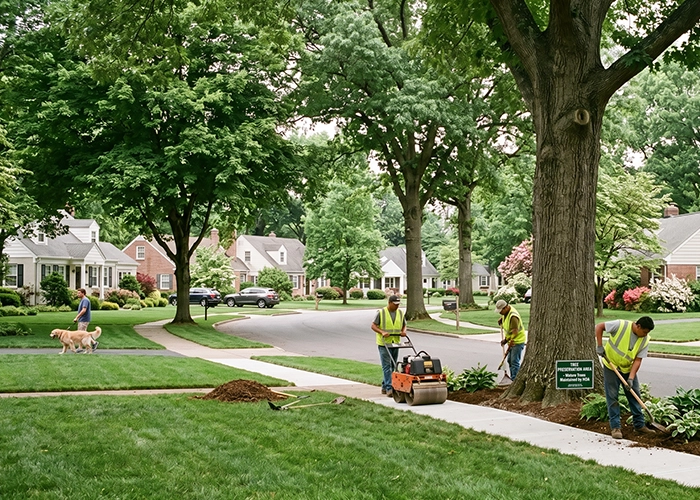
Every community has different priorities, but several common reasons lead HOAs to relocate trees instead of removing them completely.
Preserving Community Appearance
Large trees take years to mature. Once they are removed, it can take decades for replacement trees to create the same visual effect.
Many HOA boards choose transferring trees because it helps maintain the established appearance of the neighborhood. Residents often appreciate efforts to preserve the community’s original charm.
Supporting Construction or Renovation Projects
Communities evolve over time. Sidewalk expansions, clubhouse upgrades, utility work, and parking lot improvements may require landscaping adjustments.
Rather than clearing the entire area, boards may decide to relocate valuable trees to another part of the property. This helps projects move forward without sacrificing greenery.
Protecting Property Values
Landscaping plays a major role in real estate appeal. Tree-lined streets often attract buyers and create a stronger first impression.
Communities with healthy mature trees can appear more established and inviting. HOA boards understand this connection and may invest in transferring trees to protect long-term property values.
Meeting Environmental Goals
Many associations are becoming more mindful of environmental practices. Preserving mature trees can reduce waste and support sustainability goals.
Trees also help with stormwater management, cooling, and air quality. Relocating them instead of removing them may align better with community environmental initiatives.
Factors That Determine Whether a Tree Can Be Transferred
Not every tree is a good candidate for relocation. Some trees handle the process well, while others struggle after being moved.
Several factors influence whether transferring trees will succeed.
Tree Age and Size
Younger trees generally relocate more successfully than older trees. Their root systems are smaller and easier to manage.
Large mature trees can still be transferred, but the process becomes more complicated. Specialized equipment is often required, and costs can increase significantly.
Tree Species
Certain tree species adapt better to relocation. Oaks, magnolias, and palms are commonly transferred in some regions, though success rates vary.
Other species may have sensitive root systems that do not tolerate movement well. Consulting with an arborist helps determine which trees are suitable candidates.
Overall Health
Healthy trees stand a better chance of surviving relocation. Trees with disease, decay, or structural damage may not recover after the stress of being moved.
An inspection is usually recommended before approving any transfer project.
Timing and Season
The time of year matters more than many people realize. Trees experience less stress during dormant periods.
In many parts of the United States, fall and early spring are often considered ideal times for tree relocation.
The Tree Transfer Process Explained
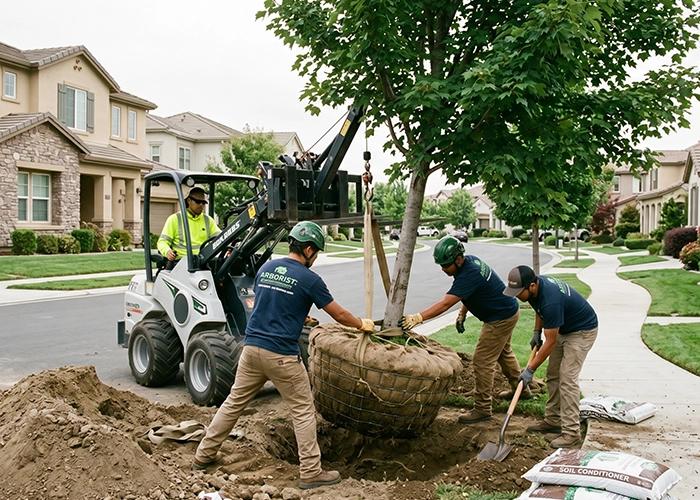
Transferring trees involves more than transportation. The process begins well before the tree is actually moved.
Initial Evaluation
The first step is assessing the tree and the destination site. Arborists evaluate soil conditions, available space, drainage, and sunlight exposure.
The new location must support healthy growth. Otherwise, the tree may struggle even if the transfer itself goes smoothly.
Root Preparation
Large trees often need root pruning months before relocation. This process encourages compact root growth and improves transplant success.
Without proper preparation, the tree may lose too much of its root system during removal.
Digging and Transport
Specialized equipment is commonly used to remove and transport large trees. Crews must protect the trunk, branches, and root ball throughout the move.
This stage requires careful coordination. Even minor damage can affect long-term survival.
Replanting and Stabilization
Once the tree reaches its new location, it is replanted and stabilized. Support systems may be installed temporarily to keep the tree secure while roots establish themselves.
Watering becomes especially important during this stage.
Ongoing Monitoring
Tree relocation does not end after planting. Trees require monitoring for months or even years after transfer.
HOAs may need to budget for additional watering, fertilization, pruning, and inspections during the recovery period.
Common Challenges With Transferring Trees
Although transferring trees offers many benefits, the process also comes with risks and challenges.
Transplant Shock
Trees often experience stress after relocation. This is known as transplant shock.
Signs can include leaf drop, slow growth, discoloration, or branch dieback. Some trees recover fully, while others may decline over time.
High Costs
Relocating mature trees can be expensive. Costs depend on size, species, distance, equipment needs, and aftercare requirements.
For some communities, the expense may outweigh the benefits.
Limited Survival Rates
Even with professional care, some transferred trees do not survive. Weather conditions, soil differences, and root damage can affect outcomes.
Boards should understand that relocation involves some level of risk.
Resident Concerns
Homeowners may have mixed opinions about tree relocation projects. Some residents support preservation efforts, while others may question the cost.
Clear communication helps avoid misunderstandings and frustration.
How HOA Boards Should Approach Tree Transfer Decisions
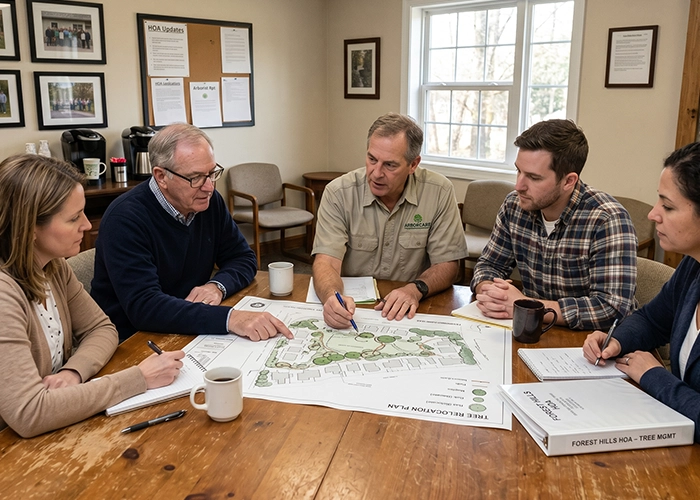
Tree relocation projects require thoughtful planning and communication. HOA boards should approach these decisions carefully.
Work With Professionals
Professional arborists and landscape experts provide valuable guidance throughout the process.
Their recommendations can help boards avoid costly mistakes and improve survival rates.
Review Governing Documents
Some HOA governing documents contain landscaping rules or approval requirements related to tree removal and relocation.
Boards should review these guidelines before approving major projects.
Consider Long-Term Costs
The initial transfer cost is only part of the equation. Communities also need to plan for maintenance and aftercare.
Budget discussions should include watering, inspections, pruning, and replacement planning if a tree does not survive.
Communicate With Residents
Residents appreciate transparency, especially when landscaping changes affect the appearance of the community.
Boards should explain why trees are being transferred, what the goals are, and how the project benefits the neighborhood.
Best Practices for Successful Tree Transfers
Communities that approach transferring trees carefully often see better results.
Here are several best practices that can improve project success.
1. Choose the Right Trees
Not every tree should be moved. Selecting healthy, adaptable species improves survival chances.
2. Prepare Early
Rushed projects often create problems. Early planning allows time for root preparation and site evaluation.
3. Use Proper Equipment
Large trees require specialized tools and experienced crews. Improper handling can damage roots and trunks quickly.
4. Prioritize Aftercare
Watering and monitoring remain essential after relocation. Many failures happen because post-transfer care is inconsistent.
5. Monitor Tree Health Regularly
Follow-up inspections help identify problems early. Addressing stress symptoms quickly may improve recovery.
The Environmental Impact of Preserving Mature Trees
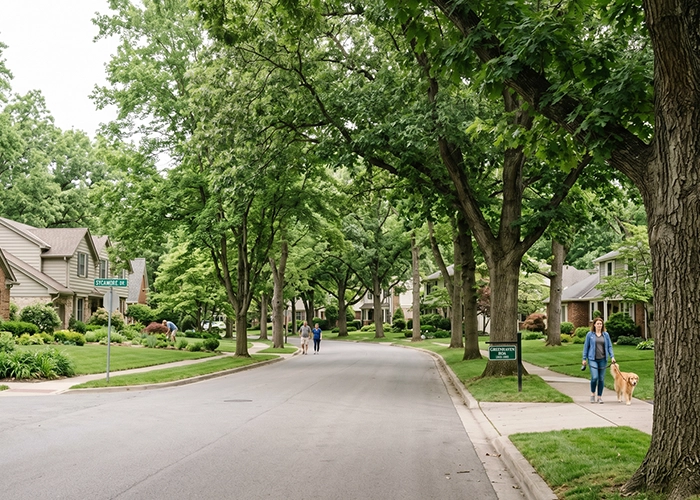
Tree preservation can benefit communities in several ways beyond appearance alone.
Mature trees provide shade that helps reduce surface temperatures. In warmer regions, this can improve outdoor comfort and lower cooling demands.
Trees also help absorb rainwater and reduce erosion. Communities with healthy landscaping may experience fewer drainage problems during storms.
Wildlife benefits as well. Birds and pollinators often depend on mature trees for shelter and food sources.
For HOAs focused on sustainability, transferring trees may support broader environmental goals while preserving the natural feel of the neighborhood.
When Tree Removal May Be the Better Option
Although relocation can work well in some situations, it is not always the right choice.
Dead, diseased, or structurally unstable trees may pose safety risks. Relocating these trees could waste community funds without providing lasting value.
Some trees also outgrow available spaces. If roots interfere with sidewalks, utilities, or foundations, removal may become necessary.
In other cases, younger replacement trees may provide a more cost-effective solution. While they lack the immediate impact of mature trees, they may establish more successfully over time.
Boards should weigh the long-term outcome rather than focusing only on short-term appearance.
How Tree Transfers Affect HOA Budgets
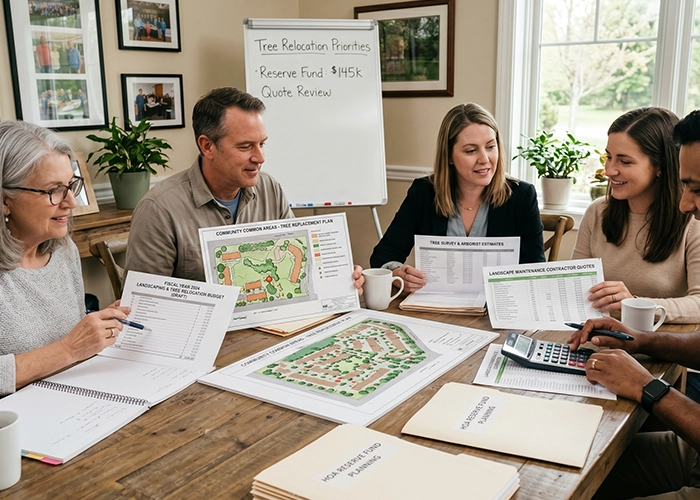
Landscaping expenses already represent a major portion of many HOA budgets. Tree relocation projects can increase those costs significantly.
Expenses often include:
- Arborist consultations
- Equipment rentals
- Transportation costs
- Labor expenses
- Irrigation adjustments
- Post-transfer maintenance
- Replacement planting if needed
Because of these costs, boards should evaluate whether relocation aligns with reserve planning and operating budgets.
Communities sometimes phase projects over time to reduce financial strain. This allows HOAs to preserve important trees without overwhelming annual budgets.
The Role of Homeowners During Tree Transfer Projects
Residents also play an important role in successful projects.
Homeowners should follow community updates and understand how landscaping changes may affect their property. Temporary construction activity, blocked walkways, or irrigation adjustments are common during tree relocation work.
Residents can also help by protecting newly relocated trees. Overwatering, accidental trunk damage, or unauthorized landscaping changes may slow recovery.
When communities work together, transferred trees often establish more successfully.
Regional Differences in Tree Relocation
Climate and geography influence how transferring trees is handled across the United States.
In warmer states, certain tropical species may relocate more easily year-round. In colder regions, winter frost creates additional timing concerns.
Local soil conditions also matter. Sandy soil, clay-heavy ground, and rocky terrain each create different challenges for root establishment.
That is why local expertise matters. HOA boards should work with professionals familiar with regional growing conditions and native species.
Technology and Modern Tree Relocation Methods
Tree relocation methods have improved significantly over the years.
Modern equipment allows crews to move larger trees more safely than before. Hydraulic tree spades, cranes, and specialized transport systems improve efficiency and reduce root damage.
Some communities also use moisture sensors and irrigation technology to monitor tree health after relocation.
These advancements do not eliminate risk completely, but they can improve success rates when projects are handled properly.
Helping Communities Preserve Their Natural Beauty
When HOA boards work with qualified professionals and communicate clearly with homeowners, tree relocation projects become easier to manage. In the end, preserving healthy trees often helps communities remain attractive, welcoming, and environmentally responsible for years to come.
Need help managing landscaping projects and community upkeep? Personalized Property Management helps HOA boards coordinate vendors, plan maintenance, and protect property value with confidence. Call 760-325-9500 or contact us online today.
Related Articles:
- Should the HOA Mow Vacant Lots?
- HOA Groundskeeping Basics: Best Practices to Keep in Mind
- HOA Owner Portal: A Smarter Way to Streamline Payments, Requests, and Community Access