
Managing a community requires a clear set of rules to keep things running smoothly. When these rules are ignored, HOA penalties serve as the primary tool for maintaining order and protecting property values. These measures ensure that every homeowner follows the same standards for the benefit of the entire neighborhood.
Common Types of HOA Penalties Used by Boards
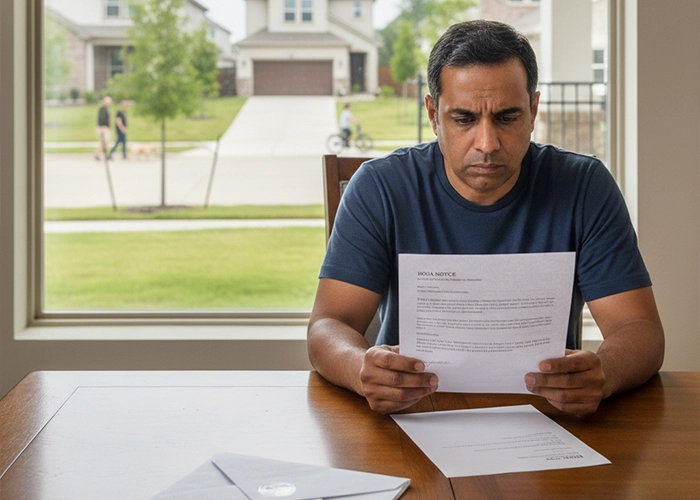
Financial fines represent the most common penalty type used in modern homeowner associations. These penalties are usually detailed in a fee schedule that specifies the exact cost residents must pay for each violation. Most boards begin by sending a warning letter before requiring any actual payment. When the problem persists the fine amount typically grows larger with each additional notice sent to the resident.
Suspension of privileges works well to get residents to follow the rules. This could mean they lose access to the community pool or gym or clubhouse for a certain amount of time. It shows that breaking rules has real consequences without involving money. Communities typically use this approach when someone commits serious violations or breaks the same rules multiple times.
In extreme situations a board may put a lien on a property when fines remain unpaid for an extended period. This legal action can ultimately result in foreclosure if the owner does not resolve the debt. Most boards prefer to avoid this route but it serves as an essential tool for maintaining financial stability. It allows the association to collect the money required for community maintenance.
How the Violation Process Protects the Community
The process starts when someone identifies a specific violation of the neighborhood rules. Board members or management companies conduct regular inspections to find issues such as poorly maintained lawns or unauthorized paint colors. Maintaining consistency is important to prevent accusations of unfair treatment or selective enforcement. Every resident must be held to the same standard to preserve trust.
Once a violation is confirmed the association sends a formal notice to the homeowner. This letter describes the problem and gives the owner a specific timeframe to fix it. This cure period lets the resident resolve the issue without facing immediate financial penalties. Most people willingly comply once they realize they have overlooked something.
If the resident disagrees with the notice they typically have the right to request a hearing. This meeting gives the homeowner a chance to explain their perspective to the board. This step is an important part of fair treatment that helps maintain transparency and justice for all parties involved. Providing a straightforward appeals process stops minor disagreements from escalating into serious legal disputes.
Reasons Why Boards Enforce These Strict Rules
Protecting property values stands as the main reason associations enforce penalties with such firmness. When one house has a brown lawn or garbage sitting in the driveway it brings down the worth of all nearby homes. The board safeguards what is typically the biggest financial commitment people make by managing these issues. This approach preserves the neighborhood’s appearance well into the future.
Safety and harmony matter greatly when enforcing community guidelines. Rules covering parking noise and pet behavior help prevent conflicts between neighbors. When everyone understands the expectations there is less friction in daily life. Penalties discourage behavior that might disturb the peace of the community.
Financial health forms the foundation of effective enforcement. When homeowners fail to pay their assessments the association lacks funds to maintain shared spaces or cover insurance costs. Late payment penalties ensure that neighborhood expenses are distributed fairly among all residents. Without such policies responsible owners would bear the financial burden created by those who refuse to pay their share.
Methods for Avoiding Fines and Legal Issues

The most effective approach to avoiding problems is reading the governing documents carefully. These papers describe all the details including grass height limits and acceptable fence styles. Many homeowners face issues just because they were unaware that certain rules existed. Having a copy of these rules available can prevent considerable stress.
Communication with the board or management company is also very helpful. If you are planning a project you should submit your plans for approval before you start the work. Getting the green light early prevents you from having to tear down a new structure later. Most boards are happy to help residents who show they want to follow the rules.
If you get a notice you should not ignore it or put off dealing with it until the deadline approaches. Contact the association right away to talk about how you plan to fix the problem. Most boards will give you extra time if they can see you are genuinely trying to resolve the issue. Taking action quickly demonstrates that you value the community & your neighbors.
Fair Enforcement for a Better Neighborhood
The main purpose of a penalty system should be getting people to follow the rules instead of just punishing them. A good board treats fines as something to use only when necessary & not as a way to make money. When rules get enforced in a fair and clear manner the entire community does better. This mix of having authority while also showing understanding is what creates a wonderful place to call home.
Need help managing your community’s enforcement process? Contact Personalized Property Management today to learn how our expert team can streamline your HOA operations!
Related Articles