Serving Coachella Valley communities since 1983 · On call 24/7

HOA Work Orders: A Complete Guide to Streamlining Community Maintenance

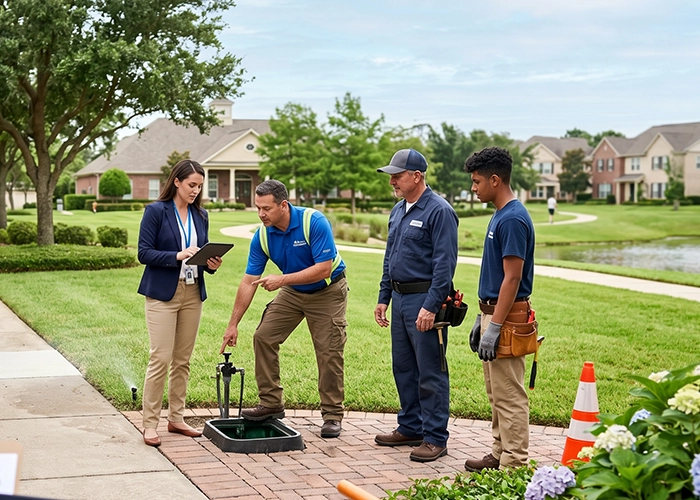
HOA work orders play a vital role in keeping a community safe, attractive, and functional. From repairing common-area lighting to addressing irrigation issues, a structured work order system helps ensure maintenance tasks are completed on time and with proper oversight.

When associations manage HOA work orders effectively, they can improve resident satisfaction, control costs, and protect property values throughout the community.


What Are HOA Work Orders?

HOA maintenance requests

HOA work orders are formal requests that authorize maintenance, repair, or service tasks within a homeowners association. They provide a documented process for identifying an issue, assigning responsibility, tracking progress, and confirming completion.

A work order can cover a wide range of tasks. Common examples include landscaping repairs, clubhouse maintenance, gate malfunctions, sidewalk damage, plumbing issues in shared facilities, and lighting replacements in common areas.

Without a clear work order process, maintenance requests can easily fall through the cracks. Board members may lose track of requests, vendors may lack proper instructions, and homeowners may become frustrated when issues remain unresolved.

A well-managed system creates accountability at every stage of the maintenance process.


Why HOA Work Orders Matter

Maintenance is one of the most visible responsibilities of any association. Residents often judge board performance based on how quickly and effectively maintenance concerns are addressed.

HOA work orders help create structure and consistency. Instead of relying on emails, phone calls, or verbal conversations, associations can follow a standardized process from start to finish.

Some of the biggest benefits include:

  • Better tracking of maintenance issues
  • Improved communication with vendors
  • Faster response times
  • More accurate budgeting
  • Stronger documentation for future reference
  • Greater transparency for homeowners

When every maintenance request follows the same process, the association can operate more efficiently and avoid unnecessary confusion.


How the HOA Work Order Process Typically Works

HOA maintenance requests

Most associations follow a series of steps when managing maintenance requests.

1. Request Submission

The process begins when a homeowner, board member, manager, or vendor identifies an issue requiring attention.

The request may be submitted through an online portal, email, phone call, or management software platform. The person submitting the request should provide enough information to help identify the problem accurately.

Details often include:

  • Location of the issue
  • Description of the problem
  • Photos, when available
  • Date the issue was noticed
  • Urgency level

Clear information at the beginning helps reduce delays later.

2. Review and Evaluation

Once the request is received, the association or management company reviews the information.

At this stage, the issue is evaluated to determine:

  • Whether it falls under HOA responsibility
  • The urgency of the repair
  • Potential safety concerns
  • Estimated costs
  • Required vendor involvement

Some requests can be handled immediately, while others may require board approval or additional inspections.

3. Work Order Creation

After approval, an official work order is generated.

The work order serves as the roadmap for completing the task. It outlines the scope of work, responsible parties, deadlines, and any special instructions.

Accurate work orders help vendors understand expectations and reduce misunderstandings.

4. Vendor Assignment

The work order is then assigned to the appropriate contractor, maintenance technician, or service provider.

Many associations maintain preferred vendor lists for common services such as:

  • Landscaping
  • Pool maintenance
  • Electrical work
  • Plumbing
  • Roofing
  • Janitorial services

Having established vendor relationships often speeds up response times.

5. Completion and Verification

After the work is completed, the association verifies that the task was performed correctly.

This step may include:

  • Visual inspections
  • Vendor reports
  • Photos of completed work
  • Resident feedback

Once verification is complete, the work order can be officially closed.


Common Types of HOA Work Orders

Every community has unique maintenance needs, but certain categories appear frequently across most associations.

Grounds and Landscaping

Landscaping requests are among the most common HOA work orders.

Examples include:

  • Broken irrigation systems
  • Dead plants or trees
  • Erosion concerns
  • Damaged sprinklers
  • Overgrown vegetation

Because curb appeal directly affects property values, landscaping issues often receive prompt attention.

Building Maintenance

Common-area structures require ongoing maintenance throughout the year.

Work orders may involve:

  • Roof repairs
  • Clubhouse maintenance
  • Exterior painting
  • Door replacements
  • Window repairs

Regular maintenance helps extend the lifespan of community assets.

Safety and Security Issues

Safety-related requests are typically prioritized due to potential liability concerns.

Examples include:

  • Broken gates
  • Malfunctioning security systems
  • Damaged sidewalks
  • Loose handrails
  • Burned-out lighting

Prompt action can reduce risks and protect residents.

Pool and Recreation Facilities

Amenities require constant attention to remain safe and operational.

Work orders often involve:

  • Pool equipment repairs
  • Tennis court maintenance
  • Playground inspections
  • Fitness center equipment repairs
  • Clubhouse facility issues

Well-maintained amenities contribute significantly to resident satisfaction.


Challenges Associations Face With HOA Work Orders

HOA maintenance requests

Even organized communities can encounter challenges when managing maintenance requests.

One common issue is poor communication. If homeowners are unsure whether a request was received, they may submit duplicate requests or contact board members repeatedly.

Another challenge involves incomplete information. When maintenance requests lack details, managers and vendors may need additional site visits before work can begin.

Budget limitations can also delay repairs. Associations must balance maintenance needs with available funds and reserve planning.

Vendor scheduling presents another obstacle. During busy seasons, qualified contractors may have limited availability, causing unavoidable delays.

Recognizing these challenges allows associations to create systems that minimize disruptions.


Best Practices for Managing HOA Work Orders

A strong work order process does not happen by accident. Successful associations establish clear procedures and consistently follow them.

Use a Centralized Tracking System

Relying on spreadsheets, emails, and handwritten notes can quickly become overwhelming.

Modern HOA management software provides a centralized platform for tracking requests from submission through completion.

A centralized system allows managers, board members, and homeowners to stay informed throughout the process.

Establish Priority Levels

Not every maintenance request carries the same urgency.

Many associations classify work orders using categories such as:

  1. Emergency
  2. High Priority
  3. Routine Maintenance
  4. Preventive Maintenance

This approach helps ensure critical issues receive immediate attention.

Document Everything

Detailed documentation protects the association and creates valuable historical records.

Important records may include:

  • Original request details
  • Vendor estimates
  • Photos
  • Invoices
  • Completion reports
  • Follow-up communications

Proper documentation can prove especially valuable when disputes arise.

Communicate With Homeowners

Residents appreciate updates, even when repairs take longer than expected.

Regular communication helps manage expectations and reduces frustration.

Simple status updates can significantly improve homeowner satisfaction.

Review Vendor Performance

Not all contractors deliver the same level of service.

Associations should periodically evaluate vendors based on:

  • Response times
  • Quality of work
  • Reliability
  • Professionalism
  • Cost-effectiveness

Strong vendor relationships contribute to smoother maintenance operations.


The Role of Technology in HOA Work Orders

HOA maintenance requests

Technology has transformed how associations manage maintenance requests.

Many communities now use online portals that allow residents to submit requests, upload photos, and track progress in real time.

Property managers can assign vendors, monitor deadlines, and maintain digital records through a single platform.

Mobile applications have also improved efficiency. Maintenance staff and contractors can receive updates instantly, reducing delays caused by phone calls and paperwork.

As communities continue to adopt digital tools, HOA work orders become easier to manage and more transparent for everyone involved.


How HOA Management Companies Help With Work Orders

Managing maintenance requests can consume a significant amount of time, particularly in larger communities.

Professional HOA management companies often assist by:

  • Receiving maintenance requests
  • Creating and tracking work orders
  • Coordinating vendors
  • Monitoring completion timelines
  • Managing invoices
  • Communicating with homeowners

Their experience and established processes help reduce administrative burdens while improving service quality.

For many associations, professional management creates a more organized and efficient maintenance program.


Keeping HOA Work Orders Efficient and Effective

HOA maintenance requests

An effective work order process is about more than simply fixing problems. It creates a framework for preserving community assets, controlling maintenance costs, and providing a better living experience for residents.

When associations establish clear procedures, use reliable vendors, maintain strong communication, and leverage technology, maintenance operations become far easier to manage.

Communities that prioritize organized HOA work orders are often better positioned to maintain property values and meet homeowner expectations over the long term.


Helping HOA Communities Stay Well-Maintained and Efficiently Managed

Managing HOA work orders requires organization, communication, and consistent follow-through. With the right systems and professional guidance, your association can streamline maintenance operations and deliver better service to residents.

With expert support in maintenance coordination, vendor management, and community operations, Personalized Property Management helps boards save time and reduce stress. Call us at 760-325-9500 or contact us online to learn more about how we can support your community.


Related Articles: 

HOA Bids and Proposals: How Boards Can Make Smarter Vendor Decisions

Managing a homeowners association involves making many financial decisions, and few are as important as selecting the right vendors. Whether the community needs landscaping services, roof repairs, pool maintenance, or a major capital improvement project, HOA bids and proposals play a key role in the decision-making process.


Understanding the Basics

HOA vendor selection

HOA bids and proposals are documents submitted by vendors who want to provide products or services to an association. While many people use the terms interchangeably, they are not exactly the same.

A bid is usually a price-based offer submitted in response to a specific request. It focuses primarily on costs and scope. A proposal tends to be more detailed and often includes information about the vendor’s experience, approach, timeline, qualifications, and recommendations.

For HOA boards, both documents provide valuable information. They help decision-makers compare multiple vendors and determine which company offers the best overall value.

Competitive bidding is often encouraged because it promotes transparency and helps associations avoid unnecessary expenses. It also demonstrates that the board is exercising its fiduciary duty when spending community funds.


Why Competitive Bidding Matters for HOAs

Every HOA board has a responsibility to act in the best interests of the community. One way to accomplish that is by seeking multiple bids before approving significant expenditures.

Competitive bidding creates a level playing field. Vendors know they are being evaluated alongside other companies, which often results in more competitive pricing and stronger service offerings.

The process also helps boards avoid favoritism or the appearance of impropriety. Homeowners are more likely to trust decisions when they know the board considered several options before selecting a contractor.

Obtaining multiple bids can also uncover important differences between vendors. One company may offer a lower price, while another may provide a longer warranty, superior materials, or more comprehensive services. Without comparing proposals, those differences may go unnoticed.


When Should an HOA Request Multiple Bids?

HOA vendor selection

Not every purchase requires a formal bidding process. The need for multiple bids often depends on the size and complexity of the project.

Many governing documents establish spending thresholds that require competitive bidding. State laws may also impose requirements for certain associations. Boards should always review their governing documents and consult legal counsel when necessary.

Common projects that often warrant multiple bids include:

  • Landscaping contracts
  • Pool maintenance services
  • Roofing projects
  • Painting projects
  • Security services
  • Road resurfacing
  • Fence replacement
  • Clubhouse renovations
  • Elevator maintenance
  • Major repair projects

Even when bids are not legally required, obtaining multiple proposals is usually considered a best practice for larger expenses.


Creating a Clear Request for Proposal

The quality of the proposals received often depends on the quality of the information provided to vendors. If expectations are unclear, vendors may submit vastly different proposals that are difficult to compare.

Many associations use a Request for Proposal (RFP) to communicate project requirements. An RFP outlines the scope of work, project expectations, deadlines, and evaluation criteria.

A well-prepared RFP typically includes:

  1. Project description
  2. Scope of work
  3. Budget considerations
  4. Submission deadlines
  5. Insurance requirements
  6. Licensing requirements
  7. Timeline expectations
  8. Evaluation criteria
  9. Contact information

Providing consistent information ensures vendors are bidding on the same project. This makes comparisons much more accurate.


What Should Be Included in a Vendor Proposal?

HOA vendor selection

While every proposal is different, certain elements should always be reviewed before making a decision.

A strong proposal should clearly explain the services being offered and provide a detailed breakdown of costs. It should also identify any assumptions, exclusions, or limitations.

Boards should pay close attention to the following:

  • Total project cost
  • Scope of work
  • Project timeline
  • Material specifications
  • Warranty information
  • References
  • Insurance coverage
  • Licensing information
  • Payment terms
  • Change order procedures

These details help prevent misunderstandings once work begins.

The lowest price may seem attractive at first glance, but incomplete proposals can create costly surprises later. Reviewing every component carefully is essential.


Evaluating More Than Just Price

One of the most common mistakes HOA boards make is focusing exclusively on cost. Price is important, but it should never be the only factor.

A vendor with the lowest bid may not provide the best overall value. In some cases, a higher-priced contractor may offer superior workmanship, better customer service, or stronger project management.

Several factors should influence the evaluation process.

Experience With Community Associations

HOAs have unique needs that differ from commercial properties and individual homeowners. Vendors who regularly work with associations often understand board approval processes, resident communication needs, and common compliance requirements.

Financial Stability

A contractor’s financial health can impact project success. Companies experiencing financial difficulties may struggle to complete work on schedule or maintain adequate staffing levels.

Reputation and References

References provide insight into a vendor’s performance history. Speaking with other associations can reveal how a contractor handled communication, scheduling, and problem resolution.

Insurance and Licensing

Proper insurance and licensing protect both the association and its residents. Boards should verify documentation rather than simply accepting verbal assurances.

Quality of Communication

The proposal process often provides an early indication of how a vendor will communicate throughout the project. Responsive, organized vendors are often easier to work with once the contract begins.


Common Mistakes HOA Boards Should Avoid

HOA vendor selection

Even experienced boards can encounter challenges during the bidding process. Recognizing common mistakes can help associations avoid costly setbacks.

One mistake is failing to define the project clearly. When vendors receive vague instructions, they submit proposals based on different assumptions. This makes meaningful comparisons nearly impossible.

Another issue occurs when boards fail to document their evaluation process. Keeping records of proposals, discussions, and selection criteria promotes transparency and protects the association if questions arise later.

Some boards also rush the decision-making process. Large projects deserve careful review. Taking time to evaluate proposals thoroughly can prevent expensive problems in the future.

Finally, boards sometimes overlook contract details after selecting a vendor. The proposal itself is only one part of the process. The final contract should clearly reflect the agreed-upon scope, pricing, responsibilities, and timelines.


How HOA Management Companies Help With Bids and Proposals

Many boards rely on professional management companies to assist with vendor selection. Experienced managers can streamline the process while helping associations make informed decisions.

Management companies often maintain relationships with qualified local vendors and understand which contractors have strong track records within the industry.

They can also assist with:

  • Preparing RFPs
  • Soliciting bids
  • Coordinating vendor meetings
  • Verifying licenses and insurance
  • Reviewing proposals
  • Comparing pricing
  • Monitoring project progress
  • Maintaining documentation

This support allows board members to focus on evaluating options rather than managing administrative details.

For self-managed associations, the bidding process can become time-consuming and overwhelming. Professional guidance can reduce workload while improving outcomes.


Building Long-Term Vendor Relationships

HOA vendor selection

While competitive bidding is important, associations should also recognize the value of strong vendor relationships.

Reliable contractors who consistently provide excellent service become valuable partners. They learn the community’s needs, understand board expectations, and often respond more quickly when issues arise.

That does not mean boards should stop reviewing pricing or performance. Periodic bidding remains a useful tool for ensuring costs remain competitive.

The goal is to strike a balance between accountability and continuity. Long-term partnerships can create stability, but regular evaluations help ensure the association continues receiving quality service at a fair price.


Making Better Decisions for the Community

Competitive bidding is not simply about finding the lowest price. It is about gathering the information necessary to make informed, responsible decisions on behalf of the community.

By establishing a structured bidding process, carefully reviewing proposals, and evaluating vendors beyond price alone, boards can make decisions that serve the best interests of the entire association.

If your association needs support with vendor selection, contract management, or day-to-day operations. Our team provides the expertise needed to streamline projects, improve efficiency, and safeguard community resources. Call us at 760-325-9500 or contact us online to get started.


Related Articles: 


9 Essential Elements Every HOA Vendor Contract Should Include

shake hands | hoa vendor contracts

HOAs should prioritize having reliable vendors to maintain the community’s standards and ensure smooth operations. Understanding the essential elements of HOA vendor contracts can safeguard your association from potential disputes and financial pitfalls.

What are HOA Vendor Contracts?

Simply put, HOA vendor contracts are legal agreements between a HOA and a service provider. Having a well-written contract in place makes sure that both the association and the vendors know their obligations. 

Vendor contracts for HOAs are an integral part of smooth community operations. They ensure that the essential services your HOA needs are done on time and properly. Without clear terms, HOAs are prone to receiving substandard services, more financial issues, and a lack of accountability. With a contract, your HOA can enforce clearly outlined stipulations and pursue corrective actions if the vendor doesn’t deliver expectations. 

Apart from this, contracts also help with mitigating risks for your HOA. Usually, HOA third-party service agreements would include clauses discussing liability, insurance, and indemnification. Such clauses help protect your association from unforeseen damages or legal issues.

Another benefit of vendor contracts is that they help outline clear pricing structures and payment schedules. This helps your HOA budget accurately and more efficiently.

9 Essential Elements of HOA Vendor Contracts

When creating HOA vendor contracts, it is important to consider several factors. Here are the essential elements your HOA needs to include in its vendor contracts.

1. Detailed Scope of Work

Your HOA vendor contract should include a complete description of the scope of work. It’s the foundation of any service contract, as it should clearly define the services or products a vendor will provide. Stating this clearly helps ensure both parties understand each other’s expectations. 

Other than the services required, the scope of work should also outline other aspects of the service. For one, it needs to detail the schedule and frequency of services, which areas need to be serviced, and the materials needed to complete the service. All scenarios should be considered in this part of the contract, including response times and seasonal adjustments.

By keeping this detailed, both your HOA and the vendor will have their expectations aligned. It also lessens the likelihood of any service being interrupted or disputes happening. 

2. Payment Terms and Pricing

Another integral part of any vendor contract involves payment and pricing. Your HOA vendor contract must clearly articulate the payment terms for the services. It should specify how much the services cost, when they should be paid, and the payment methods accepted. 

Other than that, the payment terms should also outline penalties for late payments, any interest charges, and the possibility of cost adjustments in cases of unforeseen events. This portion should also have pre-determined payment or pricing approval prices for orders that may change unexpectedly. 

By outlining these, both parties will be financially aligned. This will help lower the likelihood of payment misunderstandings.

3. Duration and Termination Clauses

contract signing | hoa vendor contracts

The duration of the contract should also be clearly stated in this document. On top of that, it should also enumerate the conditions under which the said contract can be terminated. Doing so helps protect the interests of both the HOA and the contractor.

For this, it should include both start and end dates. It should also outline terms for renewals or, conversely, procedures for early termination.

Other than the conditions, termination clauses should also have provisions for penalties or compensation. On the side of the contractor, if they made financial commitments for a project, a termination fee may be outlined. 

On the other hand, HOAs should also have the right to terminate the service contract without any penalties if it is the vendor who fails to meet performance expectations.

4. Insurance and Liability Provisions

When starting a professional relationship with contractors, a HOA should always consider the risks and find ways to mitigate them. For this, HOAs must find and ensure the contractors they are hiring have adequate insurance coverage.

In your vendor contract, the HOA should include a provision that service providers must show proof that they have insurance. The said insurance needs to cover general liability, workers’ compensation, and other policies that may be relevant to the service. On top of this, it would be best if the HOA was also named as an additional insured entity in the policy that the contractor carries. 

Requiring this in the contract ensures that your HOA is not held financially responsible for any accidents, damages, or negligence that might happen during the service duration. 

As part of the insurance provisions, your contract should also outline the minimum coverage amounts for every insurance policy. This helps make sure vendors have enough protection throughout the term. Having none of these stipulations may leave your HOA vulnerable to lawsuits and financial losses in case of any vendor mishaps. 

5. Indemnification Clauses

HOAs need to foolproof their contract by including safeguards. One such protection is including an Indemnification cause, ensuring that the vendor will assume responsibility for any claims, damages, or losses arising from their work.

This is needed in cases when a third party sues the contractor due to the former’s actions or negligence. In this part, the vendors should indicate that they will agree to defend and indemnify the HOA if that scenario arises, providing coverage for legal fees and other damages.

Indemnification clauses should also extend to subcontractors if the vendor hires third parties to fulfill their obligations. Without this safeguard, the HOA could become entangled in legal issues due to actions taken by entities they never directly contracted. Establishing clear responsibility for potential liabilities protects the association and minimizes risks associated with vendor work.

6. Performance Metrics and Penalties

Of course, your HOA vendor contract needs to also have the criteria of what can be deemed a job well done. In your contract, you need to establish clear performance metrics. This helps ensure that your contractor will deliver services to an expected standard.

This part of the contract needs to outline the criteria that you will use to evaluate the vendor’s performance. Factors may include service timelines, quality benchmarks, and expected response times.

When vendors do not meet these benchmarks, your contract should also include any corrective actions and penalties that may happen. It may even include termination clauses in some cases. Conversely, you may also include incentive structures, defining how you can reward vendors who exceed expectations. 

7. Compliance with Laws and Regulations

Everything that your HOA and your service provider do need to be legal. So when drafting your HOA vendor contract, ensure it complies with all local, state, and federal laws that may be involved.

Your contract should explicitly include this requirement for your vendor, making sure that all your contractors will perform and adhere to legal standards. Some such legalities include obtaining required permits, as well as following safety and environmental protocols. By including this clause, your HOA ensures that even when hiring a contractor, it remains compliant with the. 

This section also needs to be well-defined, making it easy to hold vendors accountable for industry standards and needed licensing requirements. To make this section more solid, your HOA may also include clauses that let it request proof of compliance at any time during the service duration. 

8. Dispute Resolution Mechanisms

argue and agree letter tiles | hoa vendor contracts

Even with everyone’s best efforts, disagreements can happen. To minimize any issues that may occur because of disputes, you need to include a resolution clause in your vendor contract. This should stipulate the approach to how your HOA and your contractor should handle conflicts. 

For this, your contract may include outlining steps for mediation or arbitration before resorting to lawsuits. It should also outline what other steps are needed, the timeframes for dispute resolution, and where these arbitrations should be handled. 

By having a clear way of resolving any disputes between both parties, you are saving both sides time and money by steering clear of expensive court proceedings. Having this mechanism in place ensures that conflicts are managed effectively, cost-efficiently, and with minimal disruption to the HOA’s operations.

9. Confidentiality and Data Protection

In today’s digital age, safeguarding sensitive information must be a part of any contract. If vendors have access to confidential HOA data, the contract should include clauses that make protection of sensitive information imperative. For this section, you must consist of stipulations on data usage, storage, and sharing. This section also ensures that your contractor implements appropriate security measures.

The agreement should specify how data is handled, who can access it, and how long it will be retained. Additionally, the contract should outline what the consequences of data breaches or unauthorized disclosures would have. This holds the vendor accountable for any lapses in data protection. 

Creating the Right Contract

Creating a comprehensive HOA vendor contract enables the association to develop a good working relationship with service providers. It also helps establish your HOA’s expectations clearly while protecting the community’s interests.

Personalized Property Management offers HOA management services in Southern California. Call us at 760-325-9500 or email us at info@ppminternet.com for more information!

RELATED ARTICLES: