
HOA work orders play a vital role in keeping a community safe, attractive, and functional. From repairing common-area lighting to addressing irrigation issues, a structured work order system helps ensure maintenance tasks are completed on time and with proper oversight.
When associations manage HOA work orders effectively, they can improve resident satisfaction, control costs, and protect property values throughout the community.
What Are HOA Work Orders?

HOA work orders are formal requests that authorize maintenance, repair, or service tasks within a homeowners association. They provide a documented process for identifying an issue, assigning responsibility, tracking progress, and confirming completion.
A work order can cover a wide range of tasks. Common examples include landscaping repairs, clubhouse maintenance, gate malfunctions, sidewalk damage, plumbing issues in shared facilities, and lighting replacements in common areas.
Without a clear work order process, maintenance requests can easily fall through the cracks. Board members may lose track of requests, vendors may lack proper instructions, and homeowners may become frustrated when issues remain unresolved.
A well-managed system creates accountability at every stage of the maintenance process.
Why HOA Work Orders Matter
Maintenance is one of the most visible responsibilities of any association. Residents often judge board performance based on how quickly and effectively maintenance concerns are addressed.
HOA work orders help create structure and consistency. Instead of relying on emails, phone calls, or verbal conversations, associations can follow a standardized process from start to finish.
Some of the biggest benefits include:
- Better tracking of maintenance issues
- Improved communication with vendors
- Faster response times
- More accurate budgeting
- Stronger documentation for future reference
- Greater transparency for homeowners
When every maintenance request follows the same process, the association can operate more efficiently and avoid unnecessary confusion.
How the HOA Work Order Process Typically Works

Most associations follow a series of steps when managing maintenance requests.
1. Request Submission
The process begins when a homeowner, board member, manager, or vendor identifies an issue requiring attention.
The request may be submitted through an online portal, email, phone call, or management software platform. The person submitting the request should provide enough information to help identify the problem accurately.
Details often include:
- Location of the issue
- Description of the problem
- Photos, when available
- Date the issue was noticed
- Urgency level
Clear information at the beginning helps reduce delays later.
2. Review and Evaluation
Once the request is received, the association or management company reviews the information.
At this stage, the issue is evaluated to determine:
- Whether it falls under HOA responsibility
- The urgency of the repair
- Potential safety concerns
- Estimated costs
- Required vendor involvement
Some requests can be handled immediately, while others may require board approval or additional inspections.
3. Work Order Creation
After approval, an official work order is generated.
The work order serves as the roadmap for completing the task. It outlines the scope of work, responsible parties, deadlines, and any special instructions.
Accurate work orders help vendors understand expectations and reduce misunderstandings.
4. Vendor Assignment
The work order is then assigned to the appropriate contractor, maintenance technician, or service provider.
Many associations maintain preferred vendor lists for common services such as:
- Landscaping
- Pool maintenance
- Electrical work
- Plumbing
- Roofing
- Janitorial services
Having established vendor relationships often speeds up response times.
5. Completion and Verification
After the work is completed, the association verifies that the task was performed correctly.
This step may include:
- Visual inspections
- Vendor reports
- Photos of completed work
- Resident feedback
Once verification is complete, the work order can be officially closed.
Common Types of HOA Work Orders
Every community has unique maintenance needs, but certain categories appear frequently across most associations.
Grounds and Landscaping
Landscaping requests are among the most common HOA work orders.
Examples include:
- Broken irrigation systems
- Dead plants or trees
- Erosion concerns
- Damaged sprinklers
- Overgrown vegetation
Because curb appeal directly affects property values, landscaping issues often receive prompt attention.
Building Maintenance
Common-area structures require ongoing maintenance throughout the year.
Work orders may involve:
- Roof repairs
- Clubhouse maintenance
- Exterior painting
- Door replacements
- Window repairs
Regular maintenance helps extend the lifespan of community assets.
Safety and Security Issues
Safety-related requests are typically prioritized due to potential liability concerns.
Examples include:
- Broken gates
- Malfunctioning security systems
- Damaged sidewalks
- Loose handrails
- Burned-out lighting
Prompt action can reduce risks and protect residents.
Pool and Recreation Facilities
Amenities require constant attention to remain safe and operational.
Work orders often involve:
- Pool equipment repairs
- Tennis court maintenance
- Playground inspections
- Fitness center equipment repairs
- Clubhouse facility issues
Well-maintained amenities contribute significantly to resident satisfaction.
Challenges Associations Face With HOA Work Orders
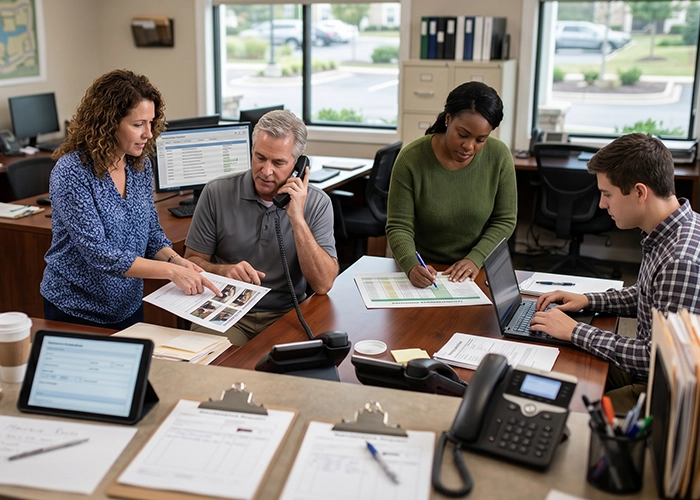
Even organized communities can encounter challenges when managing maintenance requests.
One common issue is poor communication. If homeowners are unsure whether a request was received, they may submit duplicate requests or contact board members repeatedly.
Another challenge involves incomplete information. When maintenance requests lack details, managers and vendors may need additional site visits before work can begin.
Budget limitations can also delay repairs. Associations must balance maintenance needs with available funds and reserve planning.
Vendor scheduling presents another obstacle. During busy seasons, qualified contractors may have limited availability, causing unavoidable delays.
Recognizing these challenges allows associations to create systems that minimize disruptions.
Best Practices for Managing HOA Work Orders
A strong work order process does not happen by accident. Successful associations establish clear procedures and consistently follow them.
Use a Centralized Tracking System
Relying on spreadsheets, emails, and handwritten notes can quickly become overwhelming.
Modern HOA management software provides a centralized platform for tracking requests from submission through completion.
A centralized system allows managers, board members, and homeowners to stay informed throughout the process.
Establish Priority Levels
Not every maintenance request carries the same urgency.
Many associations classify work orders using categories such as:
- Emergency
- High Priority
- Routine Maintenance
- Preventive Maintenance
This approach helps ensure critical issues receive immediate attention.
Document Everything
Detailed documentation protects the association and creates valuable historical records.
Important records may include:
- Original request details
- Vendor estimates
- Photos
- Invoices
- Completion reports
- Follow-up communications
Proper documentation can prove especially valuable when disputes arise.
Communicate With Homeowners
Residents appreciate updates, even when repairs take longer than expected.
Regular communication helps manage expectations and reduces frustration.
Simple status updates can significantly improve homeowner satisfaction.
Review Vendor Performance
Not all contractors deliver the same level of service.
Associations should periodically evaluate vendors based on:
- Response times
- Quality of work
- Reliability
- Professionalism
- Cost-effectiveness
Strong vendor relationships contribute to smoother maintenance operations.
The Role of Technology in HOA Work Orders
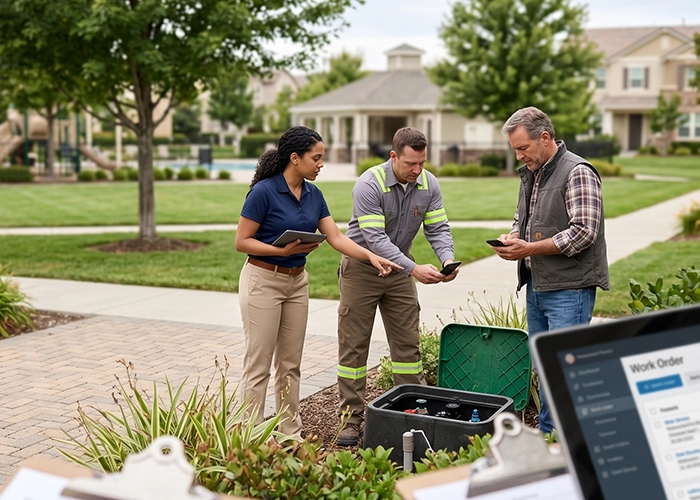
Technology has transformed how associations manage maintenance requests.
Many communities now use online portals that allow residents to submit requests, upload photos, and track progress in real time.
Property managers can assign vendors, monitor deadlines, and maintain digital records through a single platform.
Mobile applications have also improved efficiency. Maintenance staff and contractors can receive updates instantly, reducing delays caused by phone calls and paperwork.
As communities continue to adopt digital tools, HOA work orders become easier to manage and more transparent for everyone involved.
How HOA Management Companies Help With Work Orders
Managing maintenance requests can consume a significant amount of time, particularly in larger communities.
Professional HOA management companies often assist by:
- Receiving maintenance requests
- Creating and tracking work orders
- Coordinating vendors
- Monitoring completion timelines
- Managing invoices
- Communicating with homeowners
Their experience and established processes help reduce administrative burdens while improving service quality.
For many associations, professional management creates a more organized and efficient maintenance program.
Keeping HOA Work Orders Efficient and Effective

An effective work order process is about more than simply fixing problems. It creates a framework for preserving community assets, controlling maintenance costs, and providing a better living experience for residents.
When associations establish clear procedures, use reliable vendors, maintain strong communication, and leverage technology, maintenance operations become far easier to manage.
Communities that prioritize organized HOA work orders are often better positioned to maintain property values and meet homeowner expectations over the long term.
Helping HOA Communities Stay Well-Maintained and Efficiently Managed
Managing HOA work orders requires organization, communication, and consistent follow-through. With the right systems and professional guidance, your association can streamline maintenance operations and deliver better service to residents.
With expert support in maintenance coordination, vendor management, and community operations, Personalized Property Management helps boards save time and reduce stress. Call us at 760-325-9500 or contact us online to learn more about how we can support your community.
Related Articles: