
Keeping assessment payments on track is essential for every homeowners association. The payment methods your HOA offers don’t just affect how residents pay, they also influence homeowner satisfaction and the community’s financial health. By giving homeowners simple and convenient ways to make payments, associations can encourage on-time payments, reduce late fees, and make the process easier for everyone.
Understanding HOA Payment Methods
The way homeowners pay their HOA dues has changed significantly over the years. While some residents still prefer mailing a check, many now expect fast, secure online payment options they can access anytime.
HOA payment methods are simply the different ways homeowners can pay assessments, dues, special assessments, and other community fees. Most associations offer several payment options so residents can choose the one that’s most convenient for them.
Offering multiple ways to pay benefits everyone. Homeowners enjoy a simpler payment experience, while boards and management companies spend less time processing payments, chasing overdue accounts, and correcting payment mistakes.
The right payment system strikes a balance between convenience, security, and cost. Since every community has different needs, HOA boards should carefully evaluate which payment options make the most sense for their residents.
Why Payment Flexibility Matters
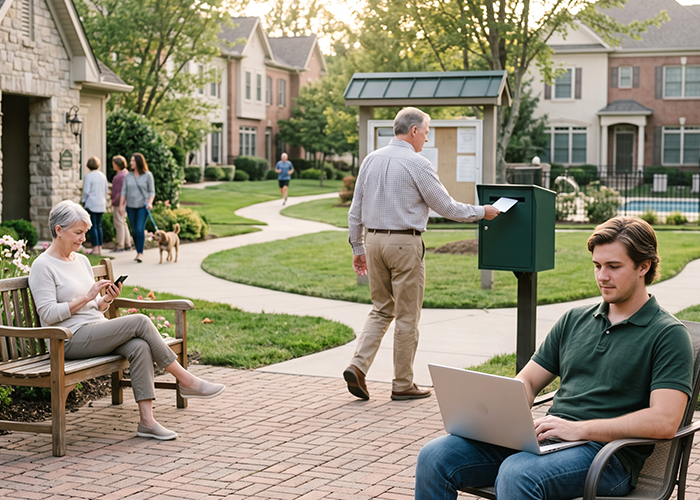
Not every homeowner manages their finances the same way. Some prefer automatic payments so they never have to think about due dates. Others like paying with a credit card to earn rewards, while many still feel more comfortable writing a paper check.
When an association offers only one way to pay, it can create unnecessary frustration. Giving homeowners several payment options makes paying assessments easier, which often leads to more on-time payments.
Convenient payment methods also help improve cash flow. If residents can submit payments from their phone or computer in just a few minutes, they’re much less likely to miss a payment because they forgot to mail a check or stop by the management office.
For HOA boards, consistent collections mean more predictable income, making it easier to budget for maintenance, reserve funding, and community improvements.
Common HOA Payment Methods
Most homeowners associations offer a mix of traditional and digital payment options. Each has its own advantages, and offering several choices allows residents to pay in the way that works best for them.
Online Payments
Online payments have become the go-to option for many homeowners because they’re quick, secure, and available around the clock. Through an owner portal, residents can view their balance, make a payment, and check their payment history whenever it’s convenient.
Many online systems accept bank transfers, debit cards, and credit cards, while also providing instant payment confirmations. That means homeowners know right away that their payment has been received.
For the association, online payments reduce paperwork, eliminate much of the manual data entry, and help keep financial records more accurate.
ACH Bank Transfers
ACH (Automated Clearing House) payments transfer money directly from a homeowner’s bank account to the association.
Many HOAs encourage ACH payments because they typically cost less to process than credit card transactions. Since everything happens electronically, there’s no risk of checks getting lost in the mail or arriving late.
One of the biggest advantages is recurring payments. Once homeowners enroll, their dues are automatically paid on schedule, reducing the chance of missed payments.
Credit and Debit Cards
Paying by credit or debit card is one of the fastest and most convenient options available. It’s especially helpful for homeowners who receive a payment reminder and want to pay immediately.
Some associations choose to pass along processing fees, while others cover the cost themselves. Whatever approach your community takes, it’s important to explain those fees clearly before homeowners complete their payment.
Card payments can also be especially useful when collecting special assessments or other unexpected expenses that require immediate payment.
Paper Checks
Even with today’s digital payment options, many homeowners still prefer paying by check.
For some residents, especially those who are more comfortable with traditional banking, writing a check simply feels more familiar. Others like having a physical record of every payment they make.
The downside is that paper checks require more work for the association. Staff must collect the mail, deposit checks, update financial records, and occasionally deal with returned or misplaced payments.
Mail delays can also slow down payment processing, particularly during holidays or severe weather.
How Secure Payment Processing Protects Everyone
Security should always be a priority when handling HOA payments. Homeowners trust their association with sensitive financial information, and it’s the board’s responsibility to choose payment systems that protect that data.
Most modern payment platforms use encryption and other security measures to keep financial information safe during every transaction. Many also meet industry standards designed specifically for protecting payment data.
Technology is only part of the equation, though. Strong internal procedures—such as limiting access to financial records, regularly reviewing transactions, and following clear payment protocols—also help reduce mistakes and prevent fraud.
Homeowners can do their part as well by creating strong passwords, avoiding public Wi-Fi when making payments, and checking their bank statements regularly for unusual activity.
The Benefits of Recurring Payments
Recurring payments are one of the easiest ways to simplify HOA dues for both homeowners and the association.
Instead of remembering every payment deadline, residents can authorize automatic withdrawals on a monthly, quarterly, or annual schedule. Once it’s set up, payments happen automatically unless changes are needed.
For HOA boards, recurring payments create more predictable cash flow and reduce the number of late accounts caused by simple forgetfulness. Management teams also spend less time sending reminders or following up on overdue balances.
Homeowners should still review payment confirmations from time to time, especially if dues increase or the association approves a special assessment.
Mobile Payments Are Becoming the New Standard

Today’s homeowners expect to manage nearly everything from their smartphones—including paying HOA dues.
Mobile-friendly payment portals allow residents to submit payments, check their account balance, download receipts, and review their payment history from virtually anywhere.
Whether someone is traveling, working remotely, or simply relaxing at home, they can make a payment in just a few taps instead of waiting until they’re back at a computer.
As mobile banking continues to grow, offering mobile payment options has become less of a convenience and more of an expectation.
How HOA Boards Can Choose the Right Payment Methods
There’s no one-size-fits-all approach when it comes to HOA payment methods. Every community is different, so the best solution depends on your homeowners’ needs, the association’s budget, and how payments are managed.
Before choosing or updating a payment system, HOA boards should take a close look at what will work best for both residents and the management team.
Here are a few key factors to consider:
- What homeowners prefer. A quick survey can provide valuable insight into how residents would rather pay their dues. While many homeowners appreciate online and mobile payments, others may still prefer more traditional methods.
- Processing costs. Compare transaction fees, monthly service charges, and any additional administrative costs. The least expensive option isn’t always the best if it creates extra work or limits convenience.
- Security. Choose a payment provider with strong security measures, encryption, and a proven track record of protecting financial information.
- Ease of use. The payment process should be simple and intuitive for homeowners of all ages and technology skill levels.
- Software integration. If possible, select a system that works seamlessly with your association’s accounting or management software. This can save time and reduce manual data entry.
- Customer support. Even the best payment platforms occasionally have technical issues. Responsive customer support can make a big difference when problems arise.
The goal is to make paying assessments as easy as possible while keeping financial management efficient and secure.
Common Challenges With HOA Payment Collection

Even when an association offers several payment options, collecting assessments isn’t always straightforward. Understanding the most common challenges can help HOA boards develop policies that minimize delays and keep payments on track.
Missed Payment Deadlines
Life gets busy, and it’s easy for homeowners to forget a payment date. While email or text reminders can certainly help, recurring payments are often the most effective way to reduce accidental late payments.
Giving residents the option to automate their dues benefits everyone by reducing missed payments and creating more predictable cash flow for the association.
Returned Payments
Not every payment goes through successfully. Paper checks may be returned because of insufficient funds, while electronic payments can fail if a bank account has been closed or payment information has changed.
Having a clear policy for handling returned payments helps ensure every homeowner is treated fairly and understands what happens if a payment is rejected.
Processing Delays
Traditional payment methods don’t always move as quickly as expected. Mailed checks can be delayed by holidays, weather, or postal service interruptions, while banks may take several business days to process certain transactions.
Electronic payment options generally speed up the process, helping associations receive funds sooner and update homeowner accounts more quickly.
Payment Disputes
From time to time, homeowners may have questions about their account balance or believe they’ve already submitted a payment.
Keeping accurate payment records and giving residents online access to their account history can make resolving these situations much easier. When both homeowners and management have access to the same information, misunderstandings are often resolved quickly.
Best Practices for Managing HOA Payments
Offering multiple payment options is a great start, but it’s only one part of an effective collection process. Clear policies and consistent communication also play an important role in helping homeowners pay on time.
Here are a few best practices every HOA should consider:
- Offer several payment methods whenever possible.
- Encourage homeowners to sign up for recurring payments.
- Send payment reminders before due dates.
- Clearly explain late fees, interest charges, and collection policies.
- Make payment instructions easy to find on your website or owner portal.
- Reconcile financial records regularly to catch discrepancies early.
- Review payment policies each year to ensure they still meet the community’s needs.
Consistency matters just as much as convenience. When payment expectations are clearly communicated and applied fairly, homeowners are more likely to understand their responsibilities and stay current on their assessments.
The Role of Professional HOA Management

Collecting assessments involves much more than simply accepting payments. Associations also need to maintain accurate financial records, answer homeowner questions, monitor delinquent accounts, and ensure they comply with their governing documents and applicable laws.
That’s where professional HOA management can make a significant difference.
Many management companies use specialized accounting software that automates payment processing, updates homeowner accounts, and generates financial reports with greater accuracy. Automation reduces manual work while minimizing the risk of errors.
Professional managers can also help HOA boards evaluate payment providers, improve collection procedures, and communicate payment policies clearly to residents. With those responsibilities handled efficiently, board members can spend less time on administrative tasks and more time planning for the community’s future.
Making HOA Payments Easier for Everyone
Paying HOA dues shouldn’t be frustrating for homeowners, and collecting those payments shouldn’t be a constant challenge for board members.
By offering secure, flexible payment options, associations can make it easier for residents to pay on time while improving cash flow and simplifying day-to-day financial management.
As technology continues to evolve, it’s worth reviewing your community’s payment process from time to time. Even small improvements can make a noticeable difference in homeowner satisfaction and the association’s overall financial health.
A Trusted Approach to Better Community Management
Choosing the right HOA payment options is an important part of keeping your community’s finances on track, but it’s only one piece of the puzzle. With the support of an experienced HOA management company, your board can simplify payment collection, keep financial records organized, and offer secure, convenient ways for homeowners to pay their assessments.
If your association is looking to simplify payments and improve financial management, we’re here to help. Contact us online or call 760-325-9500 to learn how we can help your board streamline payment collection, reduce administrative tasks, and keep your community’s finances running smoothly.
Related Articles: