
Managing a homeowners association is about more than just collecting dues and paying bills. It also means keeping the association’s finances organized, making informed decisions, and planning for the future. A good HOA accounting guide helps board members understand how money moves through the association, what financial records they should maintain, and why accurate reporting is so important for protecting the community’s long-term financial health.
Understanding the Basics
Whether your association is self-managed or partnered with a professional management company, having a solid understanding of HOA accounting helps board members make smarter financial decisions, maintain transparency with homeowners, and confidently plan for the community’s future.
Every homeowners association has financial responsibilities that keep the community running smoothly. While accounting can seem overwhelming at first, it becomes much more manageable once board members understand how each financial process fits into the bigger picture and why it matters.
HOA accounting is all about keeping the association’s finances organized and accurate. It involves tracking homeowner assessment payments, paying vendors, managing reserve funds, creating budgets, and preparing financial reports. When done properly, it gives the board a clear view of the association’s financial health, supports better decision-making, and helps avoid costly mistakes.
Unlike personal finances or traditional business accounting, HOA accounting is designed specifically for community associations. The goal isn’t to make a profit, it’s to manage homeowners’ money responsibly, keep the association financially stable, and ensure there are enough funds to maintain common areas and provide the services residents rely on.
When accounting is handled properly, board members can answer homeowner questions with confidence, prepare for future expenses, and demonstrate responsible financial stewardship.
Why HOA Accounting Matter

Financial transparency builds trust between the board and homeowners. Residents want to know that their assessments are being used wisely and that the association is planning responsibly for future repairs and maintenance.
Strong accounting practices also help boards:
- Make informed financial decisions
- Avoid unnecessary spending
- Prepare realistic annual budgets
- Track reserve fund balances
- Stay compliant with governing documents
- Support annual audits or financial reviews
- Reduce the risk of fraud or financial errors
Without organized financial records, even routine board decisions can become difficult. Questions about unpaid assessments, vendor invoices, or reserve contributions may take much longer to resolve when financial information is incomplete or outdated.
Consistent accounting also makes leadership transitions much smoother. Incoming board members can quickly understand the association’s financial position instead of trying to piece together missing records.
The Key Financial Responsibilities of an HOA
Successful HOA accounting depends on several financial responsibilities working together. Each plays an important role in keeping the community financially healthy.
Collecting Homeowner Assessments
Assessment income is the primary source of revenue for most homeowners associations. These funds cover everyday operating expenses, maintenance projects, insurance premiums, utilities, landscaping, and contributions to reserve accounts.
Boards should establish clear payment policies that explain:
- Due dates
- Accepted payment methods
- Late fees
- Collection procedures
- Payment plan options when applicable
Prompt collection of assessments improves cash flow and reduces the likelihood of budget shortfalls throughout the year.
Managing Operating Expenses
Every association has recurring expenses that must be paid on time. These may include landscaping contracts, janitorial services, security, pool maintenance, legal services, utilities, insurance premiums, and management fees.
Keeping organized records of every payment allows the board to compare actual spending against the approved budget throughout the year.
Monitoring expenses regularly also makes it easier to identify unusual charges before they become larger financial issues.
Maintaining Reserve Funds
Reserve funds are one of the most important parts of HOA accounting. These savings help pay for major repairs and replacements without relying on unexpected special assessments.
Common reserve expenses may include:
- Roof replacement
- Road resurfacing
- Clubhouse renovations
- Pool equipment replacement
- Elevator modernization
- Exterior painting
- Fence replacement
Reserve studies help determine how much money should be contributed each year so future projects remain adequately funded.
Essential Financial Statements Every Board Should Understand

Financial reports allow board members to monitor the association’s financial condition throughout the year. Even board members without accounting experience should become familiar with these documents.
Balance Sheet
The balance sheet provides a snapshot of the association’s financial position at a specific point in time.
It typically includes:
- Assets
- Liabilities
- Reserve balances
- Operating cash
- Accounts receivable
- Accounts payable
- Equity or fund balances
This report helps the board understand what the association owns, what it owes, and the resources currently available.
Income Statement
Often called the Profit and Loss Statement or Statement of Revenues and Expenses, this report compares income against expenses during a specific period.
Although HOAs are nonprofit organizations, this statement remains valuable because it shows whether revenue is keeping pace with operating costs.
Large differences between budgeted and actual expenses often deserve further review.
Cash Flow Statement
Cash flow is different from profitability. An association may appear financially healthy while still experiencing cash shortages if assessment payments are delayed.
A cash flow statement tracks:
- Money received
- Money spent
- Operating cash available
- Changes in cash balances
Reviewing cash flow helps boards avoid unexpected financial strain during the year.
Budgeting Is the Foundation of Strong Financial Management
An annual budget serves as the financial roadmap for the association. It estimates expected revenue while planning for upcoming expenses.
A thoughtful budget helps prevent overspending and supports responsible financial planning.
When preparing the budget, boards should evaluate:
- Historical spending
- Vendor contract increases
- Inflation
- Utility costs
- Insurance premiums
- Reserve contributions
- Planned maintenance projects
Budget discussions should begin well before the new fiscal year. This gives the board enough time to review estimates, make adjustments, and communicate any assessment changes to homeowners.
Budgets should remain realistic rather than overly optimistic. Underestimating expenses may create funding gaps that require special assessments later.
Understanding Operating Funds vs. Reserve Funds
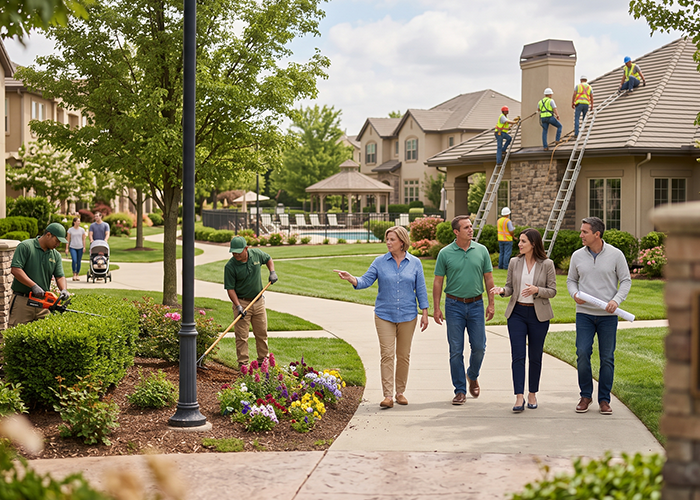
One area that often causes confusion is the difference between operating funds and reserve funds.
Operating funds cover the association’s day-to-day expenses. These include landscaping, utilities, office expenses, insurance, and routine maintenance.
Reserve funds are designated for large capital repairs and replacement projects that occur over many years.
Keeping these accounts separate improves financial transparency and helps ensure long-term projects remain adequately funded.
Using reserve funds for routine operating expenses should generally be avoided unless permitted by governing documents and applicable laws.
Common HOA Accounting Mistakes to Avoid
Even well-intentioned boards can run into financial problems when accounting practices are inconsistent. Many issues begin with small oversights that gradually grow into larger concerns if they are not addressed.
Recognizing common mistakes early allows boards to improve their financial processes before they affect the association’s stability.
Mixing Operating and Reserve Funds
Operating funds and reserve funds should always serve separate purposes. Operating funds pay for routine expenses, while reserve funds are intended for major repairs and replacement projects.
Using reserve money to cover everyday costs can leave the association unprepared when large projects arise. Unless governing documents or state laws allow it under specific circumstances, boards should avoid borrowing from reserve accounts.
Falling Behind on Financial Reconciliations
Bank accounts should be reconciled every month to ensure accounting records match actual account balances.
Regular reconciliations help identify:
- Duplicate payments
- Missing deposits
- Bank errors
- Unauthorized transactions
- Recording mistakes
Waiting several months to reconcile accounts makes errors much harder to trace and correct.
Ignoring Delinquent Assessments
Late homeowner payments affect more than cash flow. High delinquency rates can delay maintenance projects, reduce reserve contributions, and place added pressure on homeowners who consistently pay on time.
Boards should establish a clear collection policy that explains when reminders are sent, when late fees apply, and when legal collection efforts begin if necessary.
Handling delinquencies consistently also demonstrates fairness across the community.
Delaying Financial Reviews
Some boards only review financial reports during budget season. However, monthly reviews provide a much clearer picture of the association’s financial health throughout the year.
Routine financial discussions allow the board to identify unexpected expenses, monitor revenue trends, and make adjustments before small concerns become major budget issues.
Building Strong Internal Financial Controls

Good accounting isn’t only about keeping accurate records. It also involves creating safeguards that reduce the risk of mistakes and fraud.
Internal financial controls help protect the association’s assets while increasing homeowner confidence in the board’s financial oversight.
Some of the most effective controls include:
- Separating financial responsibilities so one person does not control every step of the payment process.
- Requiring multiple signatures or approvals for larger expenditures.
- Reviewing bank statements independently from the person responsible for bookkeeping.
- Maintaining written financial policies for collections, reimbursements, and purchasing.
- Keeping organized documentation for every transaction.
Even small associations can implement these practices without making daily operations more complicated.
Technology can also strengthen internal controls by creating approval workflows, maintaining digital records, and limiting user permissions based on each person’s responsibilities.
Understanding HOA Audits, Reviews, and Financial Compilations
Many board members hear terms like “audit” and “financial review” used interchangeably, but they are not the same.
Each serves a different purpose and provides a different level of financial assurance.
Financial Compilation
A compilation is the most basic level of financial reporting. An accountant organizes financial information provided by the association without verifying its accuracy.
This option is generally less expensive but offers limited assurance.
Financial Review
A review provides more analysis than a compilation. The accountant performs analytical procedures and asks questions about financial records to determine whether the statements appear reasonable.
Reviews often satisfy the requirements of many governing documents while costing less than a full audit.
Financial Audit
An audit is the most comprehensive examination of the association’s financial records.
During an audit, an independent certified public accountant evaluates financial statements, tests supporting documentation, and verifies that accounting practices follow accepted standards.
Some state laws or governing documents require periodic audits, while others leave the decision to the board or membership.
Regardless of legal requirements, regular independent reviews can strengthen financial transparency and reinforce homeowner trust.
Tax Responsibilities for Homeowners Associations

Although many homeowners associations are organized as nonprofit corporations, they are not automatically exempt from federal income taxes.
Most associations must file an annual federal tax return.
Depending on the association’s circumstances, this may involve filing:
The appropriate filing depends on several factors, including the association’s income sources and tax election.
Boards should also be aware of applicable state filing requirements, which vary by state.
Working with an accountant who understands community association taxation helps ensure filings are completed accurately and on time.
Choosing the Right HOA Accounting Software
Modern accounting software has made financial management much more efficient than relying on spreadsheets alone.
The right platform helps automate routine tasks while improving financial accuracy.
Many HOA accounting systems include features such as:
- Online assessment payments
- Automatic late fee calculations
- Bank reconciliation tools
- Budget tracking
- Reserve fund monitoring
- Financial reporting dashboards
- Vendor payment management
- Owner account histories
Cloud-based systems also allow board members and managers to access financial information securely from virtually anywhere.
When evaluating software, boards should look beyond price alone. Ease of use, security, reporting capabilities, customer support, and integration with management services all contribute to long-term value.
When Professional HOA Management Makes a Difference
As communities grow, financial responsibilities become more demanding. Managing assessments, vendor payments, reserve planning, financial reporting, and compliance requires significant time and attention.
Professional HOA management companies often provide accounting support that helps boards stay organized and focused on governance rather than day-to-day bookkeeping.
Depending on the services offered, a management company may assist with:
- Preparing annual budgets
- Processing homeowner payments
- Paying vendor invoices
- Producing monthly financial reports
- Coordinating reserve studies
- Managing delinquent accounts
- Supporting audits and tax preparation
- Maintaining financial records
Professional support does not replace the board’s oversight responsibilities. Instead, it provides expertise and administrative assistance that can improve financial accuracy and efficiency.
Communities with complex finances or aging infrastructure often benefit from having experienced professionals manage accounting tasks while the board concentrates on long-term planning.
Financial Reporting Best Practices
Clear and consistent financial reporting helps board members make informed decisions throughout the year. It also gives homeowners confidence that the association is managing community funds responsibly.
Financial reports should be prepared regularly, reviewed during board meetings, and stored in an organized system that allows future board members to access historical records. Waiting until year-end to evaluate finances makes it much harder to spot trends or address concerns before they grow.
At a minimum, boards should regularly review:
- Balance Sheet
- Income Statement
- Budget vs. Actual Report
- Cash Flow Report
- Delinquency Report
- Reserve Fund Summary
- Bank Reconciliation Reports
These reports work together to provide a complete picture of the association’s financial condition. Looking at only one report may not reveal underlying issues that could affect future budgets or reserve funding.
Board members should also encourage discussion during financial reviews. Questions about unusual expenses, changing vendor costs, or declining assessment collections can often uncover opportunities to improve the association’s financial management.
Long-Term Financial Planning Keeps Communities Strong
Good HOA accounting is about more than balancing this month’s books. It also prepares the community for the years ahead.
Every association will eventually face major repair and replacement projects. Roofs wear out, pavement deteriorates, mechanical equipment reaches the end of its life, and amenities require updates. Planning for these expenses well in advance reduces financial stress and helps avoid unexpected special assessments.
Reserve studies play a key role in long-term planning by estimating the remaining life of major common-area components and recommending appropriate annual reserve contributions.
Boards should also review long-term financial plans whenever significant changes occur within the community, such as:
- New amenities being added
- Large capital improvement projects
- Rising insurance costs
- Inflation affecting vendor contracts
- Changes in homeowner occupancy
- Significant maintenance needs
Financial planning should remain flexible. While budgets and reserve studies provide direction, boards should revisit assumptions regularly and adjust when circumstances change.
Communities that consistently plan ahead are often better equipped to maintain property values, preserve amenities, and respond confidently to unexpected challenges.
Good Accounting Creates a Stronger Community
Strong financial management is one of the most important responsibilities of any homeowners association. When accurate accounting, thoughtful budgeting, regular reporting, and long-term planning work together, boards are better prepared to protect the community’s assets and serve homeowners effectively.
Whether you need help with day-to-day accounting, financial reporting, or long-term planning, we’re here to support your community every step of the way. Call us at 760-325-9500 or contact us online to learn how we can help keep your HOA’s finances organized, accurate, and positioned for long-term success.
Related Articles: