
Wild animals and stray animals occasionally appear in HOA communities, especially in neighborhoods located near parks, wooded areas, or open land. While many of these encounters are harmless, they can still create safety concerns for residents and pets.
HOA boards and property managers can reduce problems by setting clear guidelines and responding quickly when animals appear in the community.
Understanding Wild Animals and Stray Animals in HOA Communities
Wild animals and stray animals are common in many residential neighborhoods. HOA communities often provide attractive environments for animals because they offer food sources, shelter, and quiet spaces.
Wild animals usually include creatures such as raccoons, coyotes, deer, foxes, or opossums. Stray animals often refer to domestic pets that have been abandoned or have wandered away from their homes.
Most animals are simply searching for food or shelter. However, when they become comfortable in residential areas, problems can arise. Residents may worry about safety, pets may be threatened, and property damage may occur.
HOA boards should recognize that wildlife encounters are often unavoidable. The goal is not to eliminate wildlife completely. Instead, communities should focus on managing the situation responsibly and protecting residents.
Why Animal Encounters Are Becoming More Common
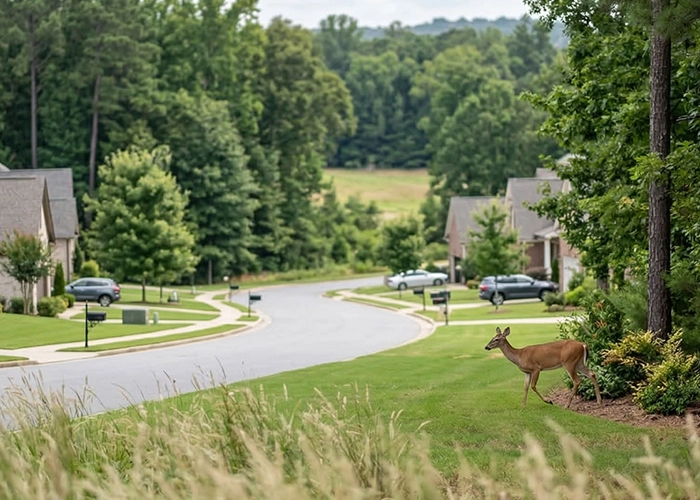
Encounters with wildlife have increased in many suburban and urban neighborhoods. Development continues to expand into areas that were once natural habitats.
When neighborhoods grow near forests, lakes, or open fields, animals adapt by moving closer to homes. Trash containers, pet food, and landscaping features can all attract wildlife.
Stray animals also become more visible in growing communities. Some pets escape from homes, while others may be abandoned by previous owners.
HOA communities may notice increased sightings during certain seasons. For example, spring and summer often bring more activity as animals search for food and care for their young.
Understanding why animals appear in the neighborhood helps boards develop realistic solutions.
Potential Risks of Wild and Stray Animals
Most animals avoid humans whenever possible. Still, certain situations can create risks that communities should not ignore.
Wild animals may carry diseases or parasites. Although rare, illnesses such as rabies can spread through bites or scratches.
Stray animals can also create problems if they become aggressive or frightened. In some cases, they may chase pets or damage landscaping while searching for food.
Property damage is another concern. Wildlife may dig through trash bins, tear open garbage bags, or burrow under decks and sheds.
These situations are often manageable when addressed early. The key is recognizing the signs and responding quickly.
Preventing Wildlife From Being Attracted to the Community
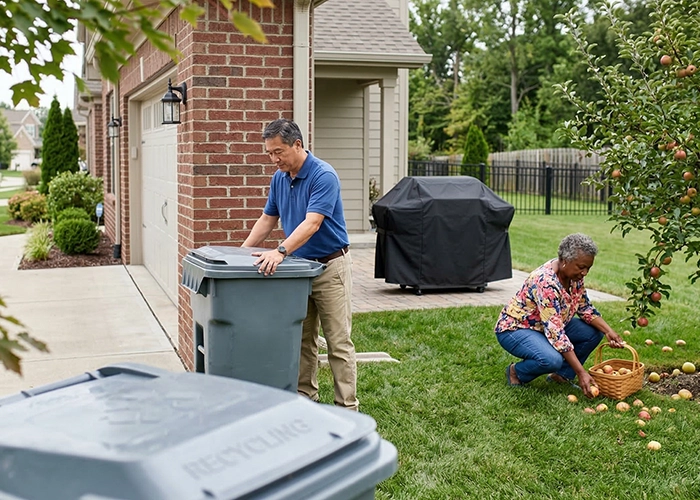
Preventing wildlife problems often begins with reducing the things that attract animals. Many animals enter neighborhoods because food is easily available.
Residents can help keep wildlife away by following a few simple practices.
Common ways to reduce wildlife attraction include:
- Securing trash bins with tight lids
- Avoiding leaving pet food outdoors overnight
- Cleaning outdoor grills after use
- Removing fallen fruit from trees
- Keeping compost bins properly sealed
Even small changes can make a difference. When food sources disappear, animals often move on to other areas.
HOA boards may include these tips in newsletters or community reminders. Education helps residents understand how their actions affect the entire neighborhood.
Handling Stray Animals in the Neighborhood
Stray animals require careful handling. Residents often feel sympathy toward stray pets, but direct interaction may not always be safe.
HOA communities should encourage residents to avoid approaching unfamiliar animals. Even friendly animals may react unpredictably if they feel threatened.
When a stray animal appears regularly, the best step is to contact local animal control services. These professionals are trained to capture and transport animals safely.
Residents should avoid attempting to trap or relocate animals on their own. Improper handling can lead to injury for both the animal and the person involved.
Communities can also share information about local shelters or rescue organizations that assist with lost or abandoned pets.
Steps HOA Boards Can Take to Address Animal Concerns

HOA boards play an important role in maintaining a safe environment for residents. While wildlife management often falls under city or county authority, associations can still support prevention efforts.
Boards can take several practical steps to address animal concerns in the neighborhood.
Helpful actions may include:
- Establish Clear Community Guidelines
Associations can remind residents about proper trash storage and pet feeding practices. - Work With Local Animal Control Agencies
Building a relationship with local animal services ensures faster response when issues arise. - Install Proper Waste Containers in Common Areas
Secure trash bins help reduce wildlife activity in shared spaces. - Share Safety Information With Residents
Educational reminders can help residents respond calmly when wildlife appears. - Monitor Common Areas for Animal Activity
Property managers can identify areas where animals frequently gather.
These steps support a proactive approach while keeping responsibilities realistic for the HOA.
Safety Tips for Residents and Pets
Residents should always keep safety in mind when wildlife or stray animals appear nearby. Most incidents occur when people unknowingly approach animals too closely.
Pets should be supervised when outdoors, especially in the early morning or evening hours when wildlife is more active.
Residents may also consider these safety practices:
- Keep dogs on a leash when walking through the community
- Avoid feeding wildlife intentionally or unintentionally
- Keep fences and gates in good condition
- Supervise children in areas where animals have been seen
Animals typically avoid people when they feel no threat. Giving them space often prevents problems.
Landscaping Choices That Reduce Wildlife Activity
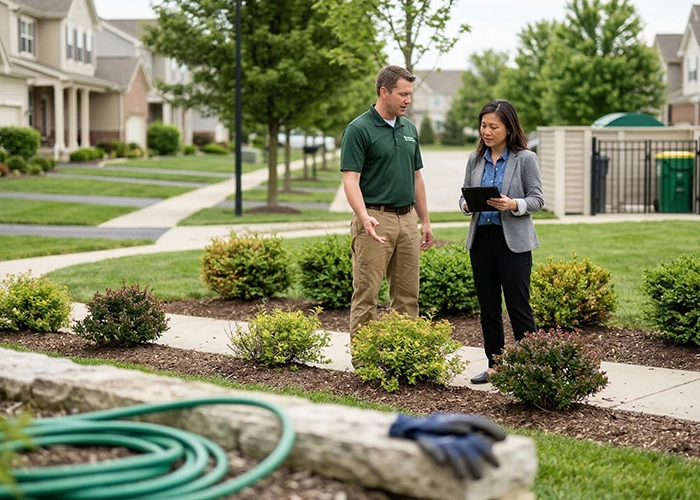
Landscaping can influence how attractive a neighborhood appears to wildlife. Certain plants and yard features may unintentionally invite animals into the area.
Communities can reduce wildlife visits by selecting landscaping that discourages feeding and shelter.
For example, dense shrubs placed near homes may provide hiding spots for animals. Open landscaping with good visibility often discourages wildlife from settling in.
Trash storage areas should also remain clean and well maintained. Overflowing bins quickly attract raccoons and other animals.
Property managers sometimes work with landscaping vendors to identify areas where wildlife activity occurs frequently. Small adjustments can make the environment less appealing to animals.
When Professional Wildlife Removal Is Needed
In some situations, professional help becomes necessary. Wildlife removal specialists are trained to address larger animal problems safely and humanely.
These services may be needed when animals enter buildings, create nests in structures, or pose a direct risk to residents.
HOA boards should never attempt to handle wildlife removal themselves. Professional wildlife control teams understand how to relocate animals properly while following local regulations.
When residents report unusual activity, property managers can contact the appropriate local agency or wildlife professional.
Quick action helps prevent the situation from growing into a larger problem.
A Balanced Approach to Wildlife in HOA Communities
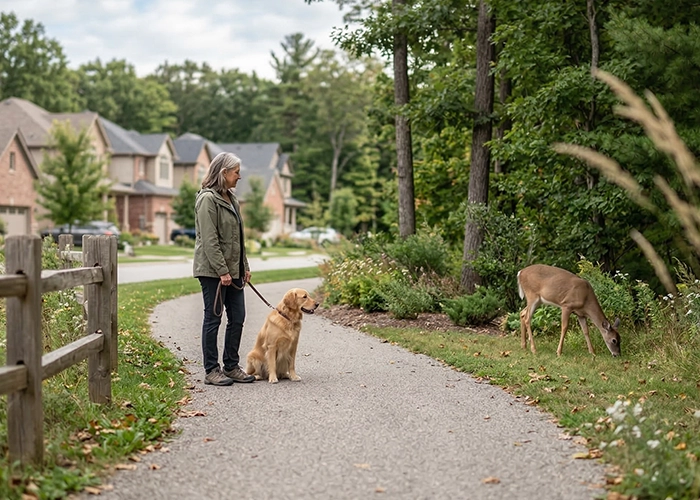
Wild animals and stray animals are a natural part of many environments. HOA communities do not need to view every animal sighting as a threat.
Instead, the goal is balance. Neighborhoods should remain safe for residents while respecting the wildlife that shares the surrounding environment.
When communities focus on prevention, education, and cooperation with local authorities, animal encounters become far easier to manage.
Keeping HOA Communities Safe and Wildlife Aware
Wild animals and stray animals will always be part of life in many residential areas. With awareness and preparation, HOA communities can manage these encounters responsibly.
Clear communication, smart prevention, and cooperation with local services help protect both residents and animals.
Our HOA management professionals help communities handle safety concerns, resident education, and neighborhood operations with confidence. Contact us today to learn how we can support your association.
Related Articles