
Many homeowners associations are exploring renting out amenities as a way to improve resident services while generating additional income for the community. When handled properly, these rentals can turn shared spaces into valuable assets that benefit both residents and the association.
Still, the process requires clear rules, fair access, and careful oversight. Without the right approach, even a simple amenity rental can lead to scheduling conflicts or disputes.
Renting Out Amenities: Why HOA Communities Are Exploring This Option
Renting out amenities has become increasingly common in modern HOA communities. Shared spaces such as clubhouses, pools, pavilions, and event rooms often sit unused for long periods. Allowing residents to reserve these spaces for private events helps make better use of facilities that the community already maintains.
For many associations, the financial benefit is also appealing. Rental fees can help offset maintenance costs or contribute to the reserve fund. Instead of increasing dues, the HOA may rely on occasional amenity rentals to support upkeep and improvements.
There is also a lifestyle component to consider. When residents can host birthday parties, family gatherings, or community celebrations within the neighborhood, it strengthens social connections. Communities with active shared spaces often feel more welcoming and engaged.
However, success depends on thoughtful planning. Clear expectations must be established before any amenity becomes available for reservation.
Common HOA Amenities That Can Be Rented
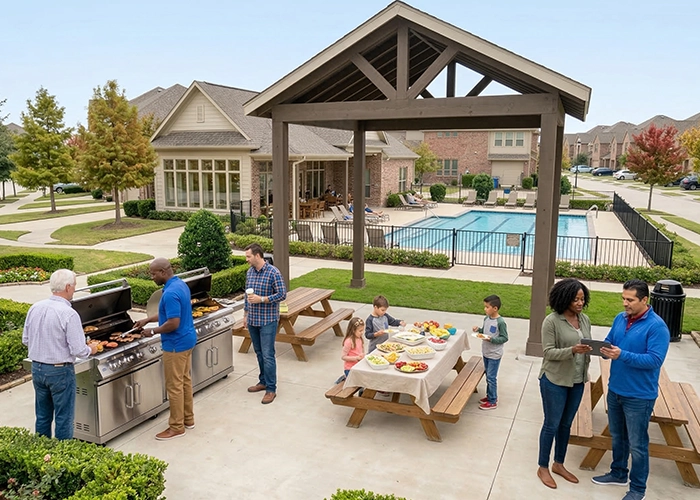
Not every amenity is suitable for private use, but many community spaces can easily accommodate reservations. Associations typically focus on facilities designed for gatherings or recreational use.
Below are some of the most common amenities that HOAs allow residents to rent:
- Clubhouses and community rooms
These are among the most popular spaces for private events. Residents often reserve them for parties, meetings, or celebrations. - Pool areas or poolside pavilions
Some associations allow residents to reserve a portion of the pool area during certain hours. This often comes with capacity limits and supervision requirements. - Outdoor picnic areas and pavilions
Covered seating areas are ideal for small gatherings such as family barbecues or birthday parties. - Sports courts or recreation spaces
Tennis courts, basketball courts, or multipurpose fields may be reserved for organized events or private group activities. - Event lawns or garden spaces
Some communities allow residents to use landscaped areas for celebrations, photo shoots, or neighborhood events.
While these spaces are commonly rented, not every association will offer the same amenities. The decision often depends on the size of the community, available facilities, and maintenance capacity.
The Benefits of Renting Out Amenities
When managed correctly, amenity rentals provide several advantages for both residents and the HOA itself. These benefits go beyond simple revenue generation.
Additional Income for the Association
One of the most practical advantages is the potential to collect rental fees. These fees may help cover cleaning, maintenance, or security costs associated with shared spaces.
In some communities, this income helps reduce pressure on the operating budget. While rentals rarely replace assessments, they can still provide helpful financial support.
Increased Community Engagement
Amenities are meant to bring people together. When residents can host events in community spaces, they are more likely to interact with neighbors and participate in local activities.
A lively clubhouse or pavilion often becomes a focal point for neighborhood life. That sense of connection can improve overall resident satisfaction.
Better Use of Shared Facilities
Many HOAs invest heavily in amenities, yet some of these spaces remain unused for long stretches. Renting them out ensures that facilities serve their intended purpose.
When residents see that amenities are active and well maintained, they often feel that their dues are providing real value.
Creating Clear HOA Amenity Rental Policies
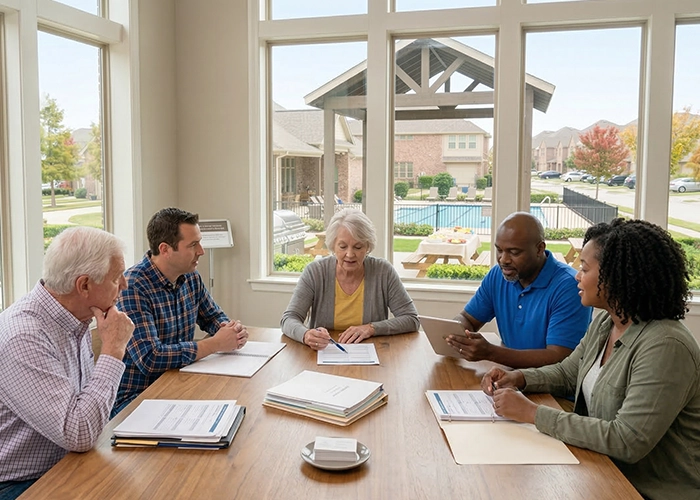
Successful amenity rentals depend on strong policies. Without clear guidelines, scheduling conflicts and rule violations can quickly arise.
A well-written policy should explain exactly how residents can reserve a space and what responsibilities come with the rental.
Reservation Procedures
Every association should establish a formal reservation process. Residents may submit requests through a management office, an online portal, or a designated reservation form.
Most communities follow a first-come, first-served system. Some also limit how far in advance reservations can be made to ensure fair access.
Rental Fees and Deposits
HOAs typically charge a rental fee along with a refundable security deposit. The rental fee covers administrative and operational costs, while the deposit protects the association against damage or excessive cleaning.
Fees should remain reasonable and consistent for all residents. Clear pricing avoids misunderstandings and promotes transparency.
Capacity Limits and Event Restrictions
Shared spaces have safety limits that must be respected. Rental policies should define maximum occupancy and any restrictions on noise, decorations, or alcohol.
These limits protect the community while helping the HOA comply with insurance requirements.
Cleanup Responsibilities
After an event, the space should be returned to its original condition. Some associations require residents to clean the area themselves, while others hire professional cleaning services and include the cost in the rental fee.
Either way, expectations should be written into the policy so there are no surprises later.
Managing Risk and Liability
Any time an HOA allows private events on community property, liability concerns must be considered. Even small gatherings can lead to accidents or property damage if precautions are not in place.
Many associations address this risk by requiring renters to sign a liability waiver. This document acknowledges responsibility for the event and protects the HOA from certain claims.
Some communities also require event insurance for larger gatherings. This coverage can provide an additional layer of protection if an incident occurs.
Security measures may also be necessary depending on the type of event. For example, the HOA might require supervision for pool parties or prohibit events during late-night hours.
Ensuring Fair Access for All Residents
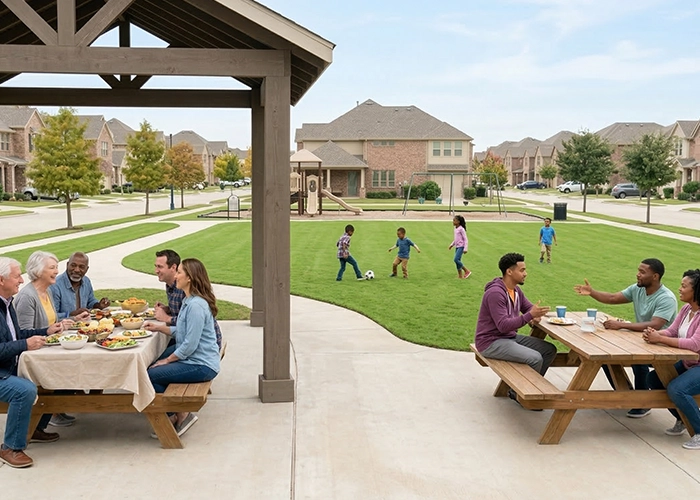
Amenities belong to the entire community, so rental policies must remain fair and balanced. Allowing a small group of residents to monopolize a space can lead to frustration.
Several strategies help maintain fairness:
- Limit how often a household can reserve an amenity within a certain timeframe
- Restrict reservations during major holidays or peak community events
- Require residents to remain present during their rental period
These guidelines help ensure that shared facilities remain accessible to everyone.
Fair access also means enforcing policies consistently. When rules apply equally to all residents, conflicts become less likely.
The Role of HOA Management in Amenity Rentals
Professional HOA management companies often play an important role in coordinating amenity rentals. Their responsibilities may include managing reservations, collecting fees, and ensuring policies are followed.
A management team can also help boards create clear rental procedures. With experience across multiple communities, they often bring valuable insight into what works and what does not.
Technology has also simplified the process. Many communities now use online owner portals where residents can view availability and submit reservation requests. This reduces administrative work and keeps records organized.
By streamlining reservations, the HOA can maintain control while making the process convenient for residents.
Maintaining Amenities for Long-Term Success
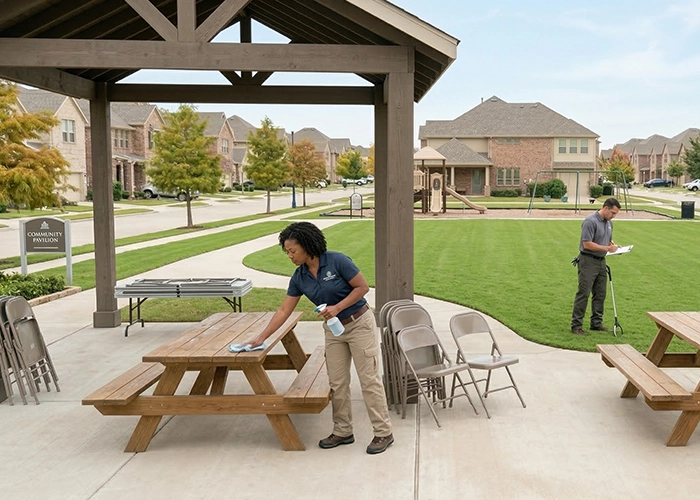
Renting out amenities can increase wear and tear over time. Associations must plan for ongoing maintenance to keep facilities safe and appealing.
Regular inspections are essential. Staff or management should review each space after an event to ensure that no damage occurred. Small repairs should be addressed quickly before they grow into larger problems.
It is also wise to set aside a portion of rental income for future improvements. Funds may be used to update furniture, repair surfaces, or upgrade equipment.
When amenities remain in good condition, residents continue to enjoy them and rentals remain sustainable.
Making Amenity Rentals Work for Your Community
Renting out amenities can bring real value to a homeowners association when policies are clear and expectations are communicated. Residents gain convenient spaces for gatherings, while the HOA benefits from better facility usage and modest revenue.
With thoughtful planning and consistent management, shared spaces can become vibrant hubs of activity that strengthen the community as a whole.
Turning Community Amenities Into Shared Opportunities
When handled with care, renting out amenities allows HOAs to make the most of their shared spaces. Clear rules, fair access, and consistent oversight help ensure that these facilities benefit everyone in the neighborhood.
If your HOA is considering amenity rentals, the right policies and management approach can make all the difference.
A professional HOA management team can help create clear rental policies, streamline reservations, and keep shared spaces running smoothly.
Contact our team today to learn how expert HOA management can support your community.
Related Articles