
Community gardens have become increasingly popular in homeowners associations across the country. These shared green spaces provide residents with opportunities to grow fresh produce, connect with neighbors, and create a stronger sense of community.
What Are They and Why Are They Popular?
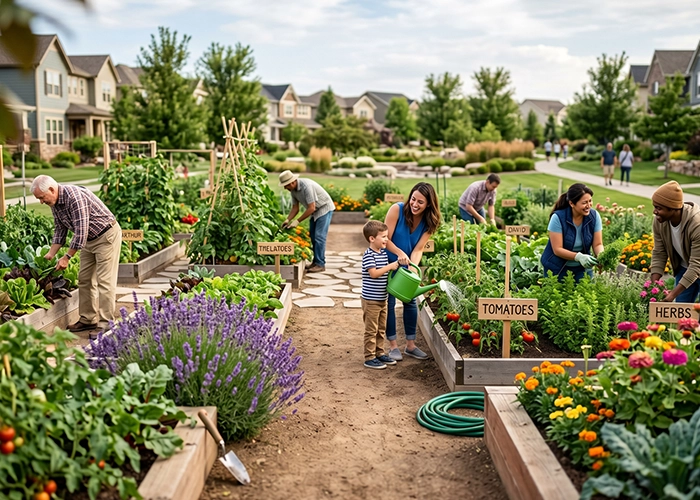
Community gardens are shared plots of land where residents can grow vegetables, fruits, herbs, flowers, and other plants. Unlike private backyard gardens, these spaces are maintained collectively or divided into individual plots assigned to participating homeowners.
Interest in community gardens has grown significantly over the last decade. Many homeowners want access to fresh food, outdoor recreation, and opportunities to engage with their neighbors. At the same time, associations are looking for amenities that promote wellness and strengthen community ties.
A well-designed garden can transform an underutilized area into a vibrant gathering place. Instead of vacant land sitting unused, residents gain a functional space that contributes to the overall appeal of the neighborhood.
How Community Gardens Benefit HOA Communities
Community gardens offer more than just a place to grow vegetables. They can provide social, environmental, and financial benefits that positively impact the entire association.
Stronger Community Connections
One of the greatest advantages of a community garden is its ability to bring people together. Residents who may never interact otherwise often meet while planting, watering, or harvesting crops.
These casual interactions help build relationships and encourage a sense of belonging. Neighbors become more familiar with one another, which can lead to better communication and a stronger community culture.
Community events centered around the garden can further strengthen these connections. Seasonal planting days, gardening workshops, and harvest celebrations create opportunities for residents to participate and engage.
Enhanced Resident Satisfaction
Many homeowners appreciate amenities that contribute to their quality of life. A community garden offers a unique experience that appeals to a wide range of residents.
Families can teach children about gardening and healthy eating. Retirees often enjoy having a productive outdoor hobby. Residents without private yards gain access to gardening opportunities they may not otherwise have.
When homeowners feel their community offers meaningful amenities, satisfaction levels often increase.
Improved Property Appearance
A properly maintained garden can add visual interest to common areas. Colorful flowers, healthy vegetation, and organized garden beds can enhance the overall appearance of the neighborhood.
Unused or neglected spaces sometimes become eyesores. Converting these areas into attractive gardens can improve curb appeal and create a more welcoming environment.
Prospective buyers frequently notice well-maintained amenities when touring a community. A thriving garden can contribute to a positive first impression.
Environmental Benefits
Community gardens support environmentally friendly practices that many residents value.
Some of the environmental advantages include:
- Reduced stormwater runoff through increased vegetation
- Improved air quality
- Support for pollinators such as bees and butterflies
- Reduced food transportation impacts when residents grow produce locally
- Opportunities for composting and sustainable gardening practices
These benefits align with broader sustainability initiatives that many associations are pursuing.
Opportunities for Healthy Living
Gardening encourages physical activity and time spent outdoors. Digging, planting, weeding, and watering provide light exercise that can benefit people of all ages.
Community gardens also promote healthier eating habits. Residents often enjoy access to fresh fruits, vegetables, and herbs grown just steps from their homes.
For many homeowners, gardening can also reduce stress and improve mental well-being. Spending time in nature is associated with improved mood and relaxation.
Factors HOA Boards Should Consider Before Creating a Community Garden
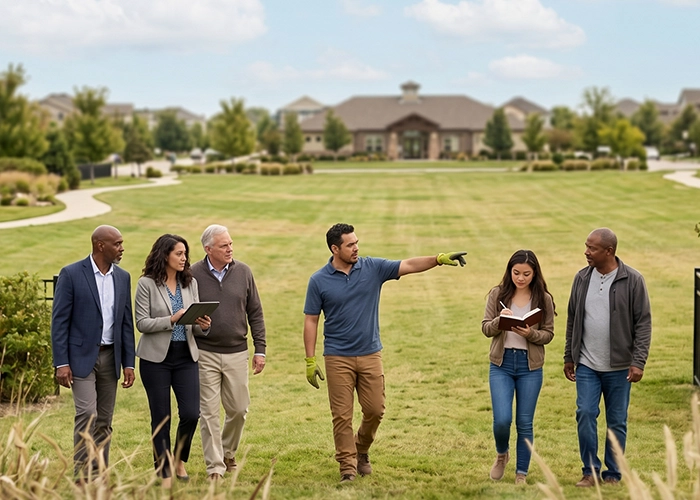
While community gardens offer many benefits, successful implementation requires careful planning. HOA boards should evaluate several factors before moving forward.
Available Space
The first consideration is whether suitable land exists within the community.
The ideal location should receive adequate sunlight, have access to water, and be easily accessible to participants. The area should also be large enough to accommodate anticipated demand without creating conflicts with existing amenities.
Boards should review governing documents and consult landscape professionals when evaluating potential sites.
Resident Interest
Not every community will have sufficient participation to support a garden.
Before investing resources, boards should survey homeowners to gauge interest. Understanding how many residents would participate can help determine the appropriate size and scope of the project.
Resident feedback may also reveal preferences regarding garden design, management, and usage policies.
Budget Requirements
Community gardens can range from relatively simple projects to more elaborate amenities.
Potential costs may include:
- Site preparation
- Raised garden beds
- Irrigation systems
- Soil and compost
- Fencing
- Storage sheds
- Signage
- Ongoing maintenance
Boards should develop realistic budgets and determine how expenses will be funded.
Water Access
Reliable water access is critical for successful gardening.
Associations must evaluate existing irrigation infrastructure and estimate anticipated water usage. Depending on the location and climate, watering requirements can vary significantly throughout the year.
Clear guidelines should be established regarding water conservation practices and usage responsibilities.
Liability Considerations
As with any community amenity, liability concerns should be reviewed.
Boards may wish to consult legal counsel and insurance providers to understand potential risks. Issues such as tool usage, trip hazards, and volunteer activities should be considered during the planning process.
Risk management strategies can help minimize potential problems while maintaining a safe environment for participants.
Establishing Rules for an HOA Community Garden
Clear rules are essential for maintaining an organized and successful garden. Without proper guidelines, disputes and maintenance issues can arise.
Plot Assignment Procedures
If individual plots are provided, the association should establish a fair allocation process.
Some communities use waiting lists, annual renewals, or lottery systems to distribute available space. Transparent procedures help ensure equal opportunities for interested residents.
Rules should also address plot abandonment and reassignment.
Maintenance Expectations
Participants should understand their responsibilities for maintaining assigned areas.
Garden policies may include requirements regarding:
- Weed control
- Plant health
- Seasonal cleanup
- Watering schedules
- Pest management
- Plot appearance
Clearly defined expectations help preserve the garden’s appearance and functionality.
Approved Plants
Not all plants are appropriate for every community garden.
Associations may restrict invasive species, large trees, or plants that attract unwanted pests. Guidelines can also address height limitations and plant placement.
Establishing approved planting standards helps prevent conflicts among gardeners.
Use of Chemicals
Many communities encourage environmentally friendly gardening practices.
Rules may regulate or prohibit certain pesticides, herbicides, and fertilizers. Organic gardening guidelines are common in community garden programs.
These policies help protect residents, pets, pollinators, and surrounding landscapes.
Shared Resource Management
Community gardens often include shared tools, compost bins, storage areas, and water sources.
Associations should establish guidelines for proper use and maintenance of these resources. Clear expectations help prevent misuse and reduce conflicts among participants.
Common Challenges With Community Gardens
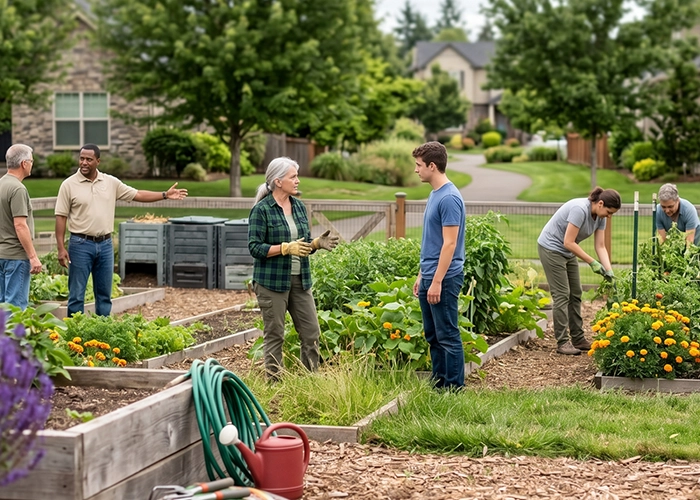
Even well-planned gardens can face occasional challenges. Understanding these issues can help boards prepare effective solutions.
Uneven Participation
Participation levels may fluctuate over time. Some residents begin gardening enthusiastically but later lose interest.
Vacant or neglected plots can affect the overall appearance of the garden. Regular monitoring and reassignment policies can help address this issue.
Maintenance Concerns
While community gardens rely heavily on volunteers, some level of oversight is usually necessary.
Associations may need to coordinate cleanup days, inspect common areas, or address maintenance issues that arise. Consistent management helps keep the garden attractive and functional.
Neighbor Disputes
Disagreements occasionally occur regarding plot boundaries, plant choices, or shared resources.
Having written policies and a clear dispute resolution process can help boards address conflicts efficiently.
Open communication often resolves minor issues before they escalate.
Pest Management
Gardens naturally attract insects and wildlife.
Boards should encourage integrated pest management strategies that balance effective control with environmental responsibility. Education and preventive measures often produce better results than reactive solutions.
Best Practices for Long-Term Success
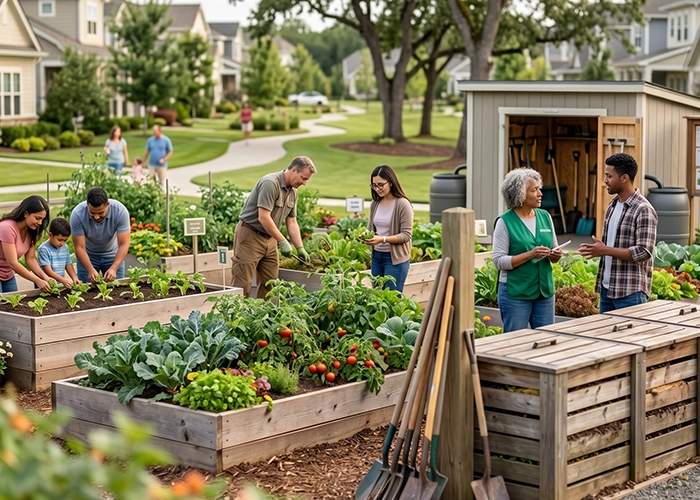
A successful community garden requires ongoing support and thoughtful management.
Some of the most effective strategies include:
- Forming a garden committee to oversee operations.
- Establishing written rules and participation agreements.
- Conducting regular inspections.
- Encouraging resident involvement through events and workshops.
- Creating clear communication channels.
- Planning annual reviews of garden policies and procedures.
Community gardens tend to thrive when residents feel a sense of ownership and pride in the space.
Boards should also remain flexible. As participation grows and community needs change, garden programs may require adjustments to remain successful.
How HOA Management Companies Can Help
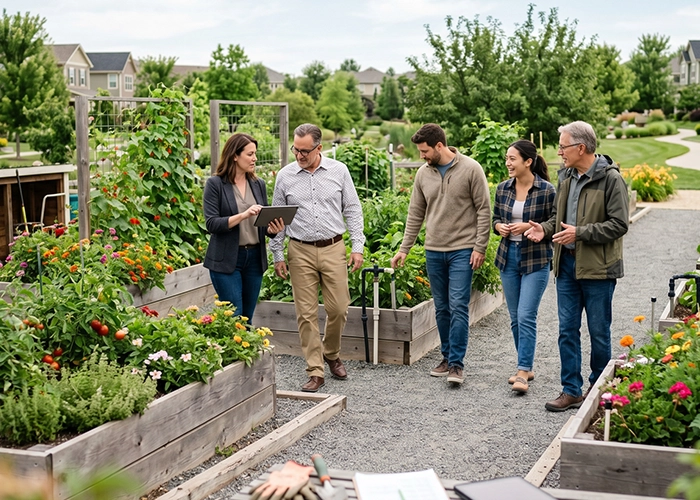
Managing a community garden involves more than simply providing land. Associations must balance resident interests, maintenance needs, budgets, and governing document requirements.
Professional HOA management companies can assist boards with policy development, resident communication, vendor coordination, budgeting, and ongoing administrative support. Their experience can help communities avoid common challenges while maximizing the benefits of a garden program.
With proper planning and management, community gardens can become one of the most valued amenities within an association.
Growing More Than Plants in Your Community
Community gardens offer HOA communities a unique opportunity to strengthen neighbor relationships, enhance common areas, and promote healthier lifestyles.
If you’re looking to improve amenities and resident engagement within your community. Our team can help your HOA develop practical solutions that support long-term success. Call us at 760-325-9500 or contact us online today to get started.
Related Articles: